
Part of the regional summaries: Fiji - Kabara, Fiji - Southern Lau (Kabara / Fulaga), and Fiji - Lau
More info
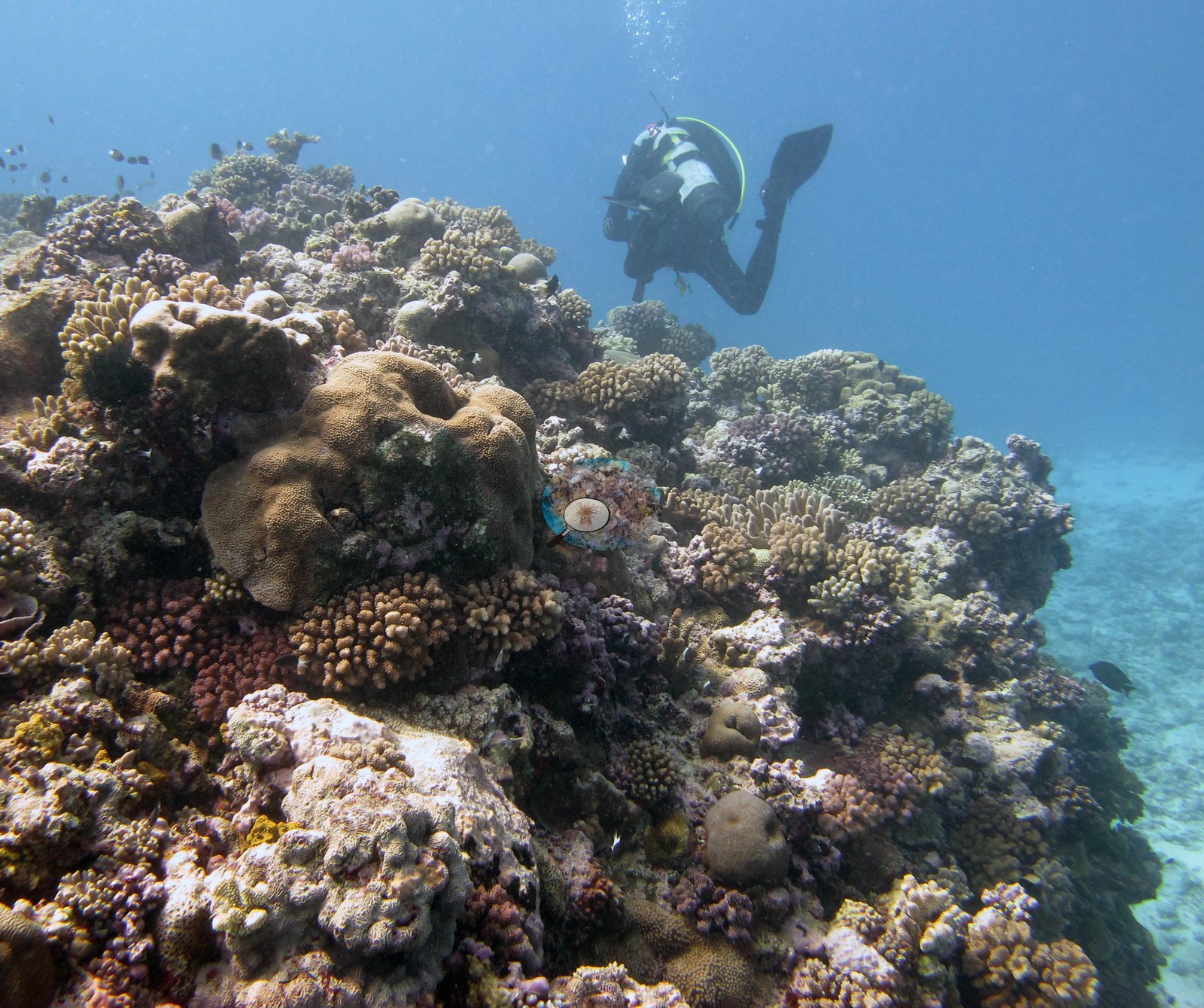
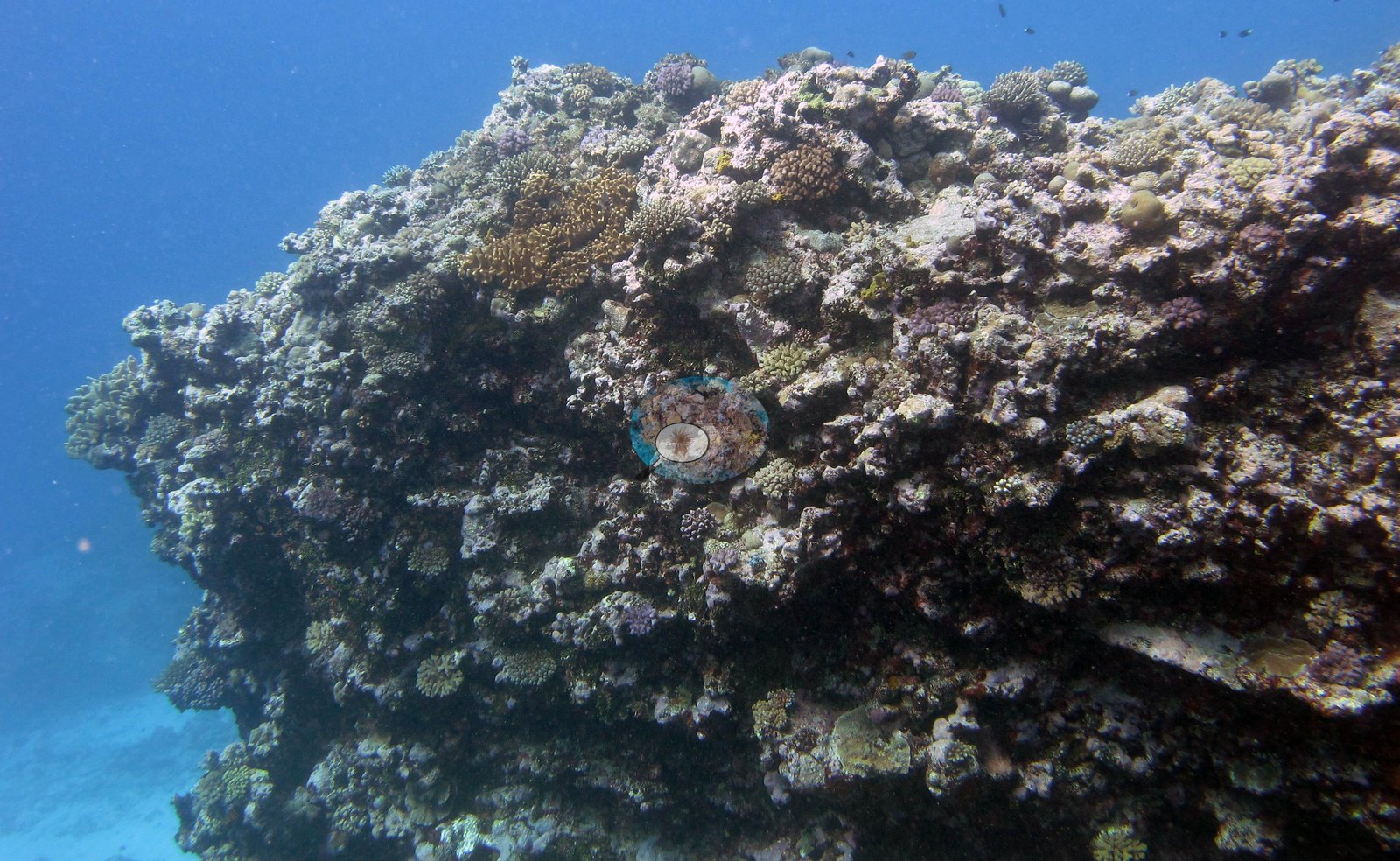
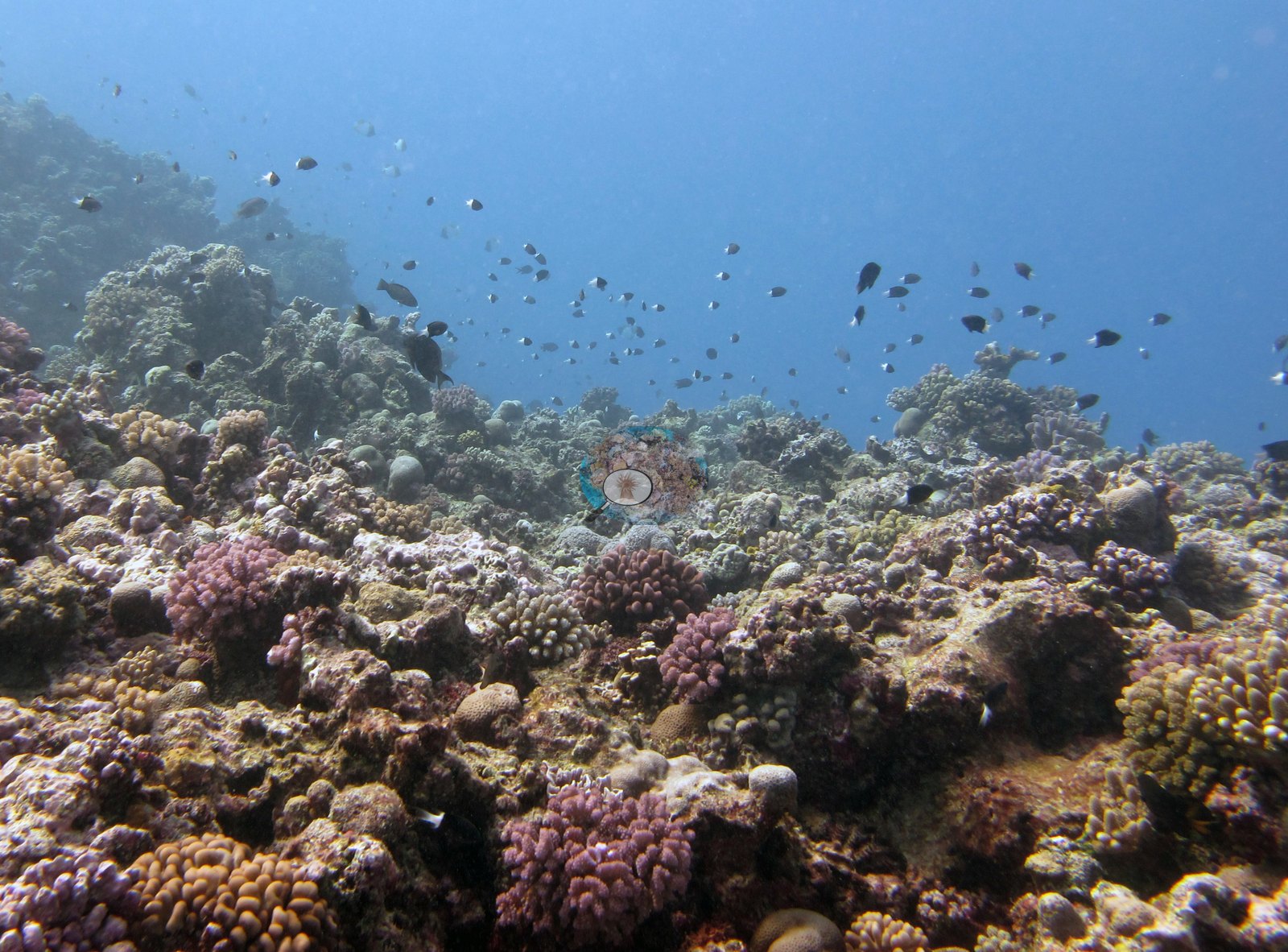
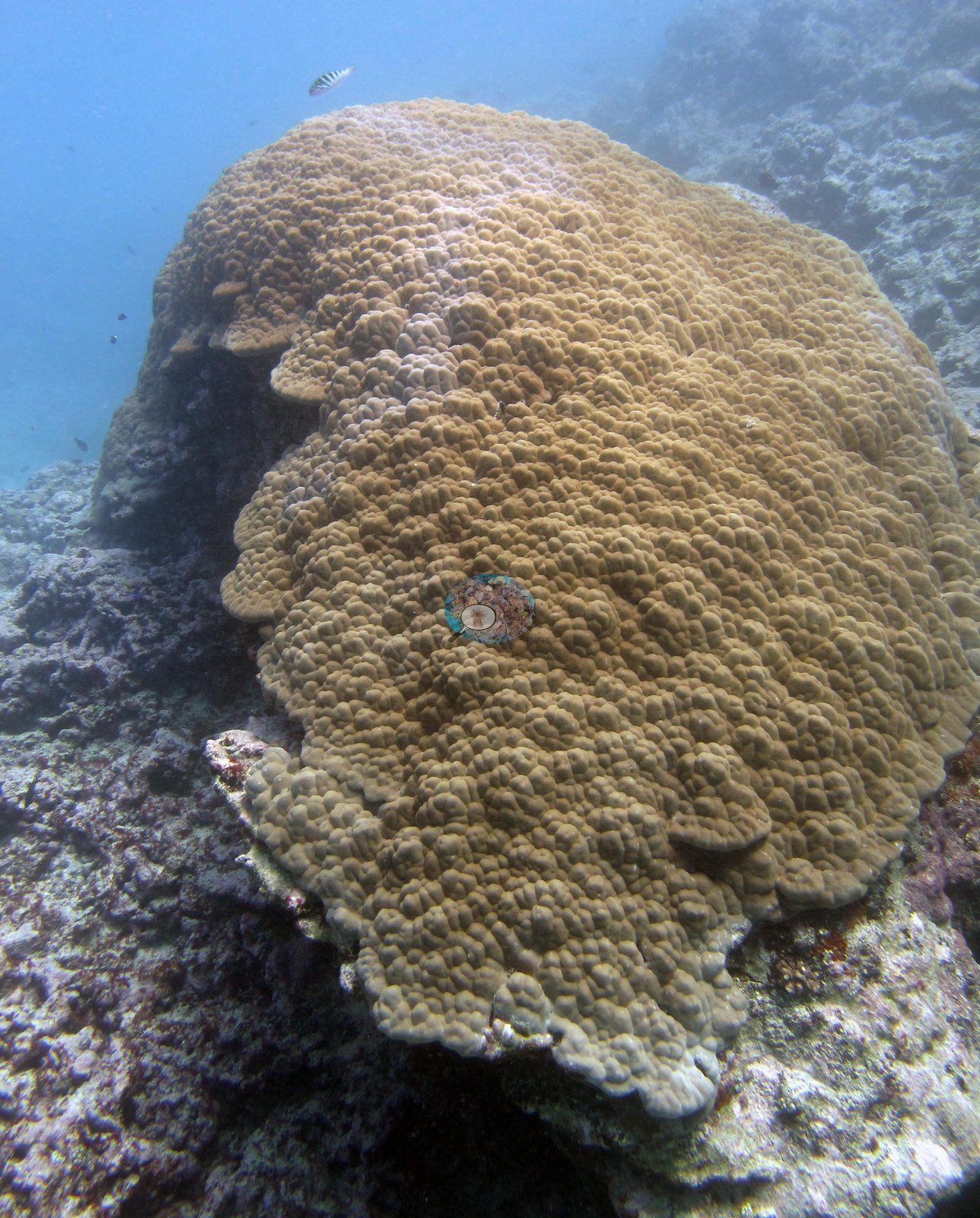
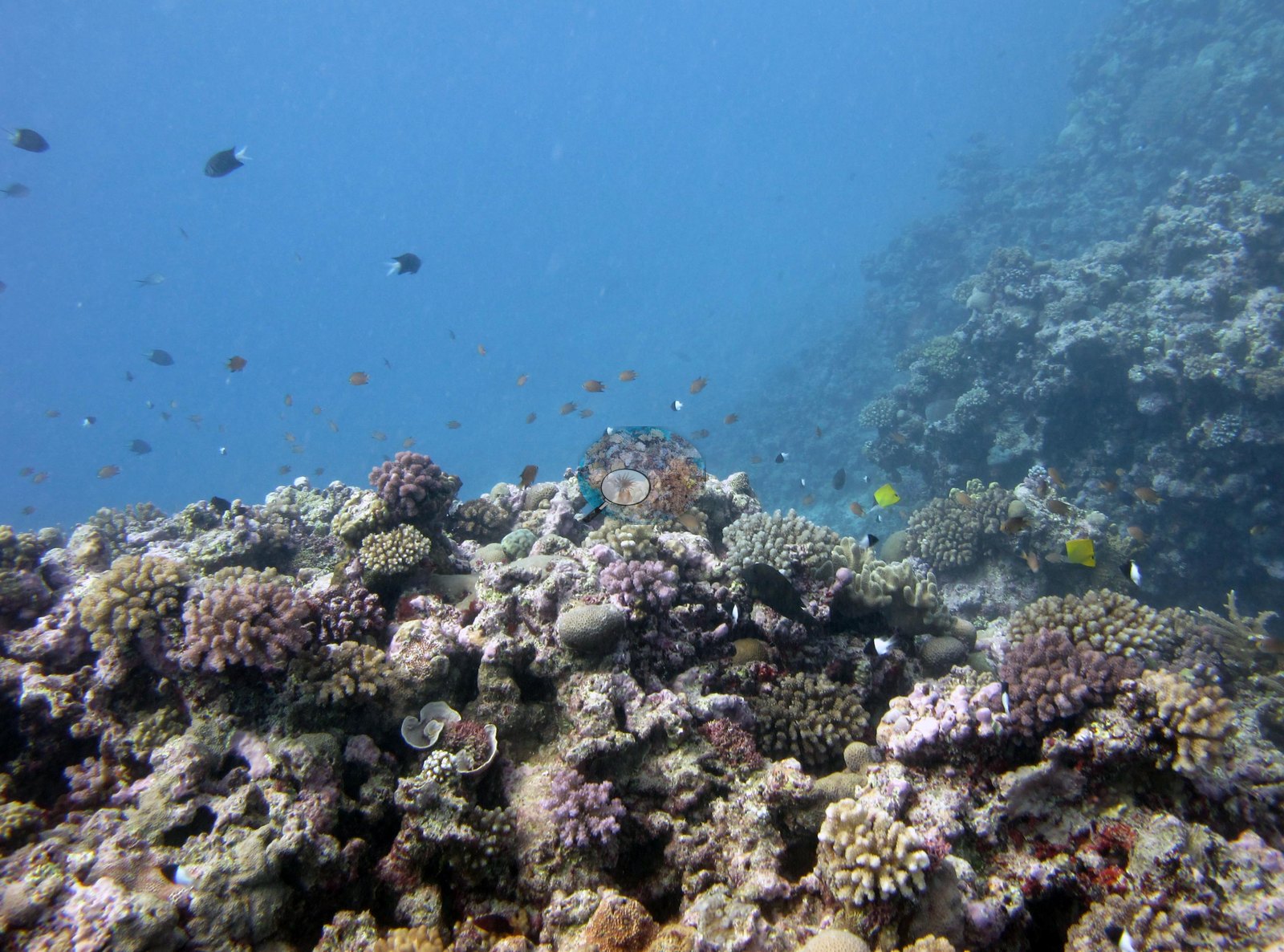
Fiji (NOAA CRW virtual station)A Kabara station, dived to 11.9 m, where algae covers nearly four times as much ground as coral (19%). Photos from the same dive show spur-and-groove terrain with a dense veneer of small corals over pink coralline pavement and one exceptionally large Porites head. Surveyed on the Living Oceans Foundation's Global Reef Expedition.
E dua na vanua ni vakadidike e Kabara, a nunu kina ki na 11.9 m, ka voleka ni vakava na levu ni vanua e ubia na lumi ni vakatauvatani kei na lase (19%). Na itaba mai na nunu vata oqo e vakaraitaka na vanua vakaivakarau ni spur-and-groove kei na lase lalai e vonu vakalevu ena vatu raraba ni lumi vakalase (coralline pavement) e roka (pink), kei na dua na ulu ni Porites e levu sara vakaidina.
AI translation of this summary; the English is authoritative. (low confidence)
CTD-cast midpoint; the cast read 26.5°C throughout
Two other CRD dive sites with their own pages within 5 km shown in orange — click a marker to open its page.
🗺 Detailed map of the Global Reef Expedition dive sites, Kabara, Fiji (Khaled bin Sultan Living Oceans Foundation; opens in a new window)
Site description
Setting
FJKA34 is a deep fore-reef station off Kabara, southern Lau, surveyed on 14 June 2013 during the Global Reef Expedition. The expedition's own site notes describe the Kabara fore reef as steepening sharply below about 15 m; that is the survey team's characterization.
General benthic features
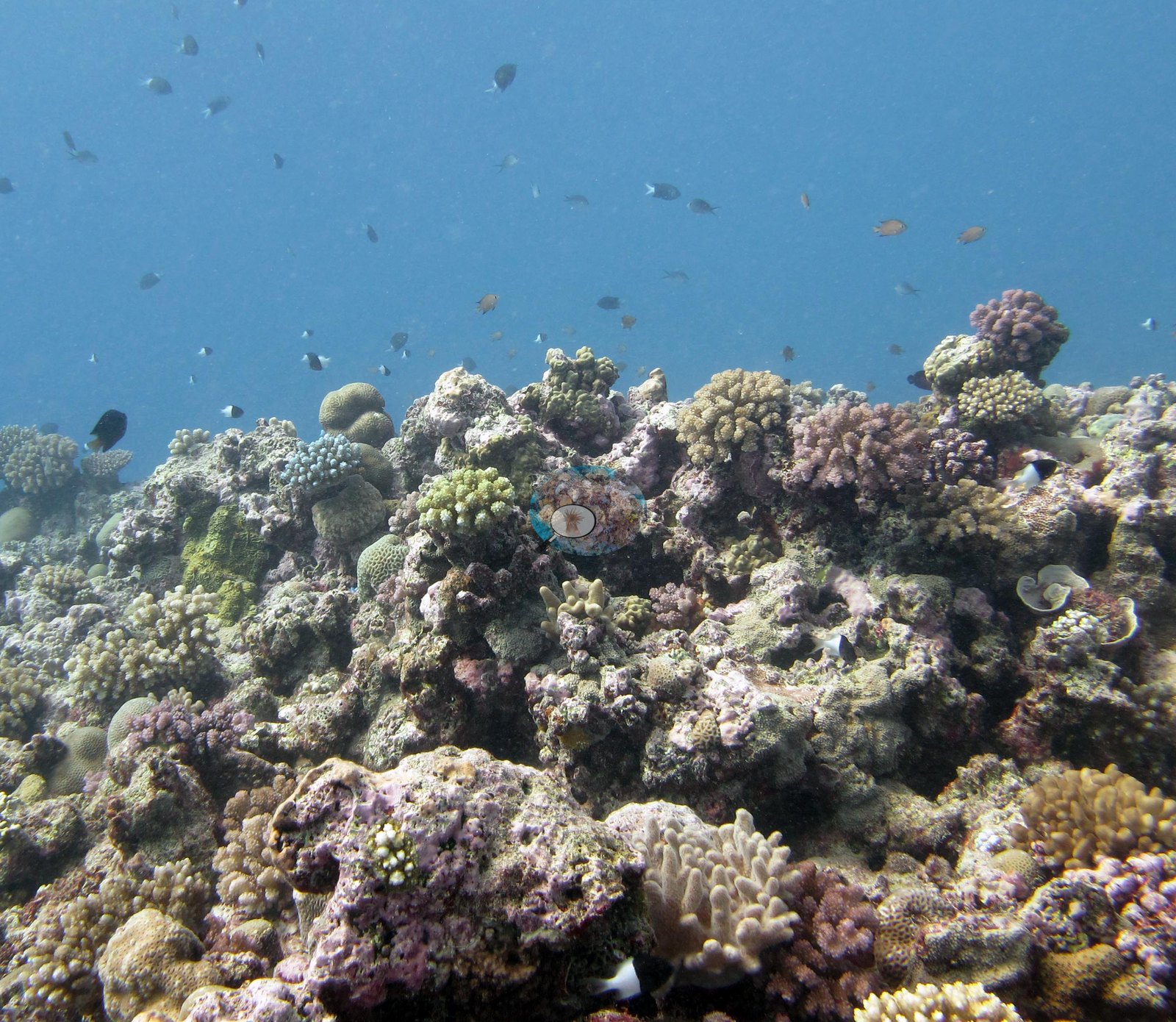
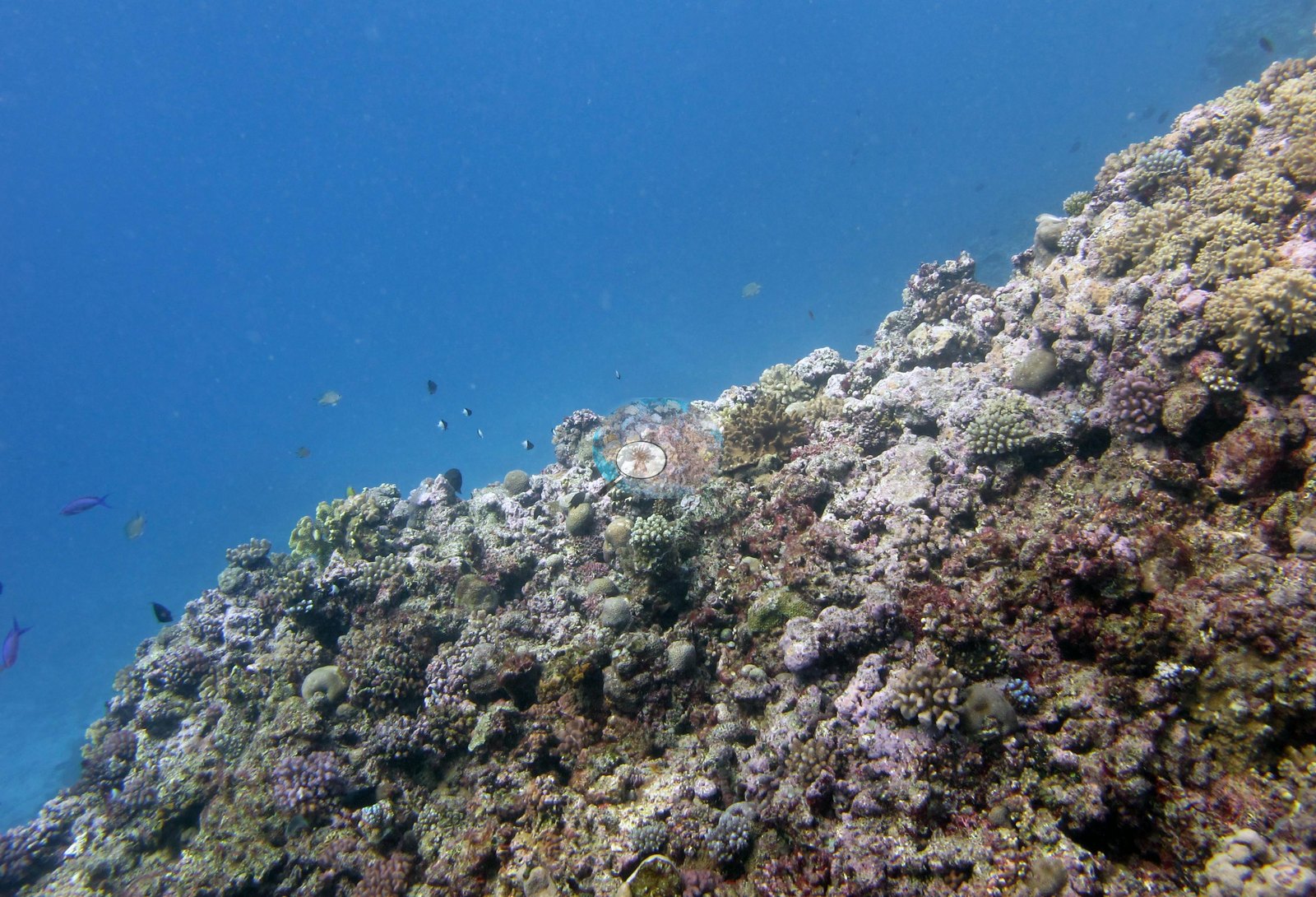
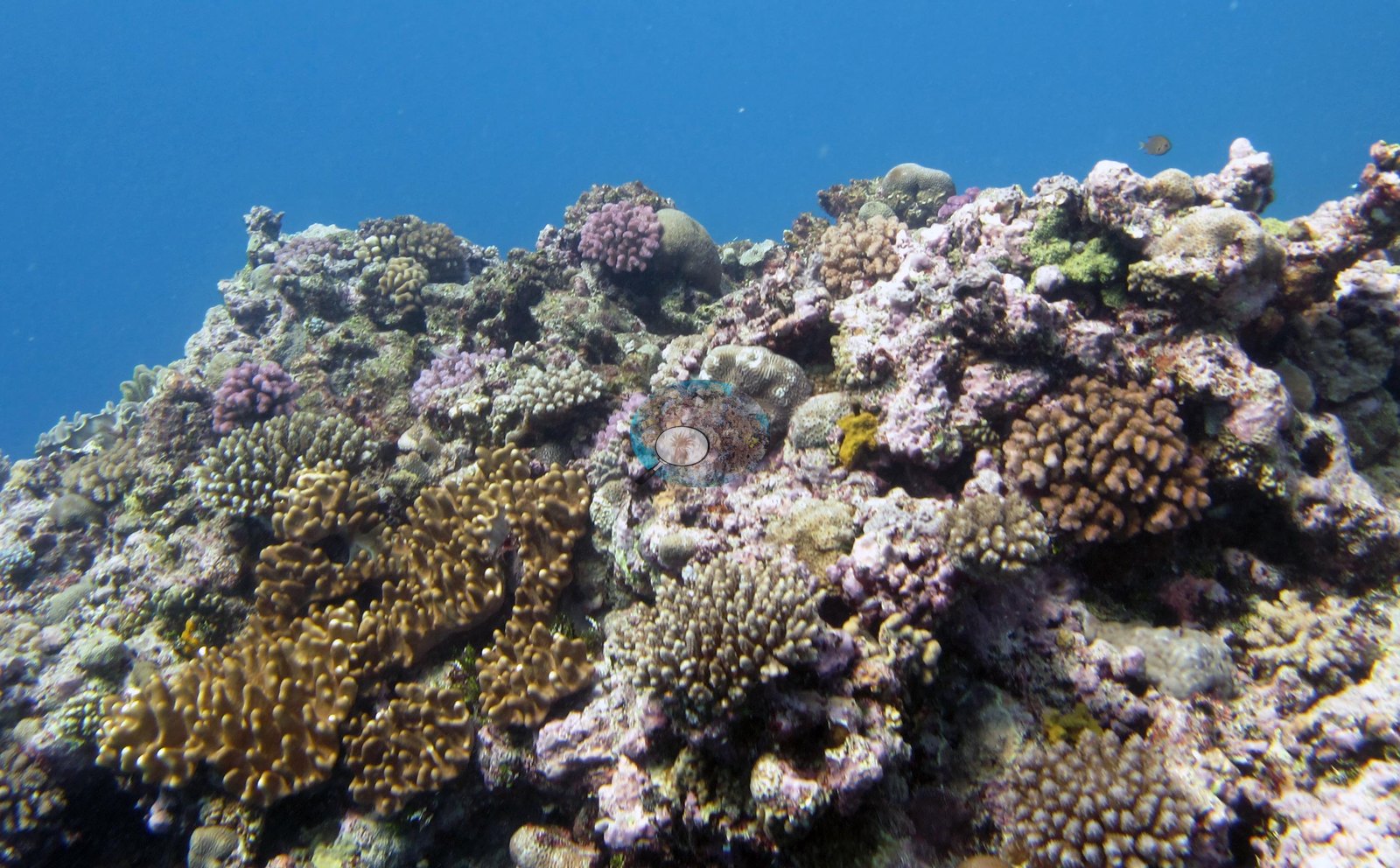
The photographs show spur-and-groove topography — a spur shoulder rising off pale sand, a spur flank falling away into blue — carrying a low, dense veneer of small colonies over consolidated pavement heavily encrusted with pink crustose coralline algae. Mauve-pink pocilloporids and tan digitate and encrusting colonies dominate that veneer, with pale massive heads scattered among them and one exceptionally large massive Porites head standing clear of the substrate.
Coral cover
- Reference: Khaled bin Sultan Living Oceans Foundation, Global Reef Expedition (in situ transect)
- An in situ point-count transect (station CTD cast to 35.7 m) recorded 19% live coral cover (LOF-GRE in situ transects; mean of all of this station's own transects) against 72% total algal cover — algae occupying nearly four times the substrate coral did.
- Together the two figures account for about 91% of the transect, leaving little unclassified.
- Transect mean 19 ± 3.8% SE (n = 4 transects; Living Oceans Foundation per-transect benthic data); the headline above is this all-transect mean.
Stressors
No bleaching, disease lesions, or crown-of-thorns scarring are visible in any frame, but Anderson's sampling sheet records one of the three colonies sampled here (F63) as 20% bleached at the base of the colony. The Living Oceans Foundation transects here recorded 2.0% cyanobacteria and no recently dead coral; they carry no bleaching, disease, or crown-of-thorns field. Recent thermal exposure at the Fiji virtual station averages an annual maximum of 8.9 degree-heating-weeks (NOAA Coral Reef Watch, 2021-2025), above the 8 DHW level at which severe bleaching and mortality are expected.
Fish and other fauna
Fish life is conspicuous: one frame is filled with a planktivore aggregation of damselfishes above the reef.
Comparisons with other data
Fore Reef Sites (FJKA32, FJKA34, FJKA33, FJKA30) have spur and groove morphologies on the terrace (5-12m) with large buildup of sediment in between spurs. Around 15m the slope becomes very steep, with lots small-medium sized acroporids and Pocillopora. FJKA31 had mixed habitats of shallow fore reef terrace with small acroporid colonies and fore reef sand flats. Large Porites lobata colonies and tabular acroporids occur within the sand flats, especially in deeper areas (30-50 m). The expedition's own site table classifies FJKA34 as a barrier reef on an exposed aspect, surveyed on the fore reef, outside the lagoon. Alongside the hard coral already reported for this site, the same transects recorded 35% crustose coralline algae, 29% turf, 4.5% sediment-laden turf, 2.0% macroalgae, and 2.0% cyanobacteria (72% algae in all). Non-living substrate came to 71% pavement, 2.0% dead coral, 4.8% rubble, and 1.0% sand. Paired fish transects recorded about 44 fish species per transect and about 15 kg per 100 m2 of biomass. The benthic figures are means of all of this station's own transects in the expedition's per-transect benthic records, and the fish figures come from its paired fish transects; all are survey results, not photographic estimates.
Dive record
Bottom time was 63 minutes on Anderson's own dive, during which the three colonies were sampled; the expedition team's log records the team's separate visit to this station that afternoon.
Other notes
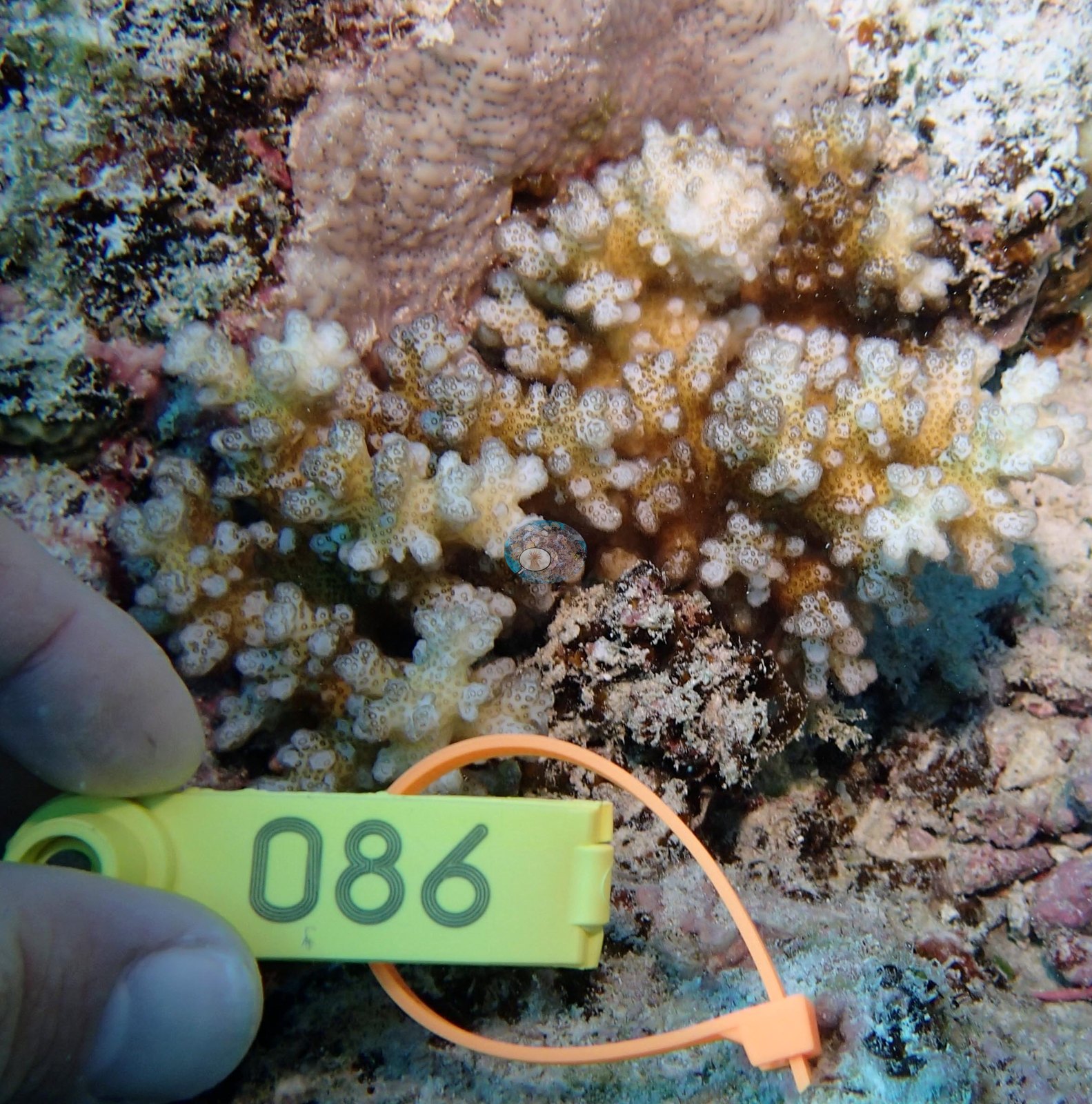
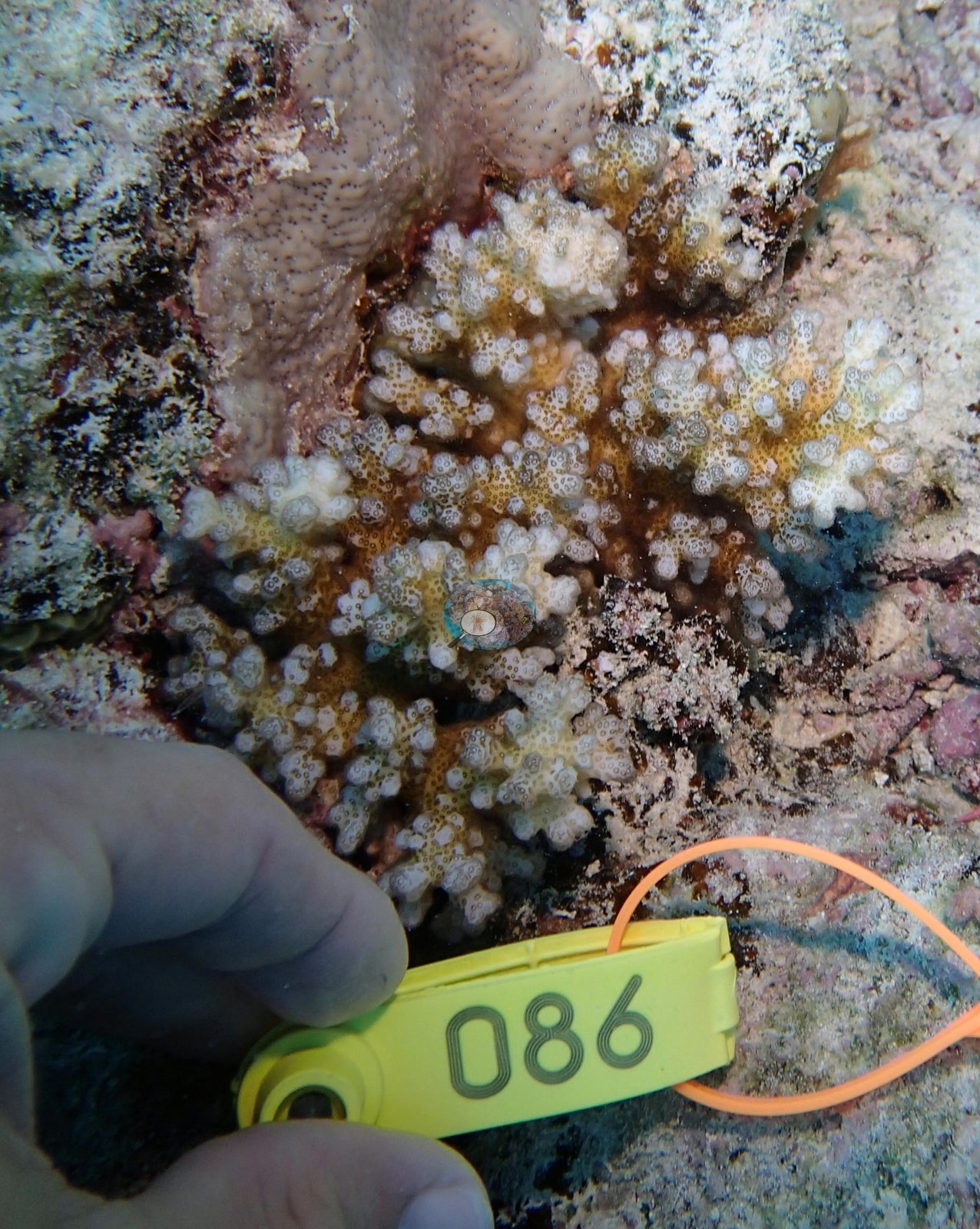
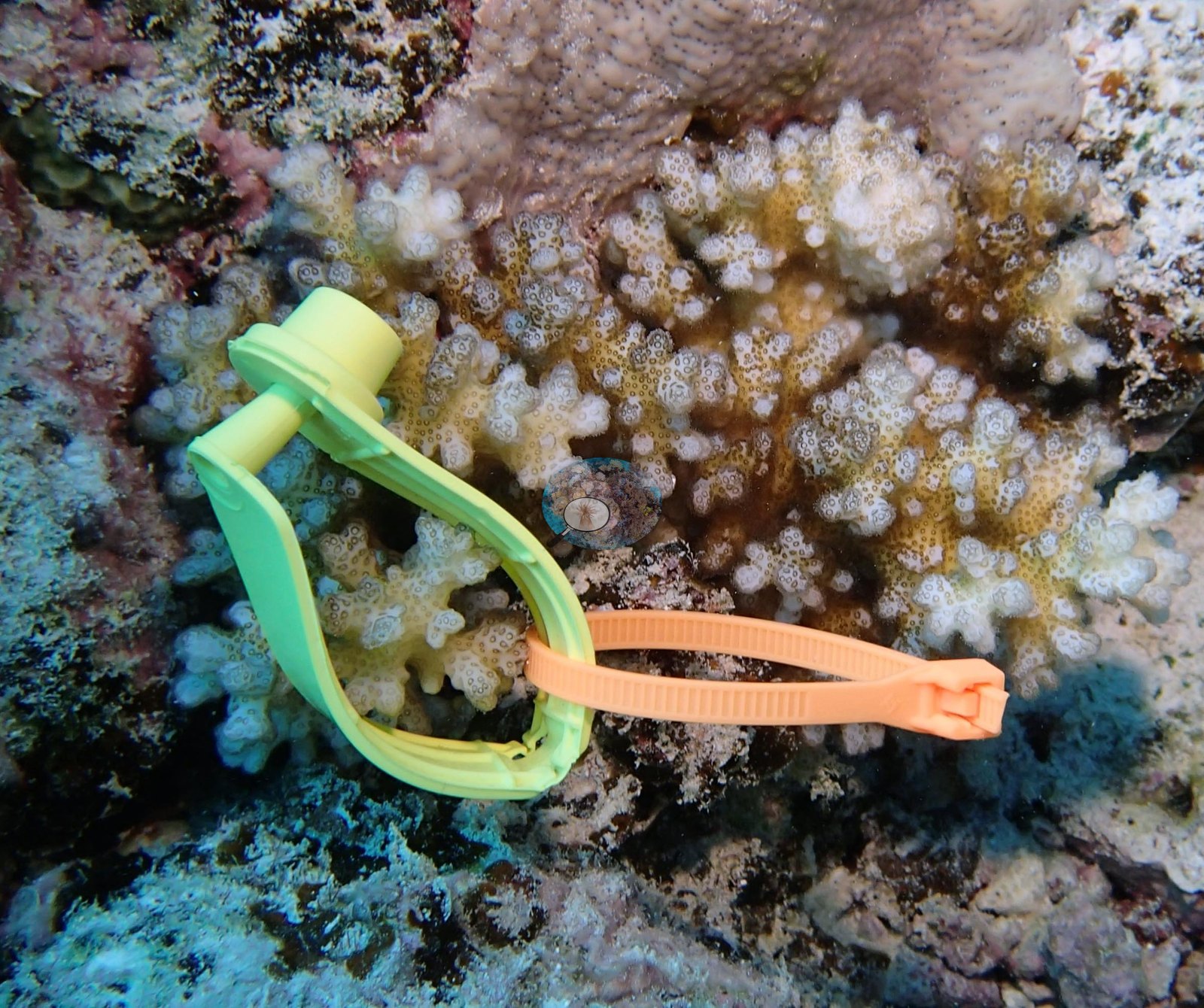
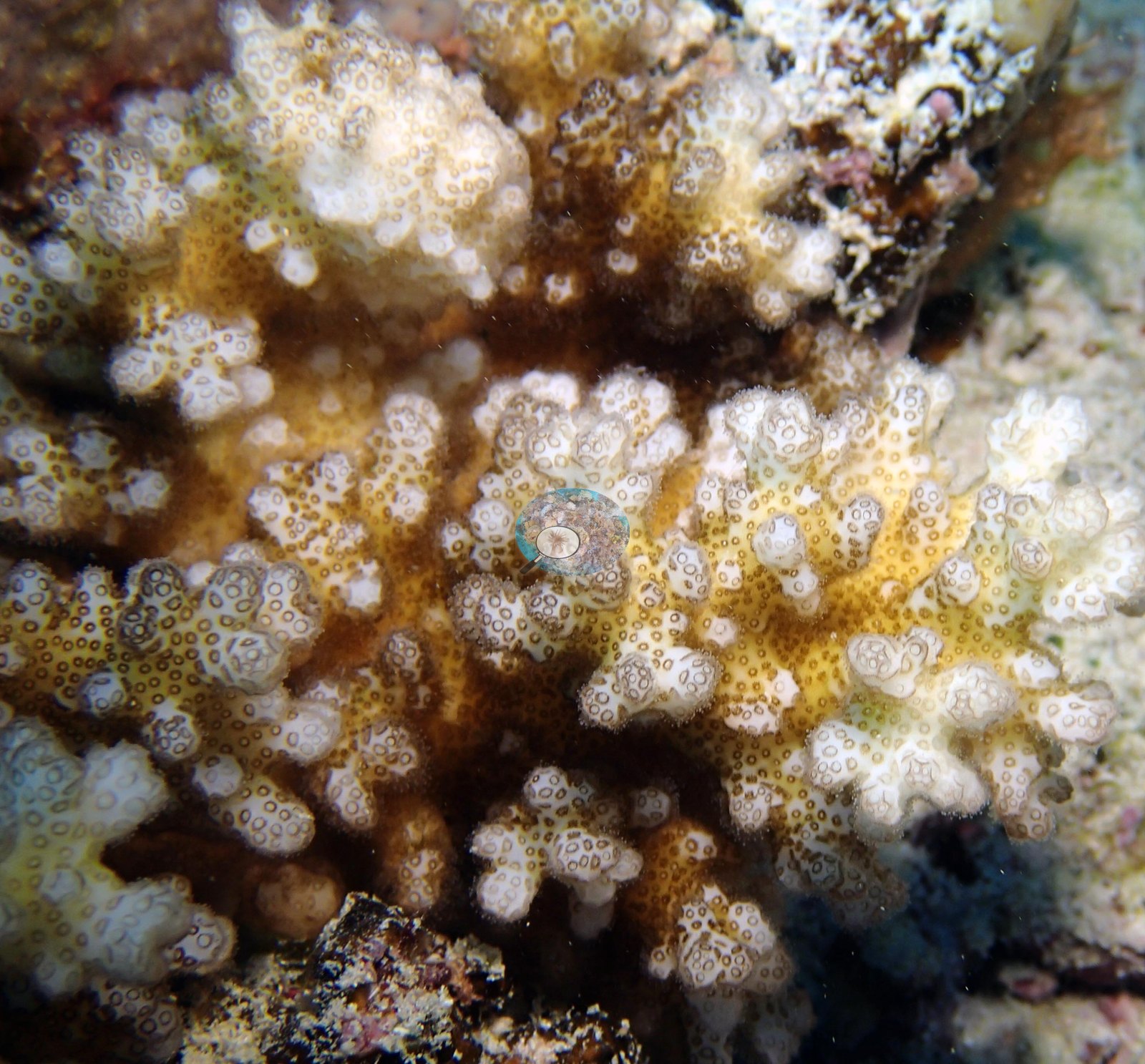
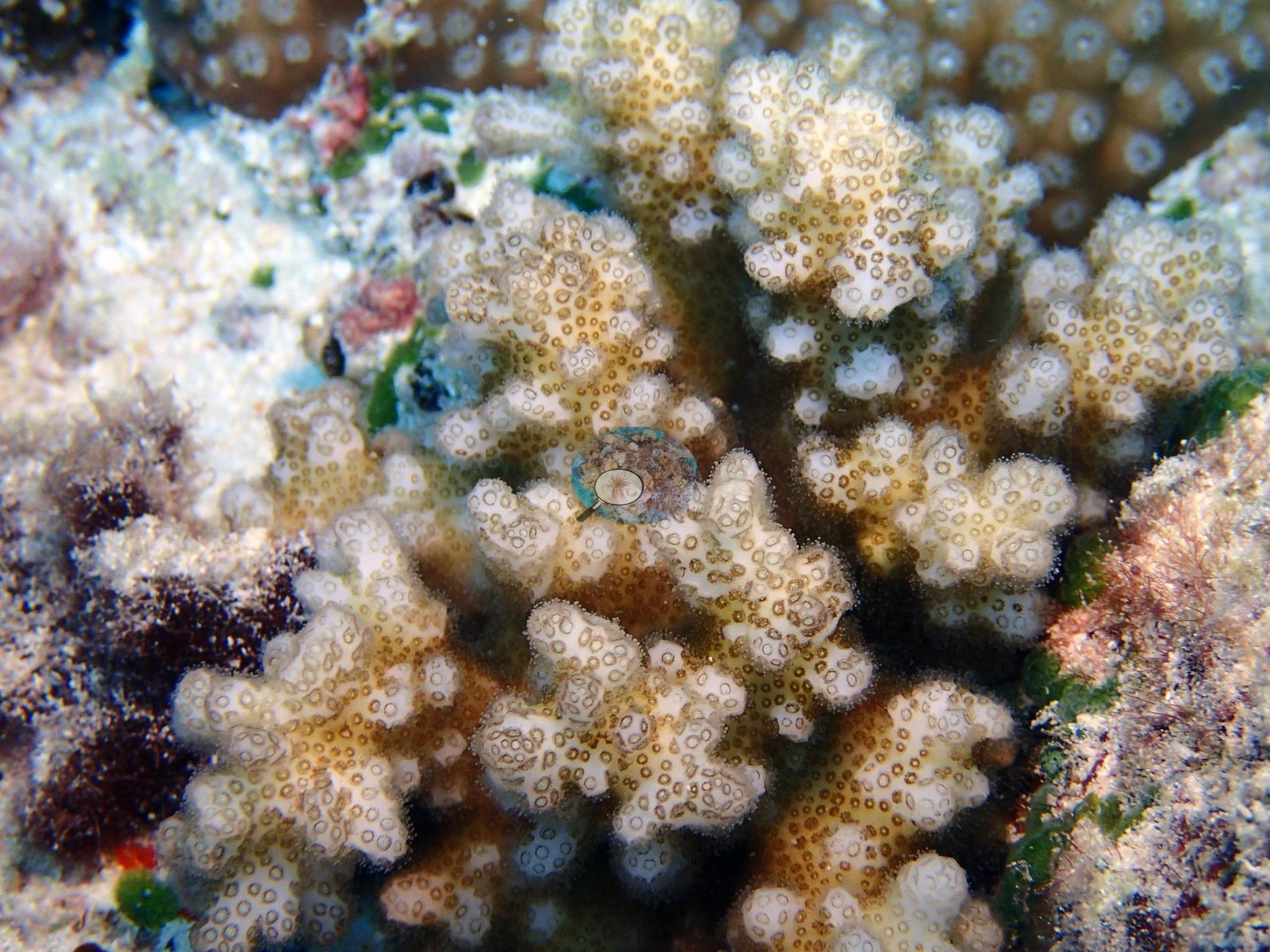
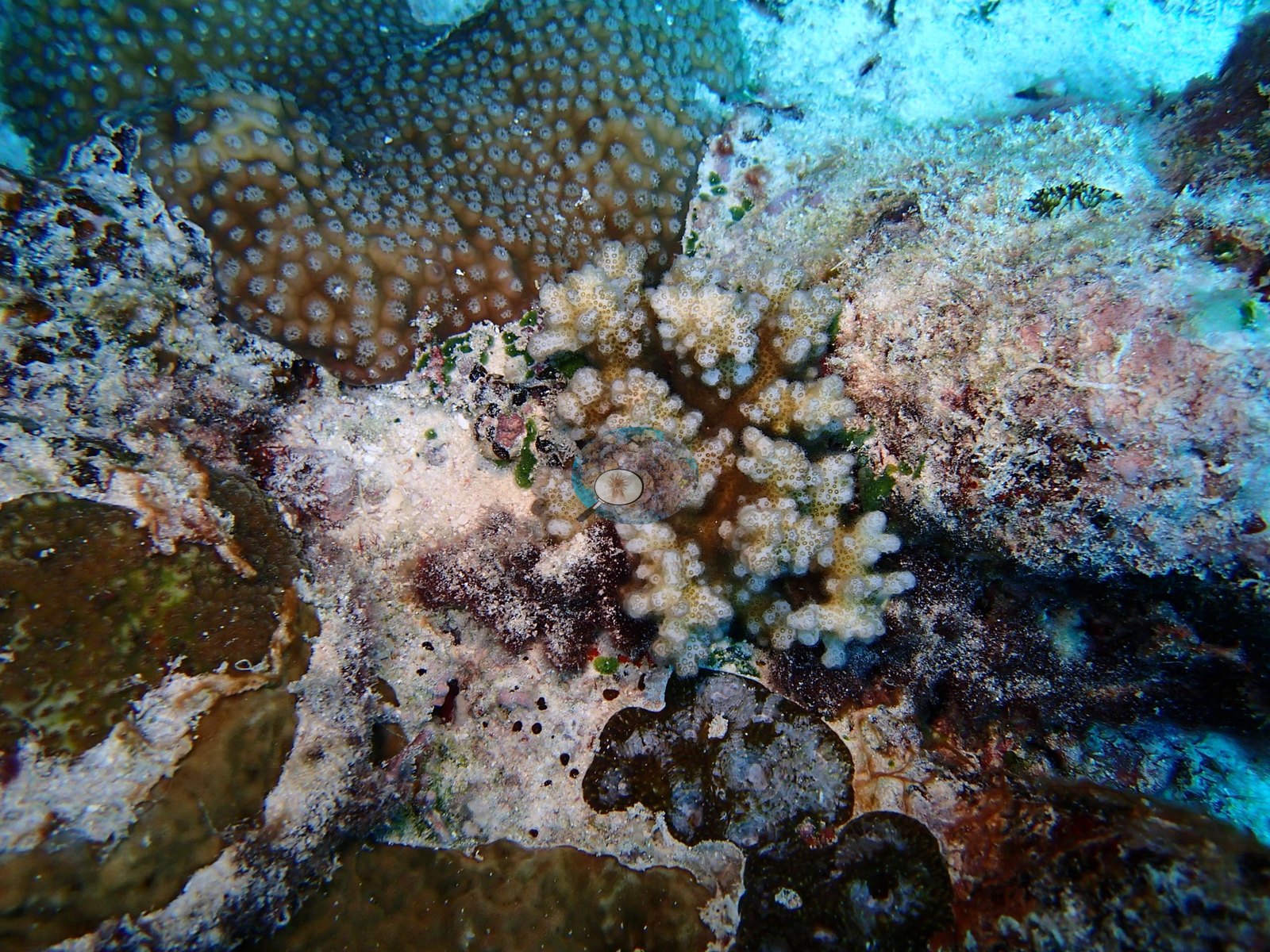
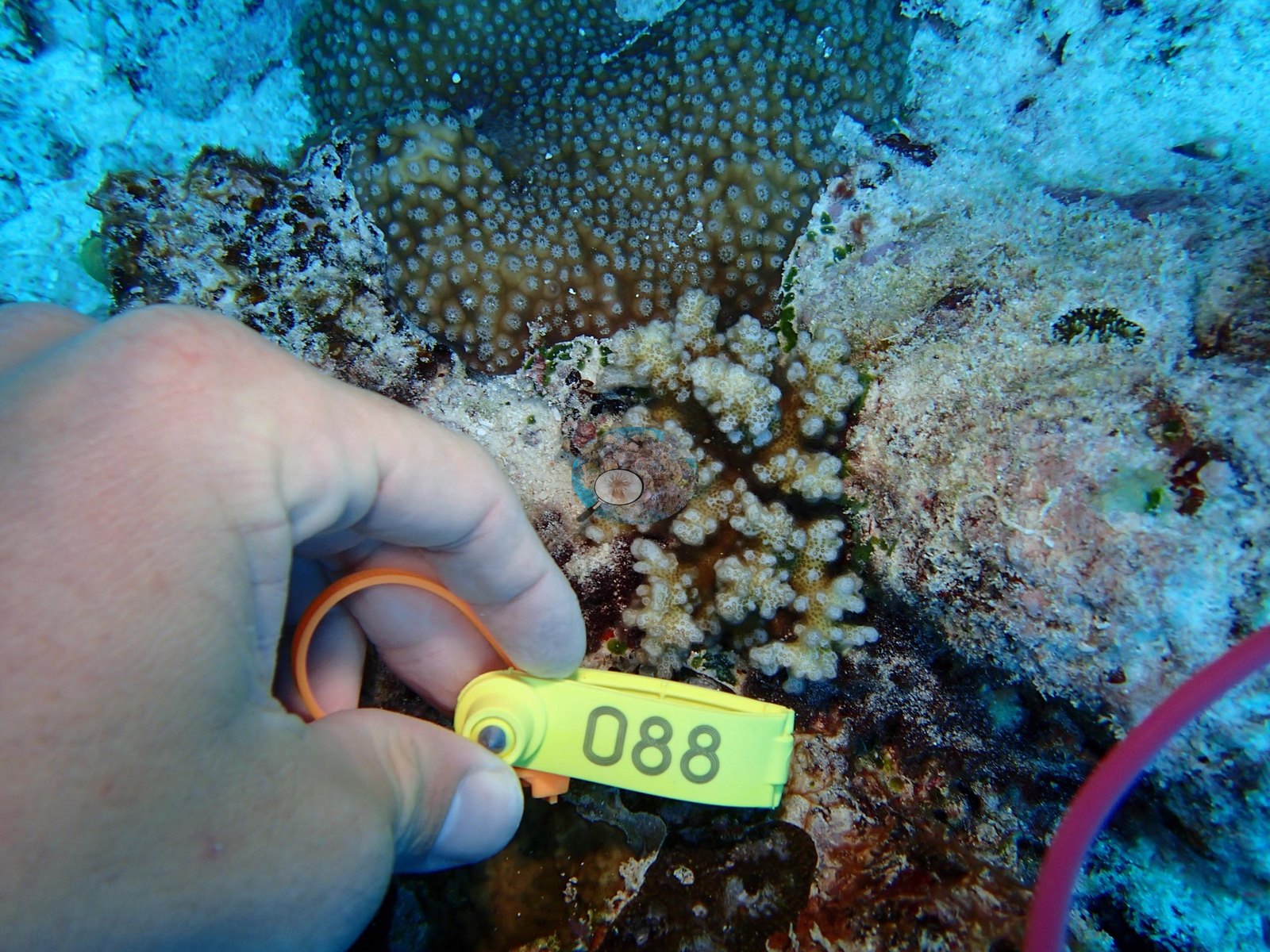
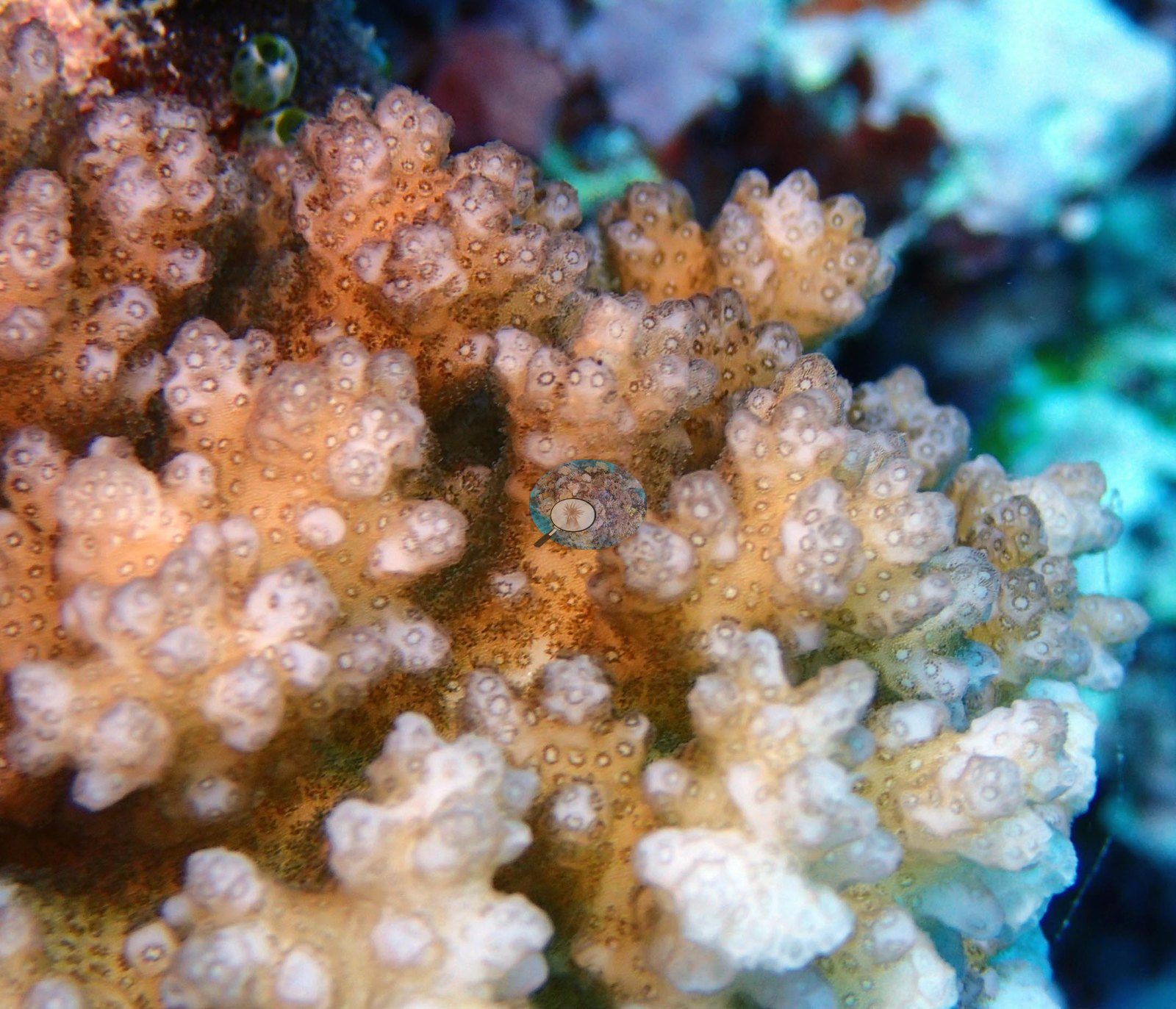
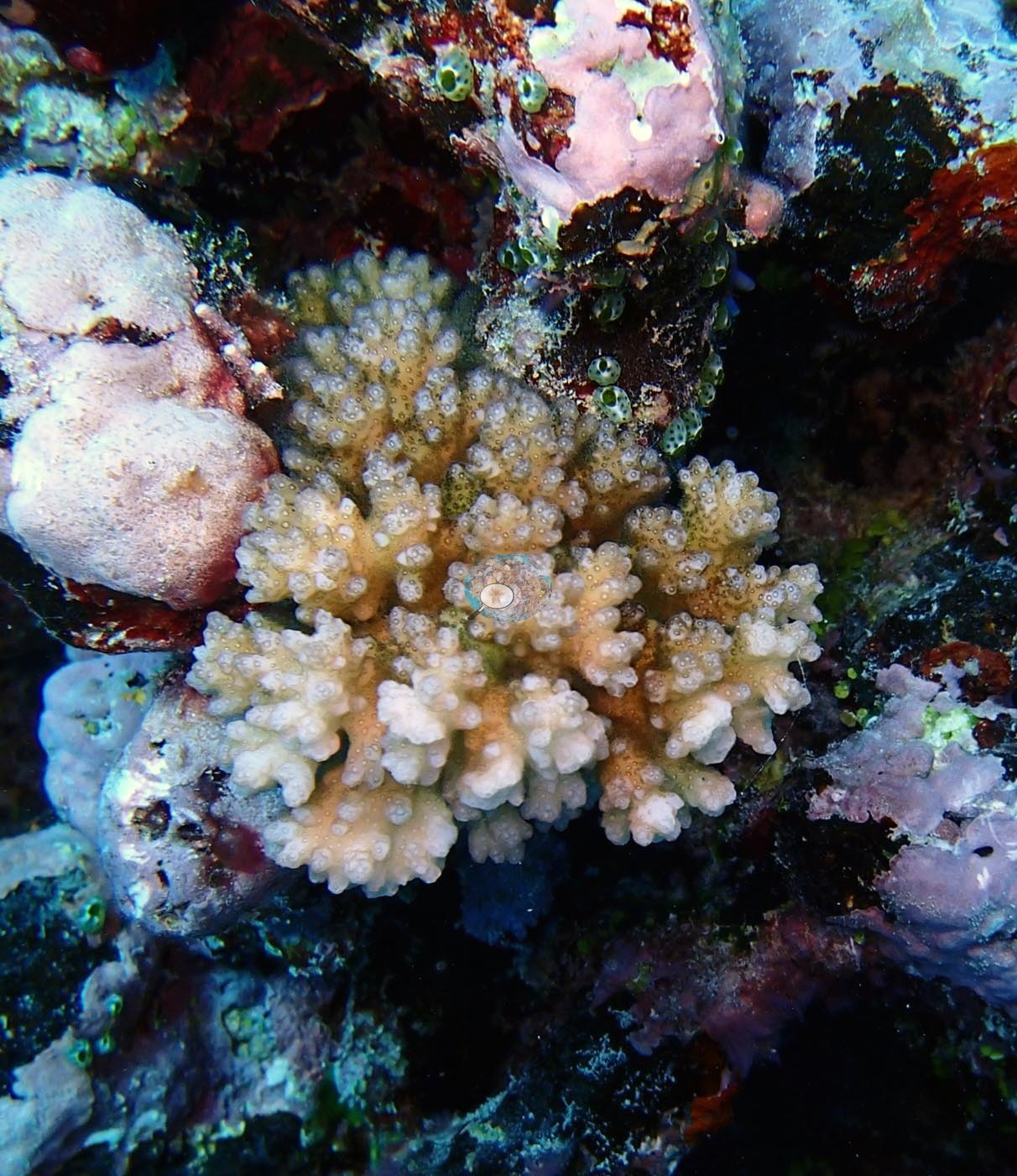
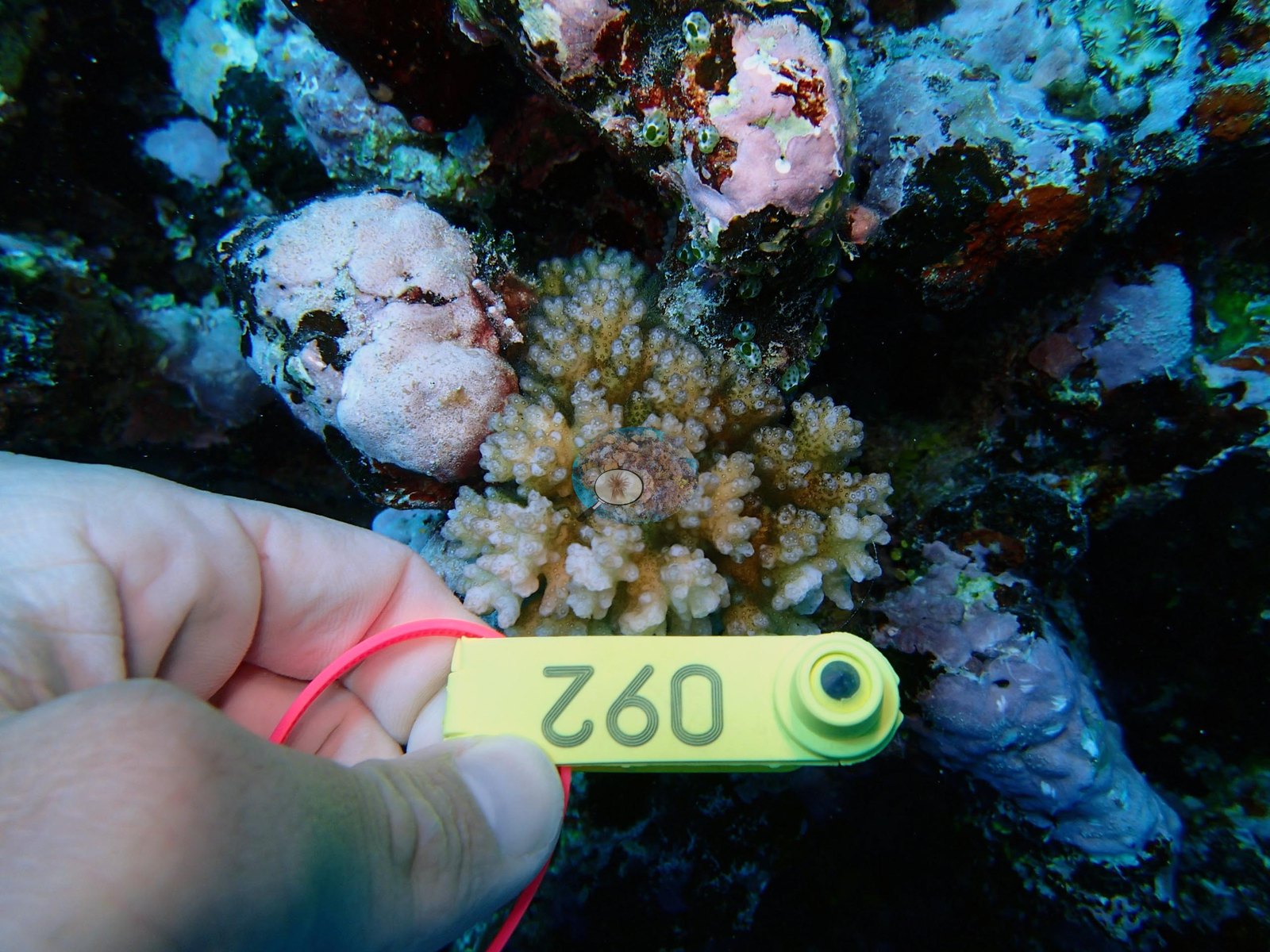
The photographs from this dive are wide-angle reef frames and they are worth reading, but with one boundary stated up front: all eight are brightly sunlit, blue-water frames from a dive that went no deeper than 11.9 m (the 35.7 m figure is the station CTD cast, not a dive or survey depth). Three Pocillopora colonies were tagged and sampled here (numbered tags), and they photograph as pale cream-to-tan branching colonies with polyps extended; they are individual sampling records, not a description of the reef.
Data & links
- Download benthic survey data (CSV) ↗
- Download all LOF-GRE data (933 sites) ↗
- Photo portfolio ↗
- Coral Reef Diagnostics region page ↗
All images from Coral Reef Diagnostics. Data are from the Khaled bin Sultan Living Oceans Foundation Global Reef Expedition, Coral Reef Diagnostics, and NOAA Coral Reef Watch.
 © Coral Reef Diagnostics.