
Part of the regional summaries: Tonga - Ha'apai and Tonga

More info
Southern Tonga (NOAA CRW virtual station)A lagoon patch reef in Ha'apai where the shallows are carpeted with turf, soft corals, and zoanthids, and coral cover peaks at 30-40% around 20 m with table Acropora and plating corals some 3-4 m across. About 2-5% of the table corals and Pocillopora showed signs of white syndrome, and turf algae covered much of the mid and deeper reef. Surveyed on the Living Oceans Foundation's Global Reef Expedition.
Ko ha kiʻi hakau ʻi he namo (lagoon patch reef) ʻi Haʻapai, ʻoku ʻufiʻufi ai ʻa e feituʻu mamaha ʻe he limu nounou (turf), feo molū (soft corals), mo e zoanthid, pea ʻoku māʻolunga taha ʻa e ʻufiʻufi ʻe he feo (coral cover) ʻi he 30-40% ʻi he meimei 20 m, mo e Acropora fakatēpile (table) mo e ngaahi feo fakapaleti (plating) ʻoku meimei 3-4 m hono fālahi. Naʻe hā ʻi he meimei 2-5% ʻo e ngaahi feo fakatēpile mo e Pocillopora ʻa e ngaahi fakaʻilonga ʻo e mahaki white syndrome, pea naʻe ʻufiʻufi ʻe he limu nounou (turf algae) ʻa e lahi ʻo e hakau loto mo loloto.
AI translation of this summary; the English is authoritative. (low confidence)
CTD-cast midpoint of 24.1–24.2°C
Three other CRD dive sites with their own pages within 5 km shown in orange — click a marker to open its page.
This page shows 50 of the 51 photographs from this site, including every one the text cites.
Site description
Setting
Lagoonal patch reef. Low relief wide spurs with 20-40 cm relief. These slope from 3-4 m moderately steeply to 22 m, then a second reef system extends from the sand up to 20 m, slopes very gradually seaward to 23 m, then drops steeply to 30 m, ending in sand rubble at 31-33 m. The sand flat continues sloping seaward very gradually.
General benthic features
Shallows at 10 m have 10-15% live coral dominated by small massives especially Goniastrea and Platygyra and high numbers of small Montipora, small Porites, Cyphastrea, and other species. Soft corals make up 20% of the cover, turf covers 40%, and zoanthids carpet 20% of the substrate. Mid depths are dominated by Acropora, Goniastrea, Lobophora, Astreopora, and crusts of Favia up to 1.5 m wide. High amounts of turf algae throughout mid and deeper areas (60%) and 10% cyanobacteria between 10-20 m (a by-eye estimate; the transects recorded 3.7%), which disappears at 25 m. At 20-30 m there are numerous table acroporids, medium sized Lobophyllia, Montipora plate, and Coscinaraea plates, some 3-4 m across.
Coral cover
- Reference: Khaled bin Sultan Living Oceans Foundation, Global Reef Expedition (in situ transect)
- Coral cover 25% (the expedition's in situ transects).
- Coral cover increases from 25% at 15 m to 30-40% at 20 m then declines progressively to 10% at 30 m.
- Coral Health Index 2.00/5 (Mayfield et al. 2021, Platax).
- Transect mean 25 ± 3.8% SE (n = 5 transects; Living Oceans Foundation per-transect benthic data); the headline above is this all-transect mean.
Stressors
Approximately 10% of the coral is dead in growth position. Between 2-5% of the table acroporids and Pocillopora show signs of white syndrome. The 2013 survey notes for this site record one Culcita cushion star (Khaled bin Sultan Living Oceans Foundation expedition site notes, 2013; regional summary in Bruckner 2014). The Living Oceans Foundation transects here recorded 3.7% cyanobacteria and no recently dead coral.
Fish and other fauna
Moderate numbers of sea cucumbers from 20-30 m.
Comparisons with other data
Apart from the Living Oceans Foundation survey shown here, we found no other surveys at this site as of 2026. If you would like to share yours, please email us.
Dive record
TOHA09 (Ha'apai): surveyed 14 Sep 2013 during the Khaled bin Sultan Living Oceans Foundation Global Reef Expedition.
Other notes
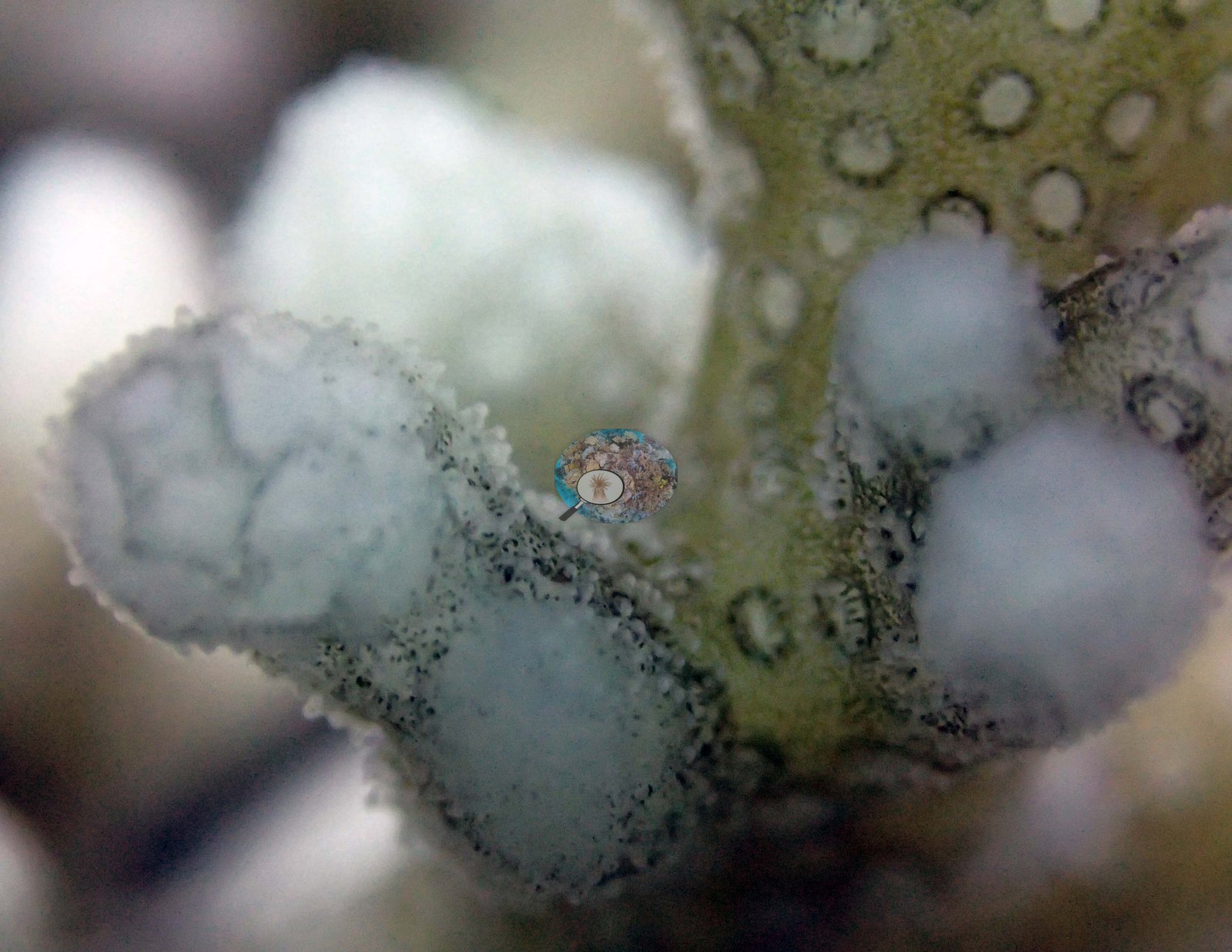
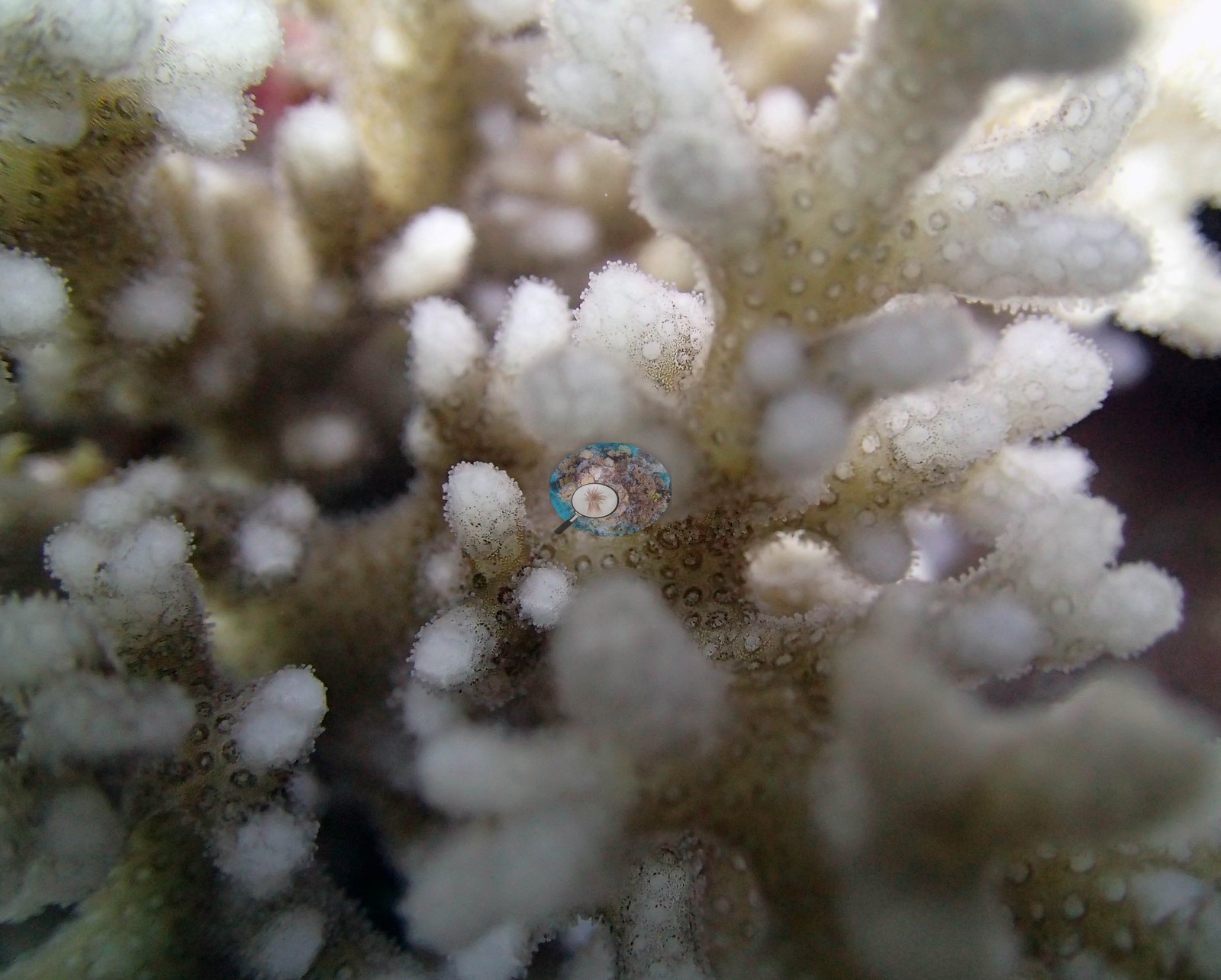
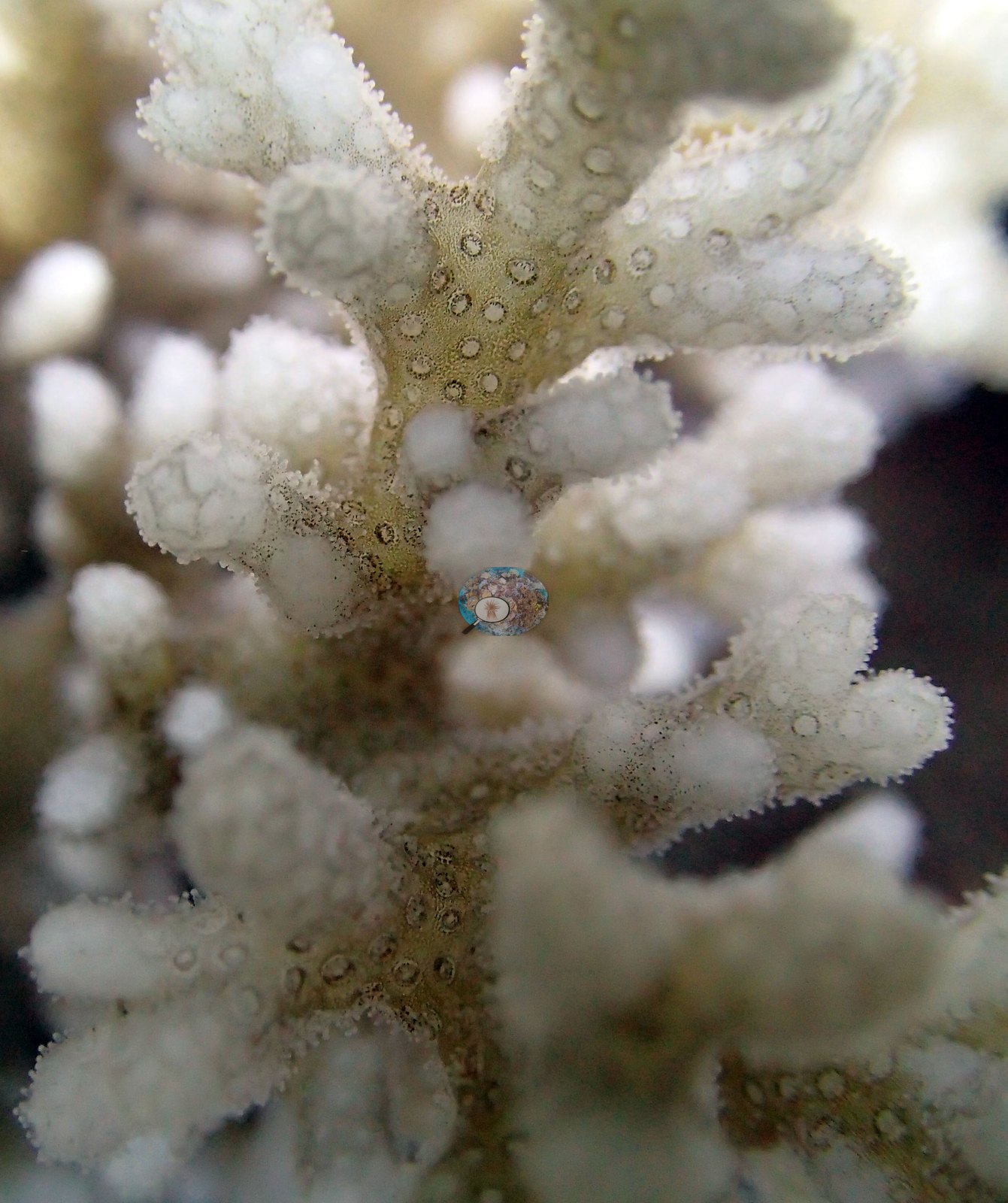
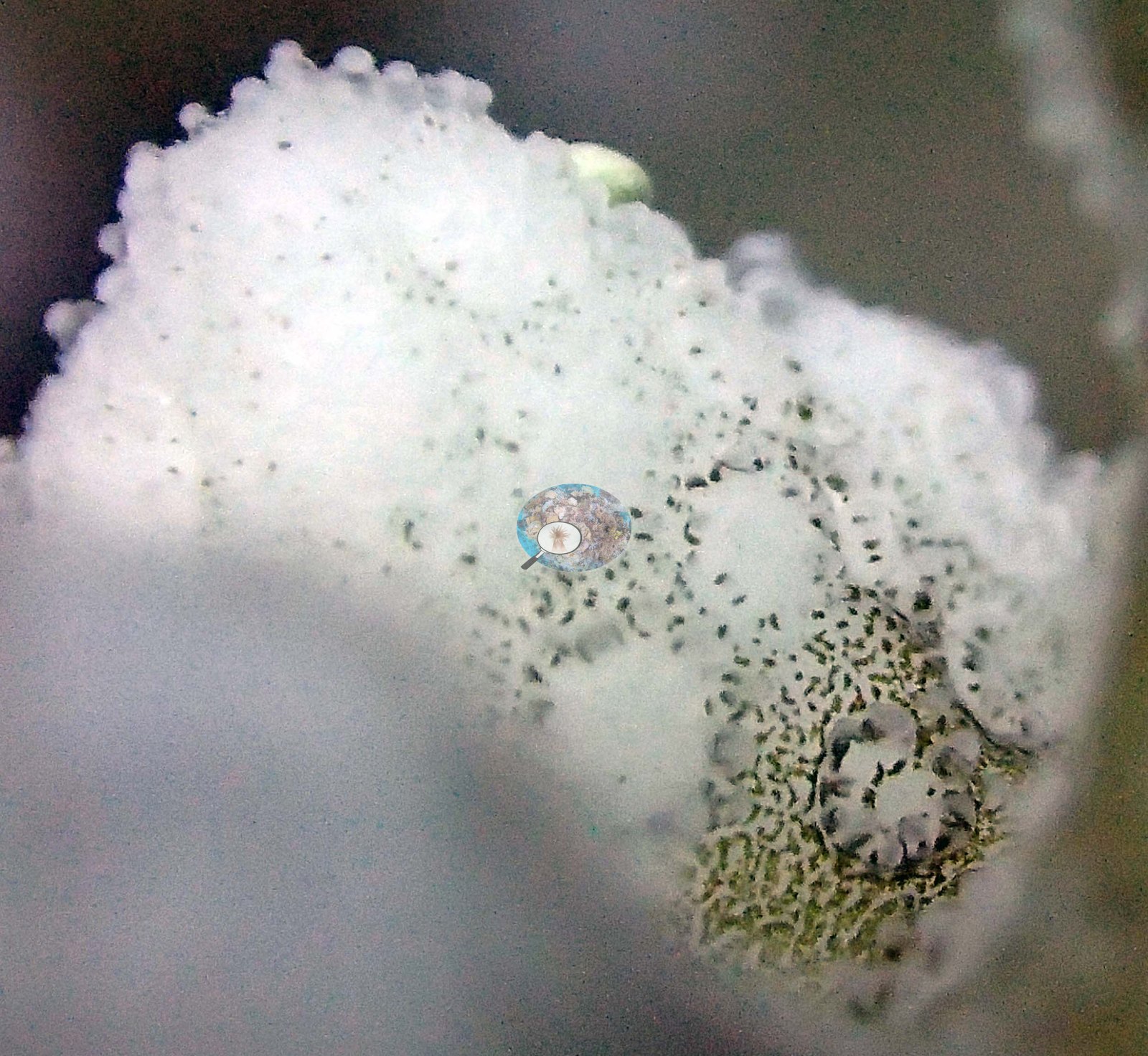
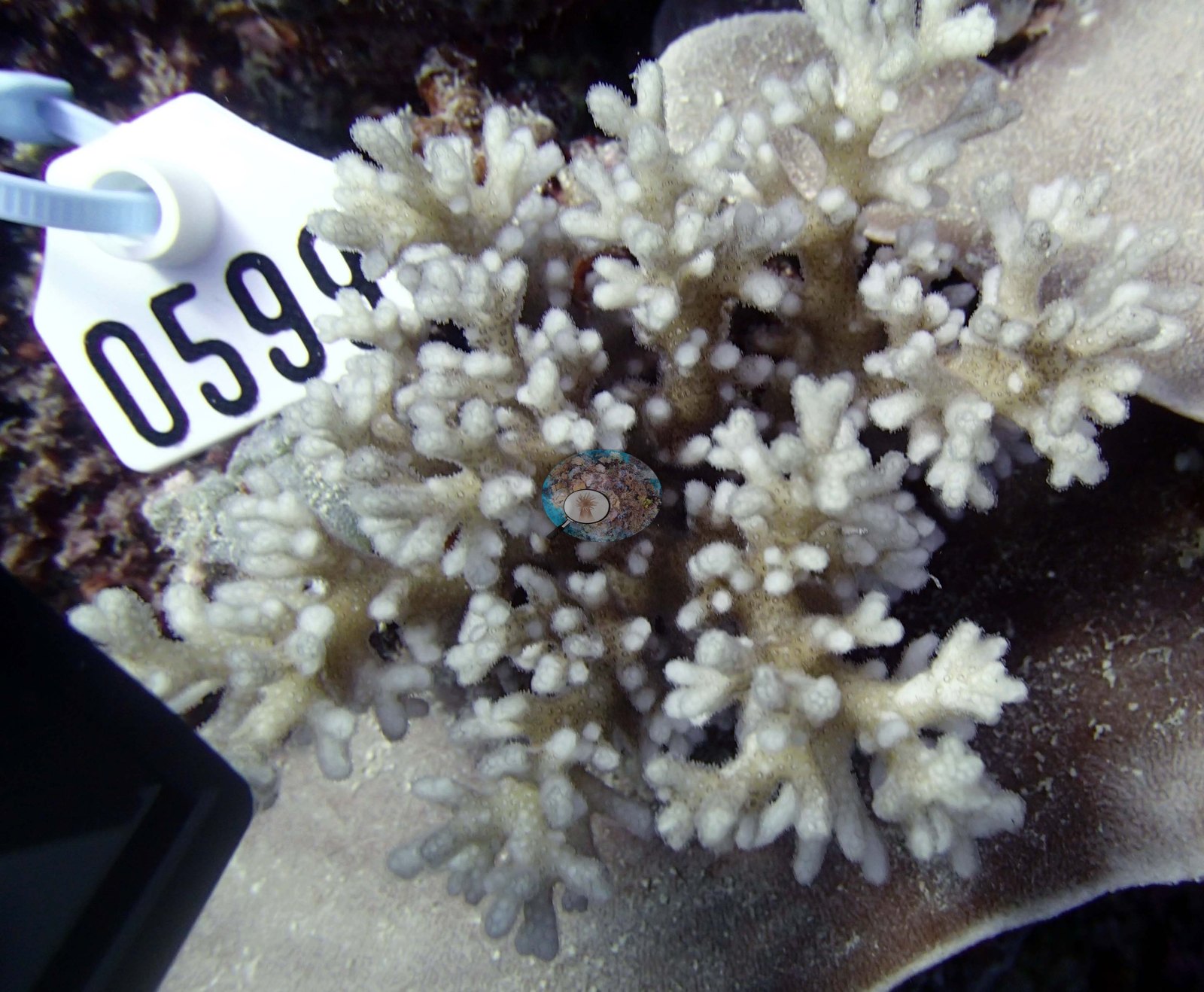
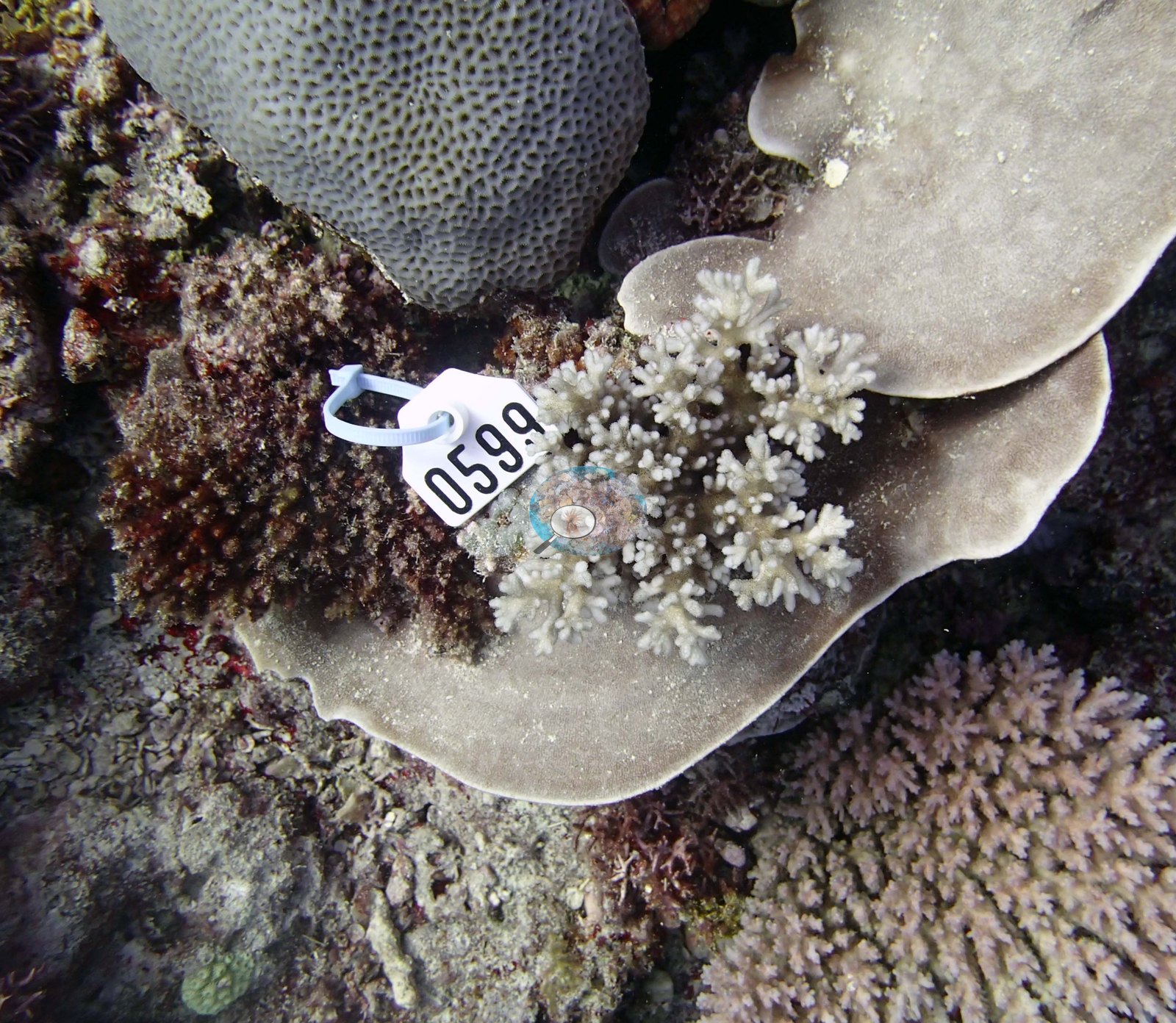
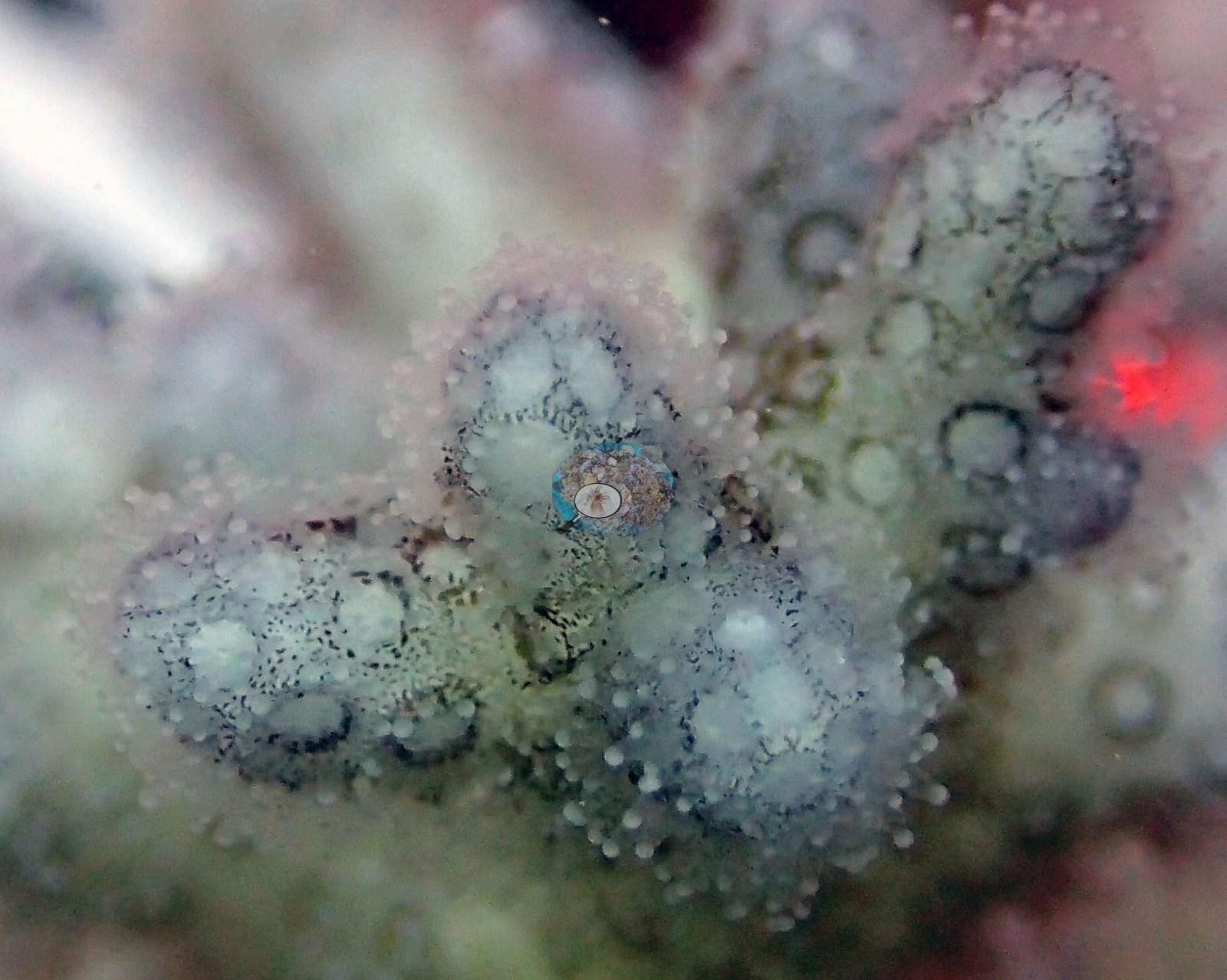
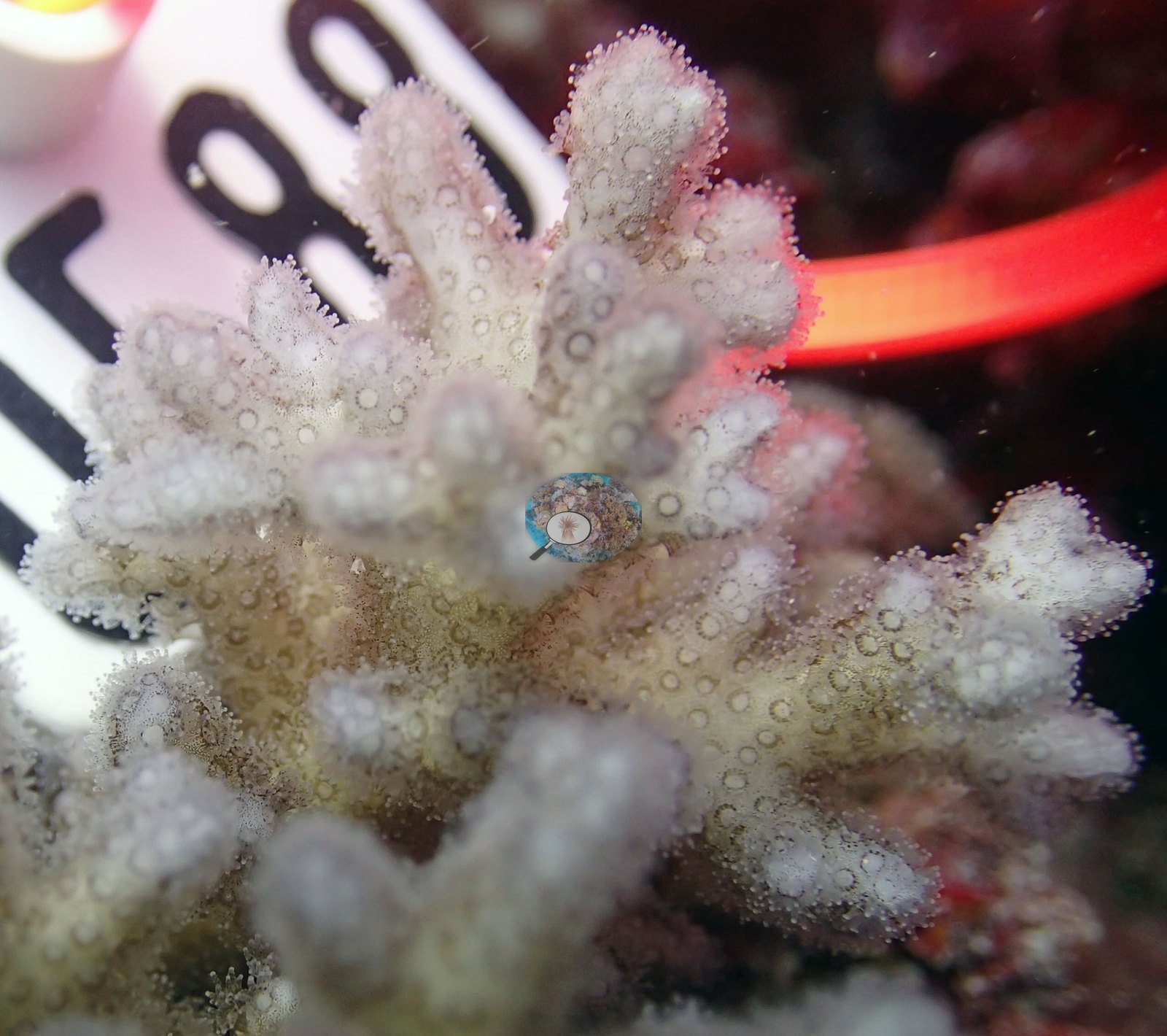
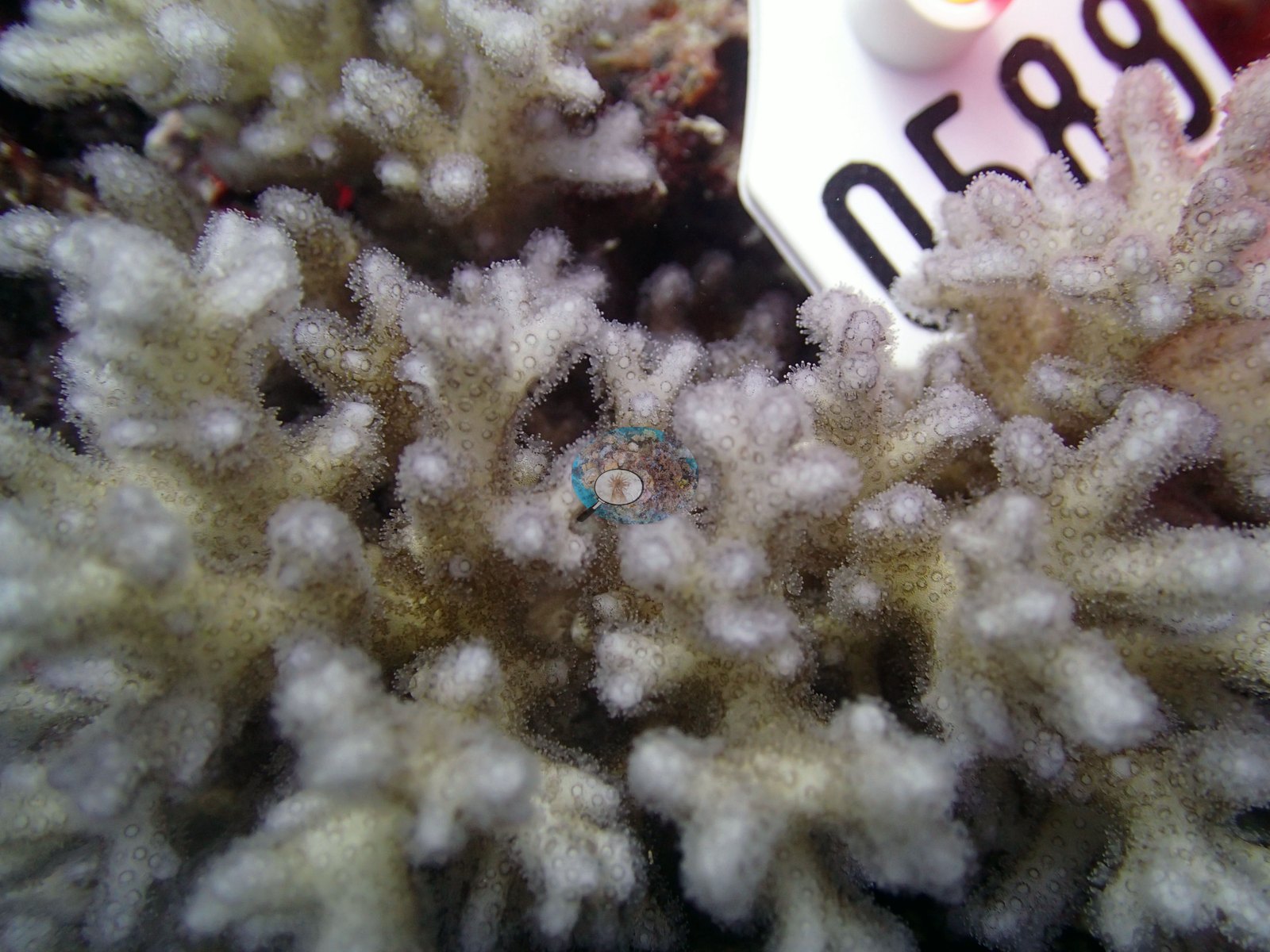
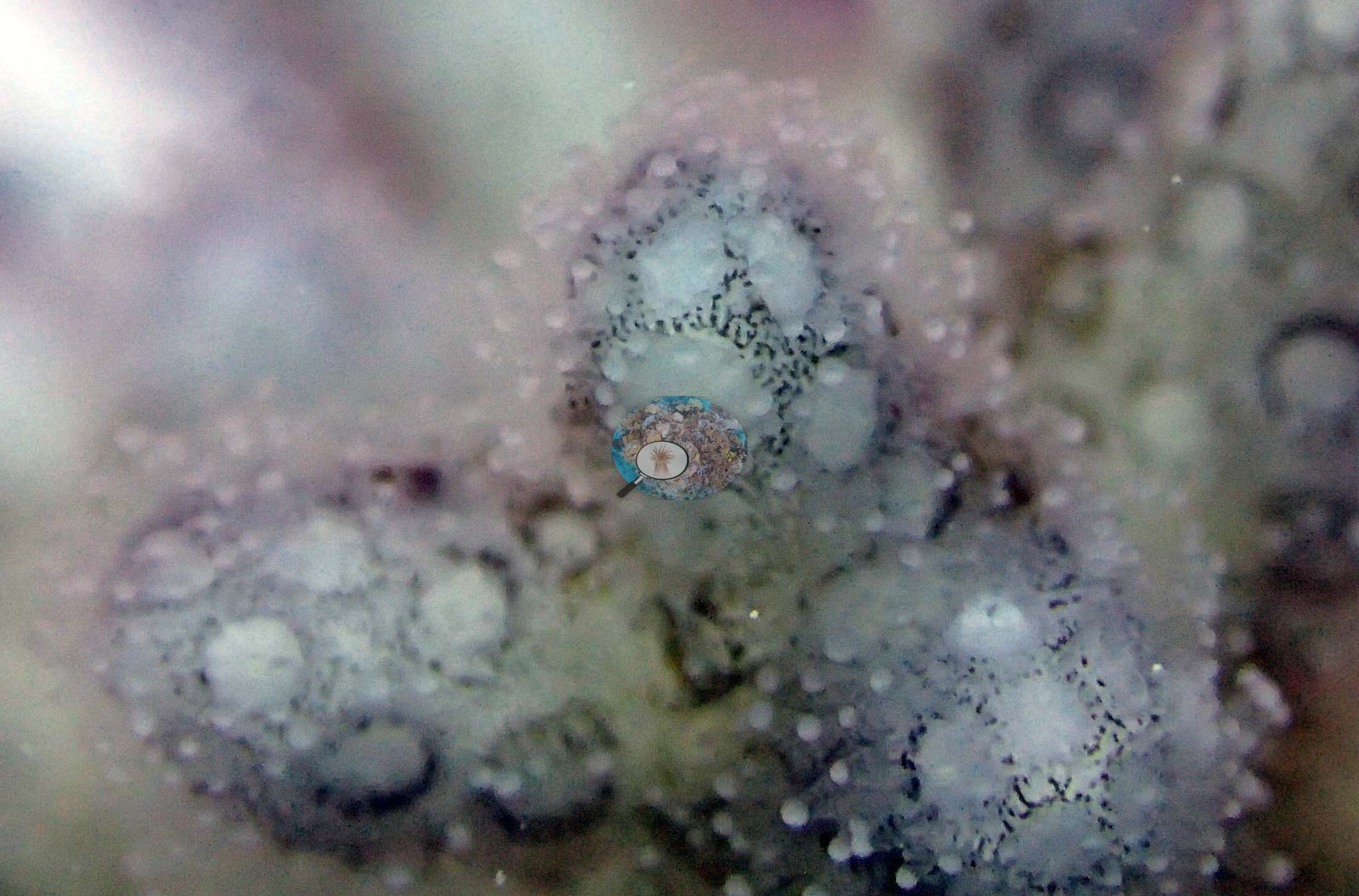
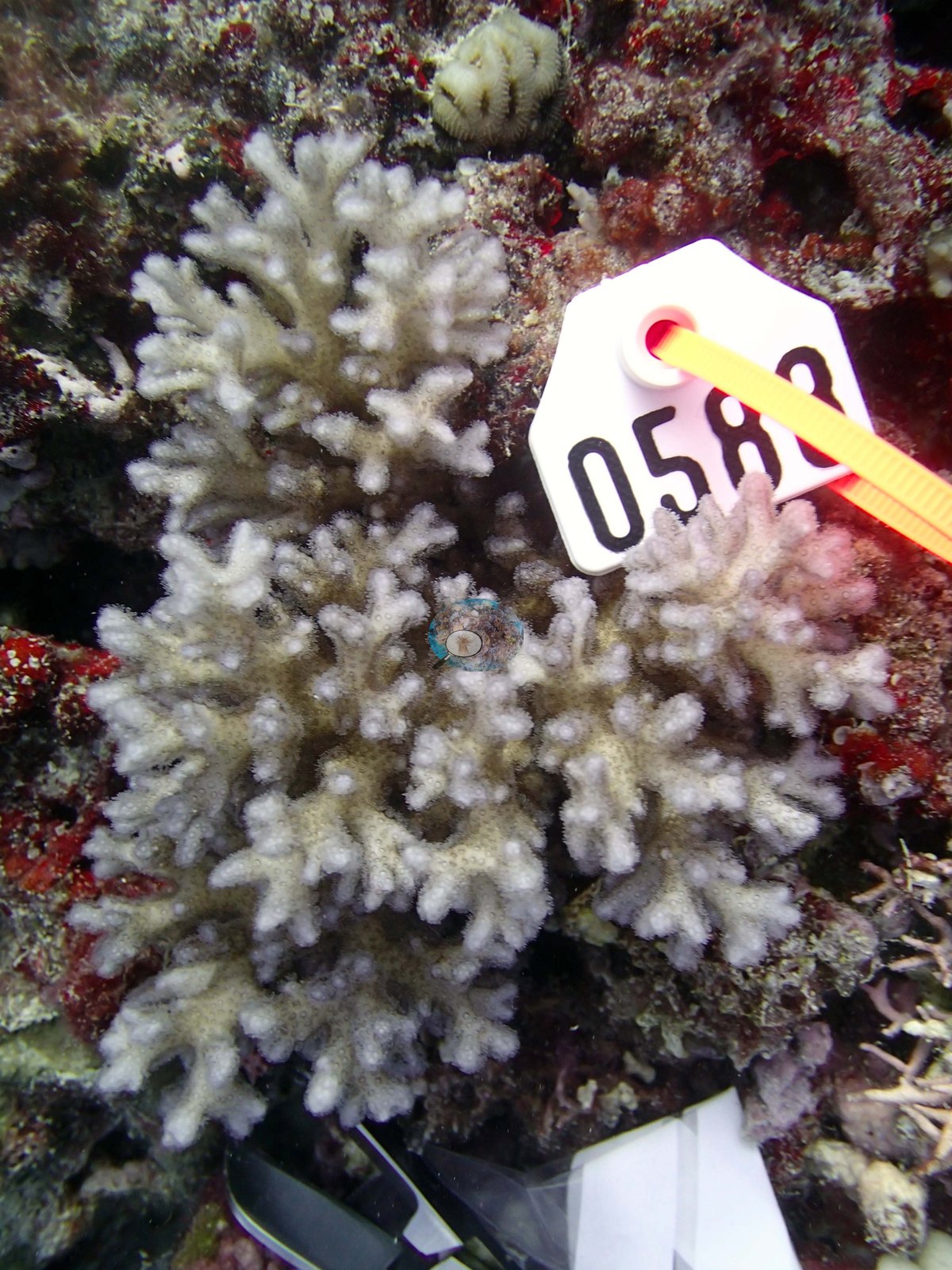
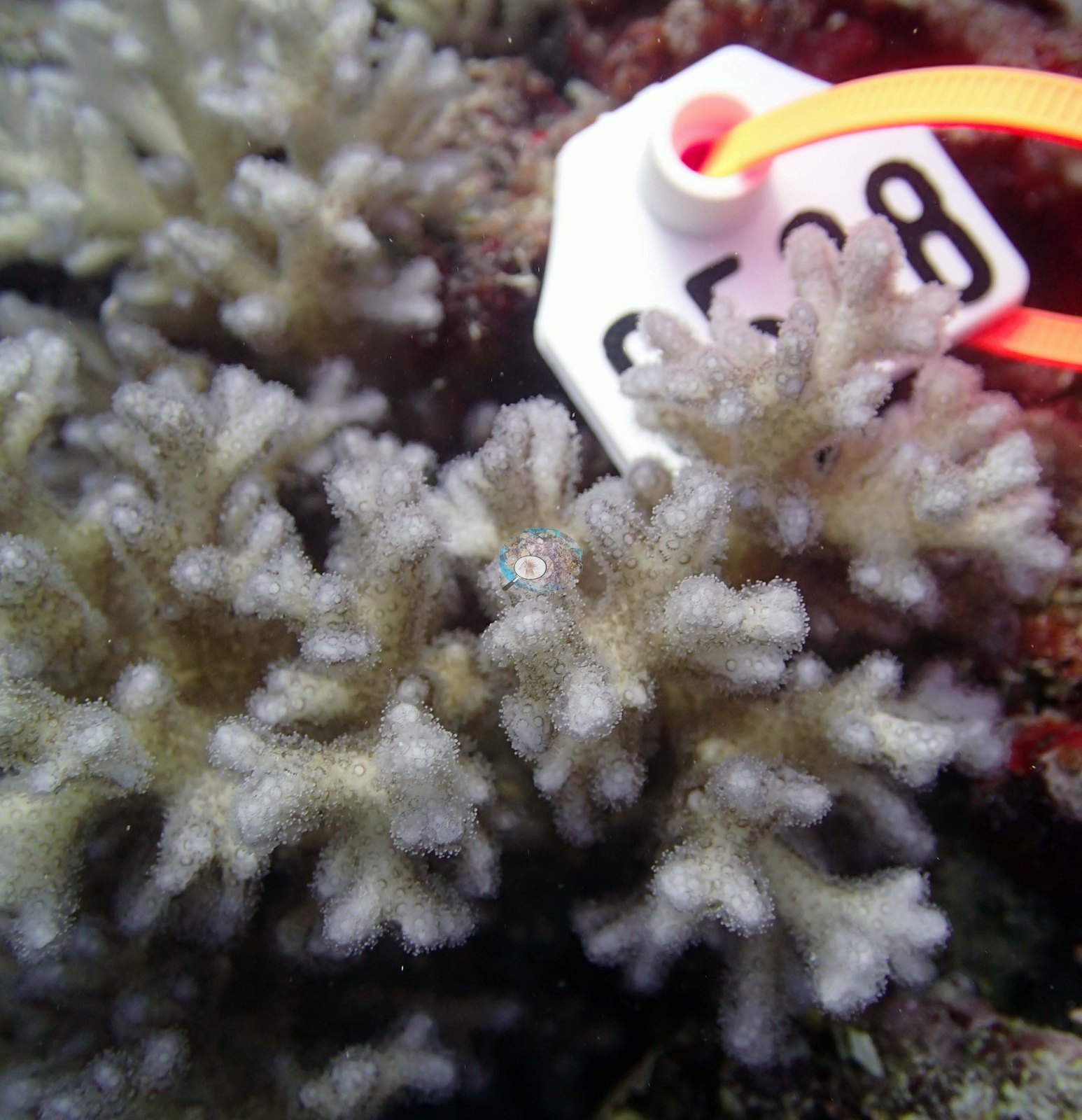
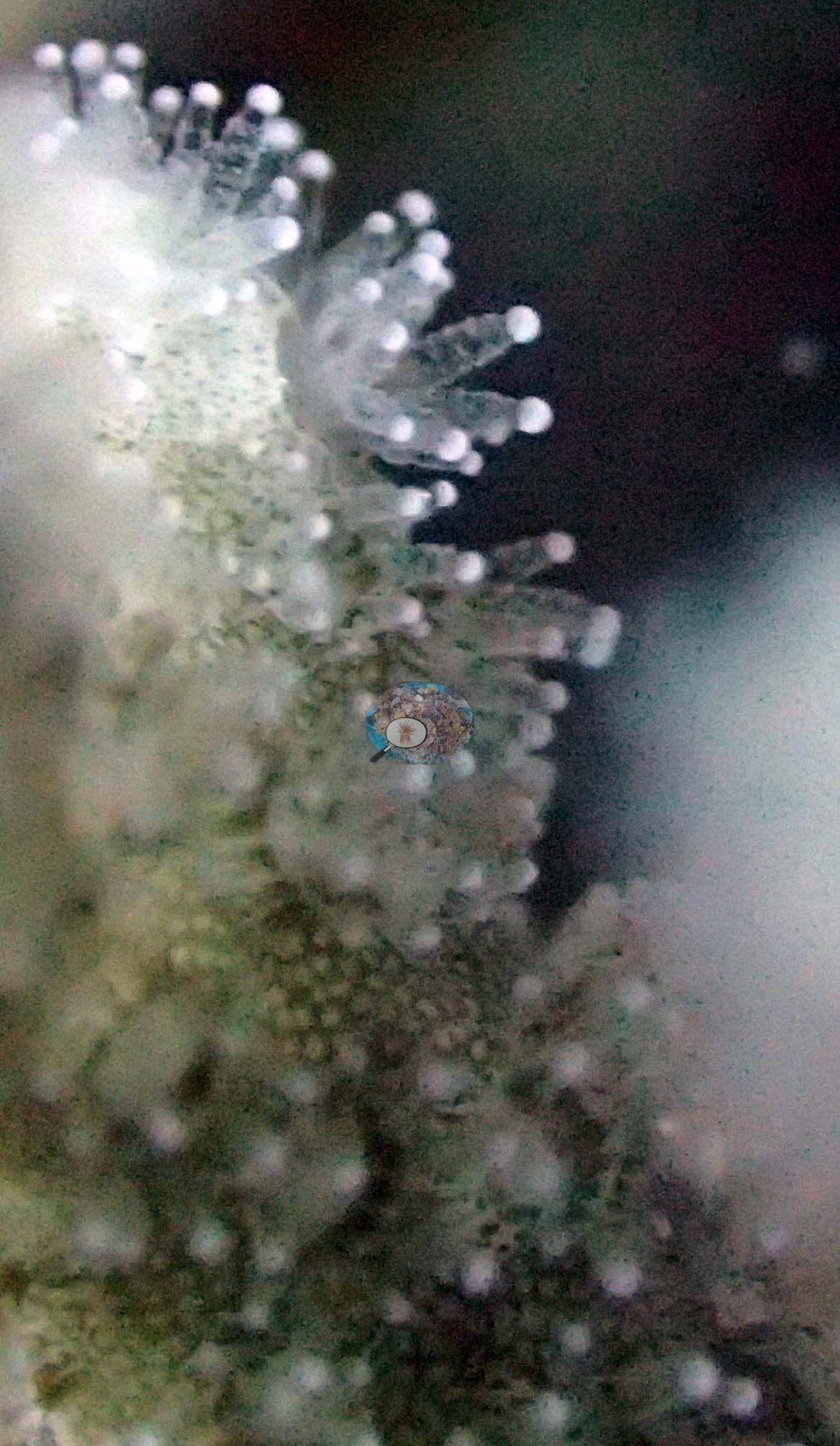
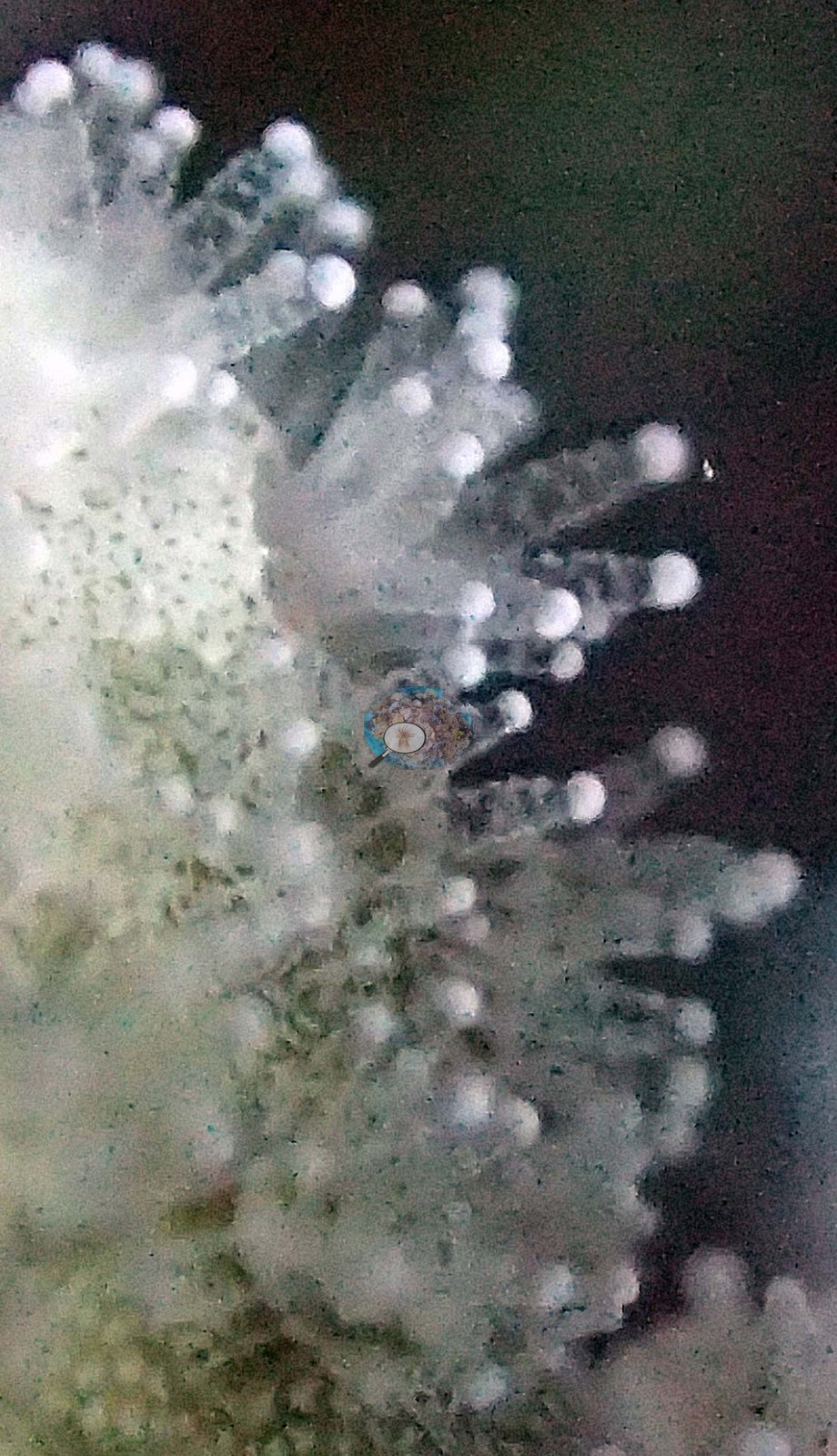
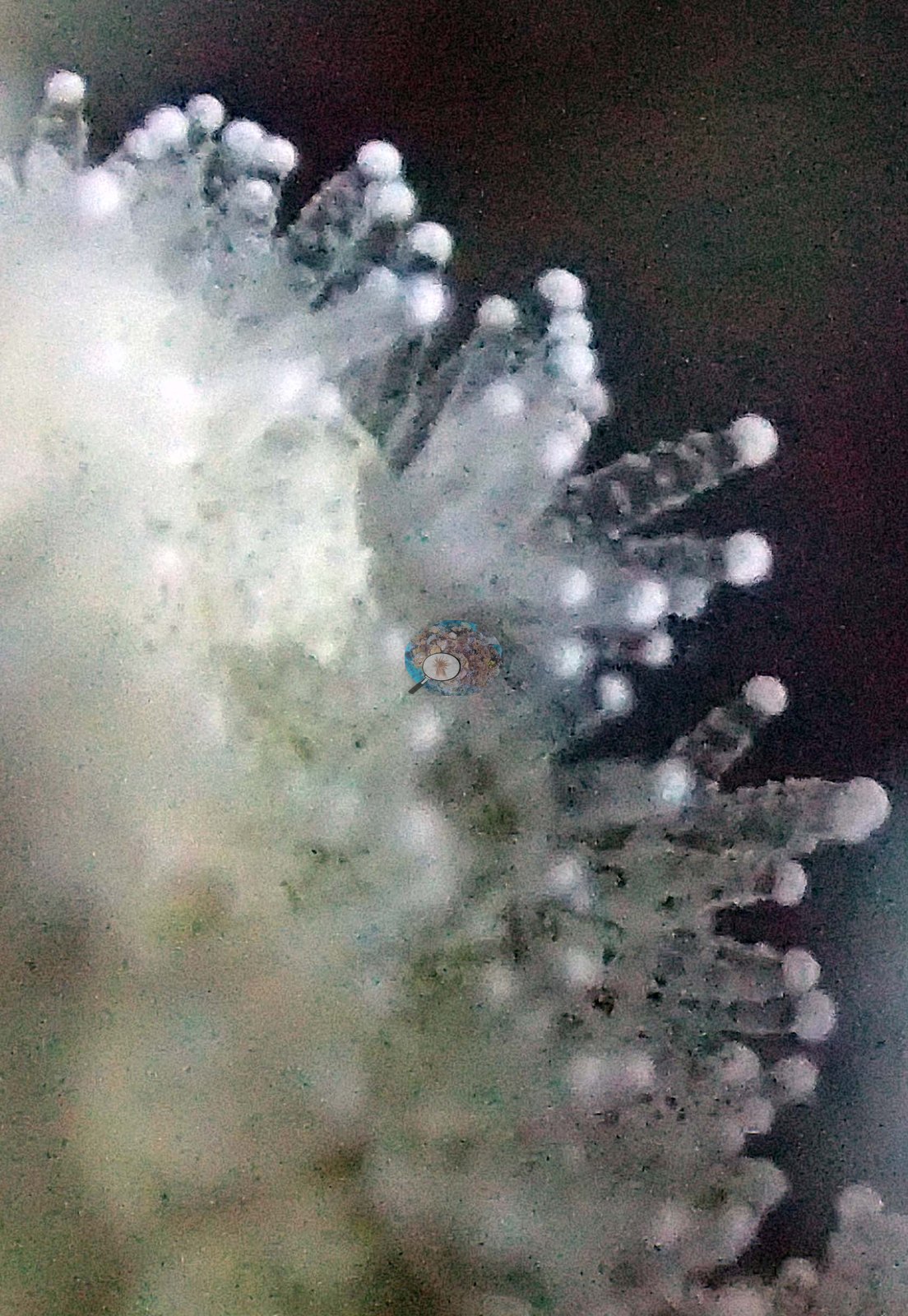
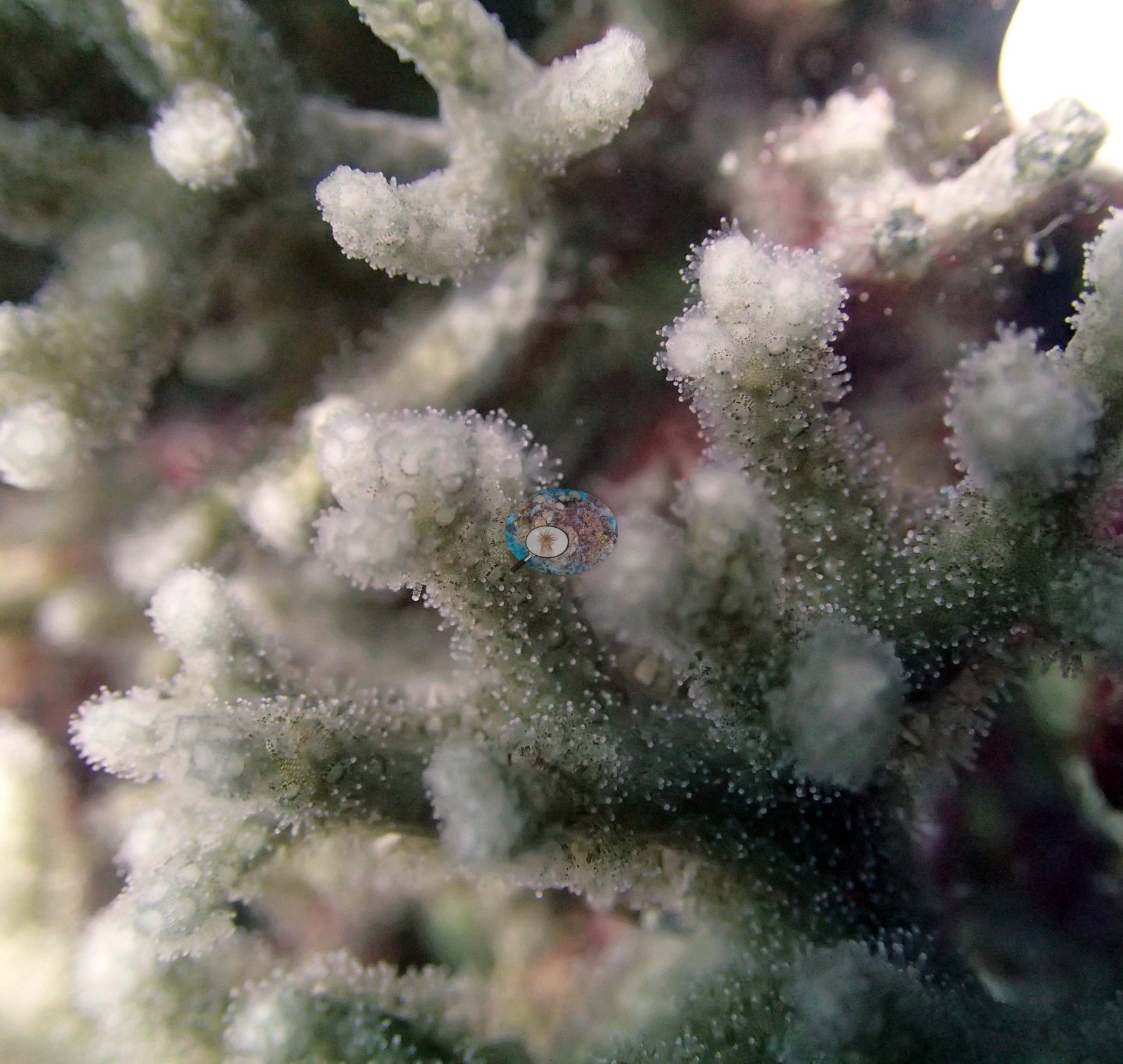
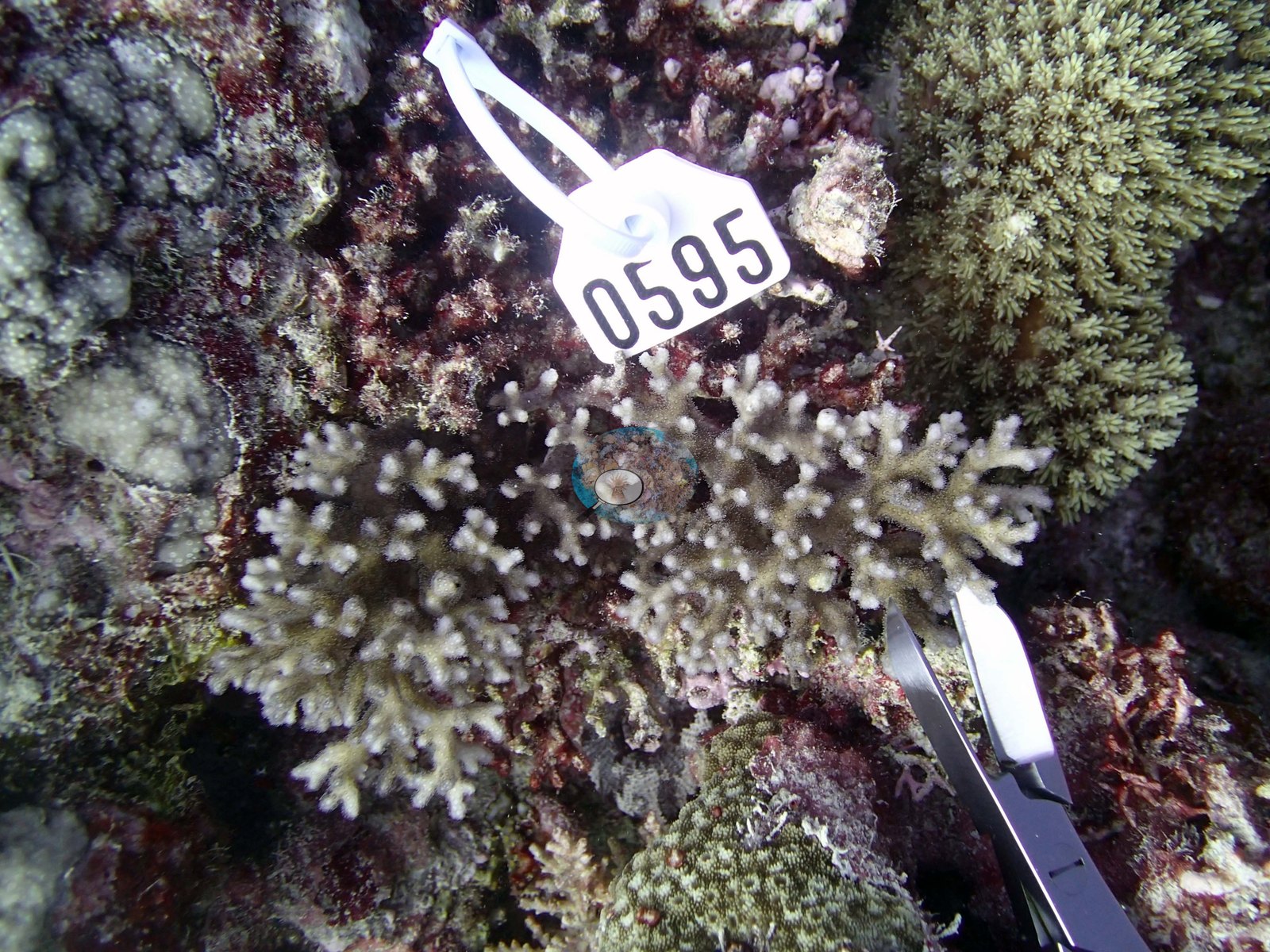
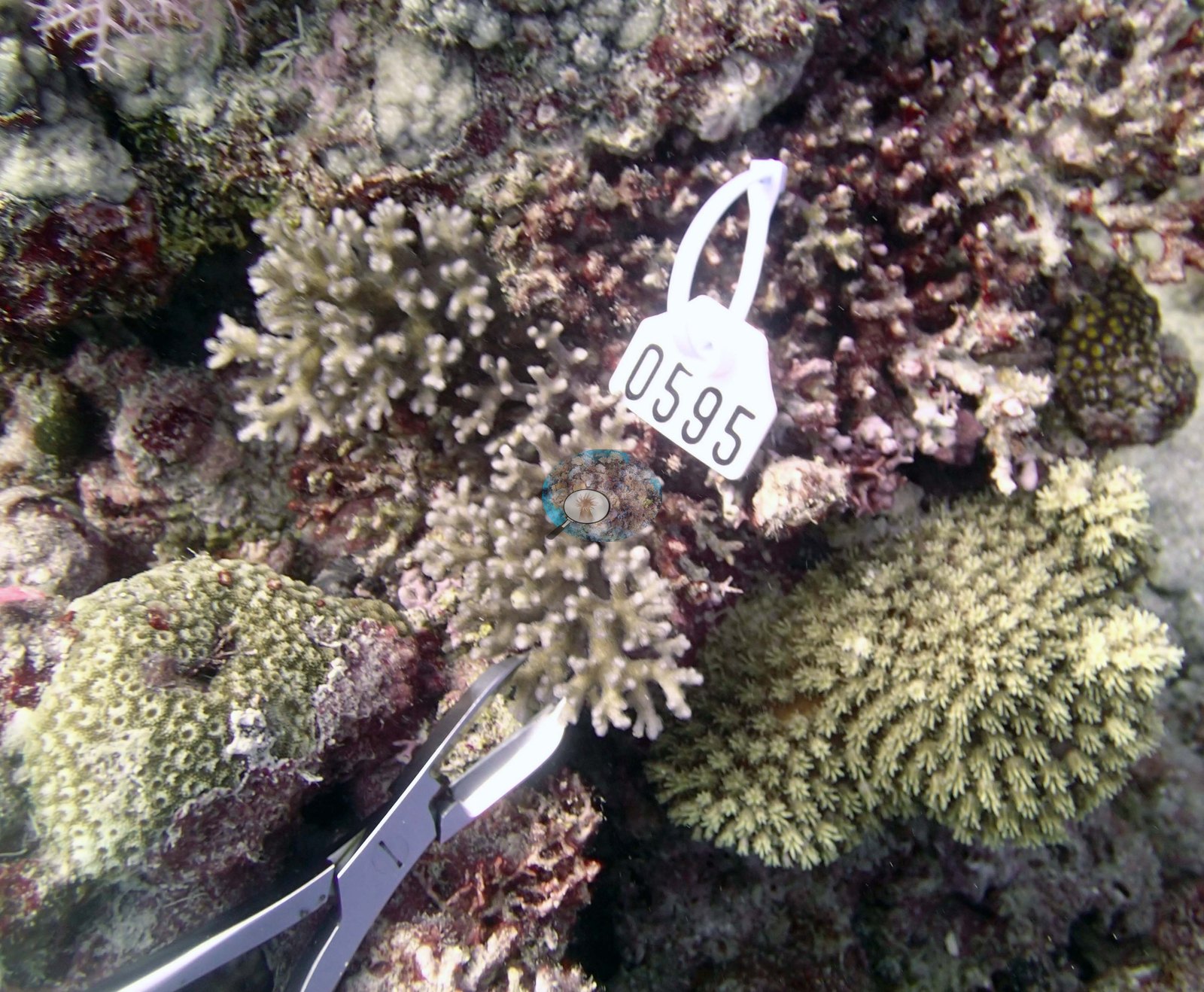
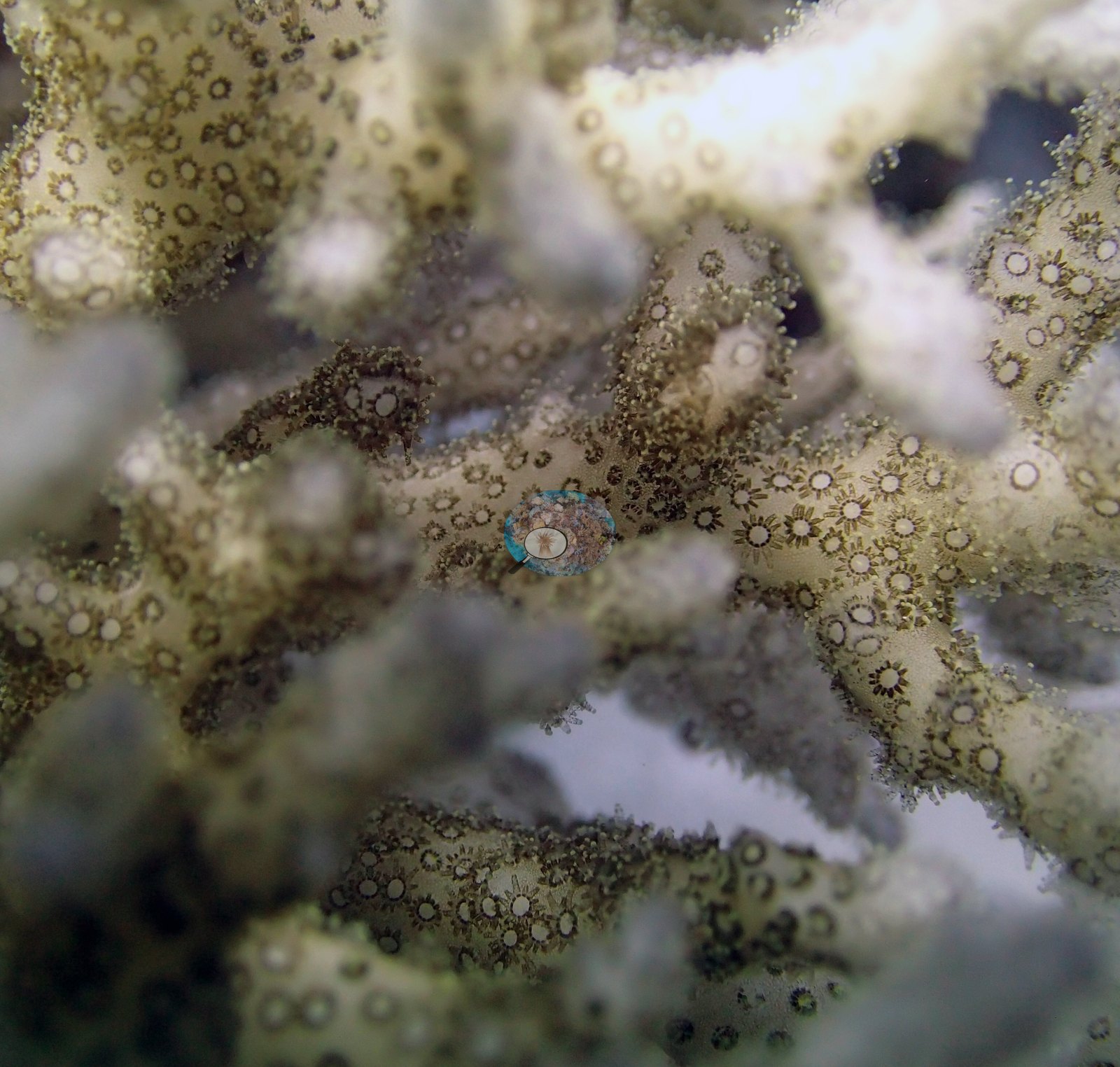
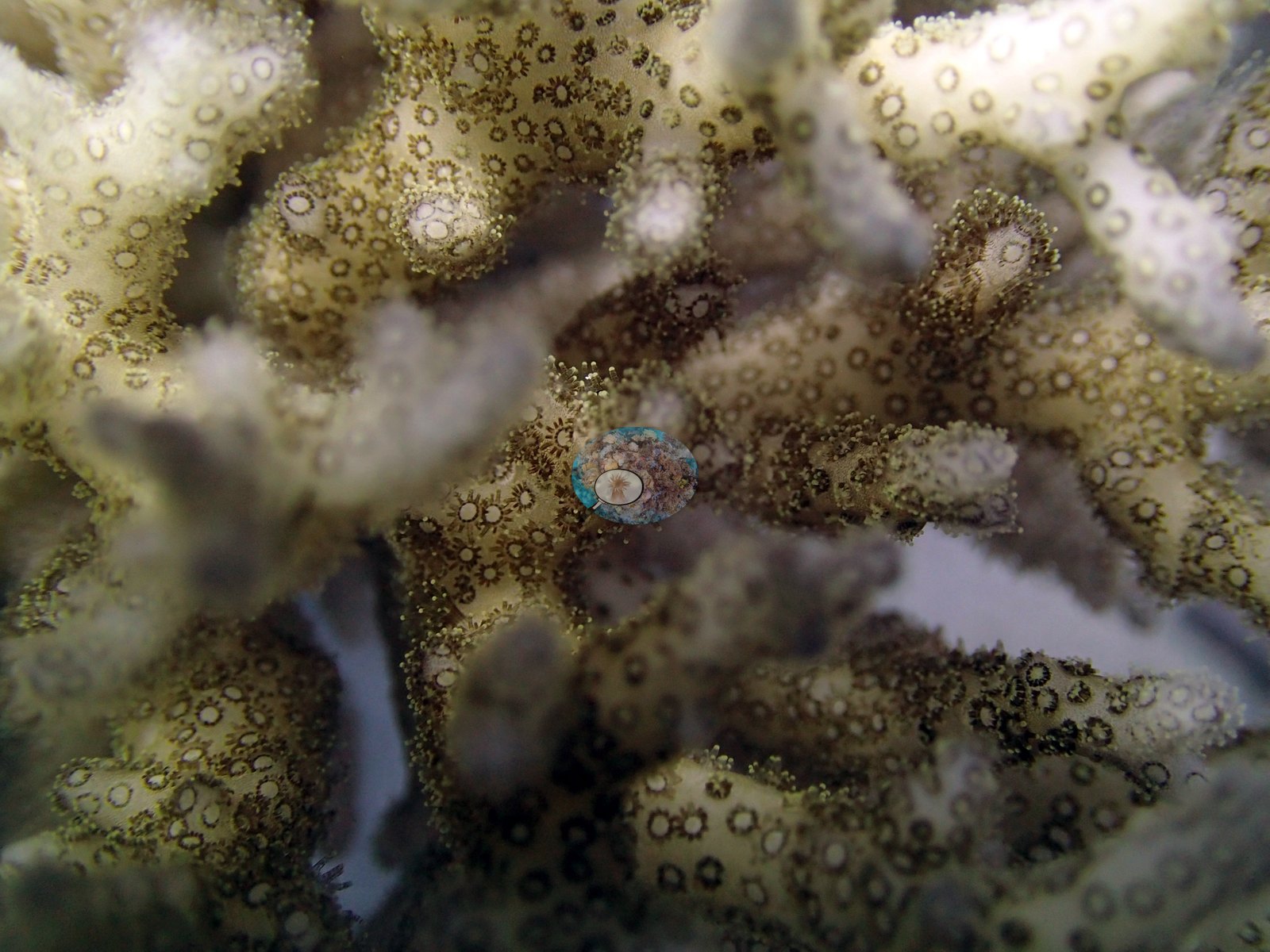
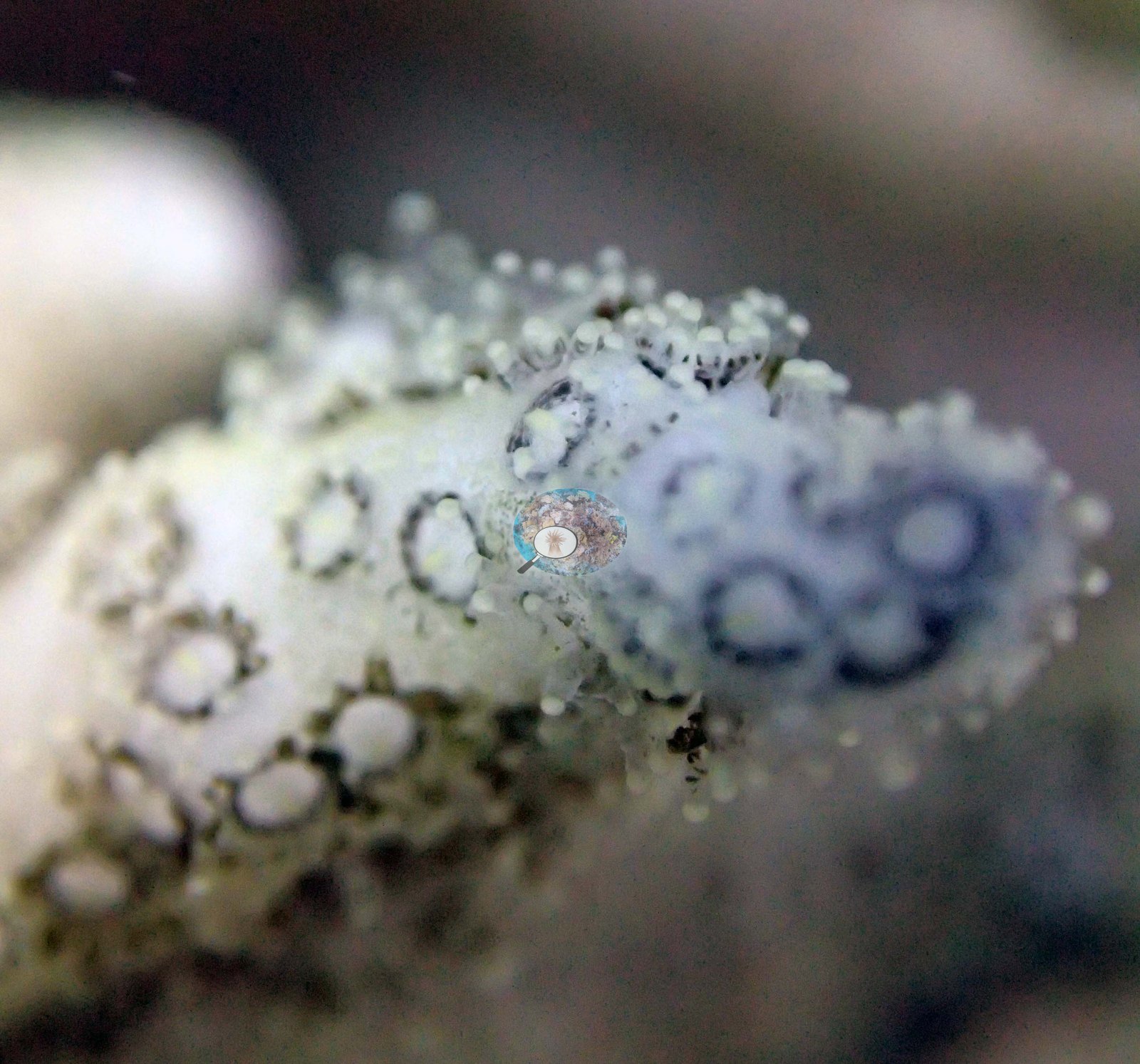
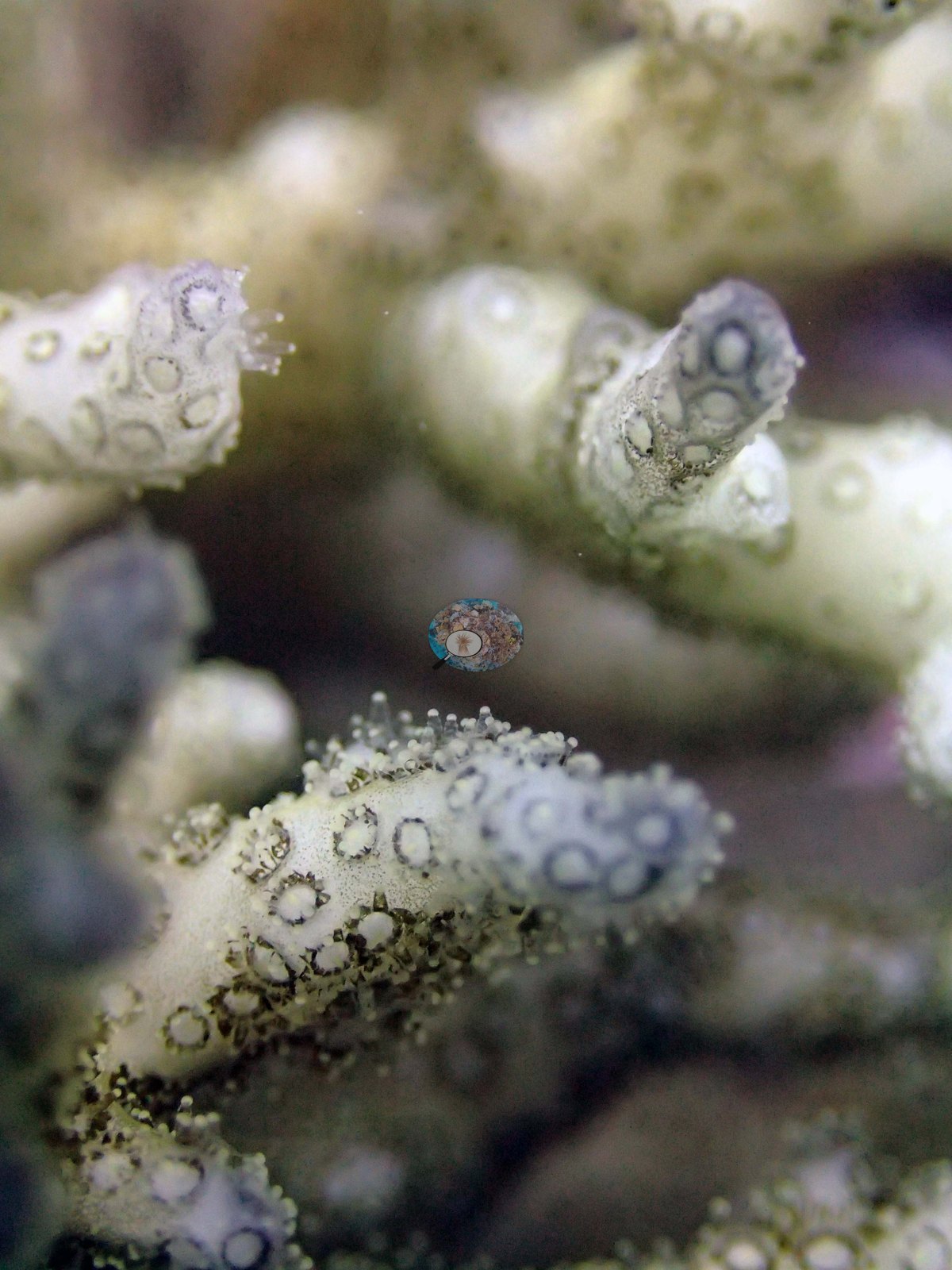
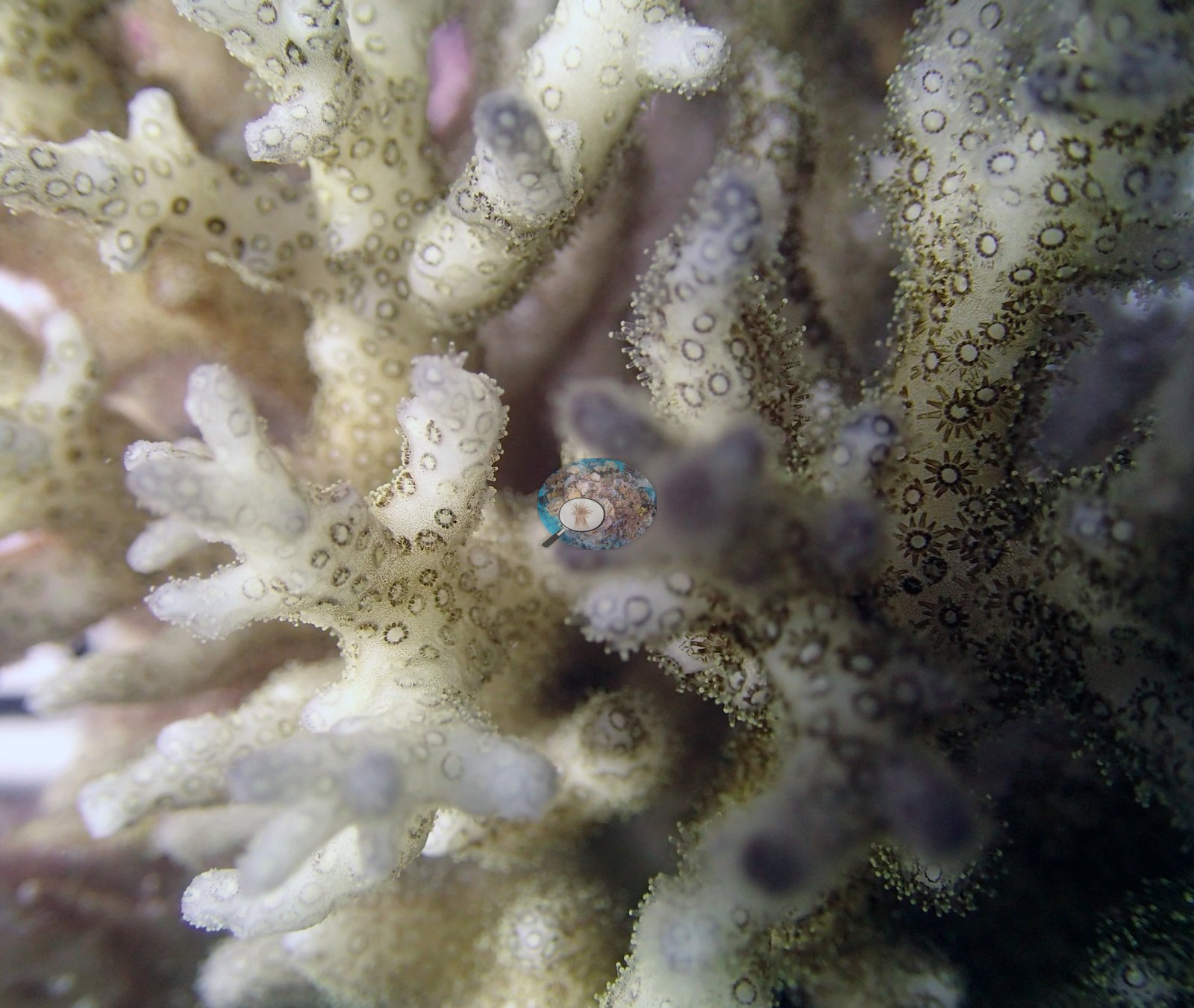
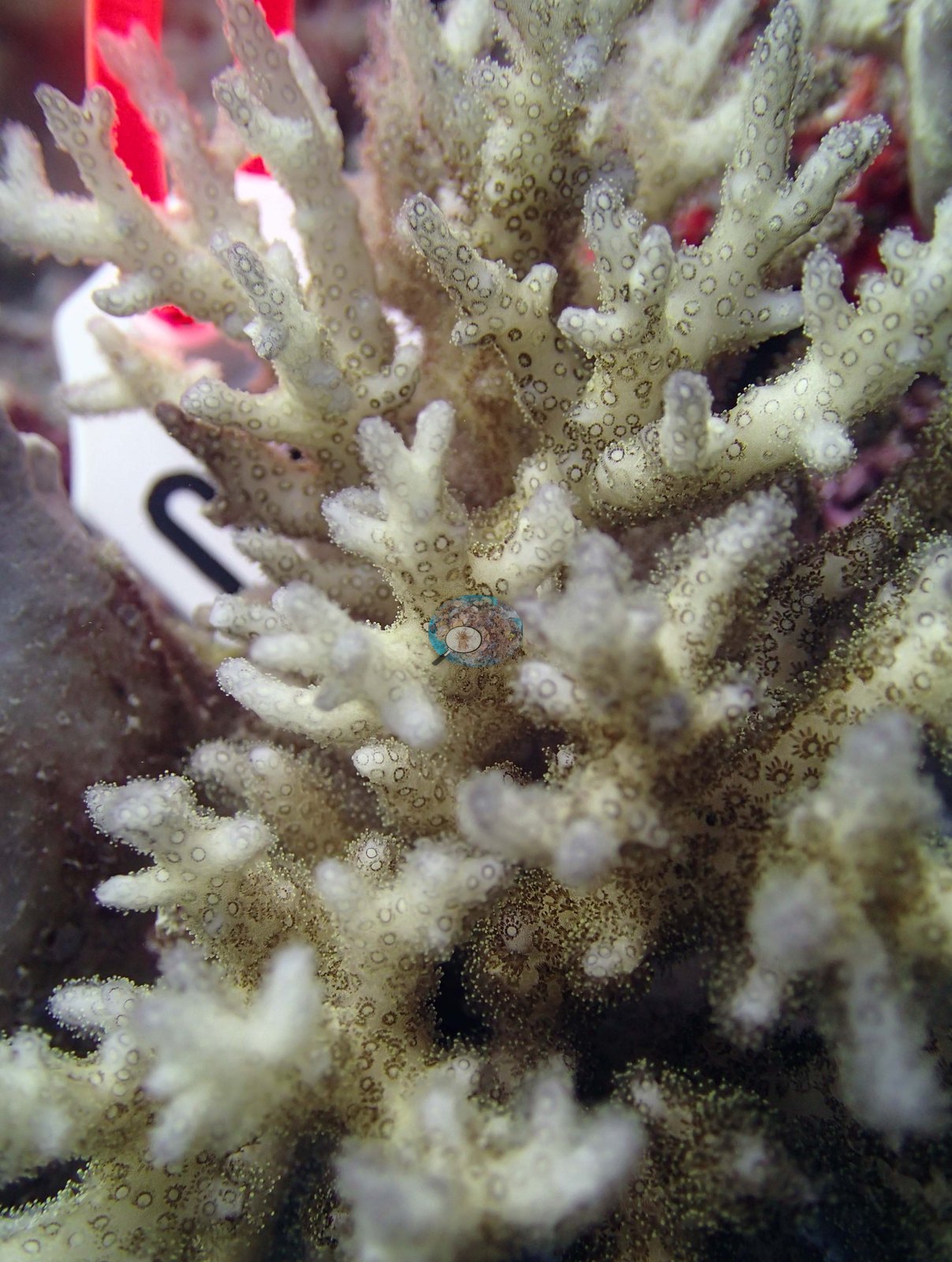
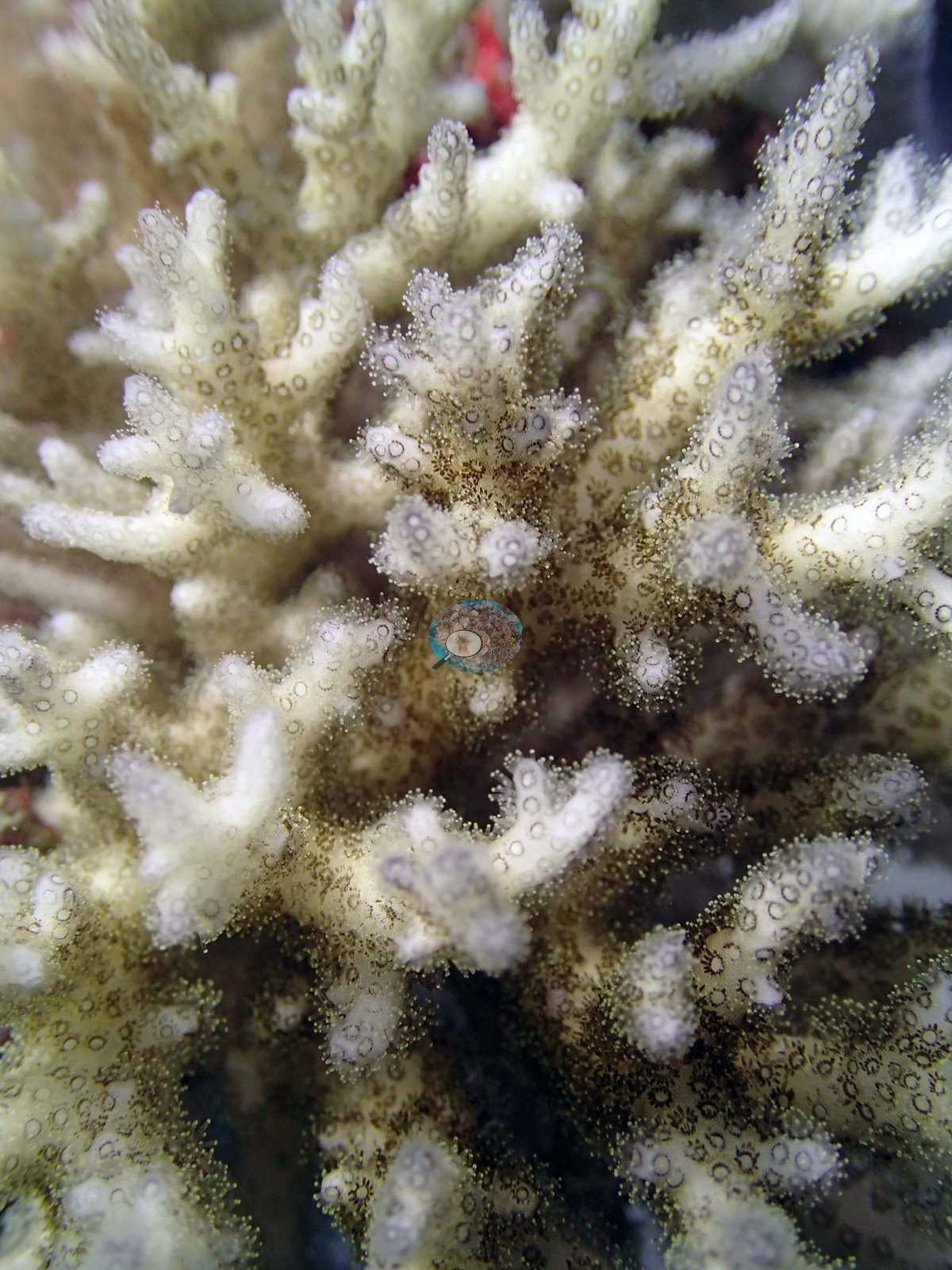
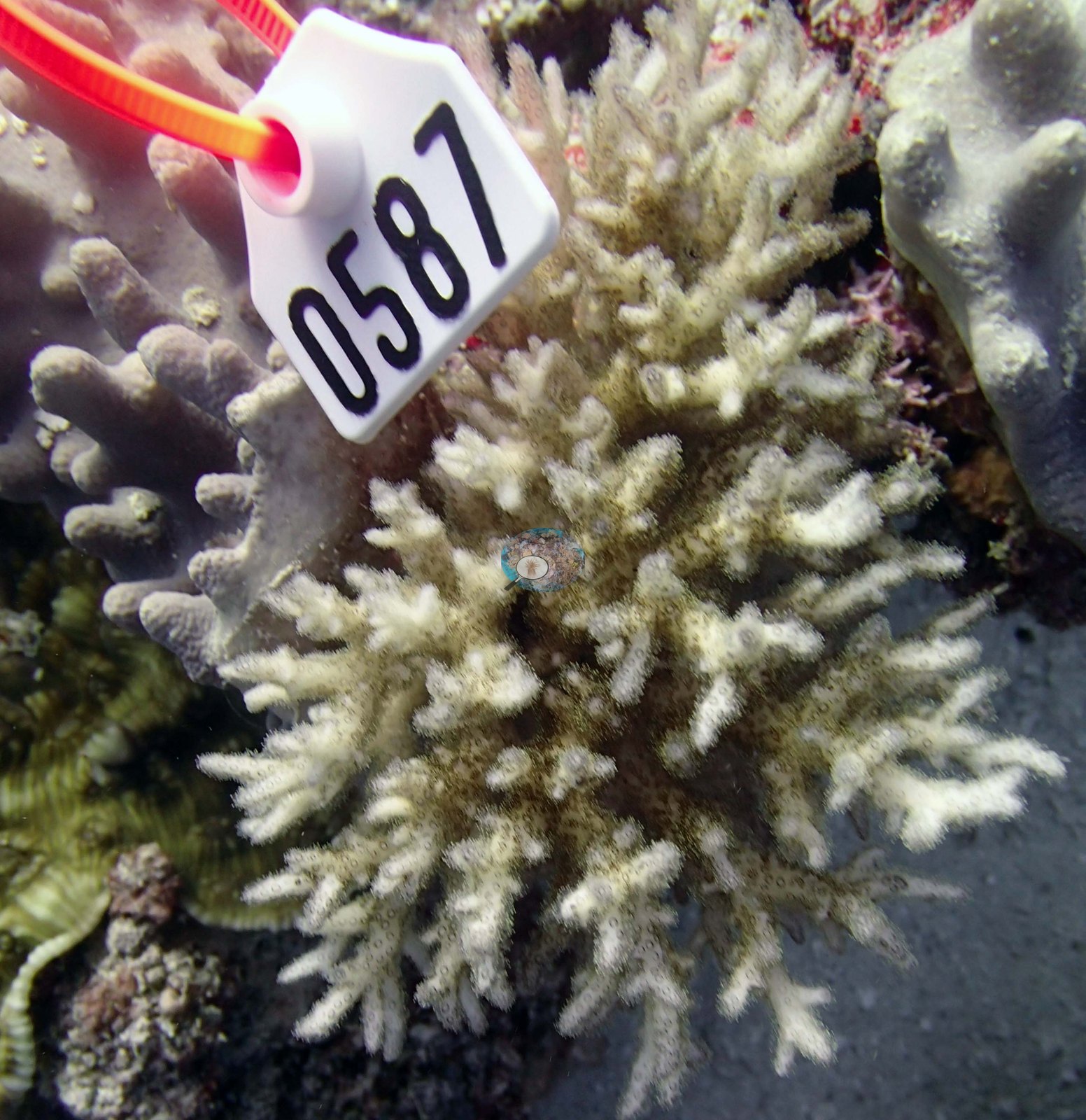
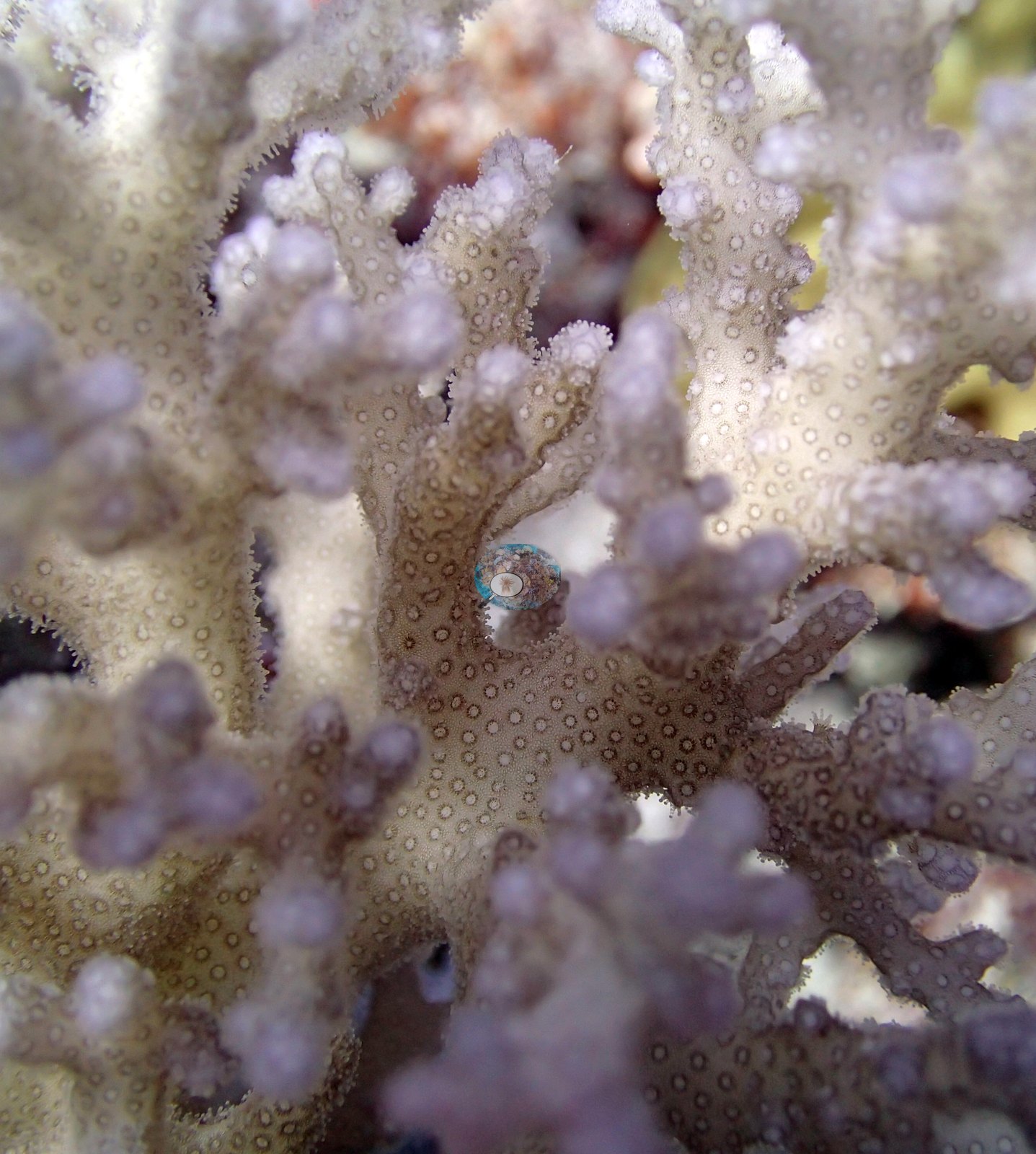
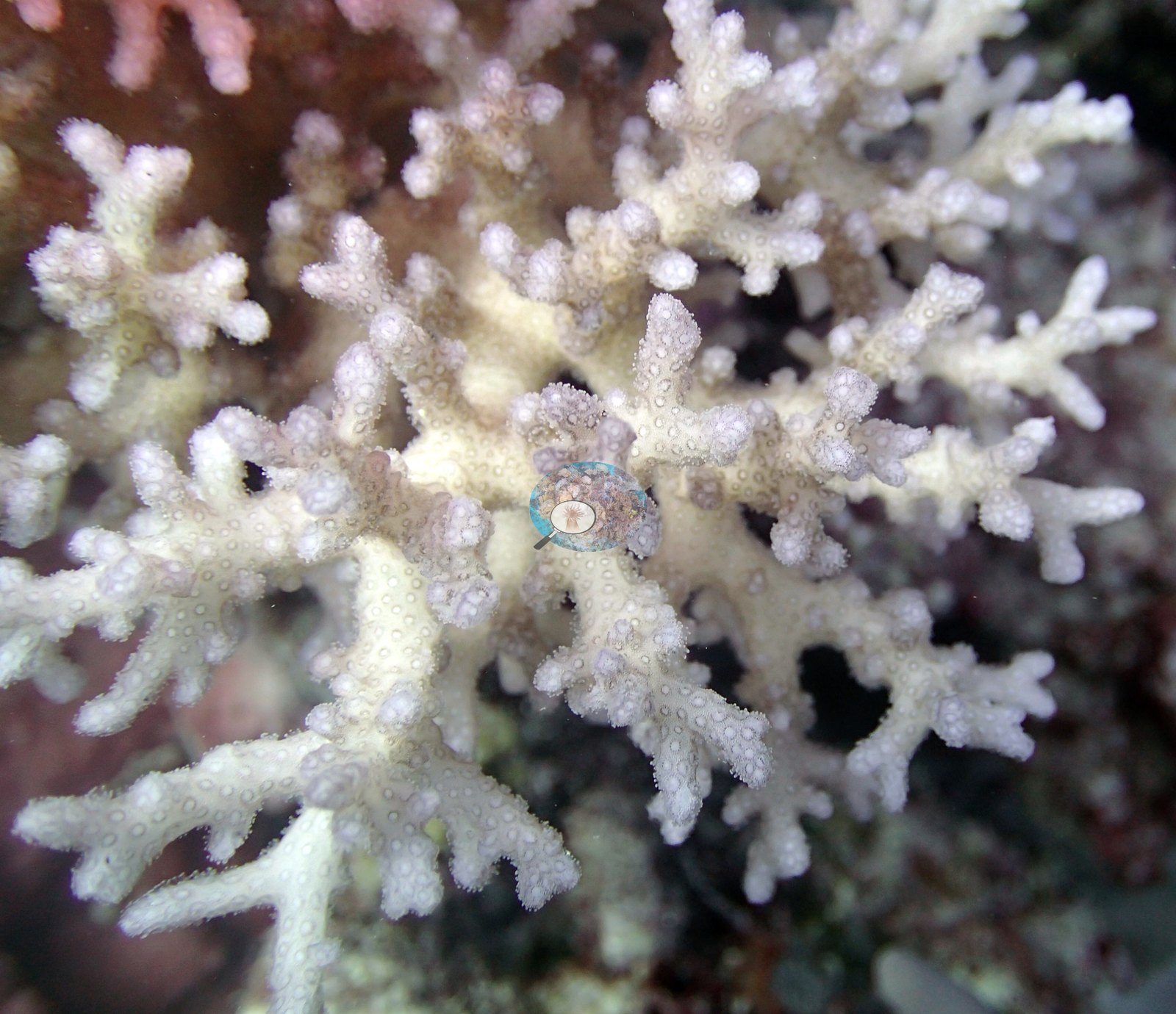
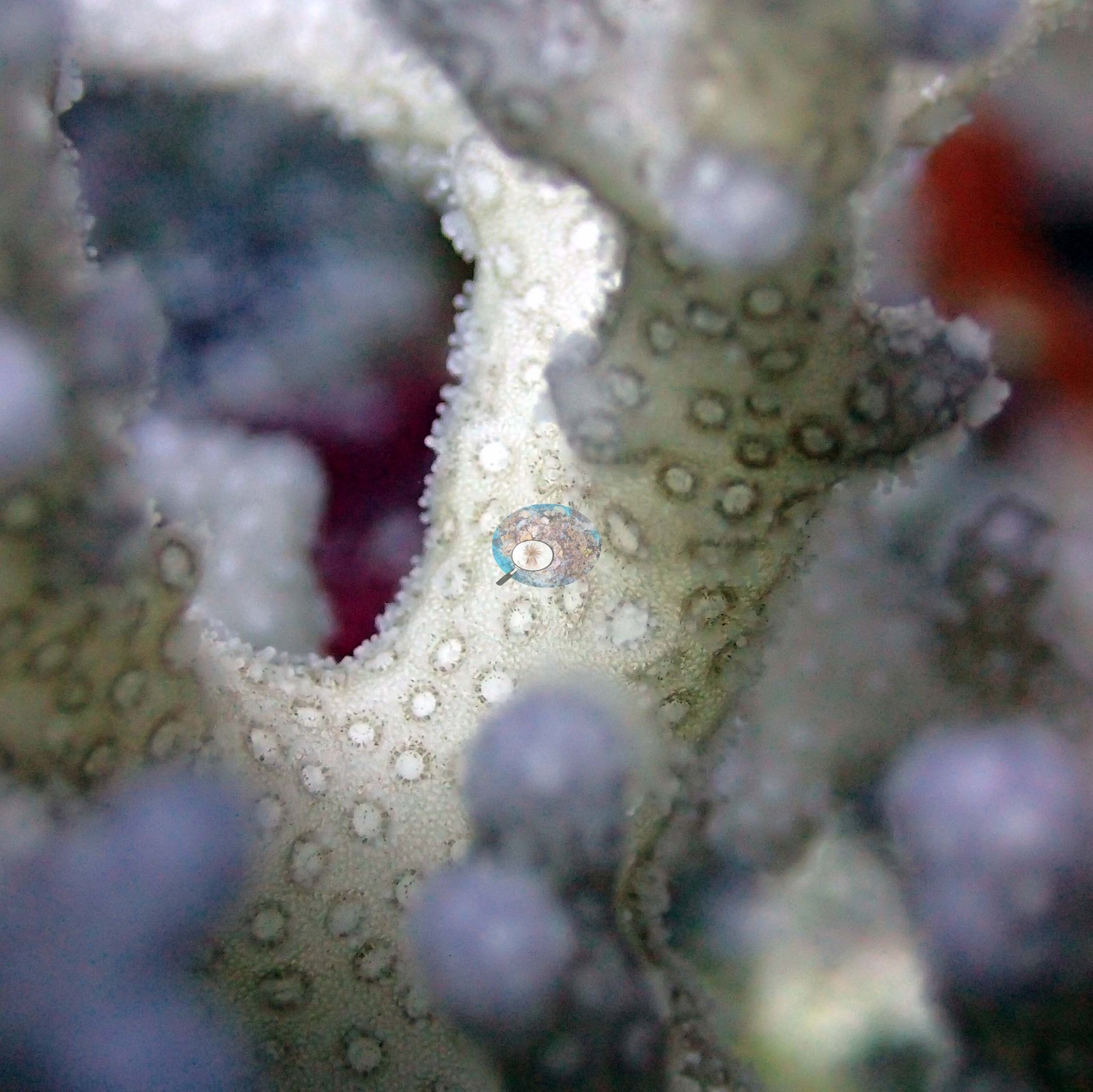
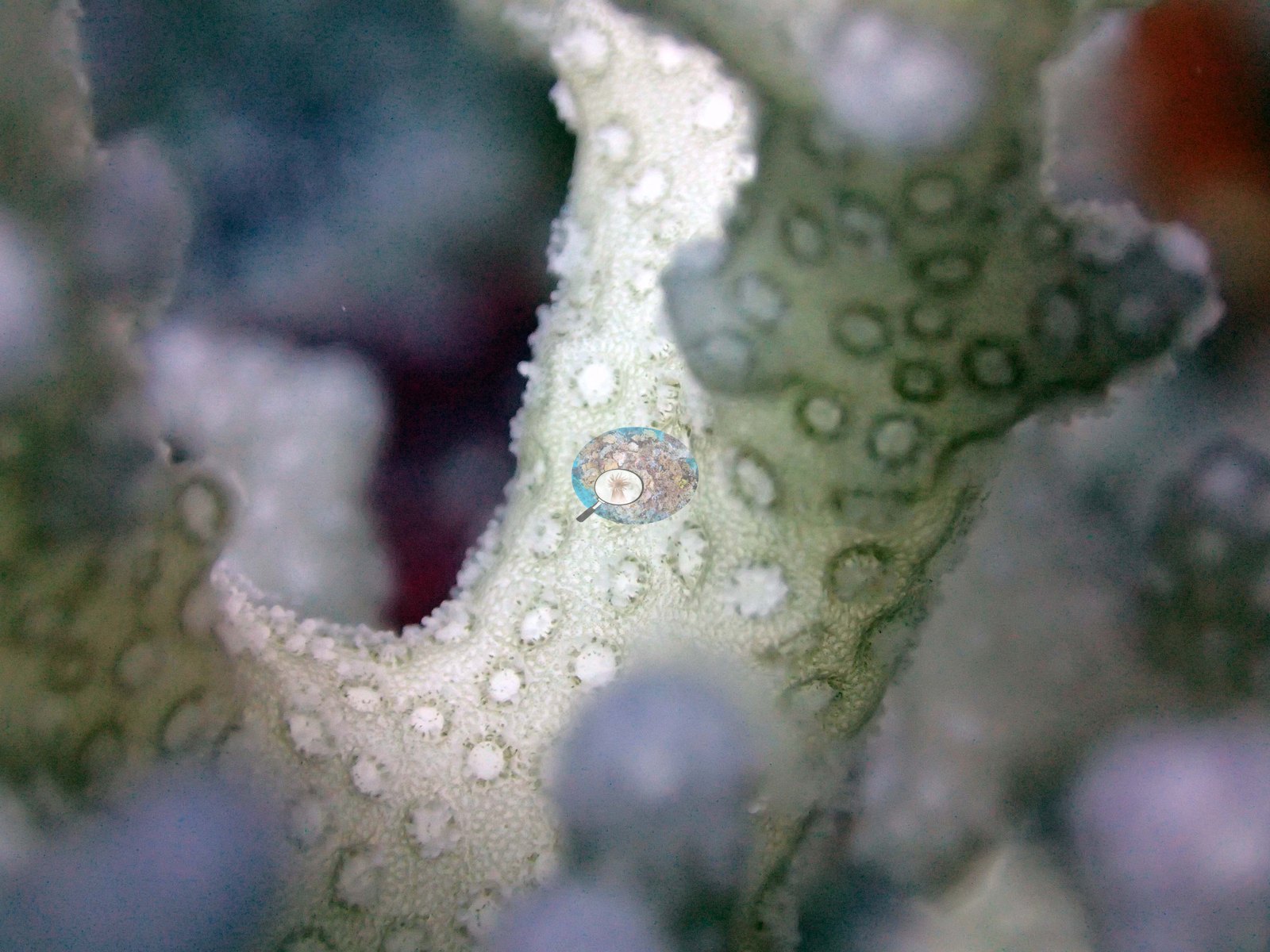
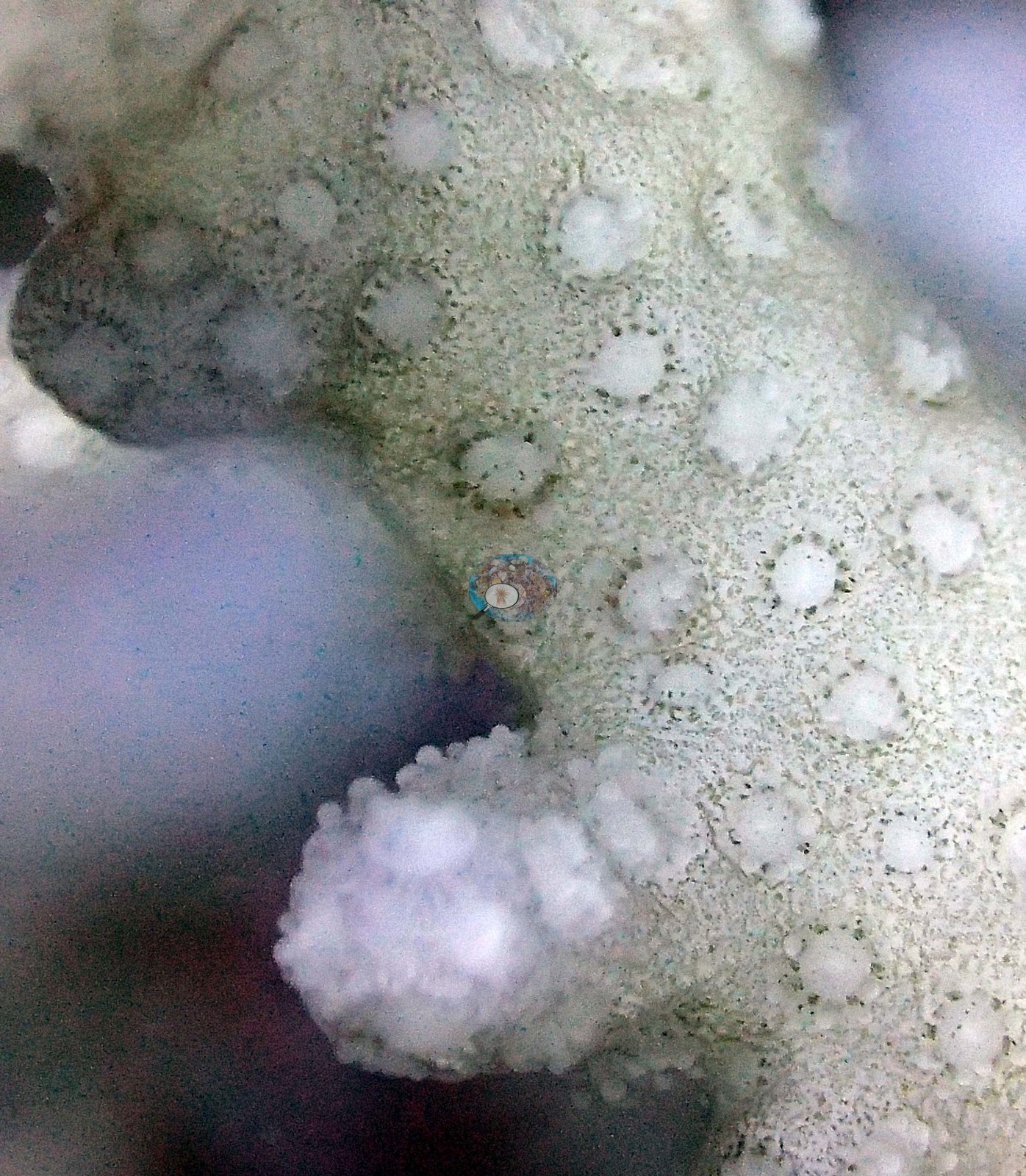
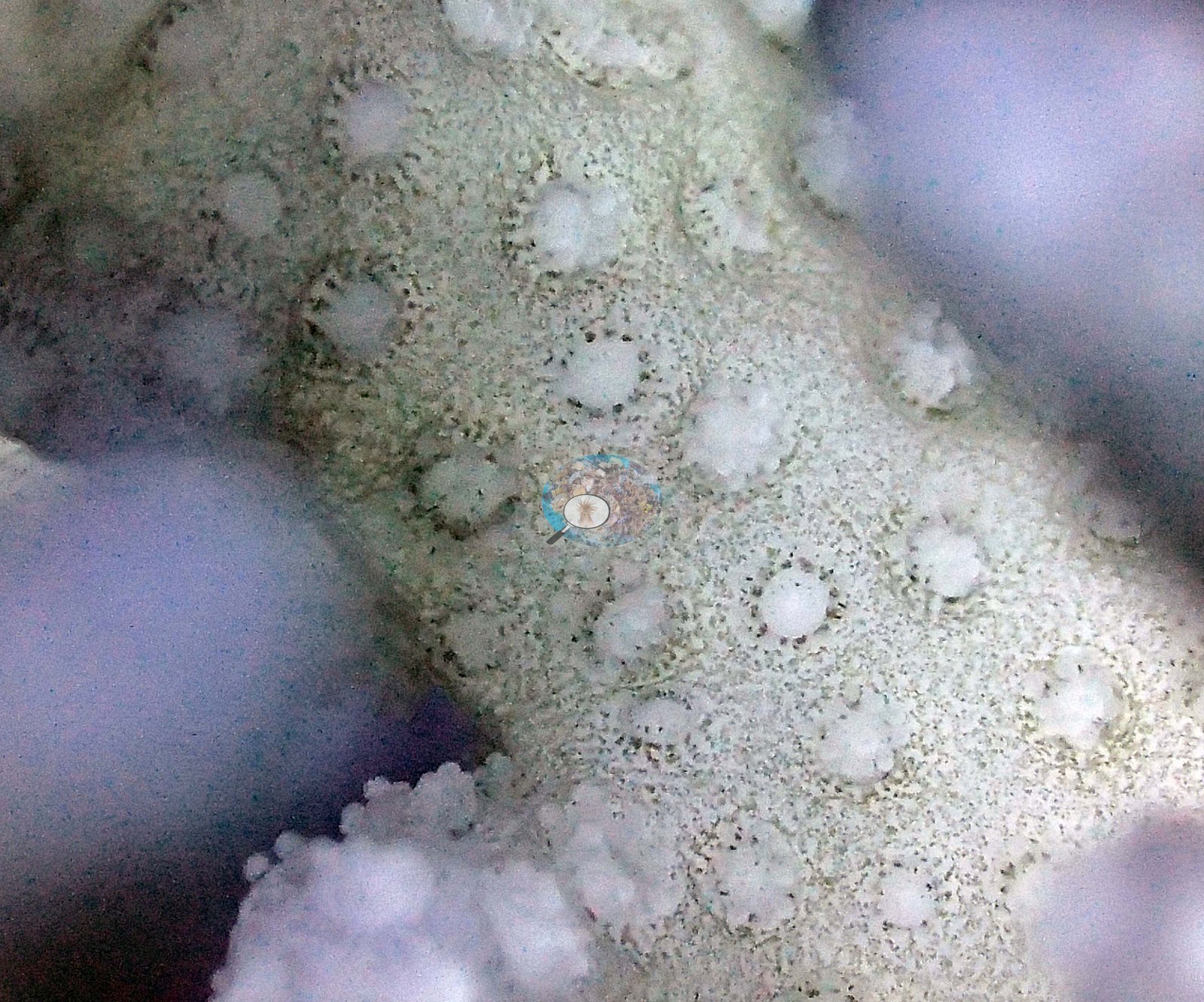
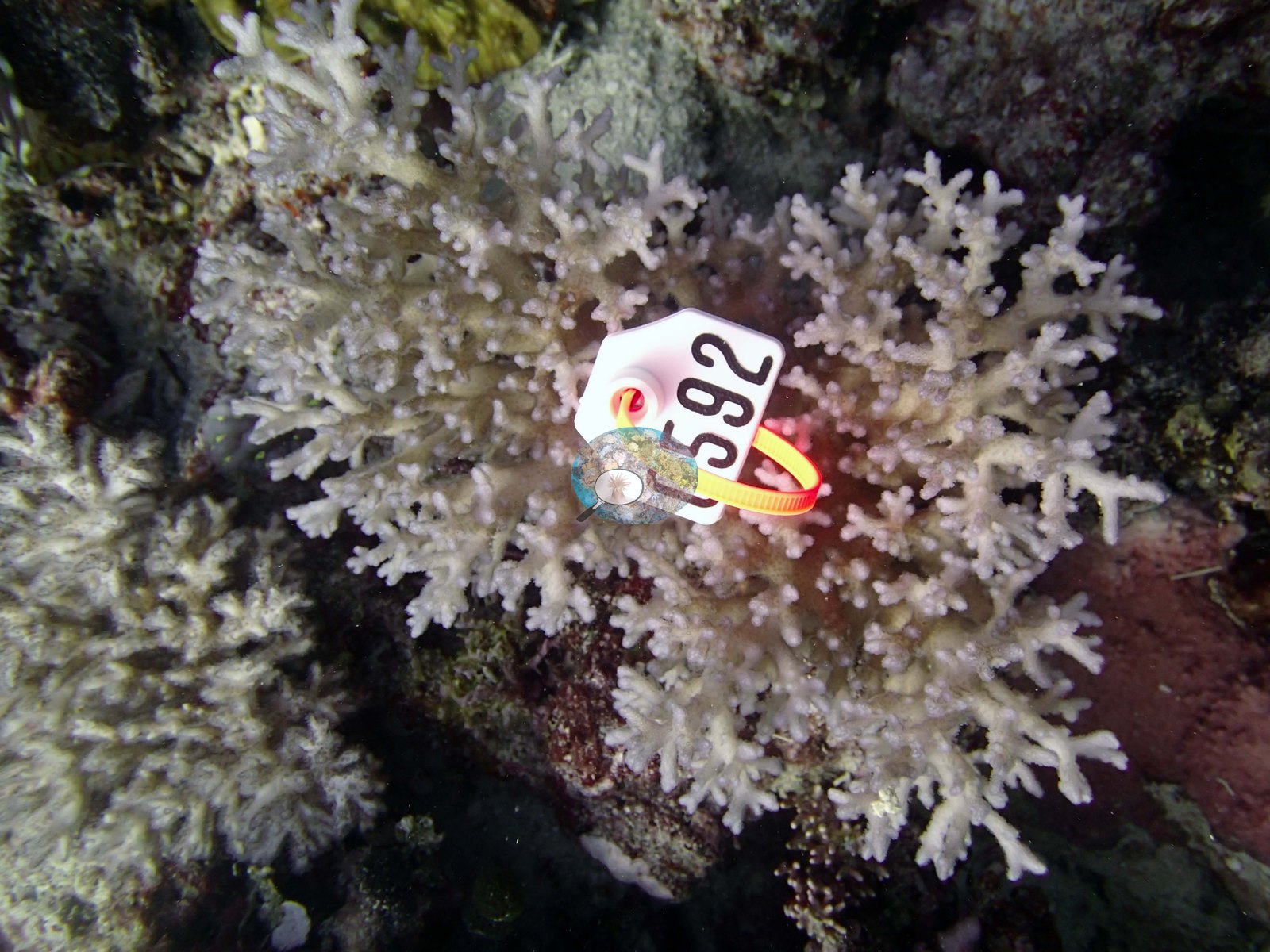
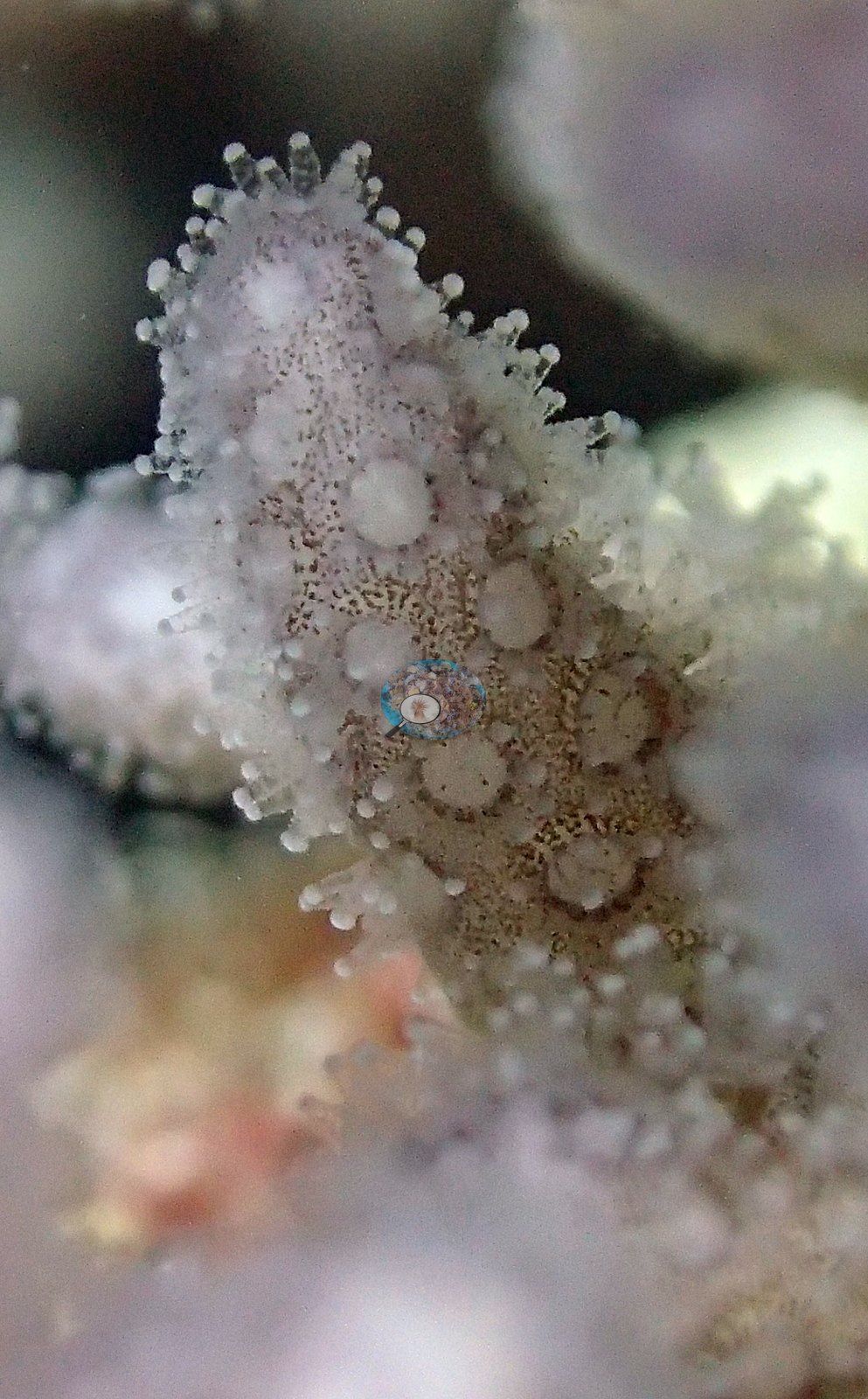
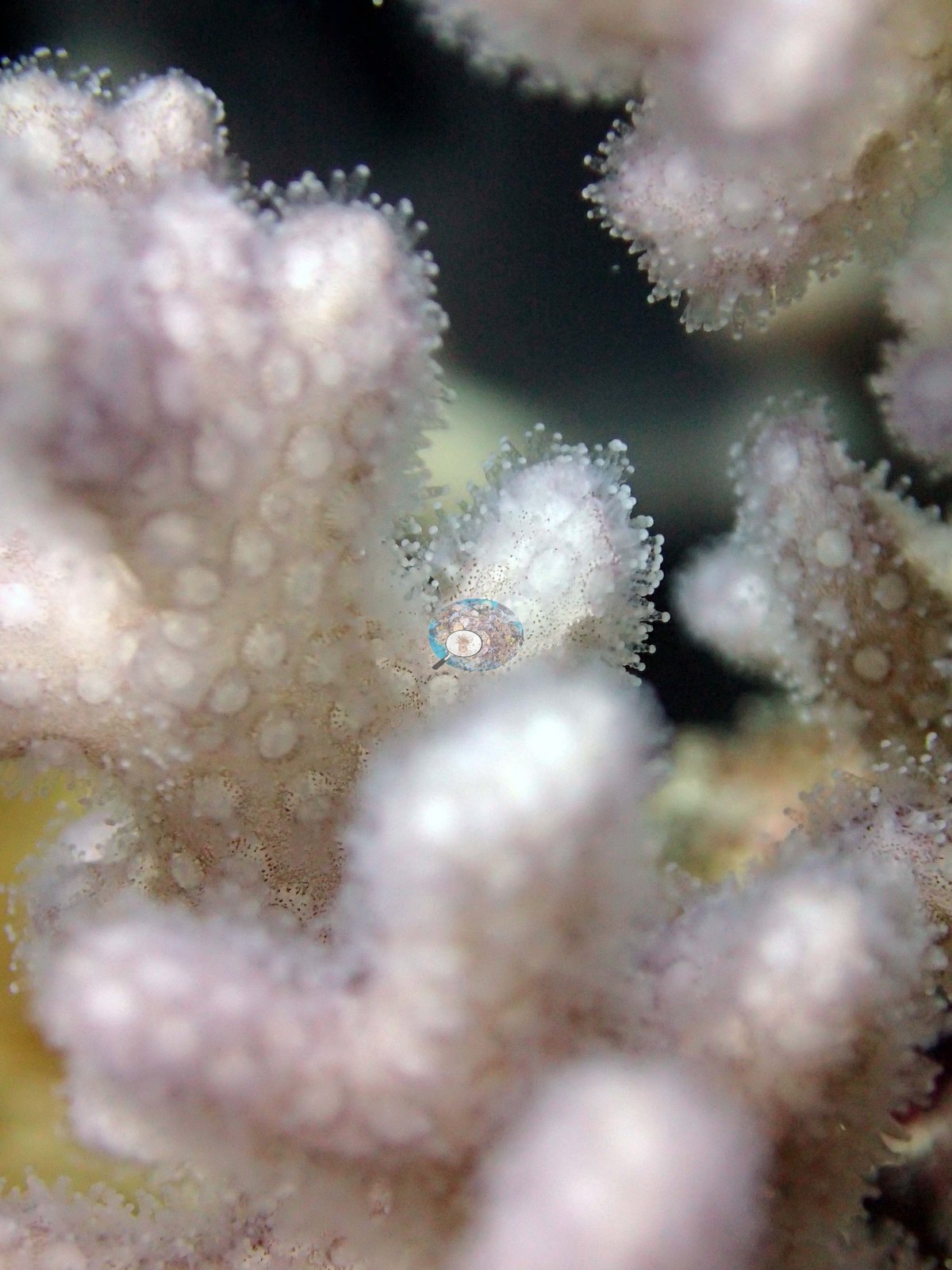
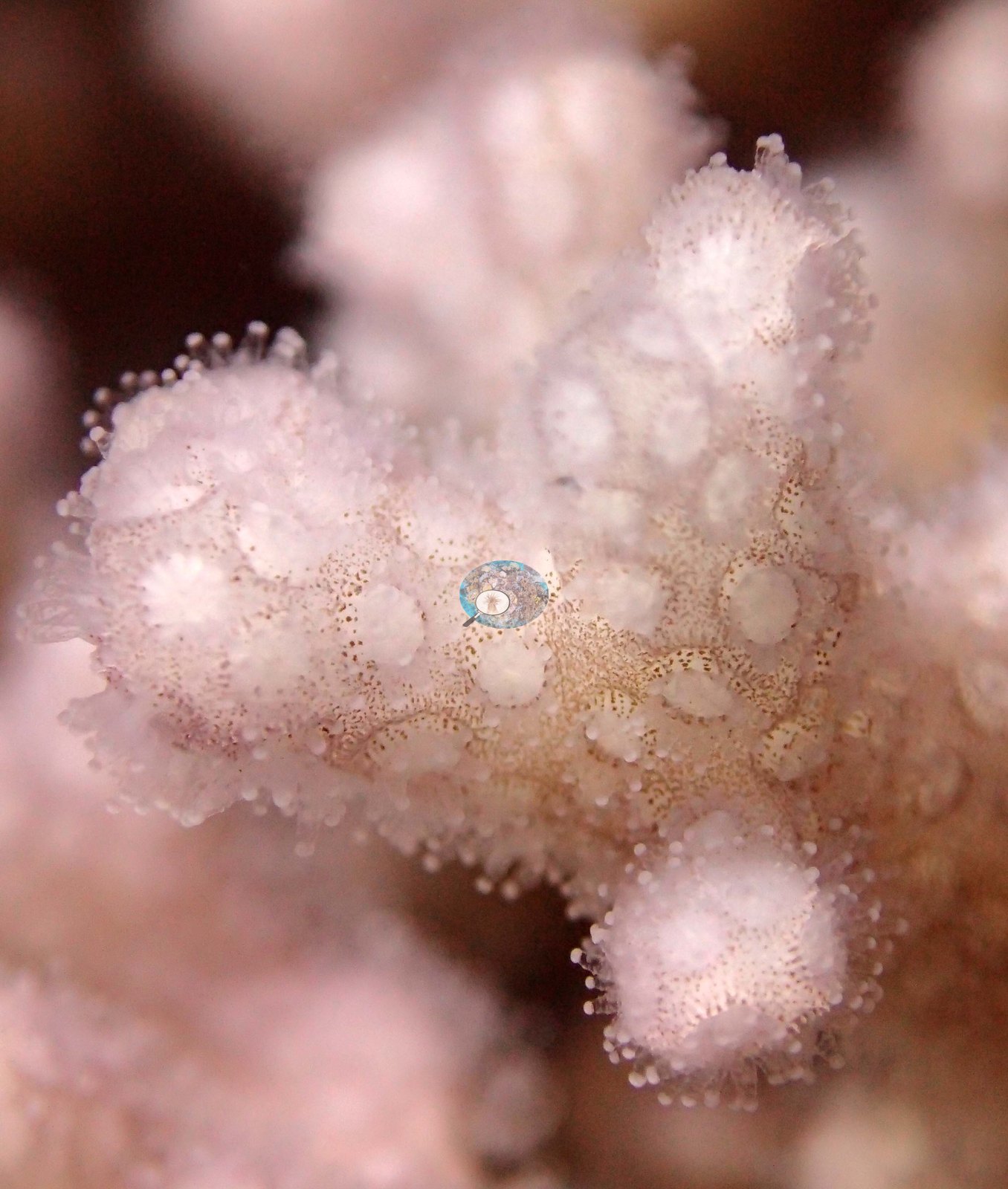
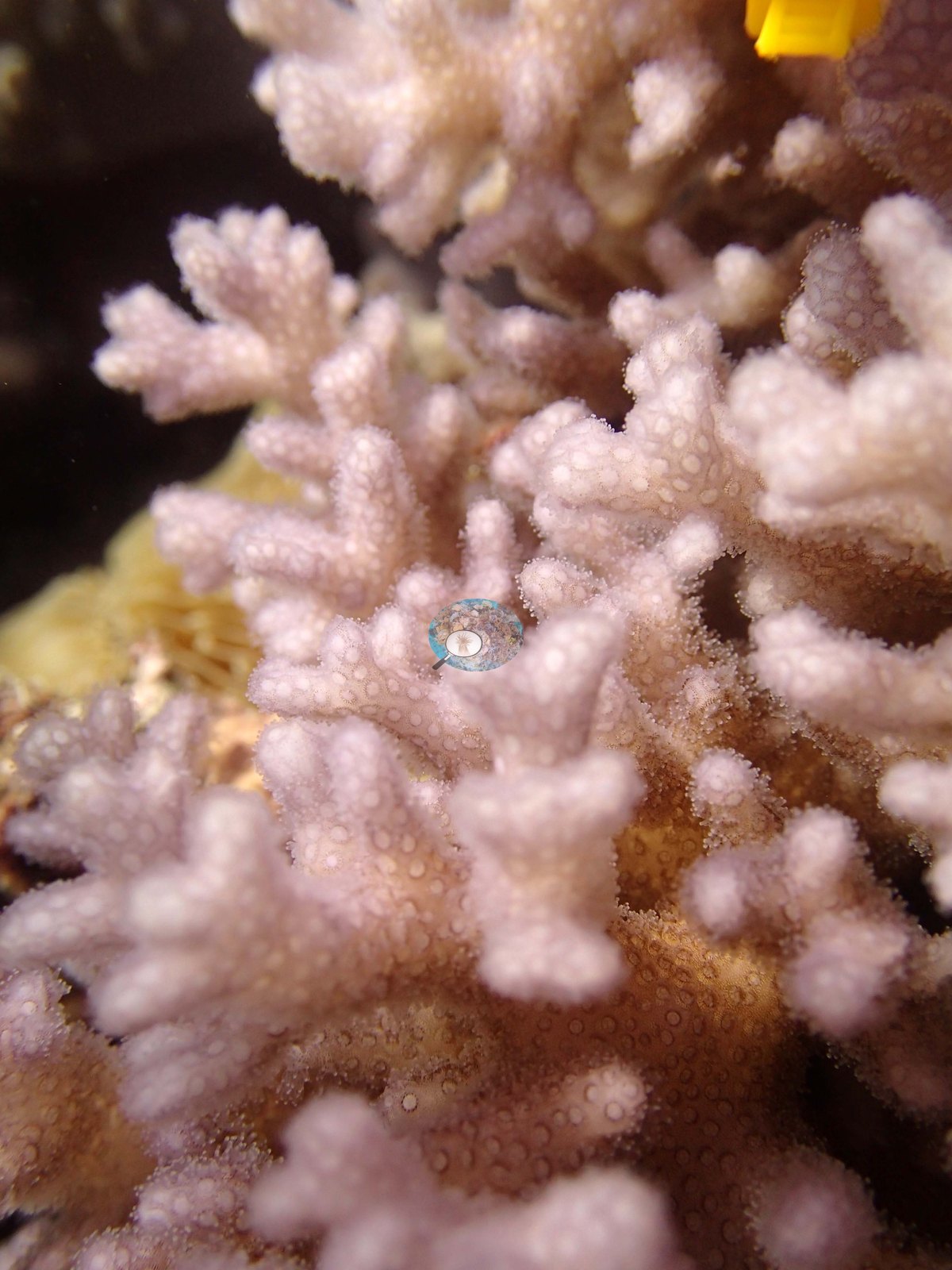
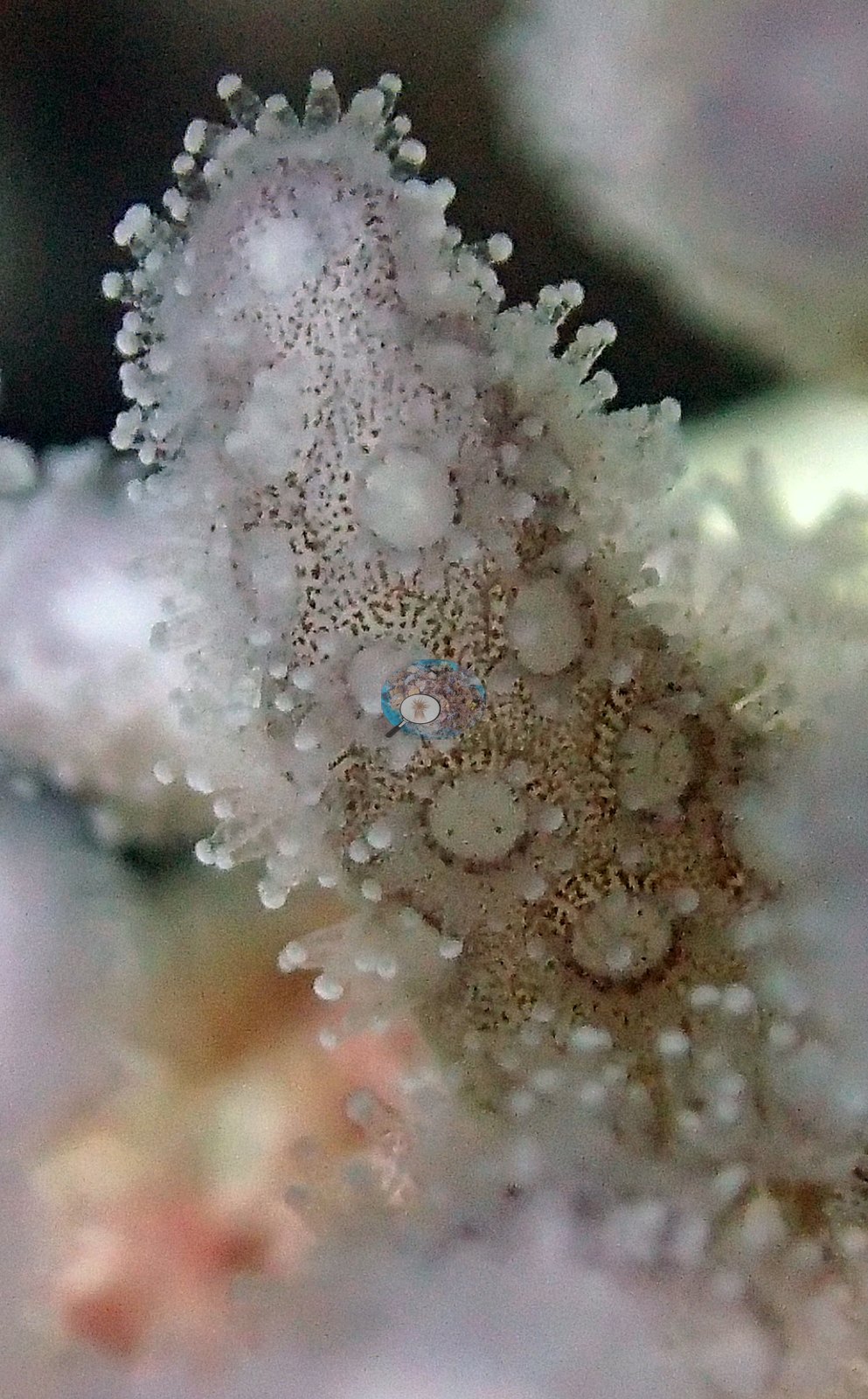
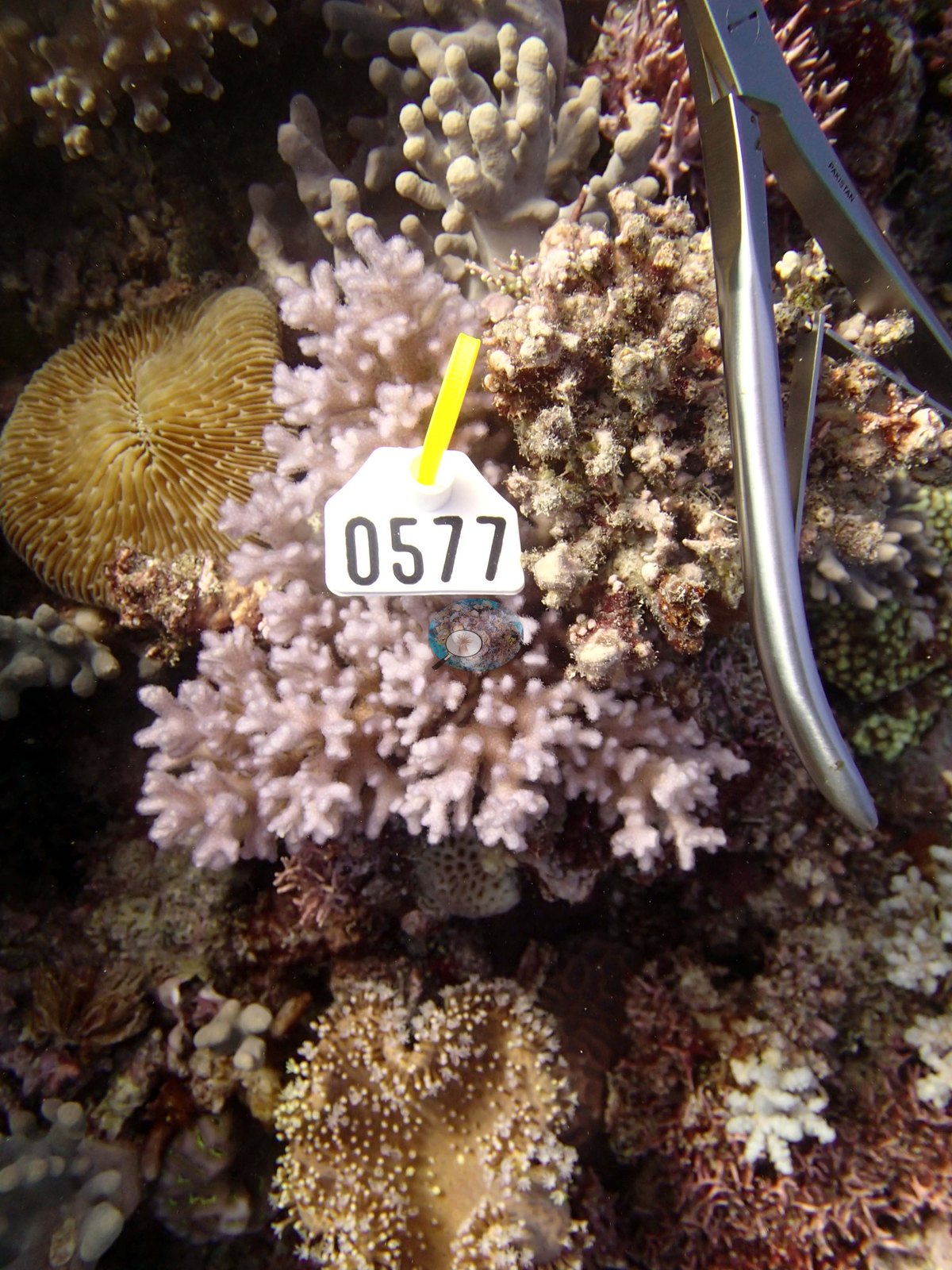
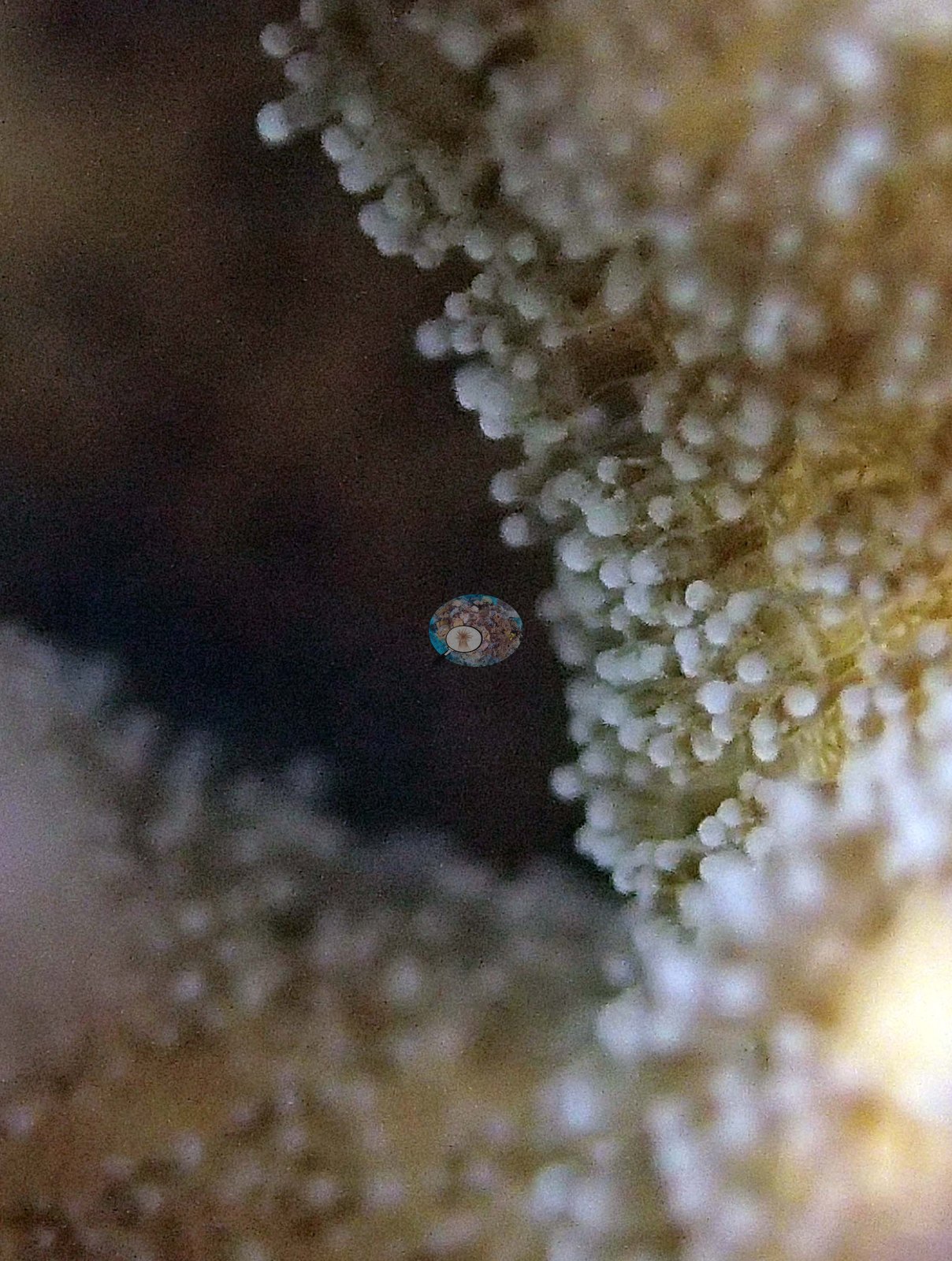
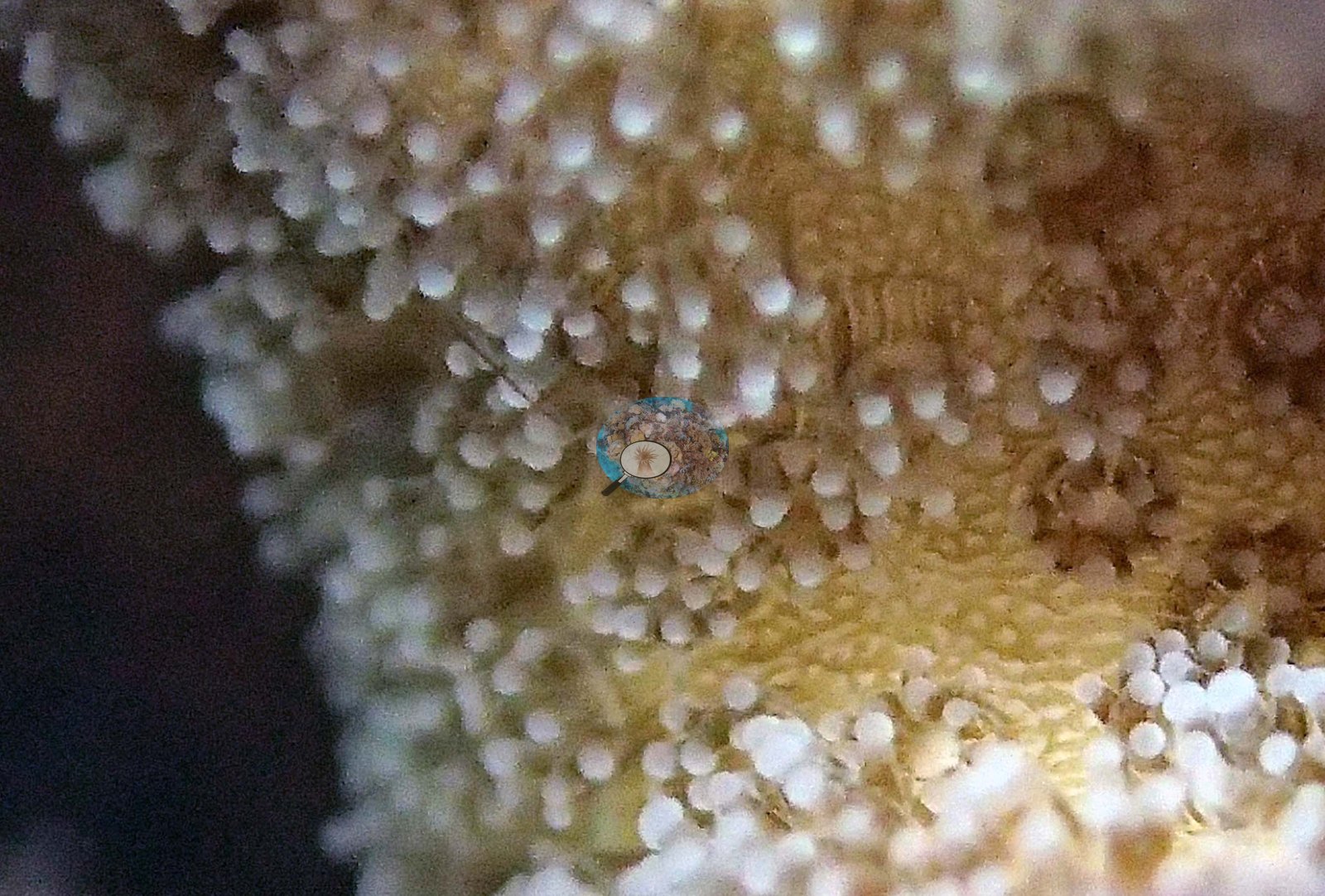
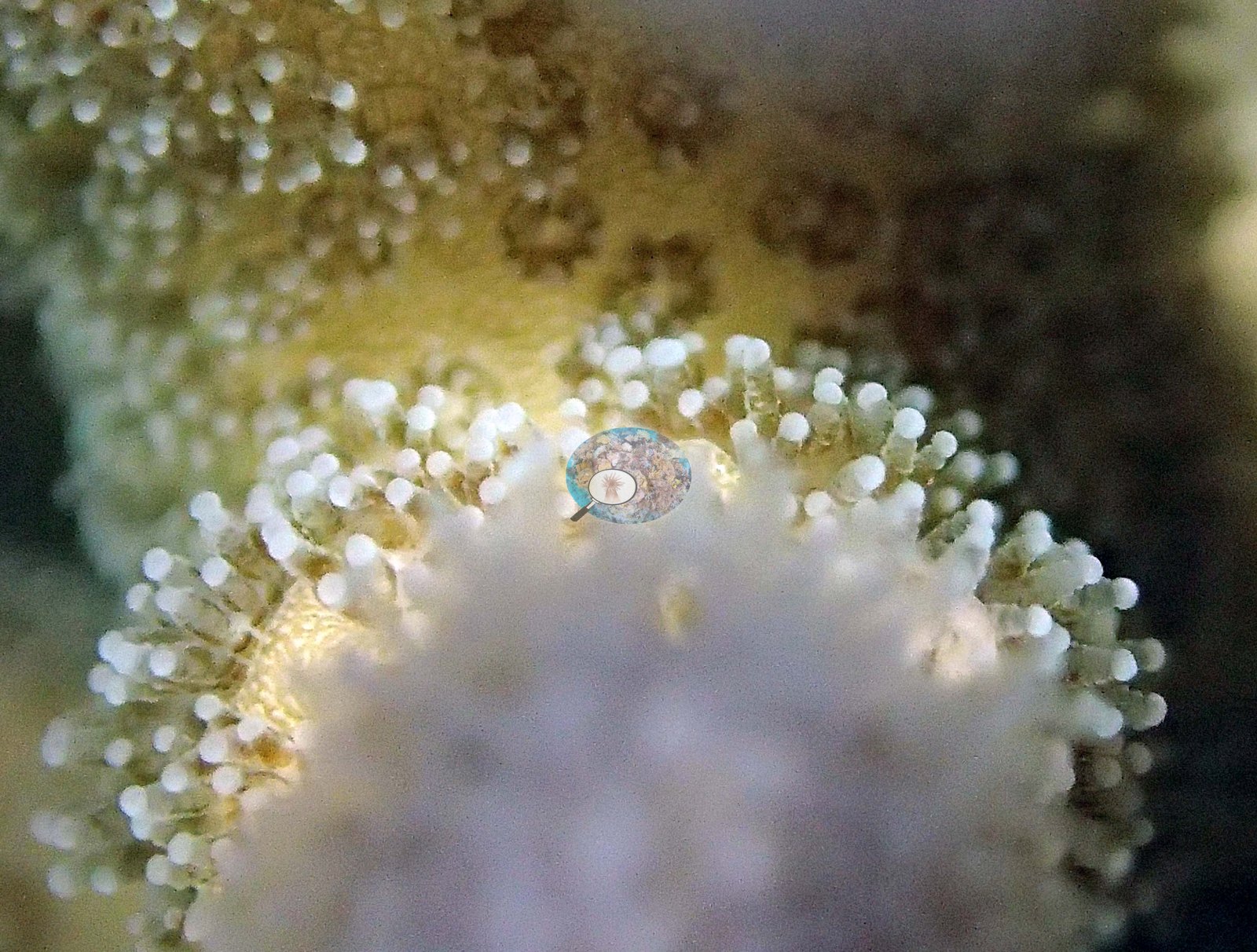
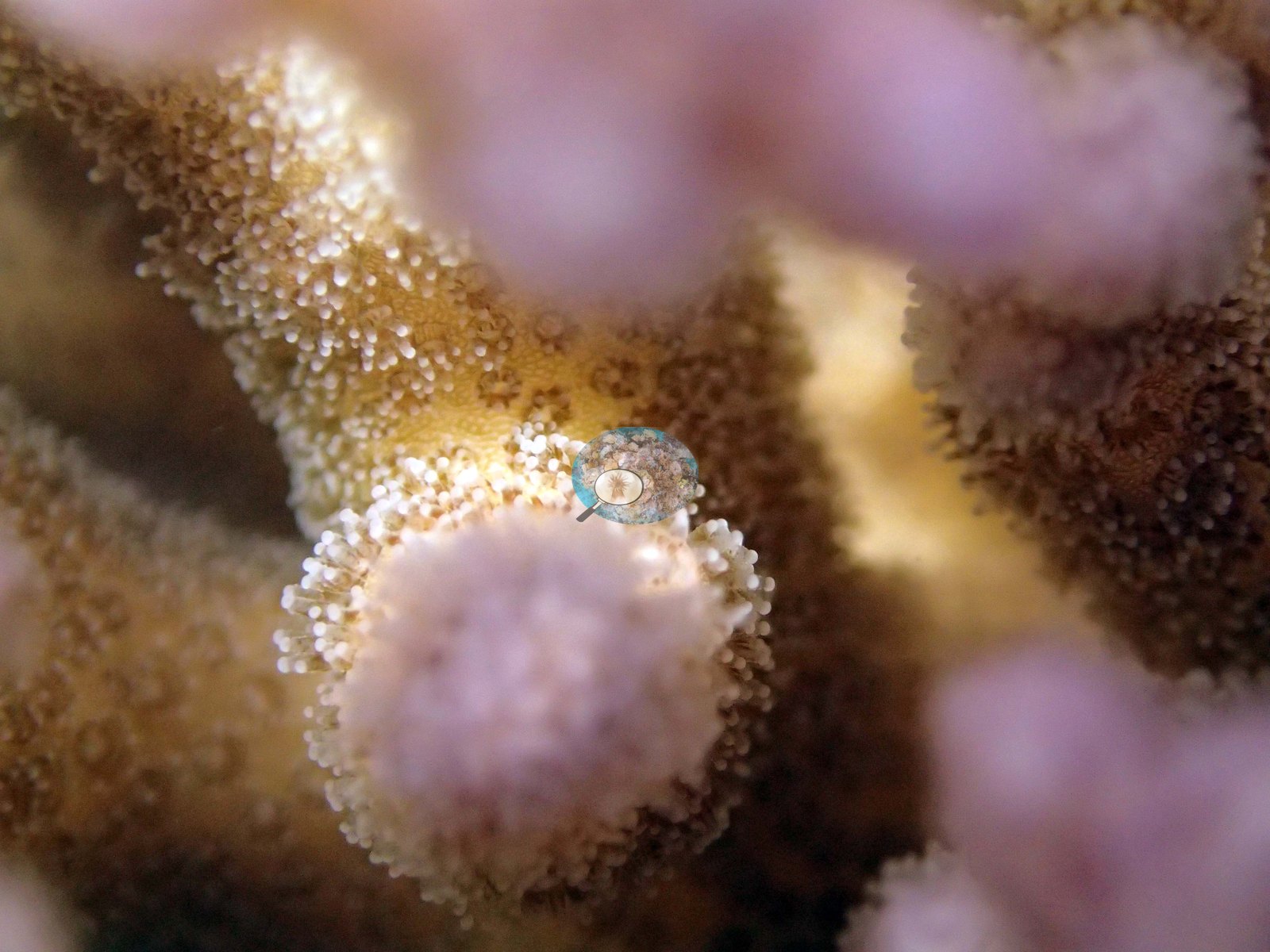
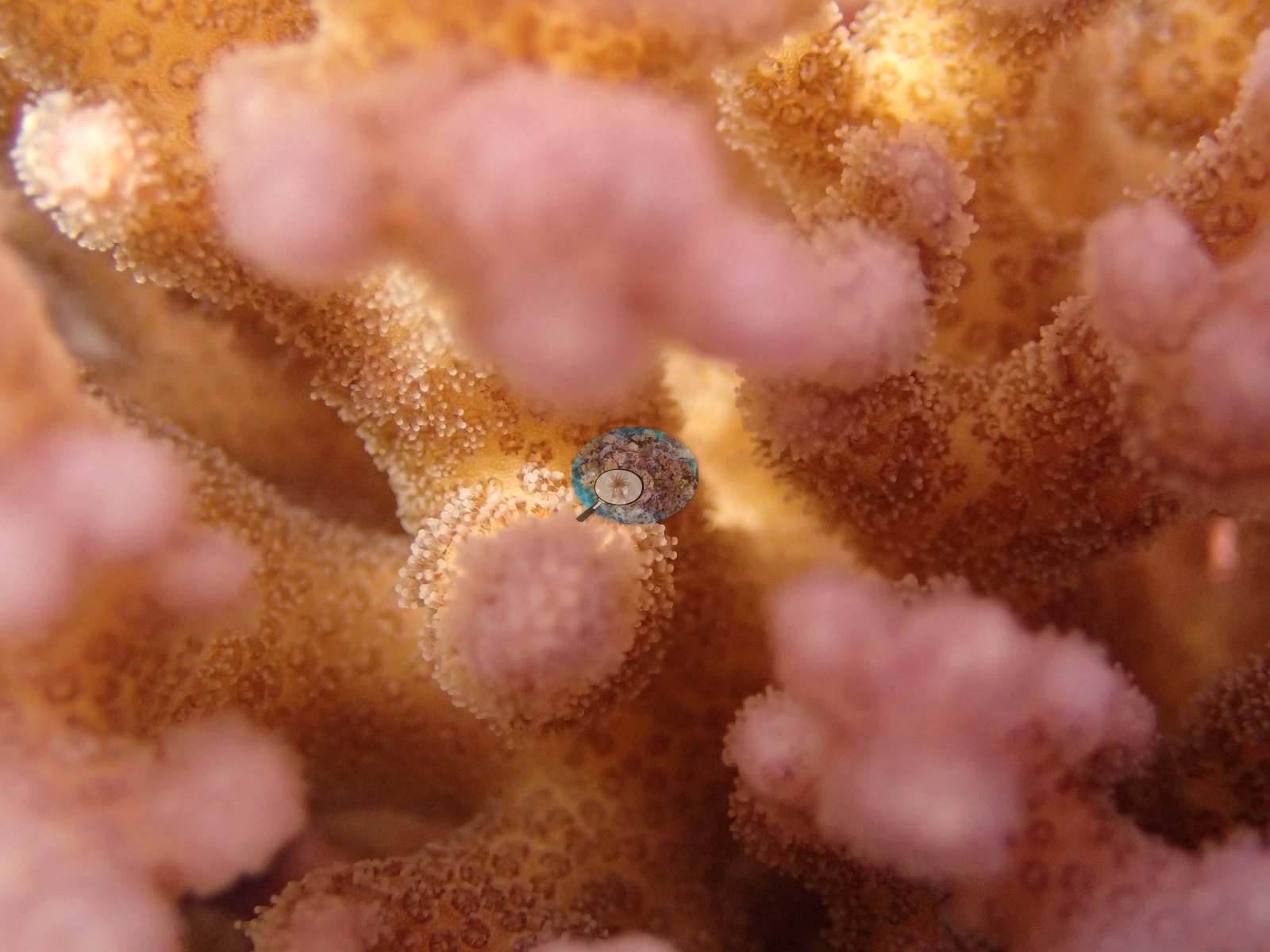
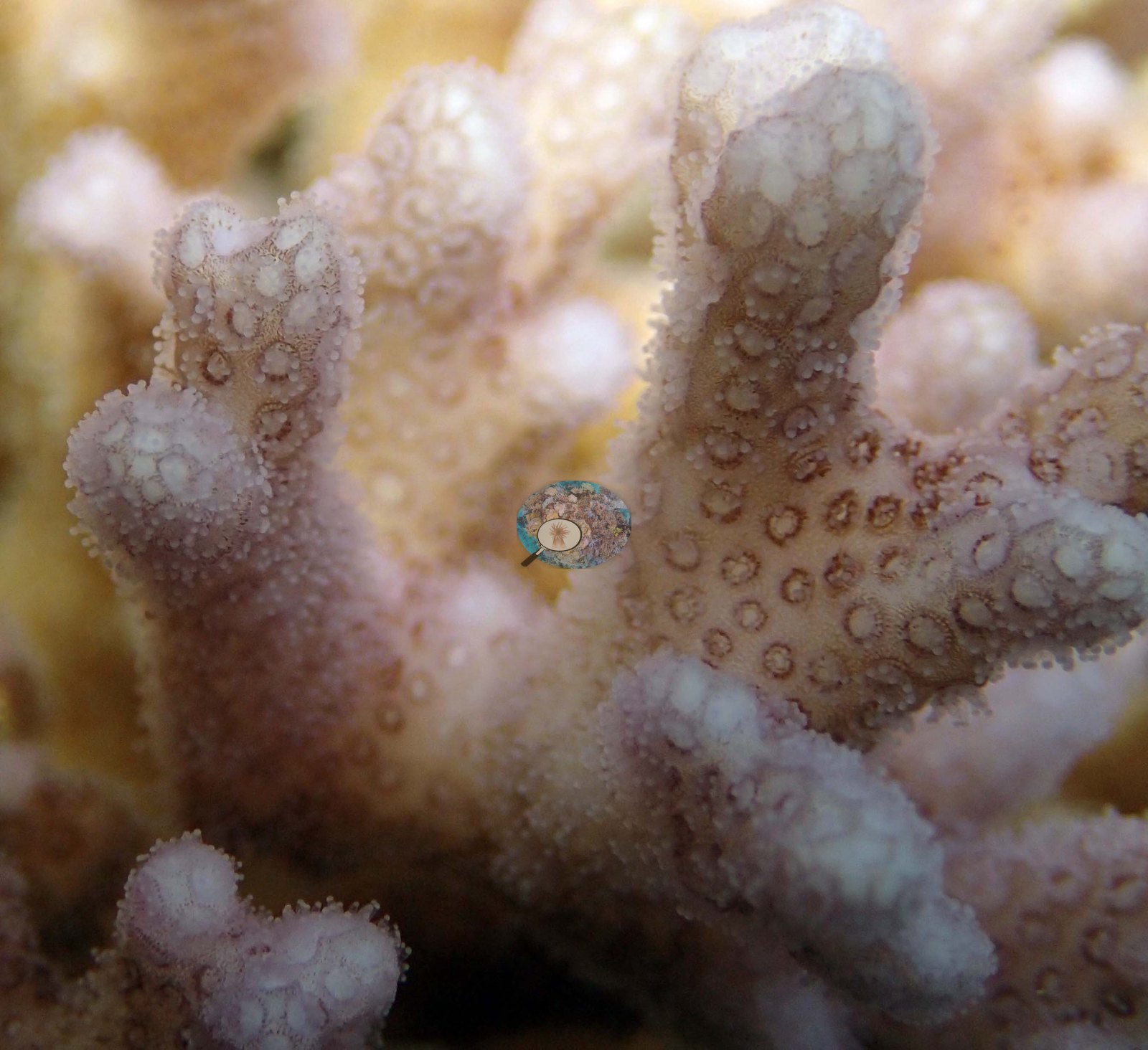
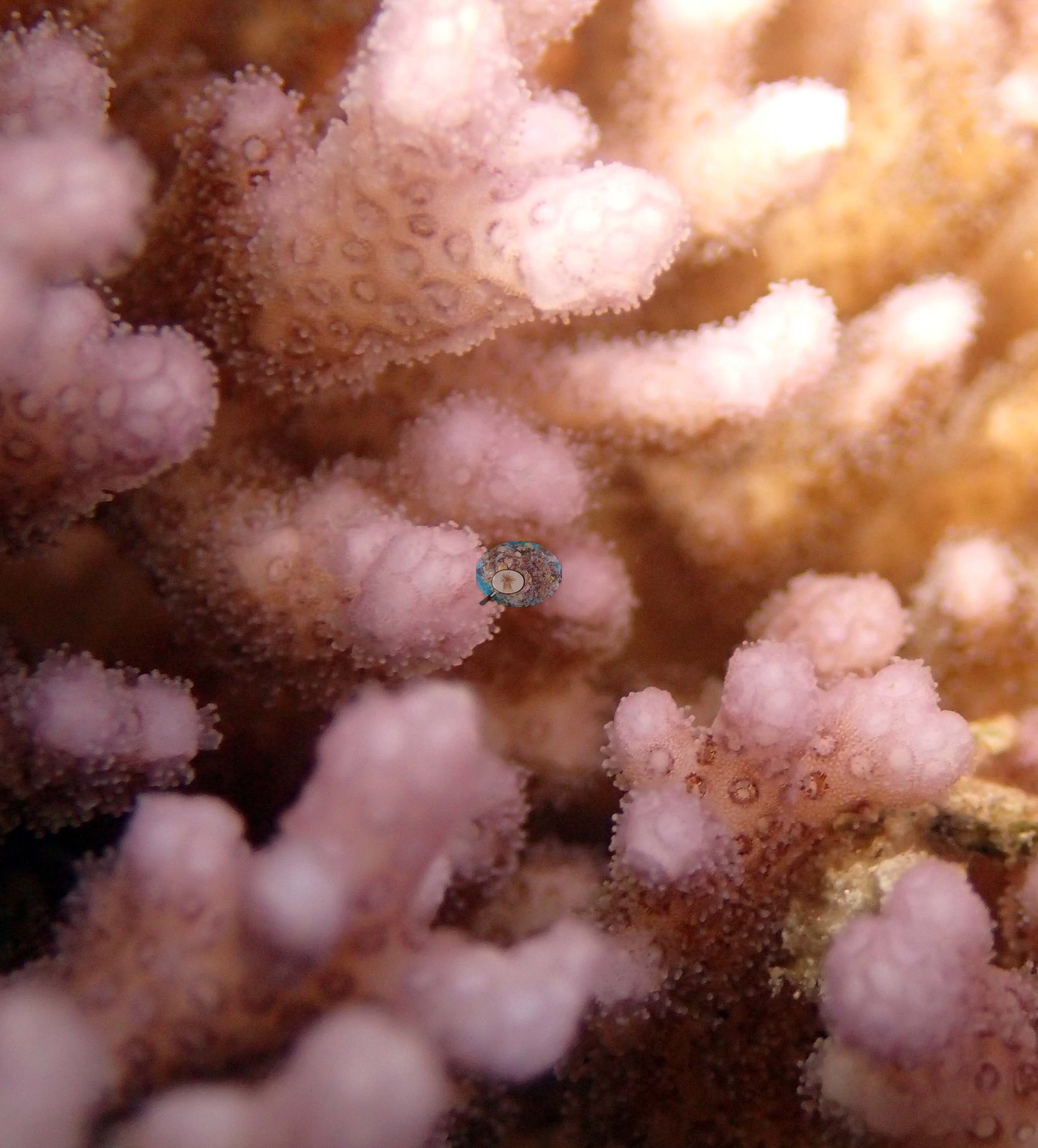
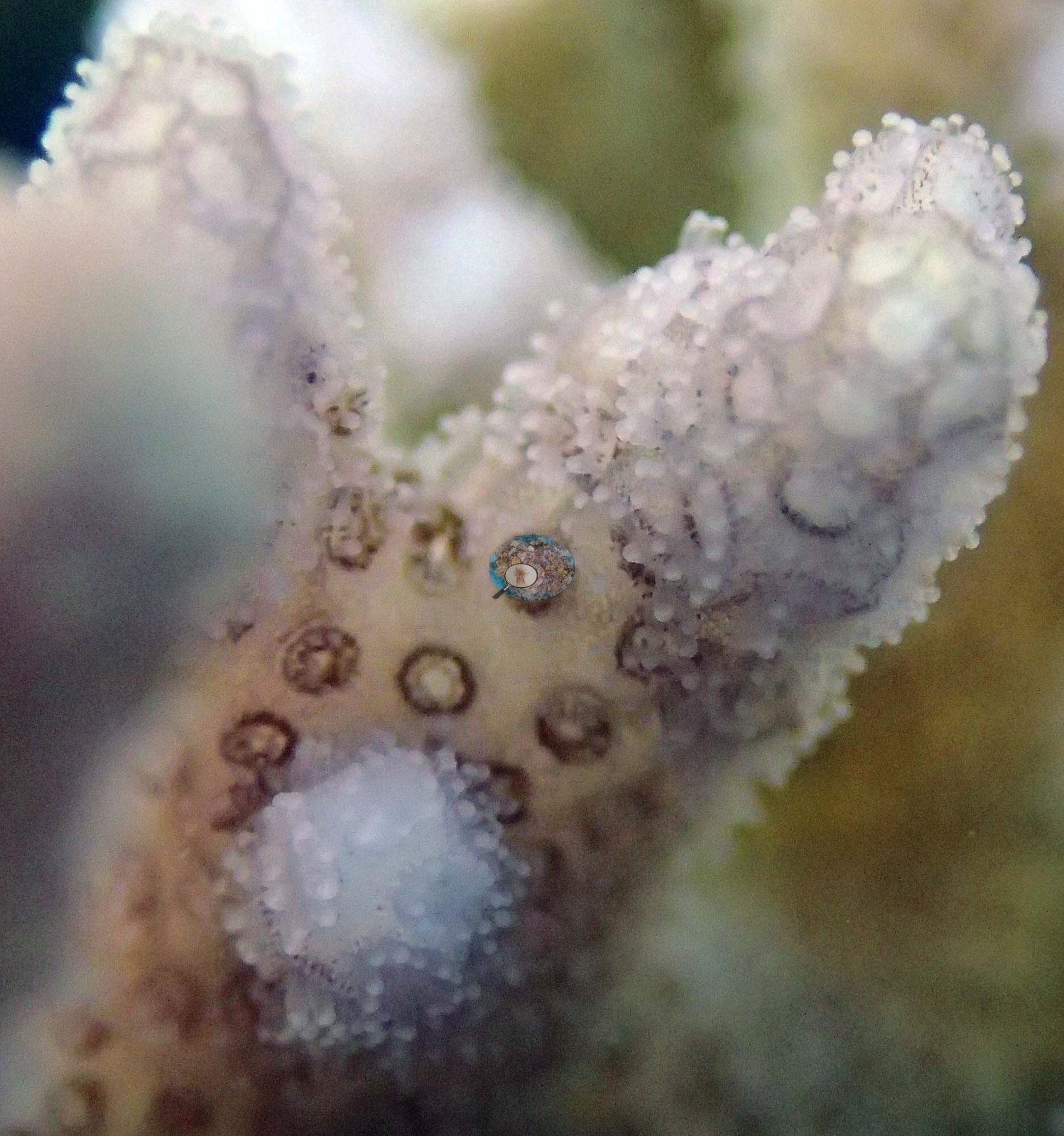
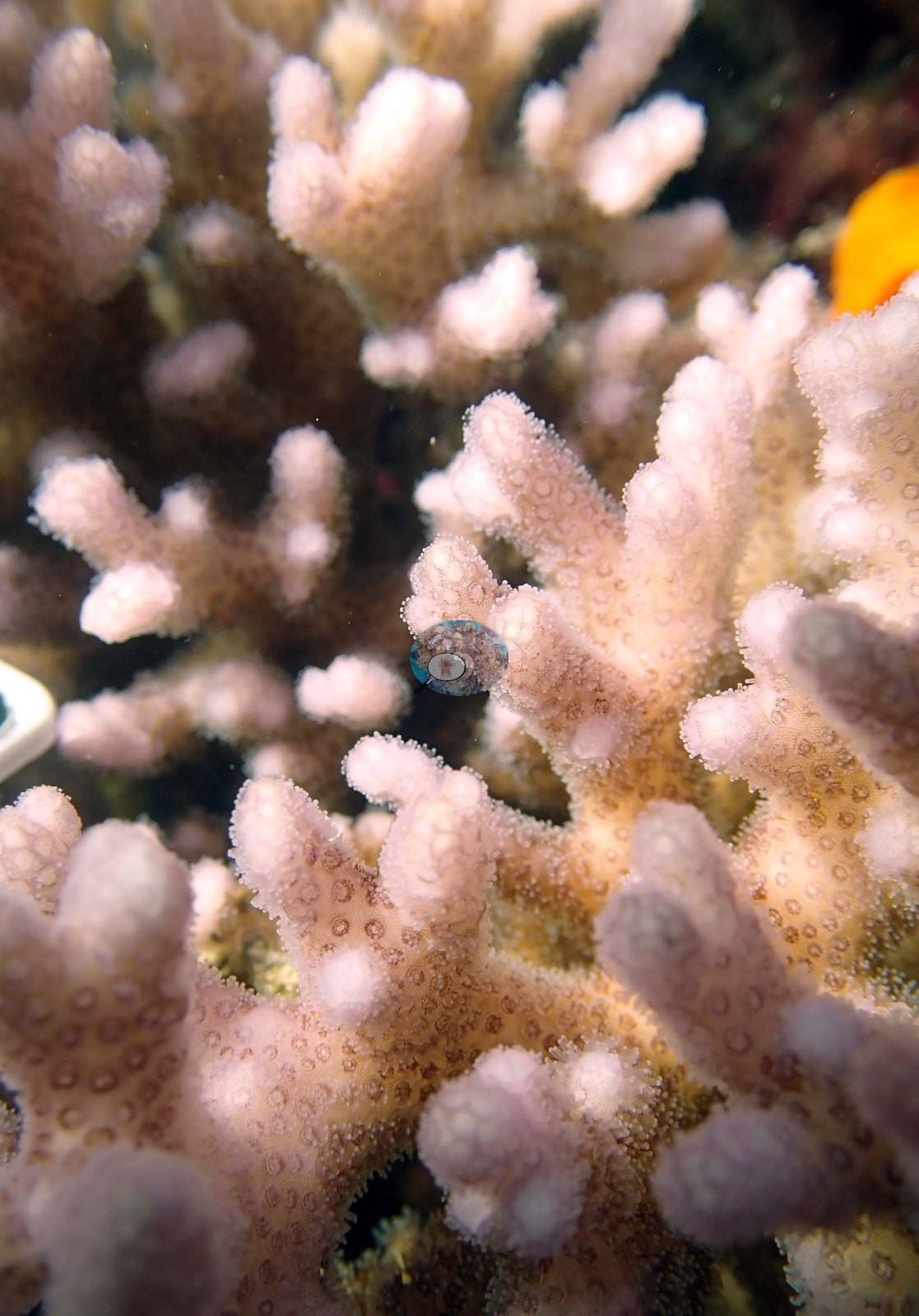
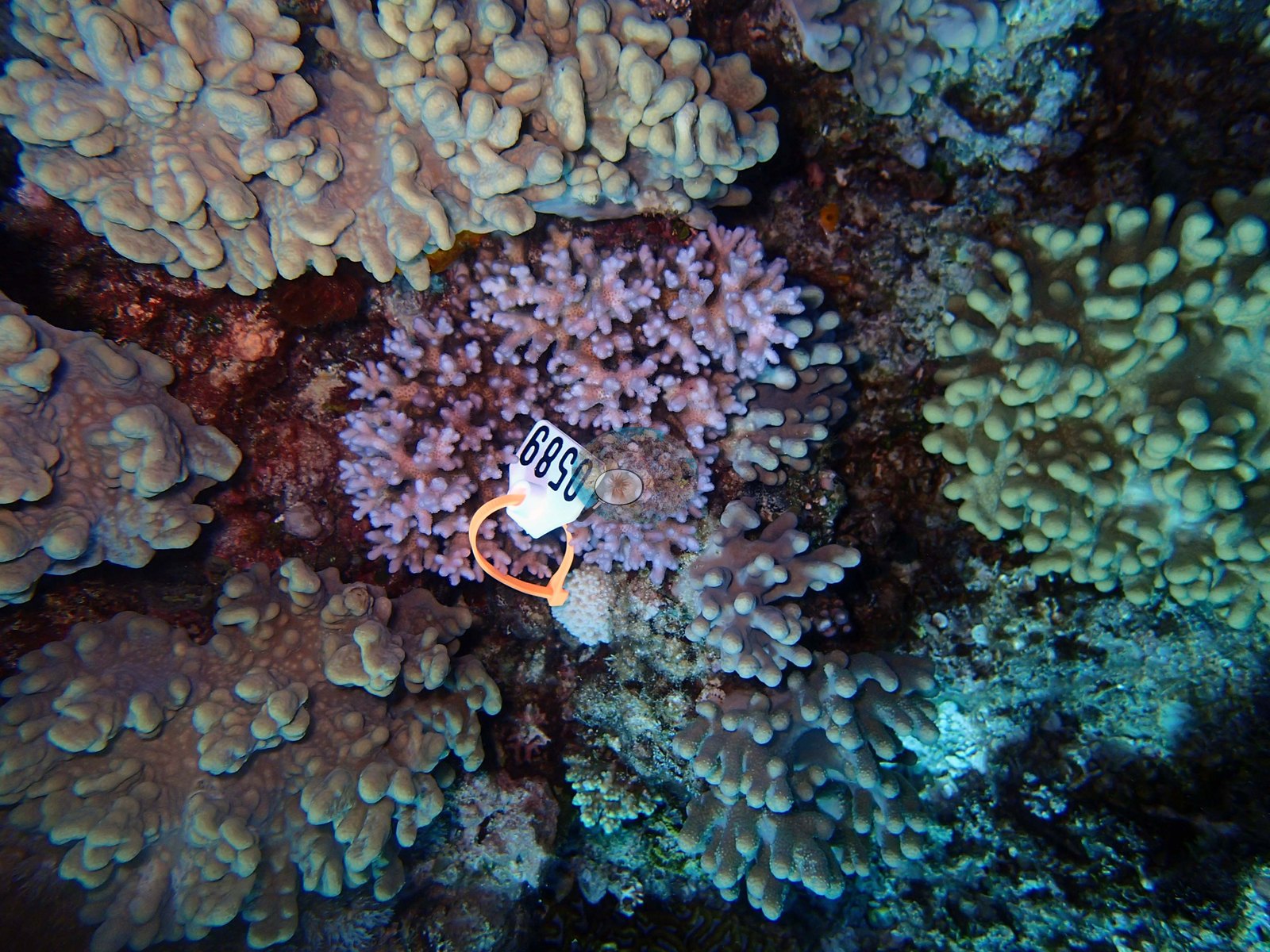
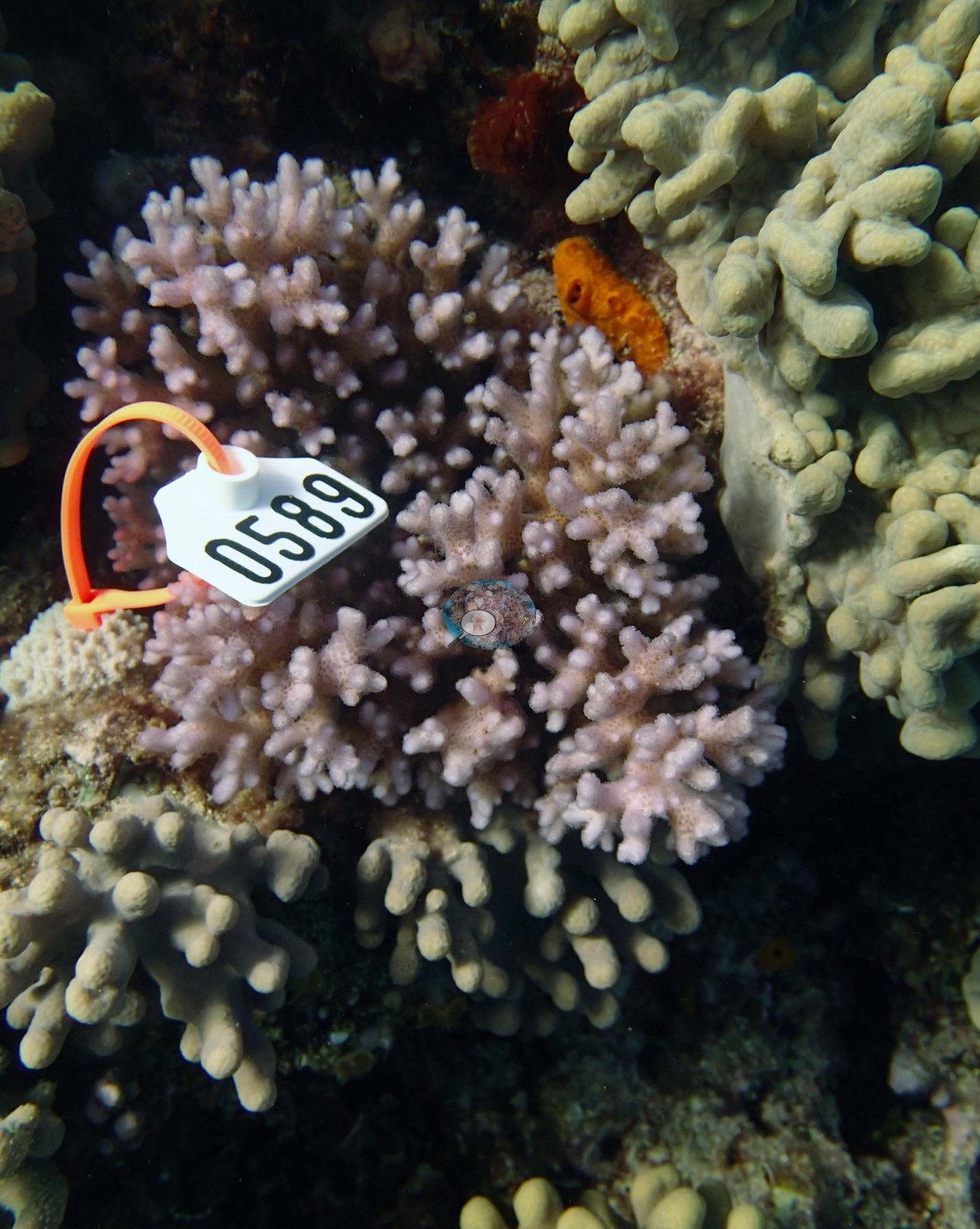
Anderson was busy sampling corals at this site, so the site description comes from the Living Oceans Foundation survey team's site notes and benthic transect data. Those transects recorded 25% hard coral cover. Anderson sampled 8 Pocillopora colonies here, numbered 18 to 25 in the expedition series: the seven with photo folders are labeled Pocillopora acuta (2) and Pocillopora damicornis (5), and colony 20 is recorded on the sampling sheet as Pocillopora sp. The sheet notes three of the eight as 5–20% bleached and one more as pale and possibly unhealthy. The photographs shown for this site are close-ups of the colonies Anderson sampled, so nothing here describes the reef's habitat, structure, or condition from imagery.
Data & links
- Download benthic survey data (CSV) ↗
- Download all LOF-GRE data (933 sites) ↗
- Photo portfolio ↗
- Coral Reef Diagnostics region page ↗
All images from Coral Reef Diagnostics. Data are from the Khaled bin Sultan Living Oceans Foundation Global Reef Expedition and Coral Reef Diagnostics.
© Coral Reef Diagnostics.
References
- Mayfield AB, Dempsey AC, Chen CS (2021). Assessing coral health in the Kingdom of Tonga with a coral health index. Platax 18:53-78. DOI
- Bruckner AW (2014). Global Reef Expedition: Kingdom of Tonga. Field Report. Khaled bin Sultan Living Oceans Foundation, Landover, MD. 28 pp. PDF