
Part of the regional summaries: Australia (GBR) - Far North: Green stations (no-take reefs) and Australia (GBR)
More info
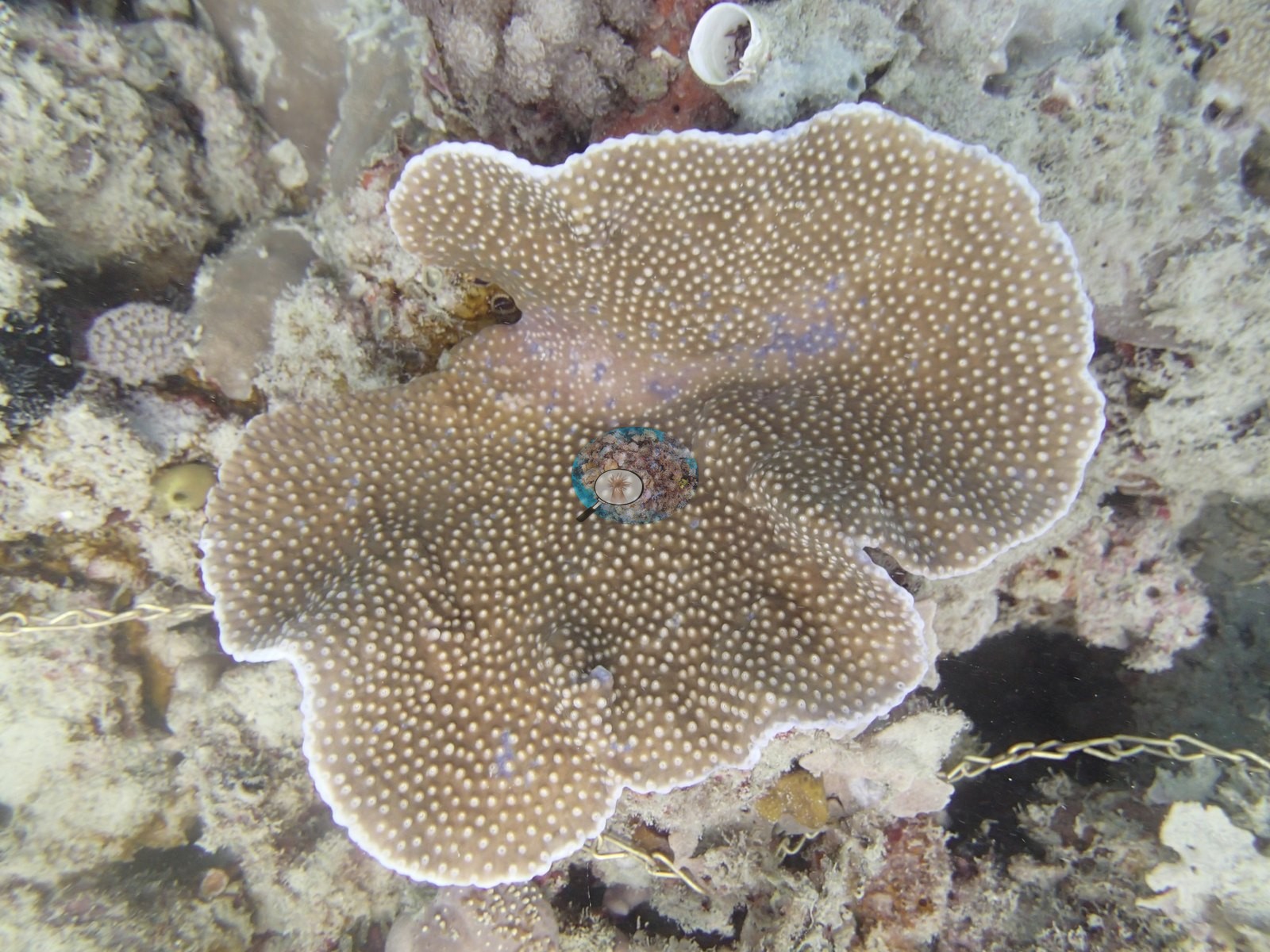
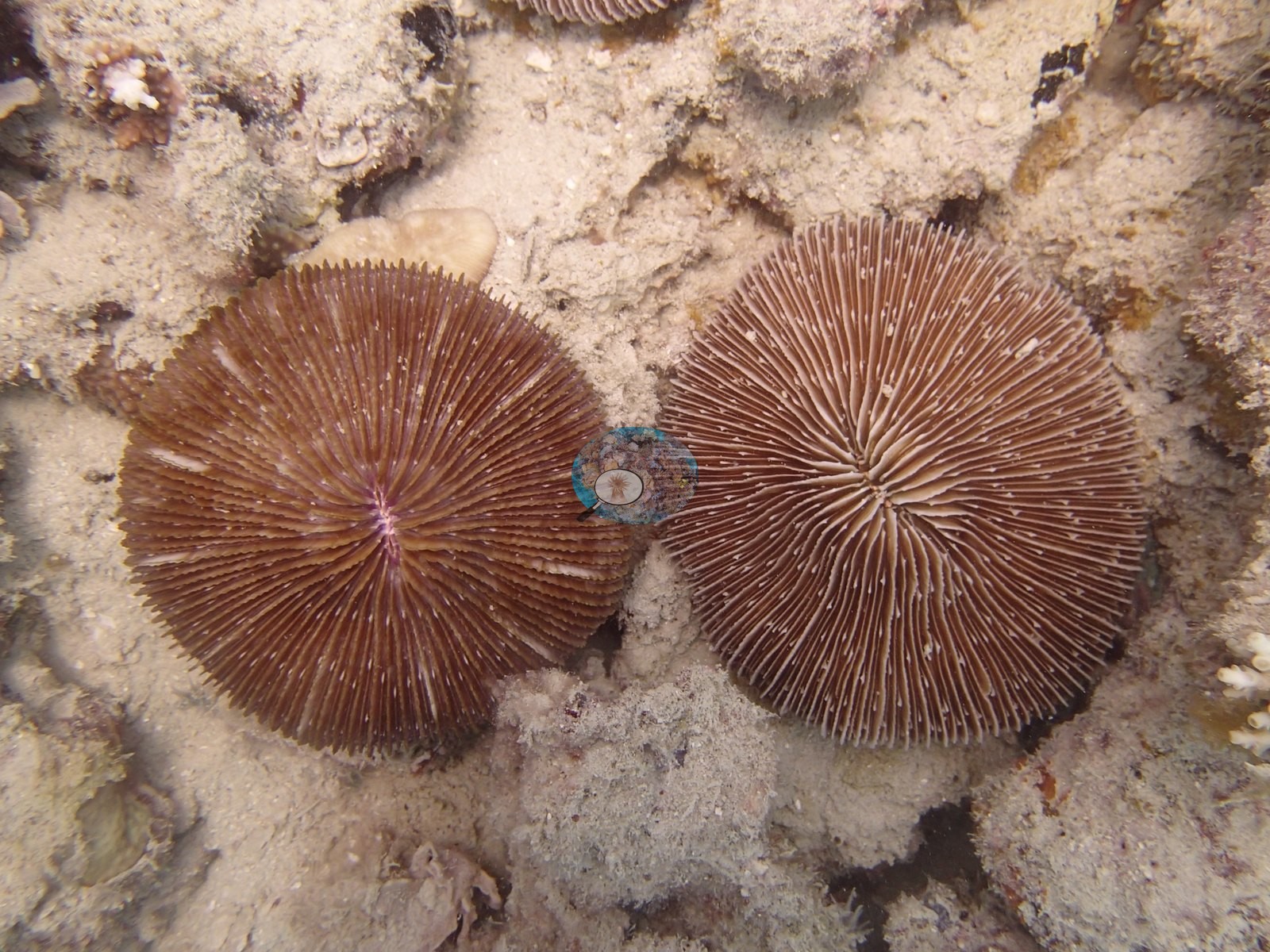
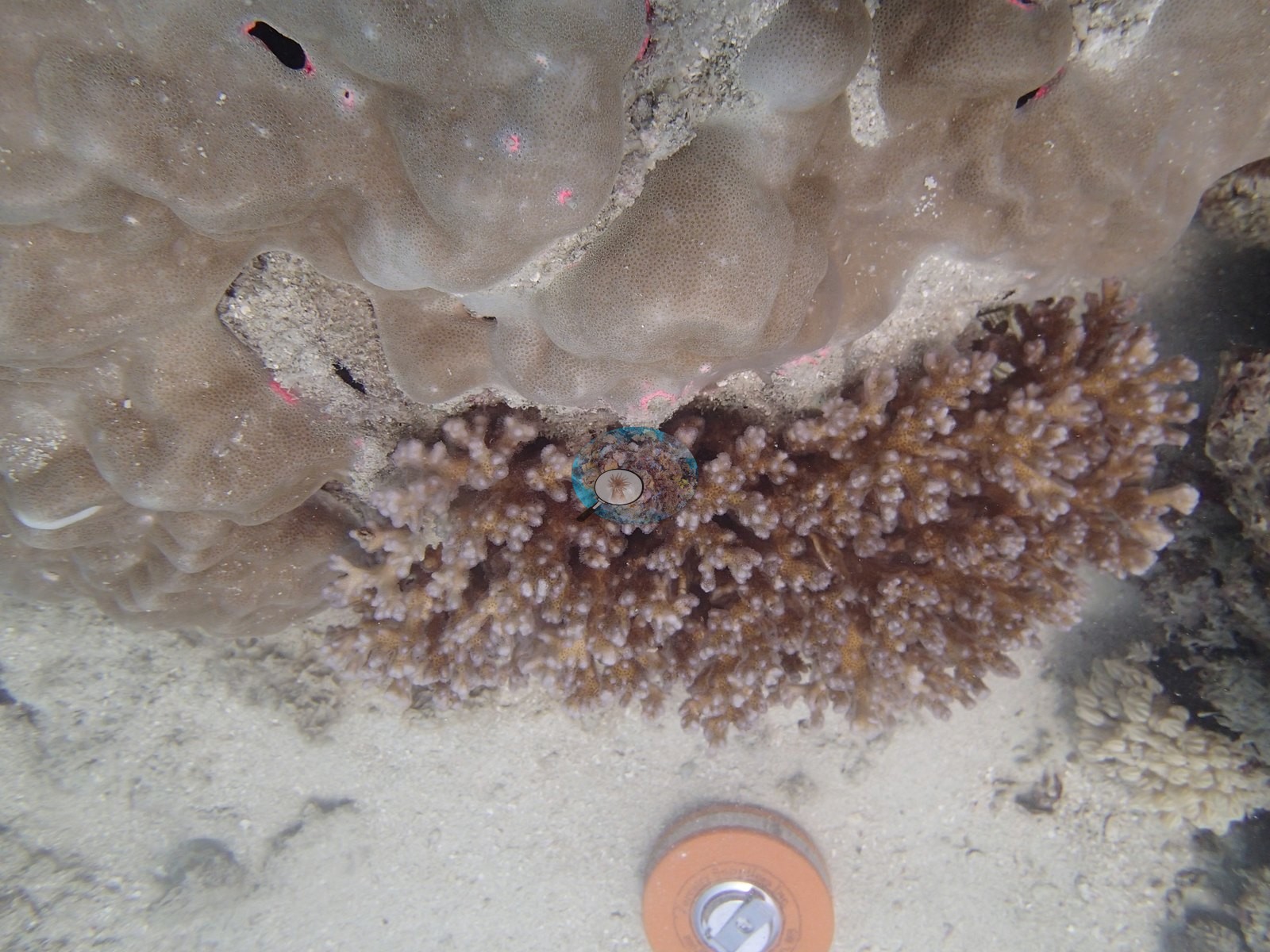
Far Northern GBR (NOAA CRW virtual station)A well-developed shallow shelf on Monkman Reef crowded with brain corals, Diploastrea, Lobophyllia, and Turbinaria, with no corals found past 16-17 m. Several needle corals on the flat were visibly sickly, and two stingrays were the marine-life highlight. Surveyed on the Living Oceans Foundation's Global Reef Expedition.
Eleven other CRD dive sites within 5 km shown in orange — click a marker to open its page.
🗺 Detailed map of the Global Reef Expedition dive sites, Parkinson and Monkman Reefs, northern Great Barrier Reef (Khaled bin Sultan Living Oceans Foundation; opens in a new window)
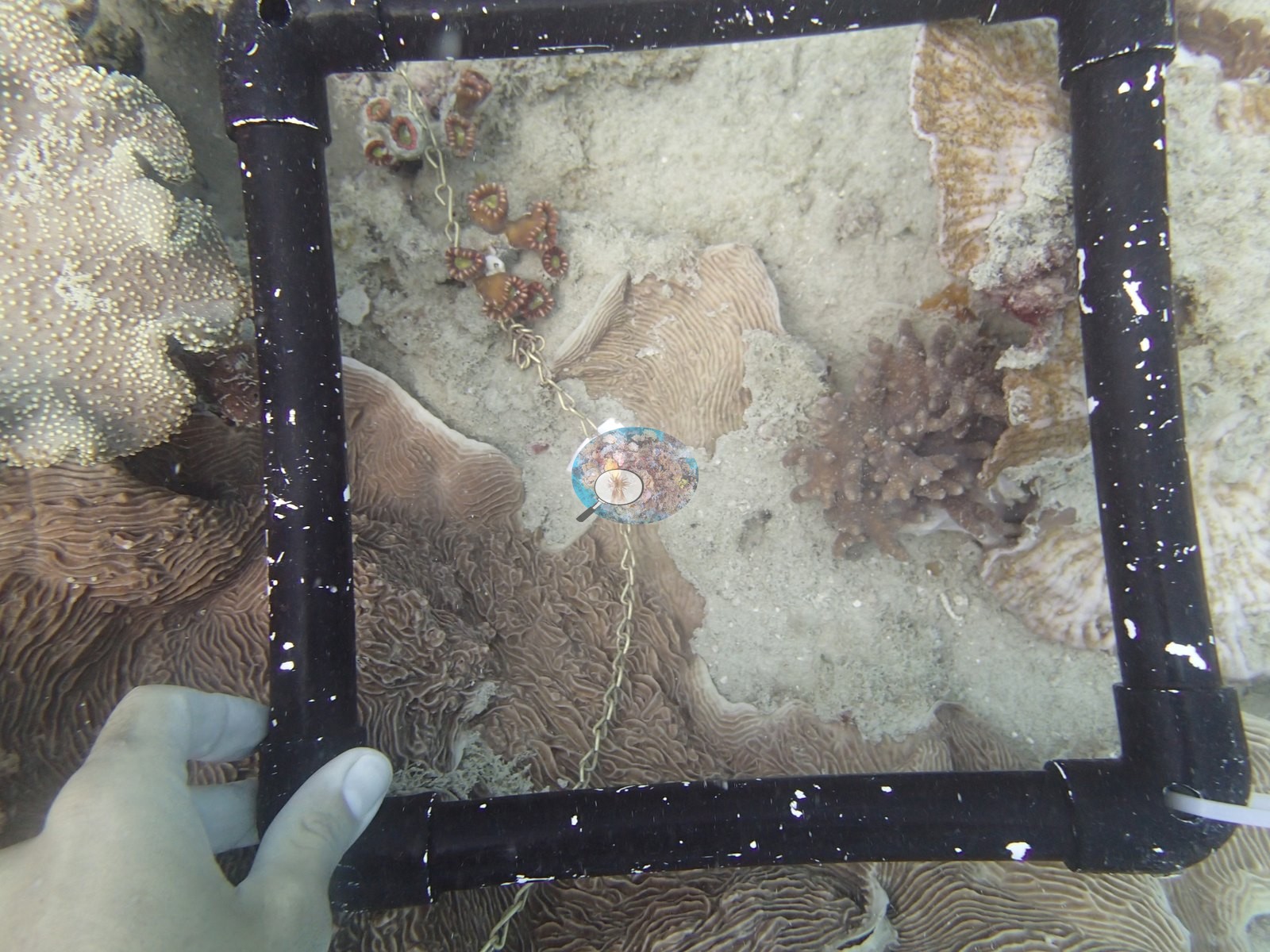
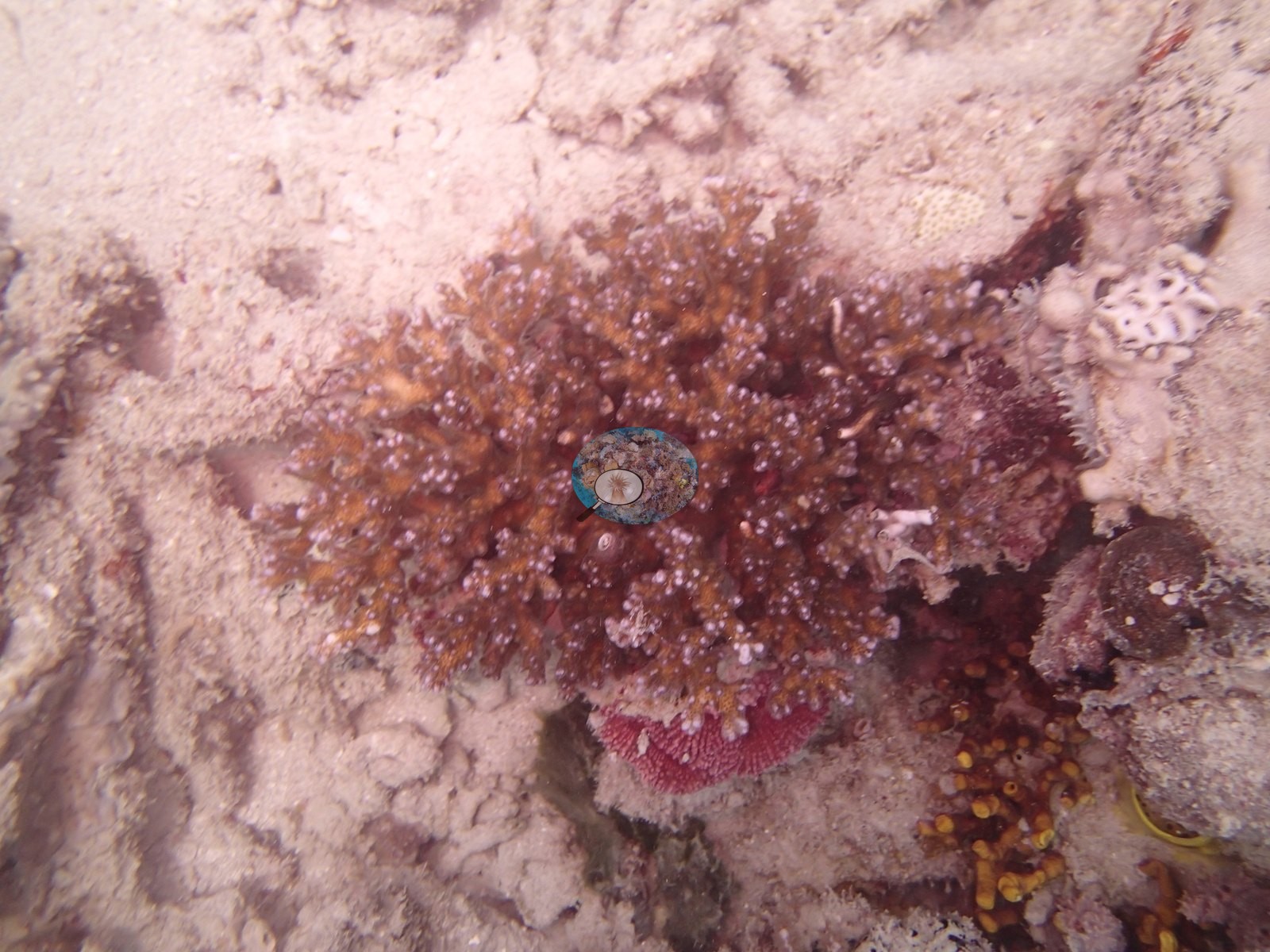
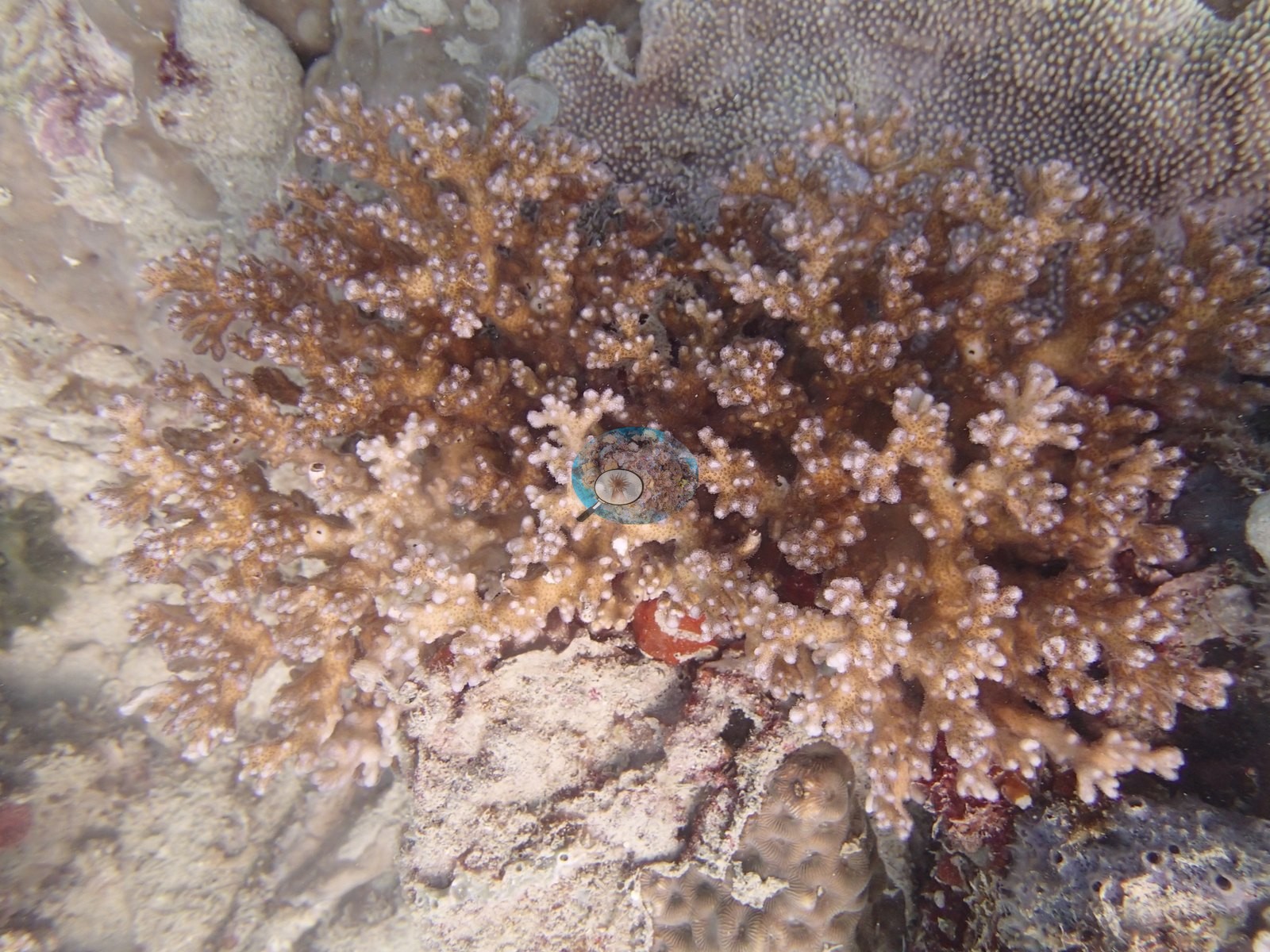
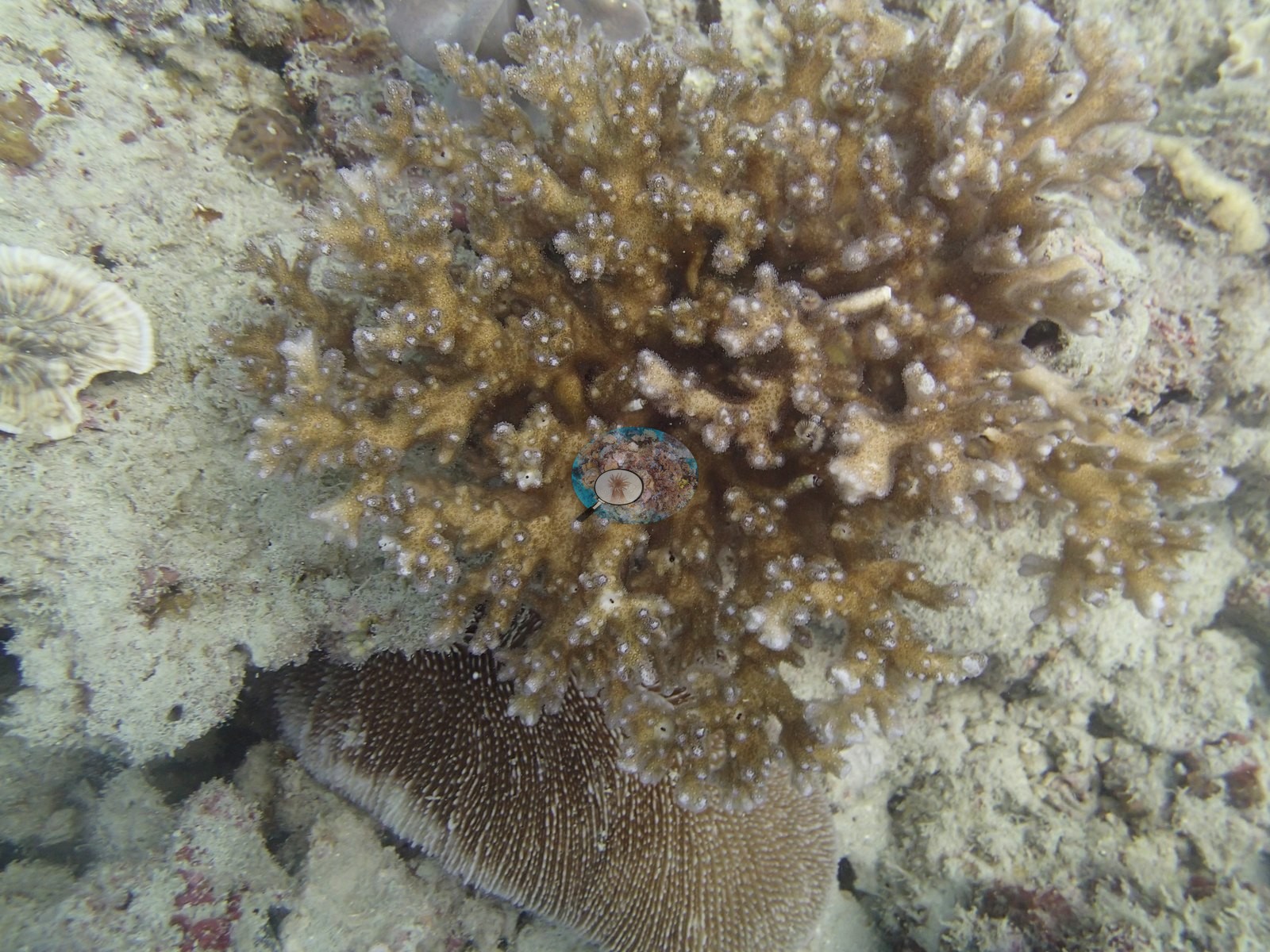
Site description
Setting
A no-take Marine National Park Zone, open to visitors but off-limits to collection. The expedition's own site table classifies AUMO99 as an inner open lagoon reef on an intermediate aspect.
General benthic features
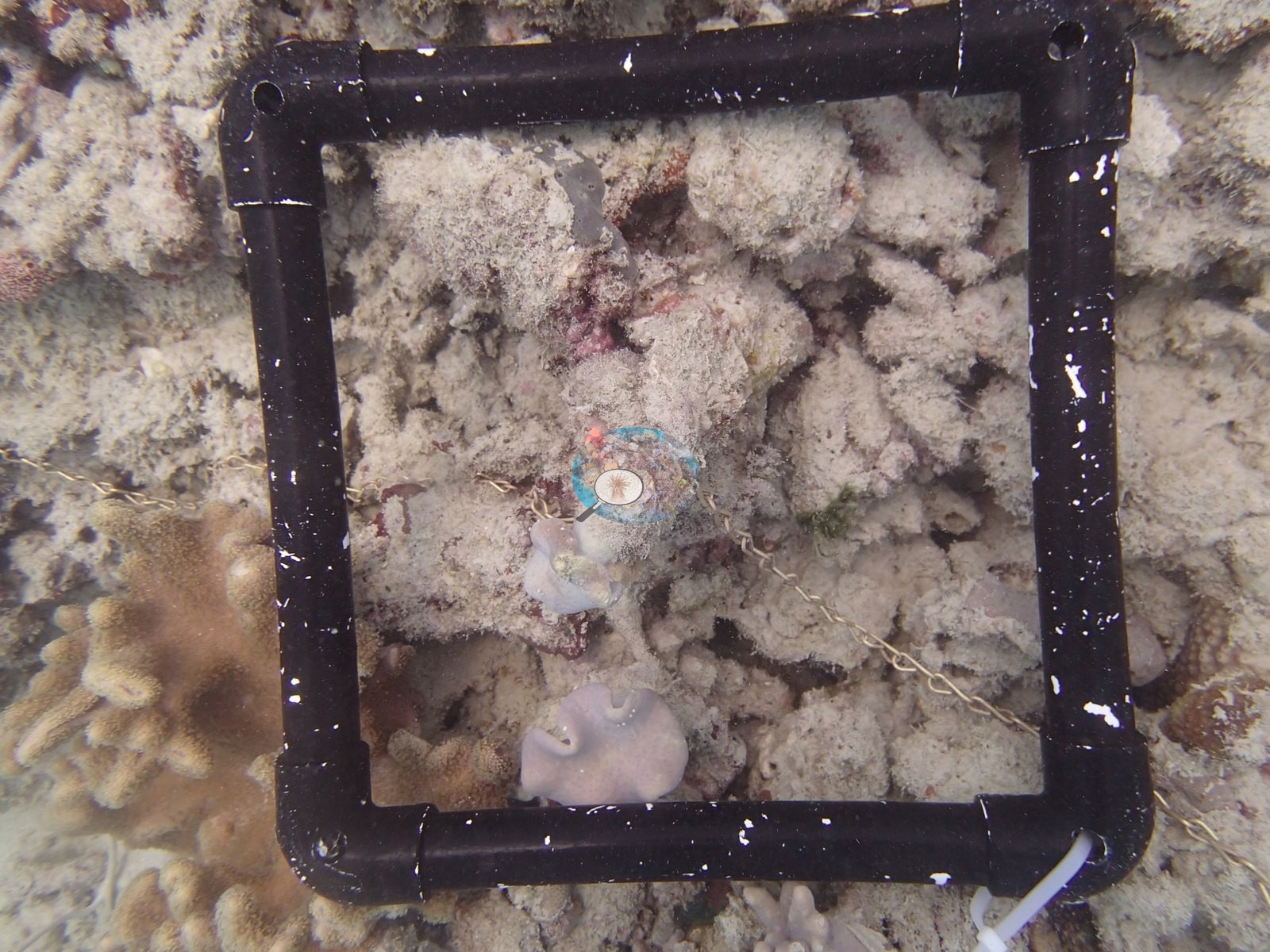
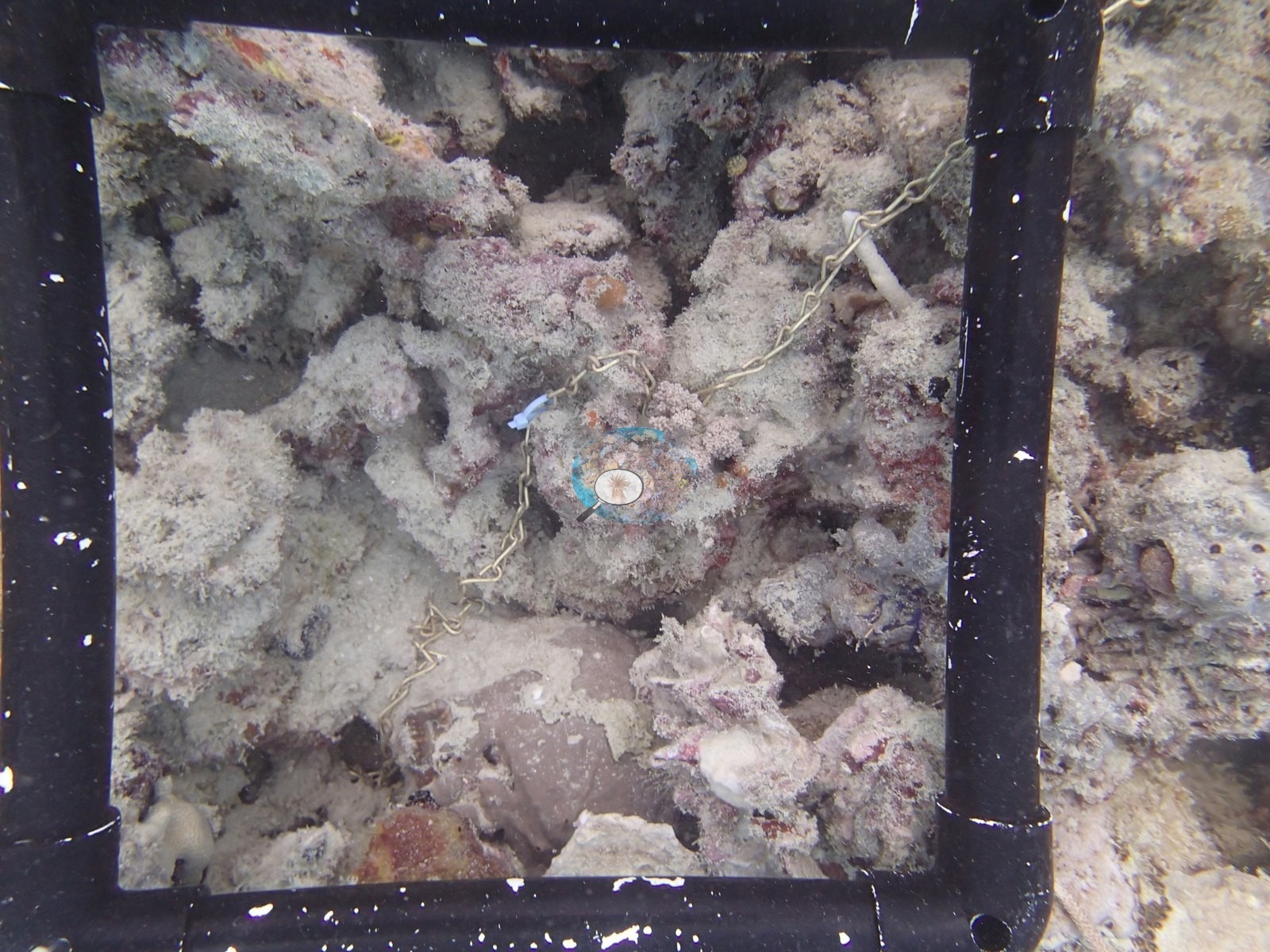
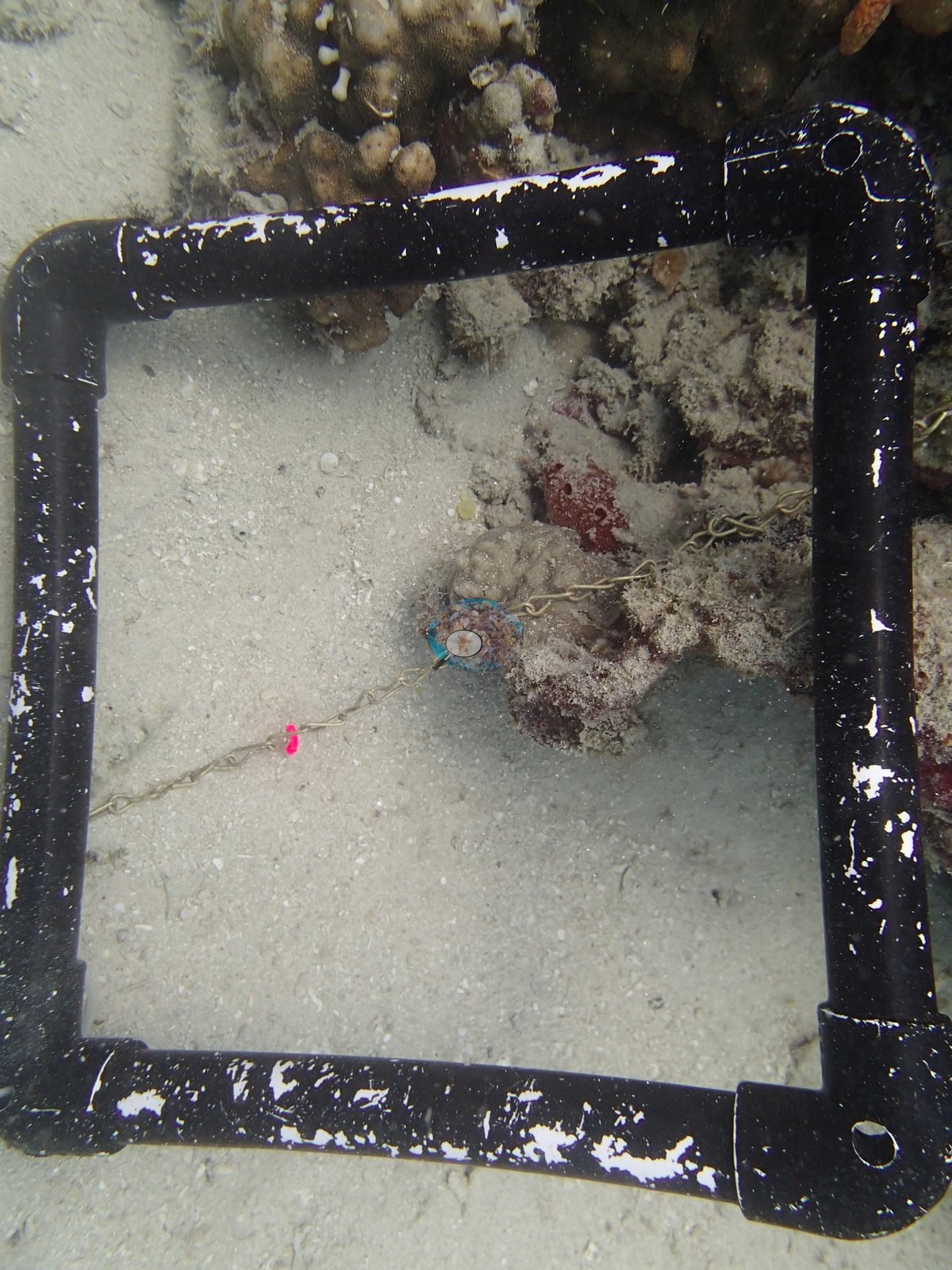
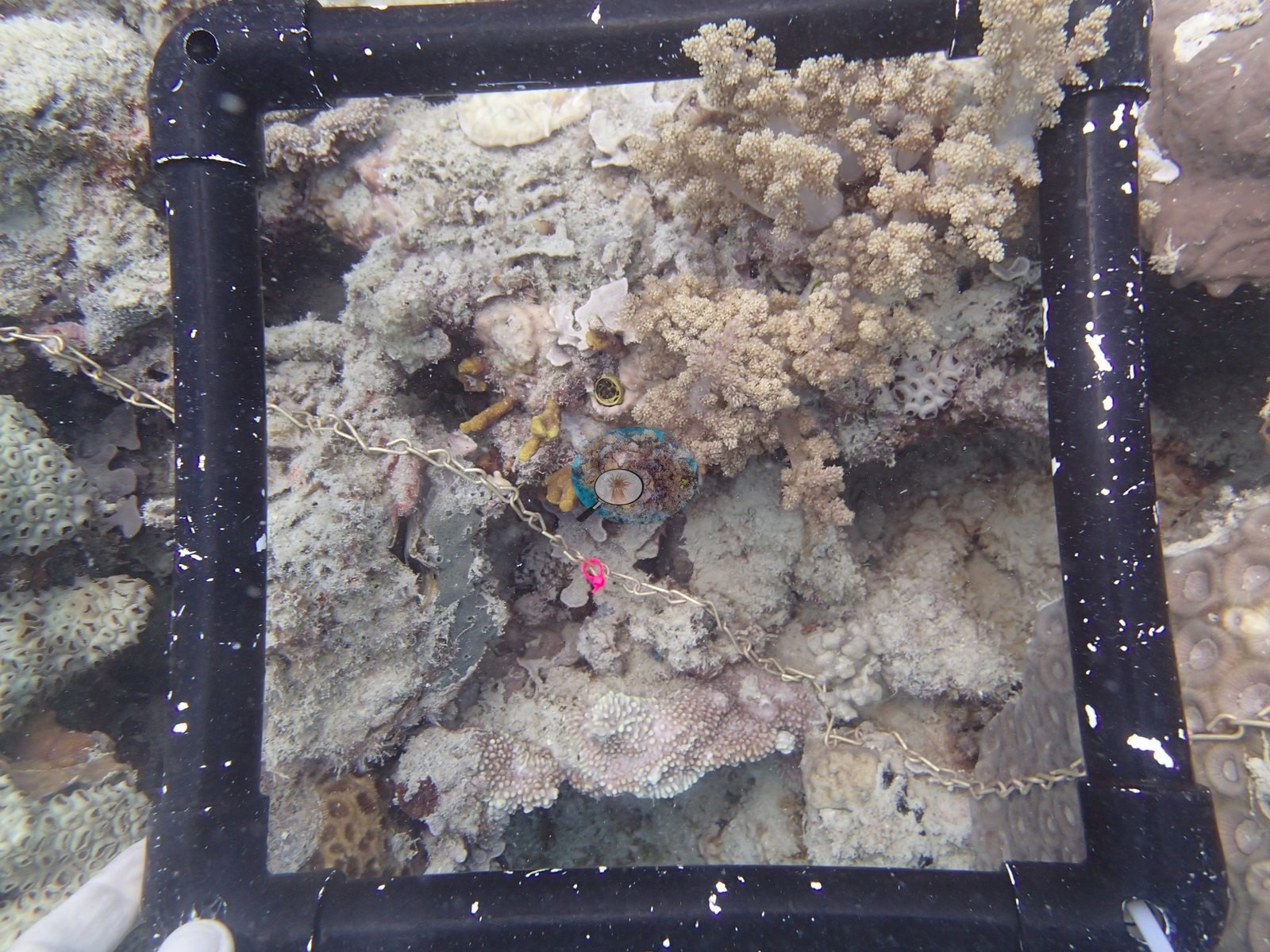
On Monkman Reef's second dive no corals grew deeper than 16-17 m, but the 5-8 m reef flat compensates with real diversity: Platygyra, Diploastrea, S. pistillata, Lobophyllia, and Turbinaria all crowding a well-developed shallow shelf. Alongside the hard coral already reported for this site, the same transects recorded 11% turf. Non-living substrate came to 4.0% dead coral, 6.0% rubble, and 21% sand. These figures come from the expedition's own 933-site benthic master and are survey results, not photographic estimates.
Coral cover
- Reference: Khaled bin Sultan Living Oceans Foundation, Global Reef Expedition (in situ transect)
- Anderson's own transects at 10-15 m ran 5-15% live coral by eye, on sand-broken ground, apart from one particularly rugged stretch near 10 m that hit 40-50% cover and the dive's highest species count; the GRE survey transects recorded 28%.
- Transect mean 28 ± 17% SE (n = 2 transects; Living Oceans Foundation per-transect benthic data); the headline above is the expedition's station value.
Stressors
Not everything up there looked healthy, though — several needle coral (Seriatopora hystrix) colonies on the flat were visibly sickly, even as others nearby "still looked okay."
Fish and other fauna
Two stingrays were the marine-life highlight. Paired fish transects recorded about 28 fish species per transect and about 20 kg per 100 m2 of biomass.
Comparisons with other data
No prior survey data from this site. If you would like to share yours, please email us.
Data & links
- Download benthic survey data (CSV) ↗
- Download all LOF-GRE data (933 sites) ↗
- Photo portfolio ↗
- Coral Reef Diagnostics country page ↗
All images from Coral Reef Diagnostics. Data are from the Khaled bin Sultan Living Oceans Foundation Global Reef Expedition and Coral Reef Diagnostics.
 © Coral Reef Diagnostics.