
Part of the regional summaries: Australia (GBR) - Far North: Green stations (no-take reefs) and Australia (GBR)
More info
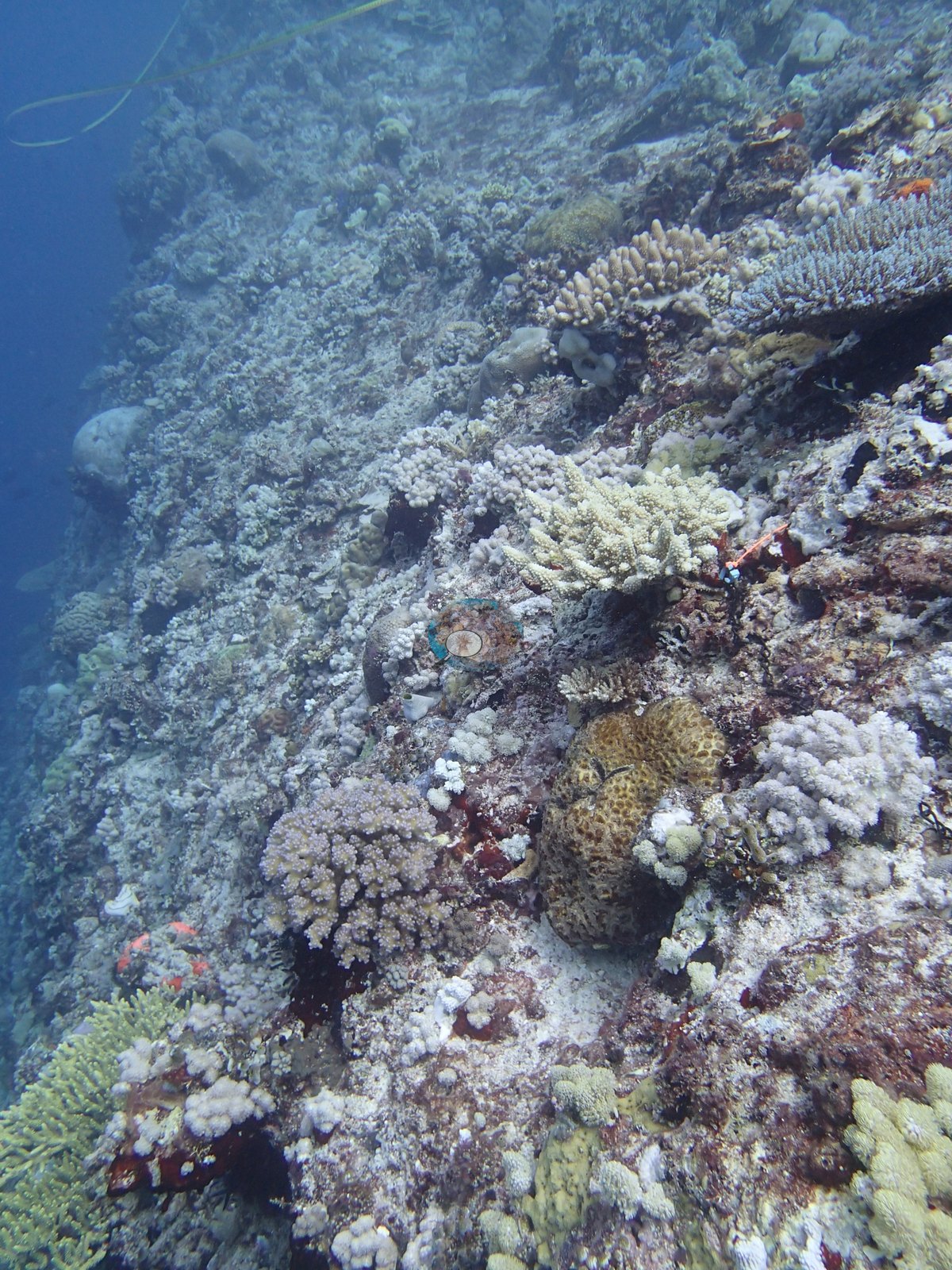
Far Northern GBR (NOAA CRW virtual station)A terraced station on wave-scoured limestone with little loose rubble, where Pocillopora, Stylophora, and Acropora dominate the wave-battered shallows, which his notes describe as low in coral cover. A current that spiked to 3-4 knots cut the dive short, and assertive gray reef sharks and the trip's first octopus were logged. Surveyed on the Living Oceans Foundation's Global Reef Expedition.
Eleven other CRD dive sites within 5 km shown in orange — click a marker to open its page.
🗺 Detailed map of the Global Reef Expedition dive sites, unnamed reefs 11-122, 11-096, and 11-091, northern Great Barrier Reef (Khaled bin Sultan Living Oceans Foundation; opens in a new window)
Site description
Setting
Global Reef Expedition station AU96117 on Unnamed Reef 11-096, far northern Great Barrier Reef (-11.4296, 143.9669), surveyed on 24 September 2014, in a Marine National Park (Green) Zone open to look-but-don't-take diving.
General benthic features
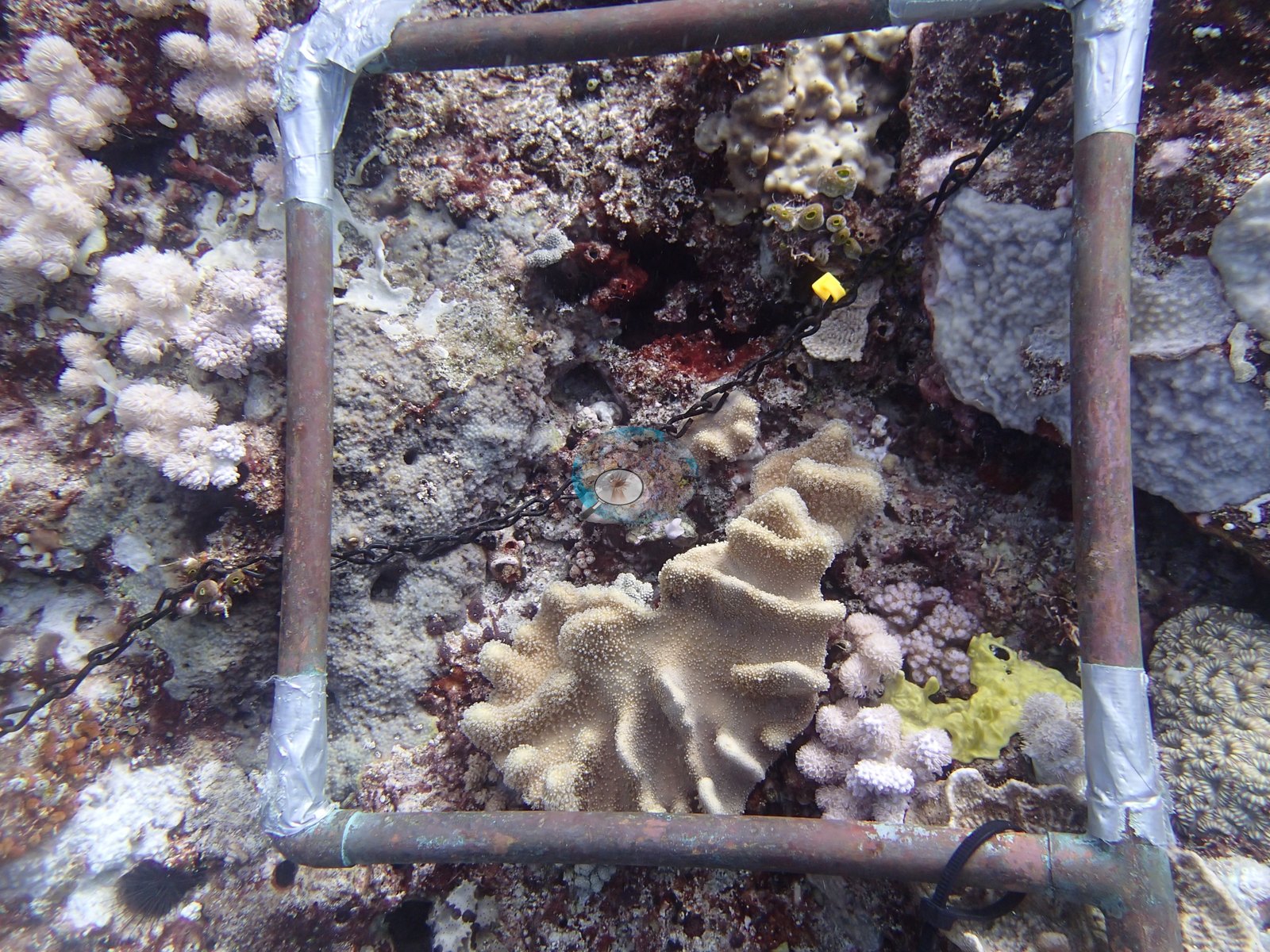
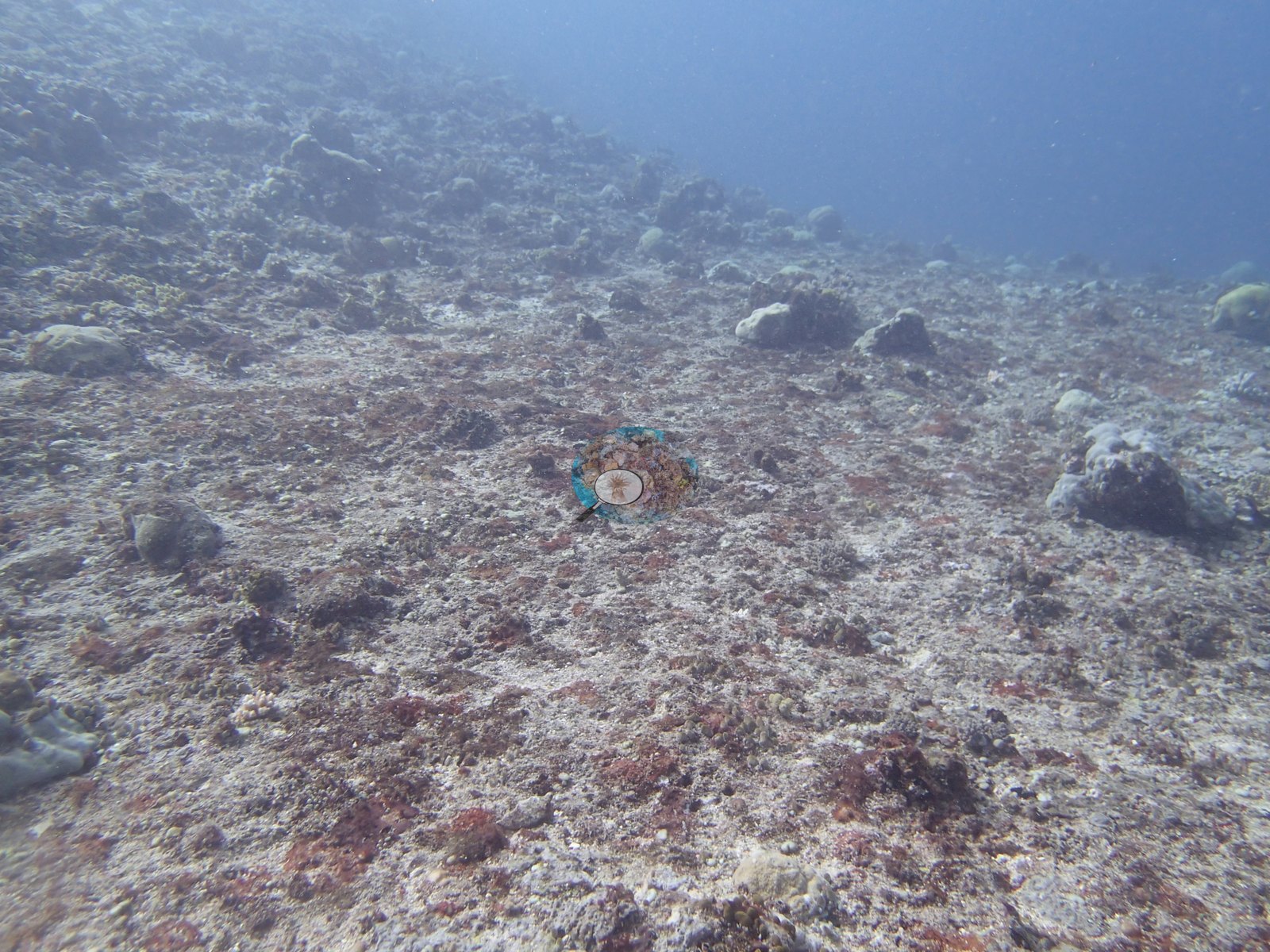
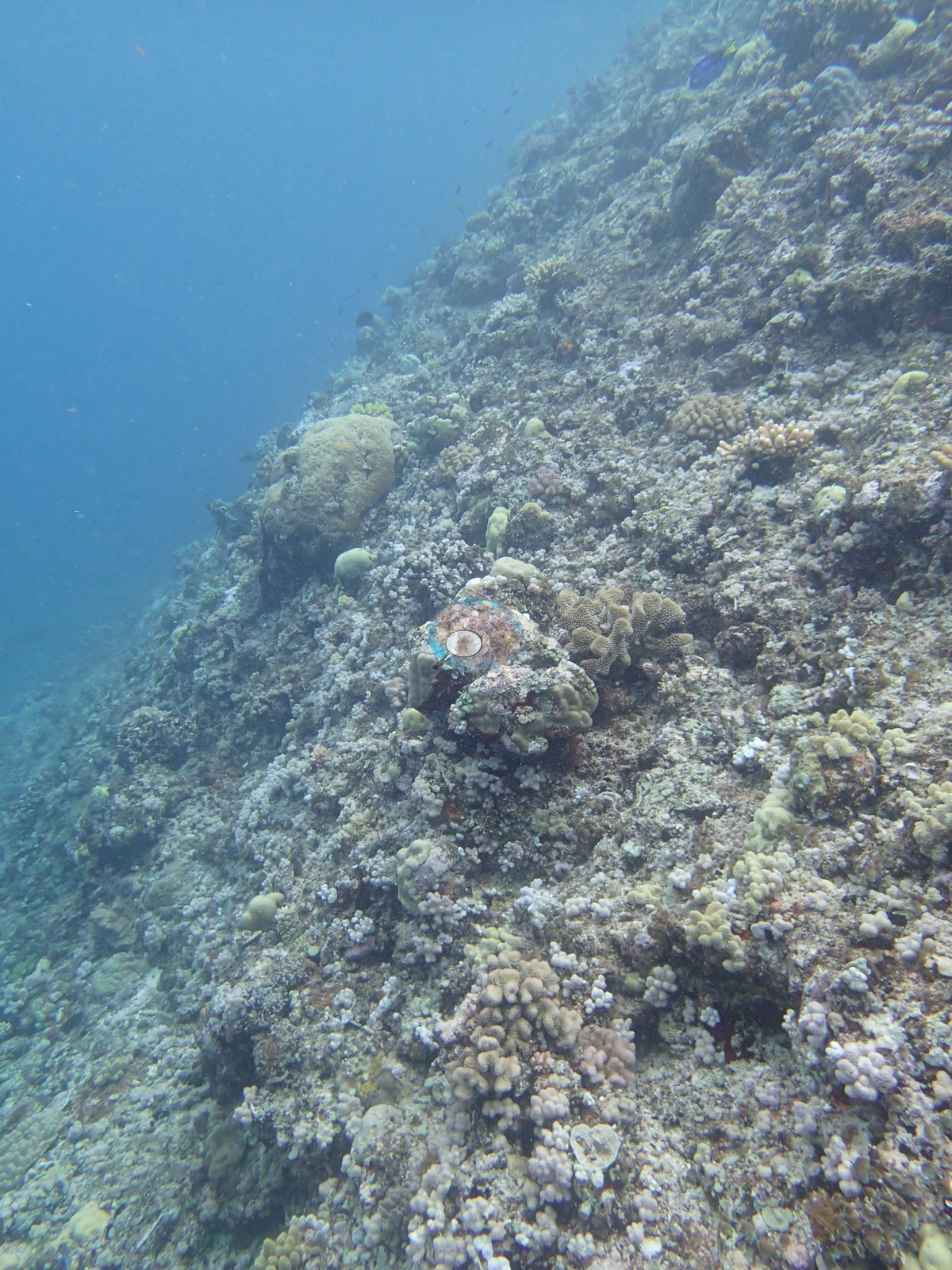
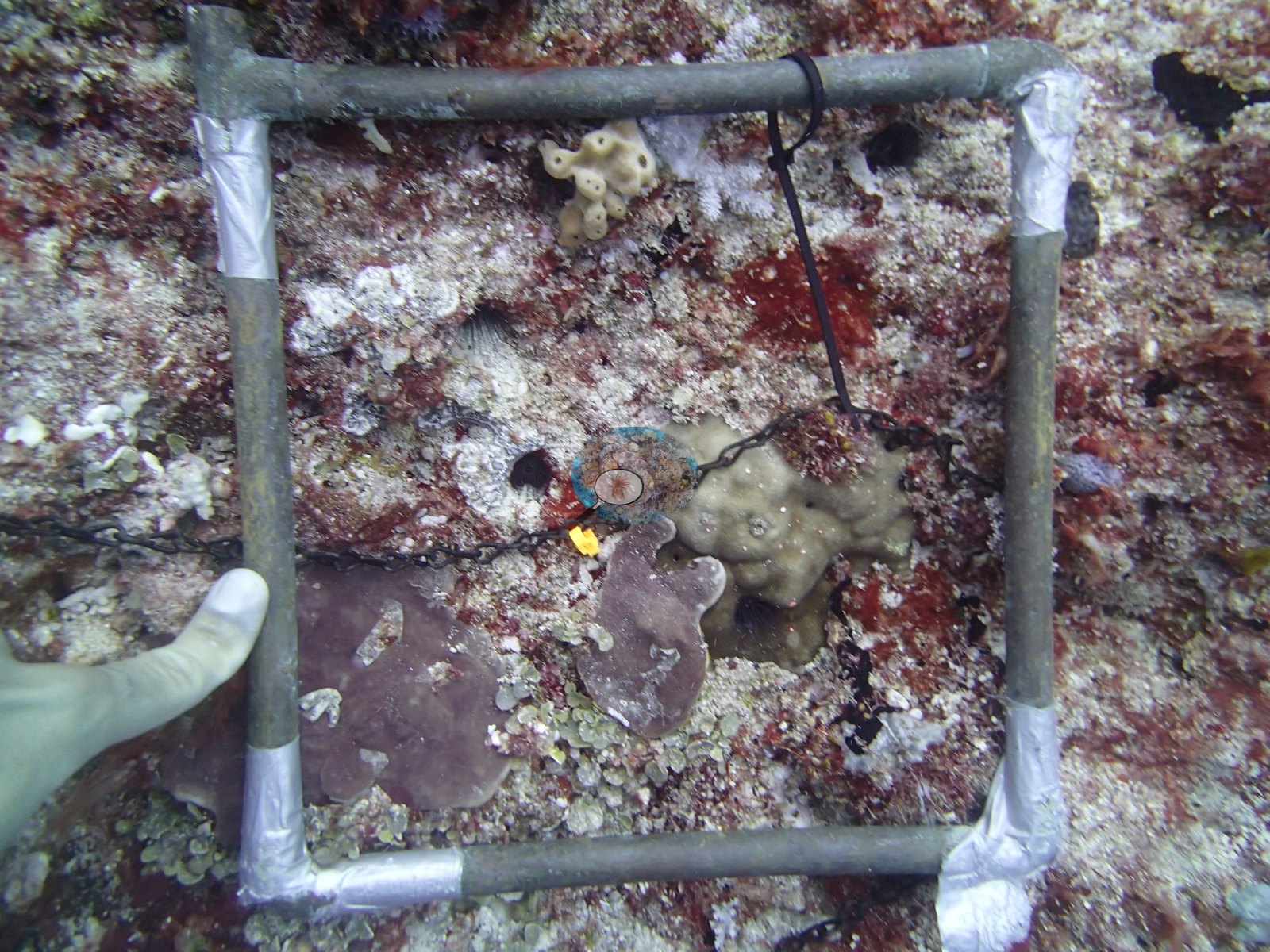
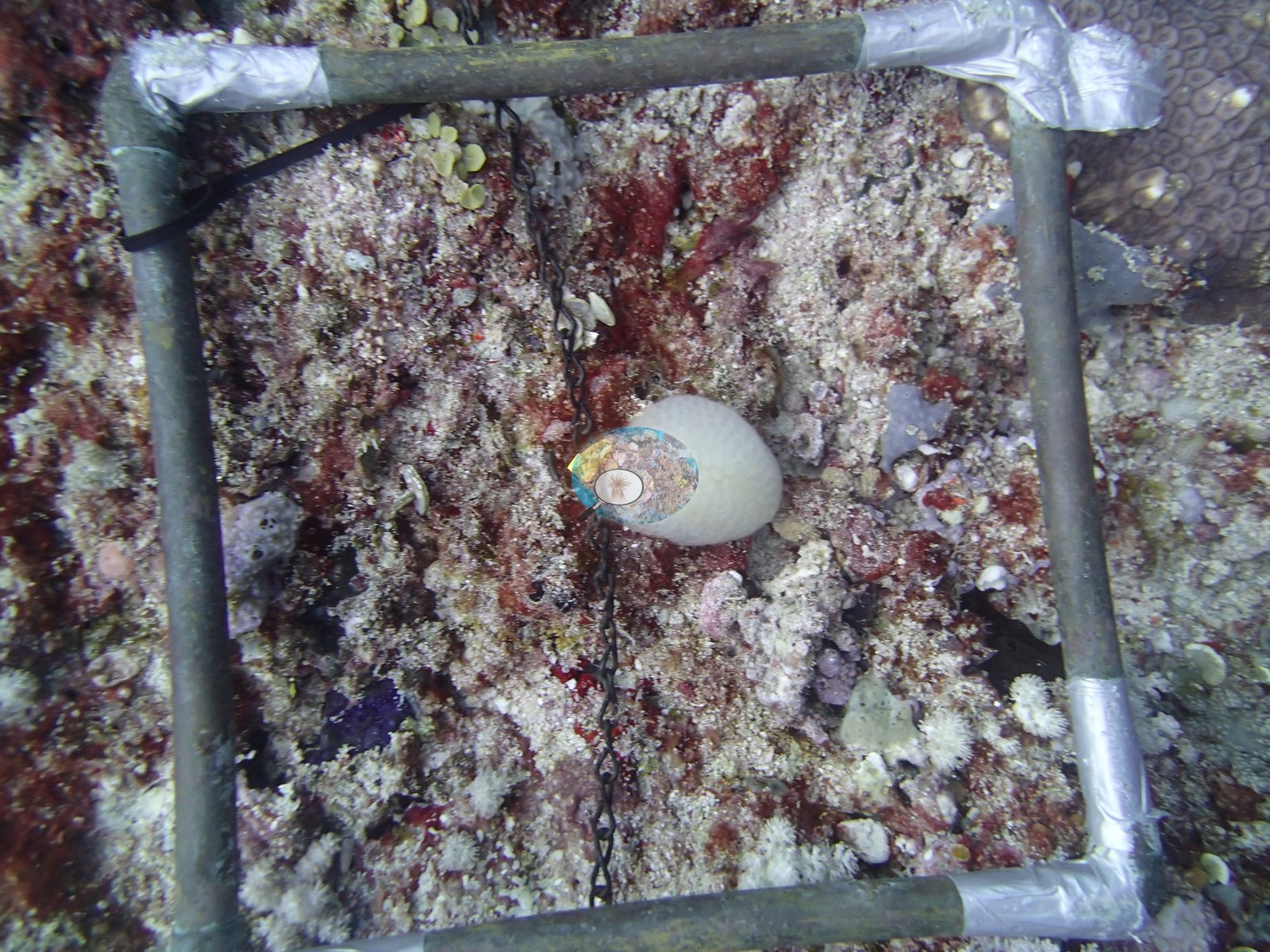
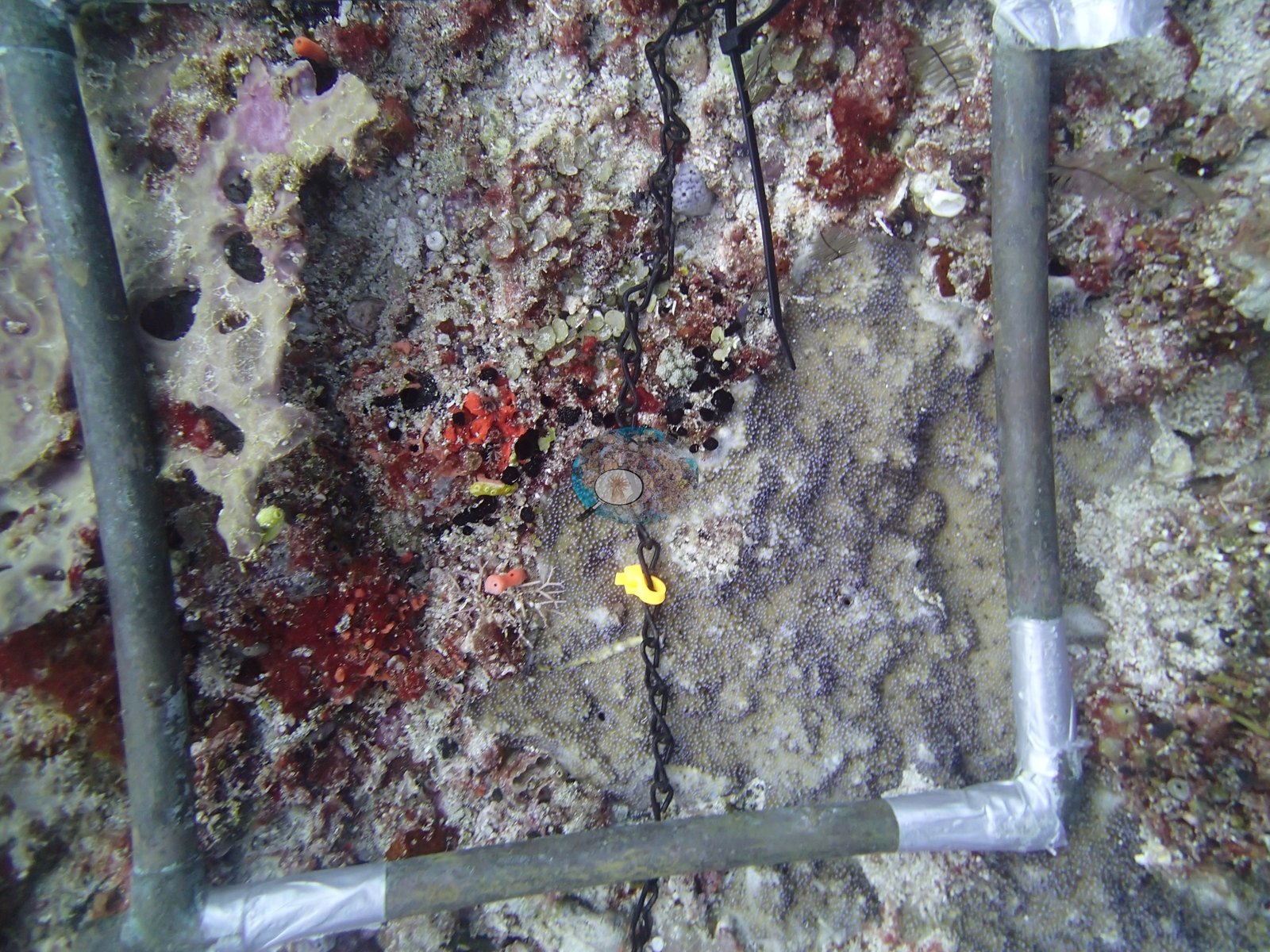
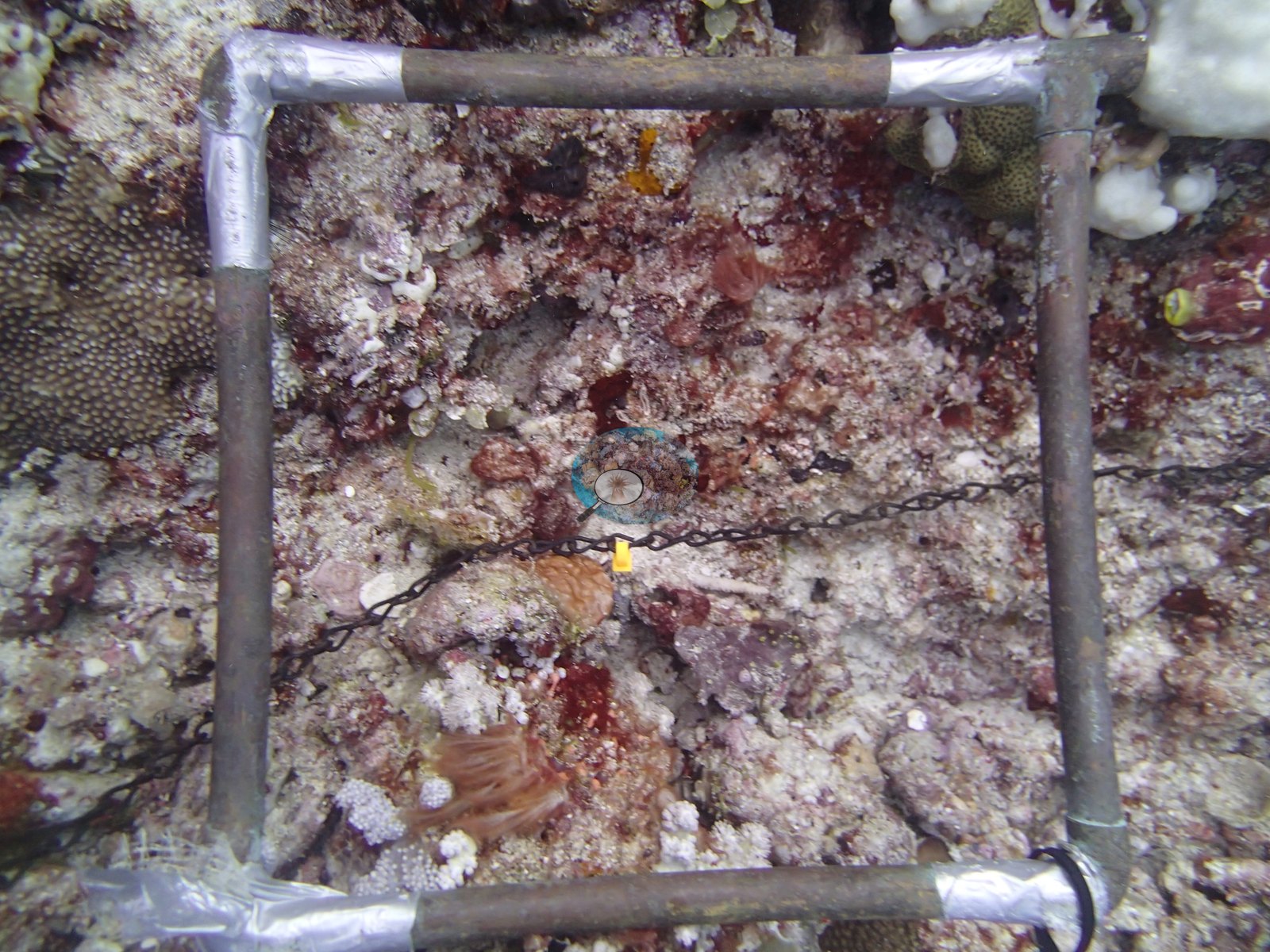
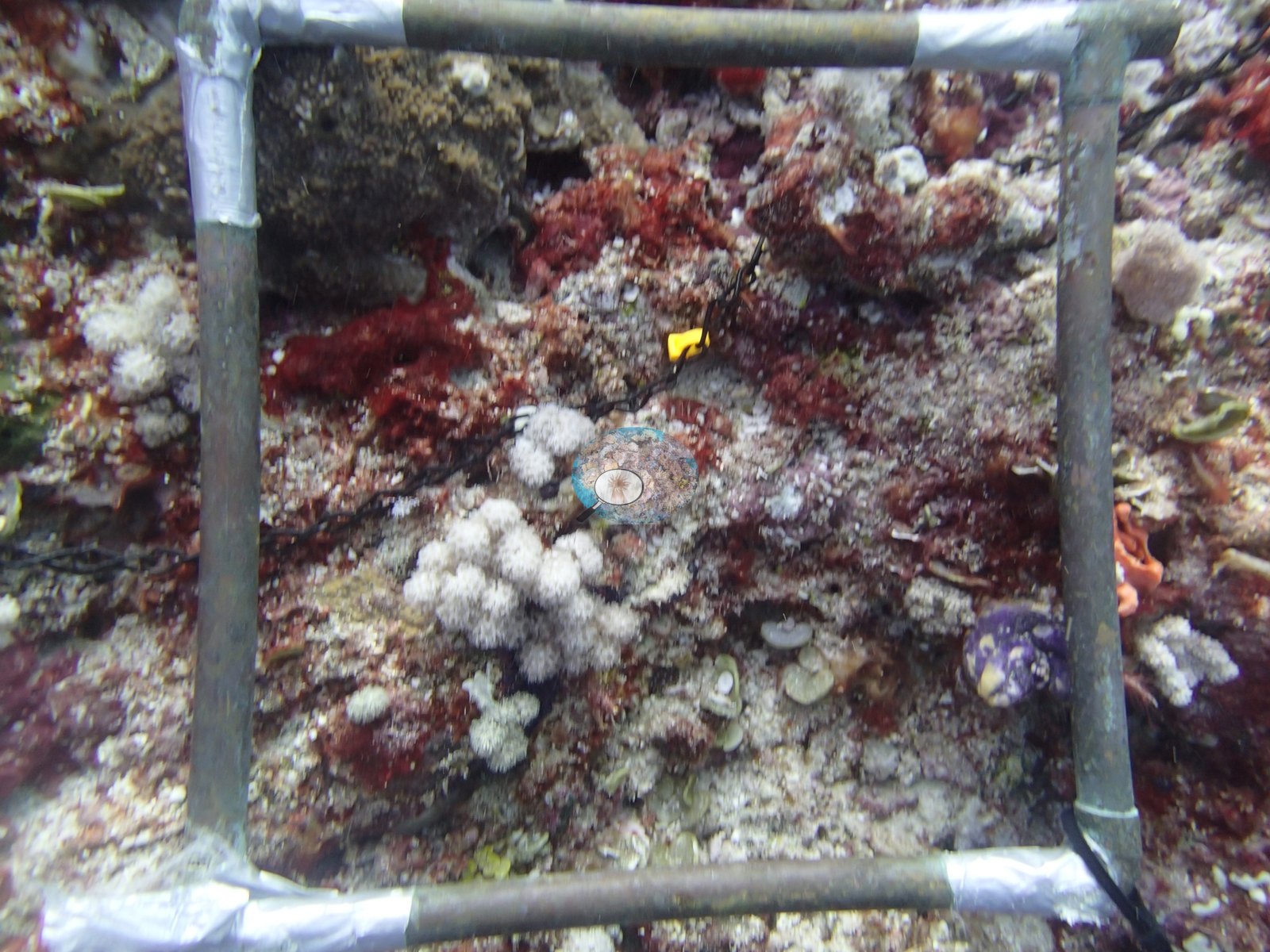
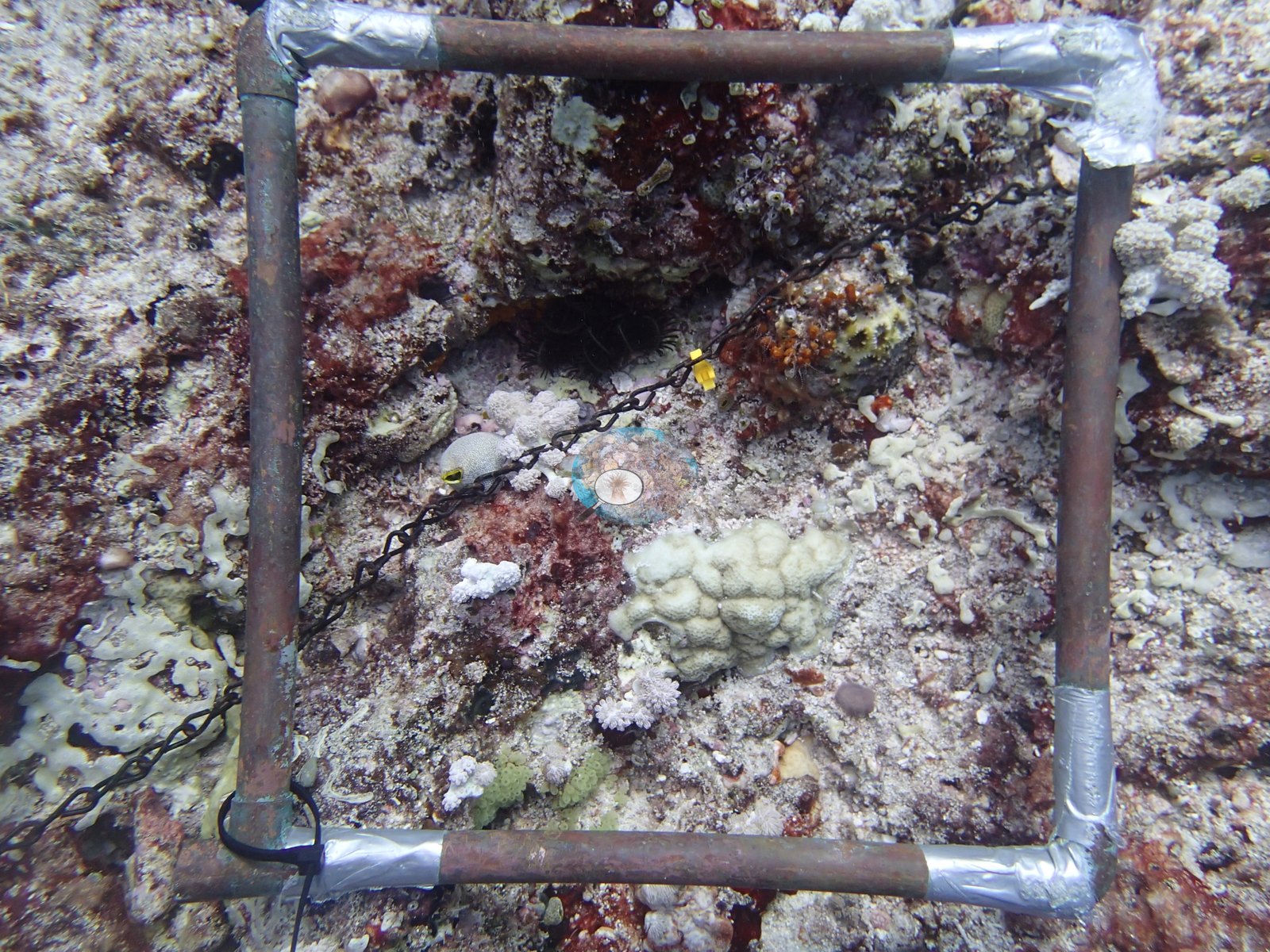
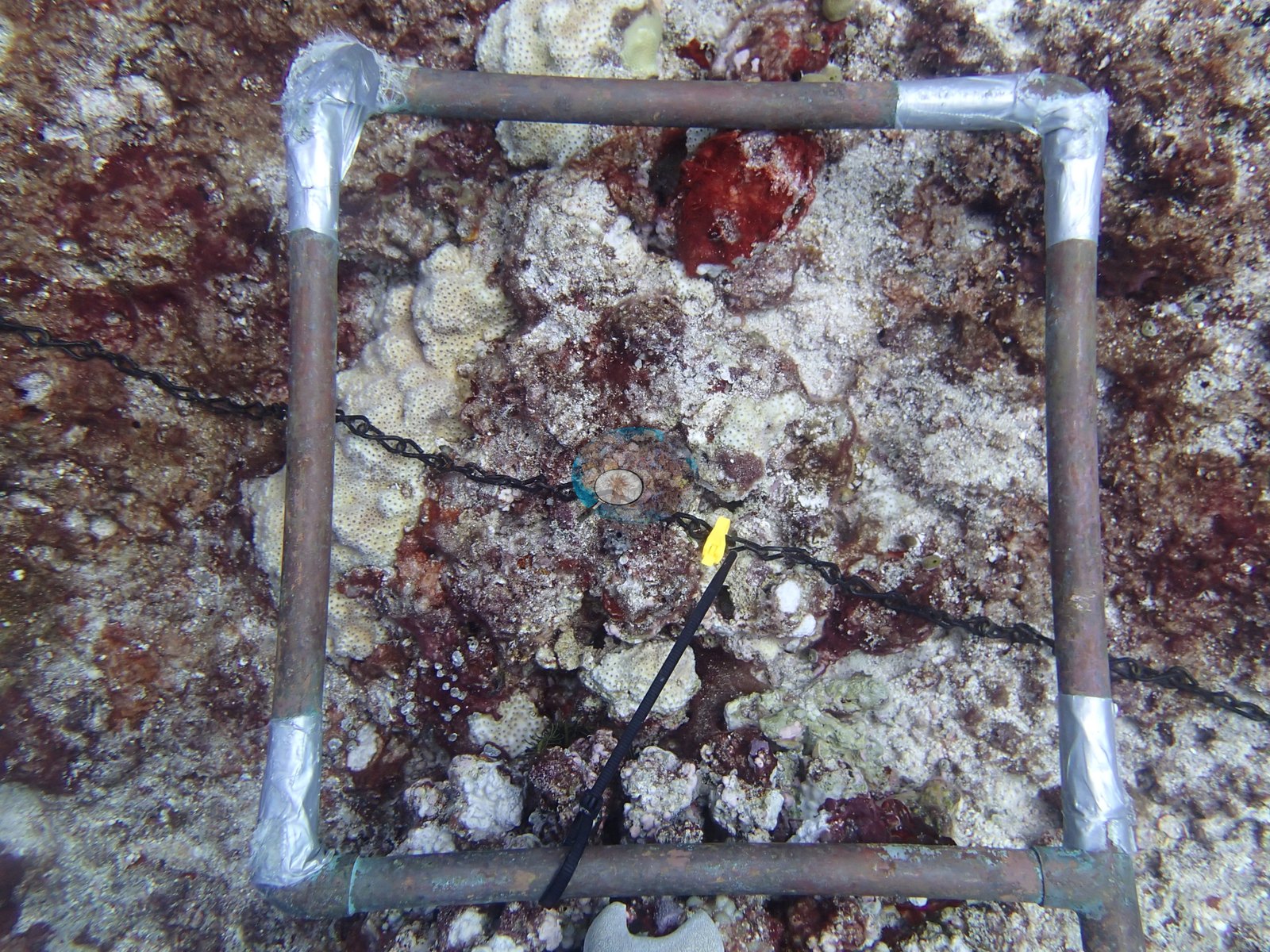
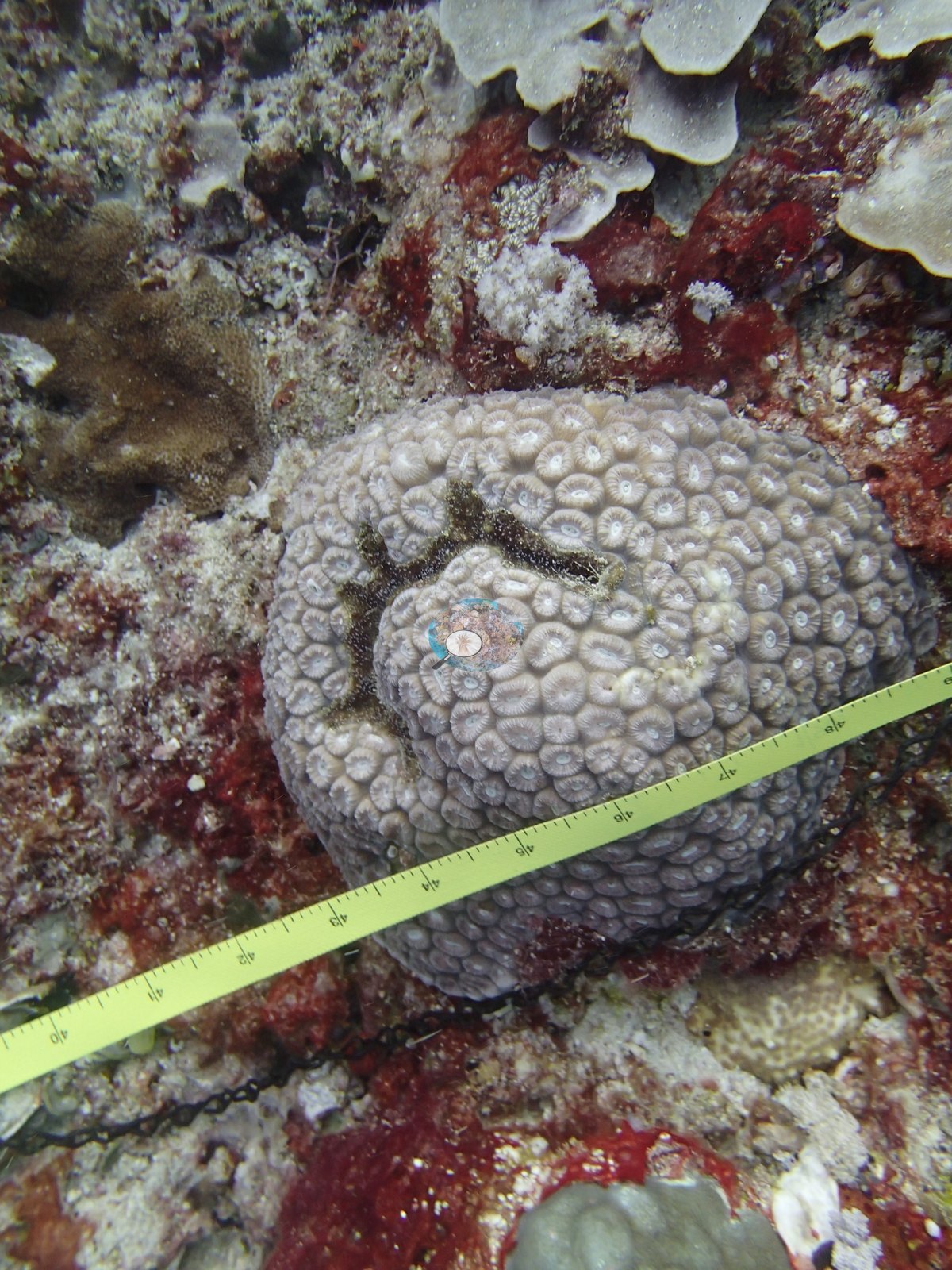
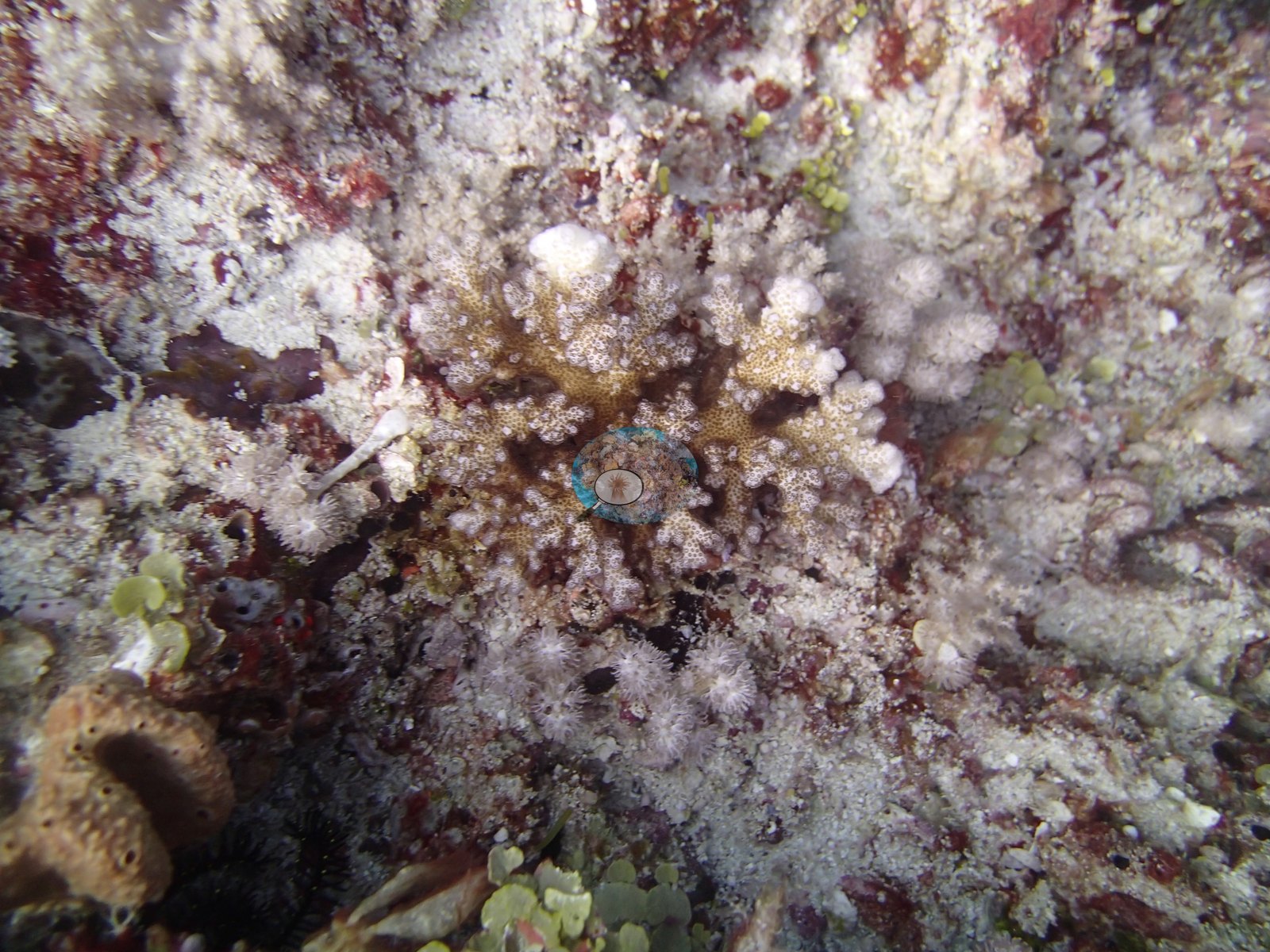
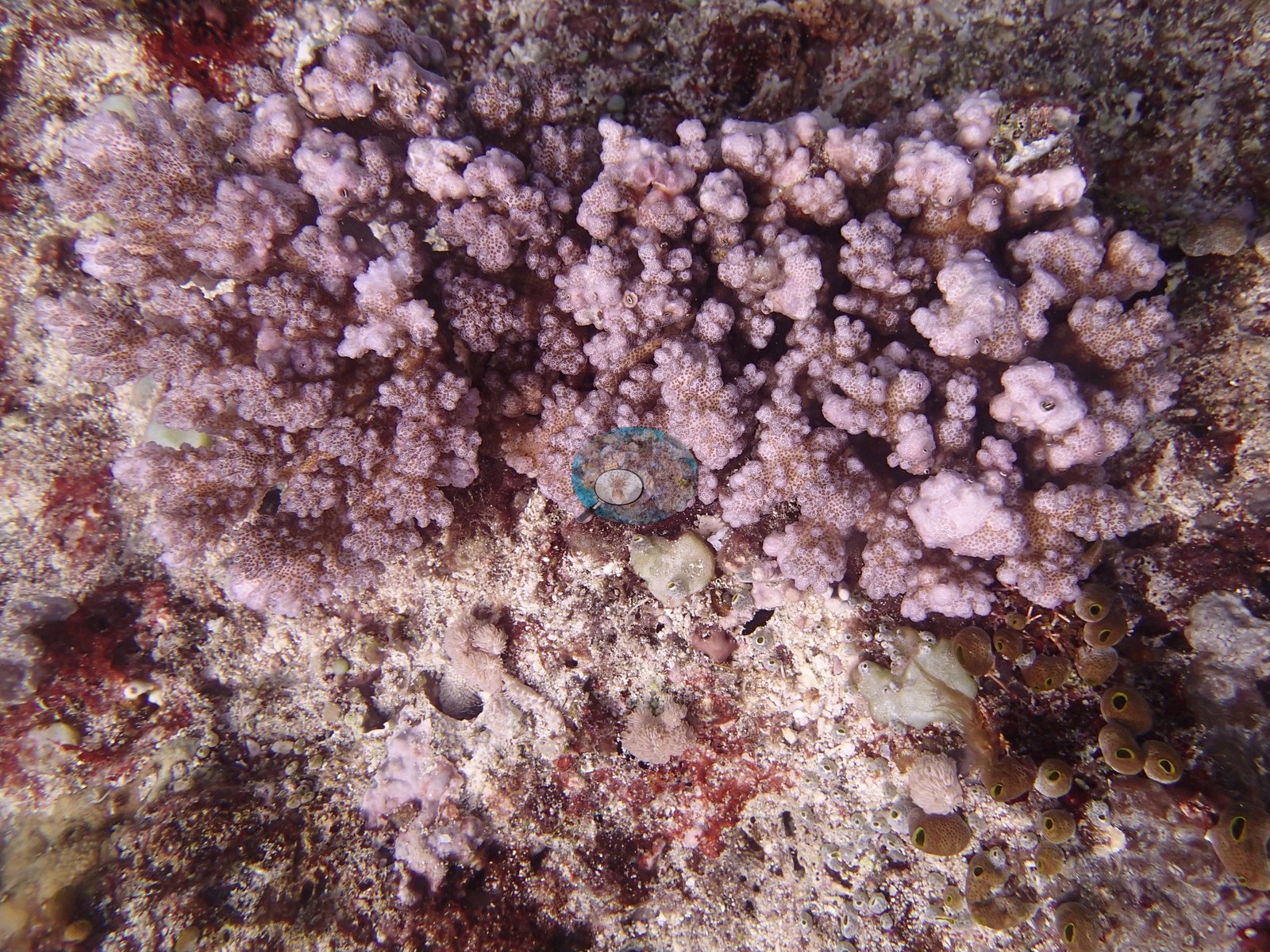
His notes describe a terraced reef that appears extremely scoured, with little rubble: the calcium carbonate appears to have been compressed over tens of thousands of years into a solid block of “cement.” A 0.5-knot current in the first few minutes built to 3-4 knots and forced the dive to be aborted. At 4-5 m he recorded Pocillopora meandrina, P. verrucosa, Stylophora pistillata, Acropora, and P. eydouxi (the “usual suspects”), with P. verrucosa, P. meandrina, and P. eydouxi the most common in the 3-5 m range, and he noted high wave energy and low coral cover (5.0-10% maximum). His three transects recorded 10% live coral cover at 21 m (very low for the site in general, in his words), 10-15% at 15.6 m on a wall sloping at about 80 degrees, where he advised interpreting the data cautiously, and 5.0-10% at 10.5 m, where the substrate was mostly totally scoured, with some algae, tunicates, and soft corals. Corals logged on the transects included P. verrucosa, P. meandrina, P. acuta, Montipora, Acropora, massive Porites, soft corals, and small encrusting species, with 5-15 coral species per transect.
Coral cover
- Reference: Khaled bin Sultan Living Oceans Foundation, Global Reef Expedition (in situ transect)
- The in situ benthic survey recorded 26% live coral cover against a 33% algal fraction on a single transect (LOF depth code D2; n = 1, so no error term); that transect value is the authoritative cover figure for this site.
Stressors
Regional context only: surveyed about eighteen months before the 2016 mass bleaching, an event that severely bleached hundreds of reefs on the northern Great Barrier Reef (Hughes et al. 2017); 5-year mean annual maximum thermal stress at the Far Northern GBR virtual station is 11.1 degree heating weeks. No crown-of-thorns starfish (COTS) or other corallivores evident.
Fish and other fauna
Numerous gray reef sharks, some about 1.5 m long and distinctly assertive, and the team's first octopus of the trip were logged, in 20 m visibility.
Comparisons with other data
No prior survey data from this site. If you would like to share yours, please email us.
Dive record
Twenty-five camera frames from this dive survive, taken 08:56-09:33 on 24 September 2014, mostly photo-quadrats along the chain transect; Anderson matched them to this station, because the station folder he kept for it, labeled “AU96117-lost pics,” is empty. Fourteen of them are in the gallery.
Data & links
- Download benthic survey data (CSV) ↗
- Download all LOF-GRE data (933 sites) ↗
- Photo portfolio ↗
- Coral Reef Diagnostics country page ↗
All images from Coral Reef Diagnostics. Data are from the Khaled bin Sultan Living Oceans Foundation Global Reef Expedition and Coral Reef Diagnostics.
 © Coral Reef Diagnostics.