
Part of the regional summaries: Chagos Archipelago - Great Chagos Bank West / Brothers / Eagle and Chagos Archipelago

More info
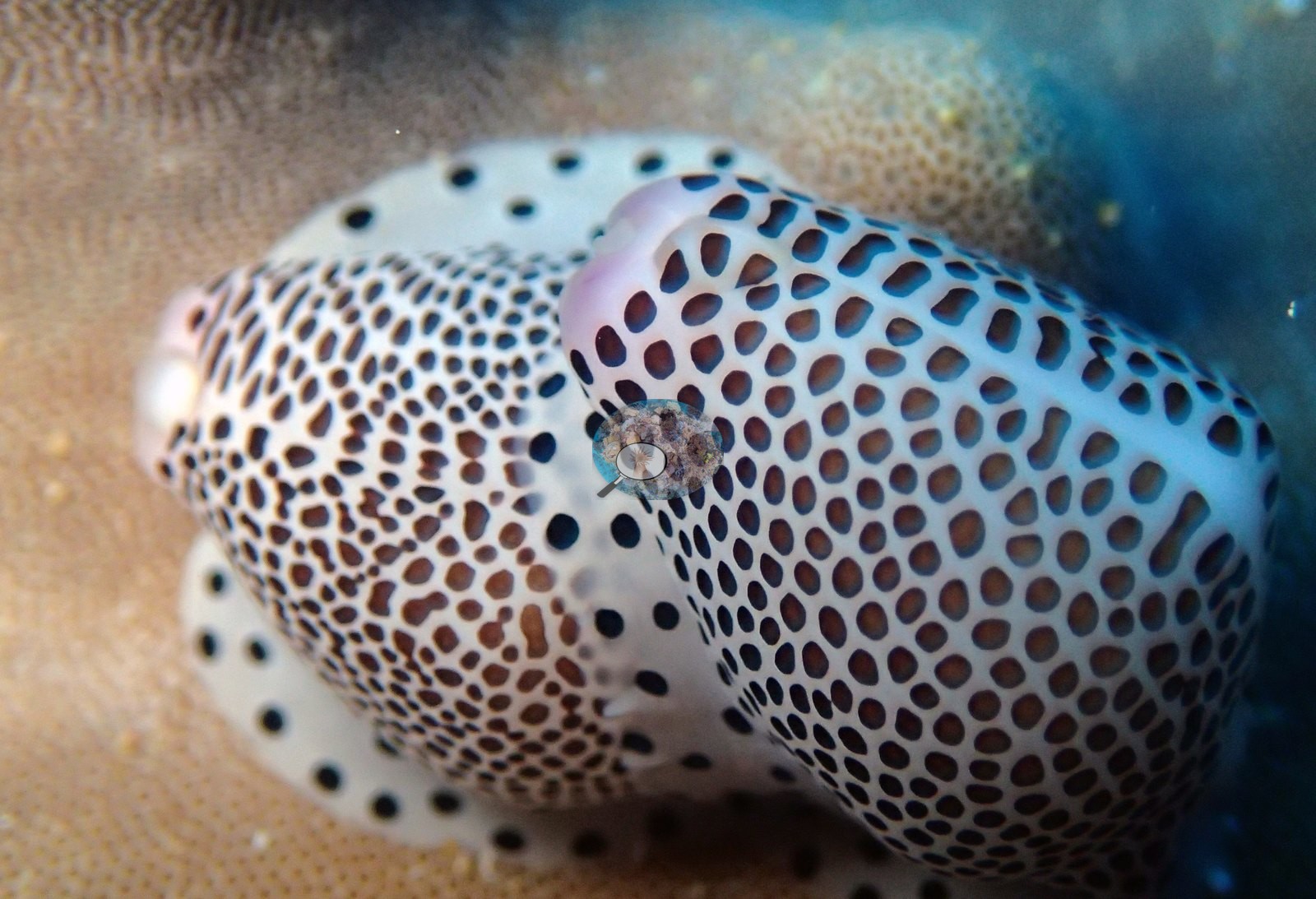
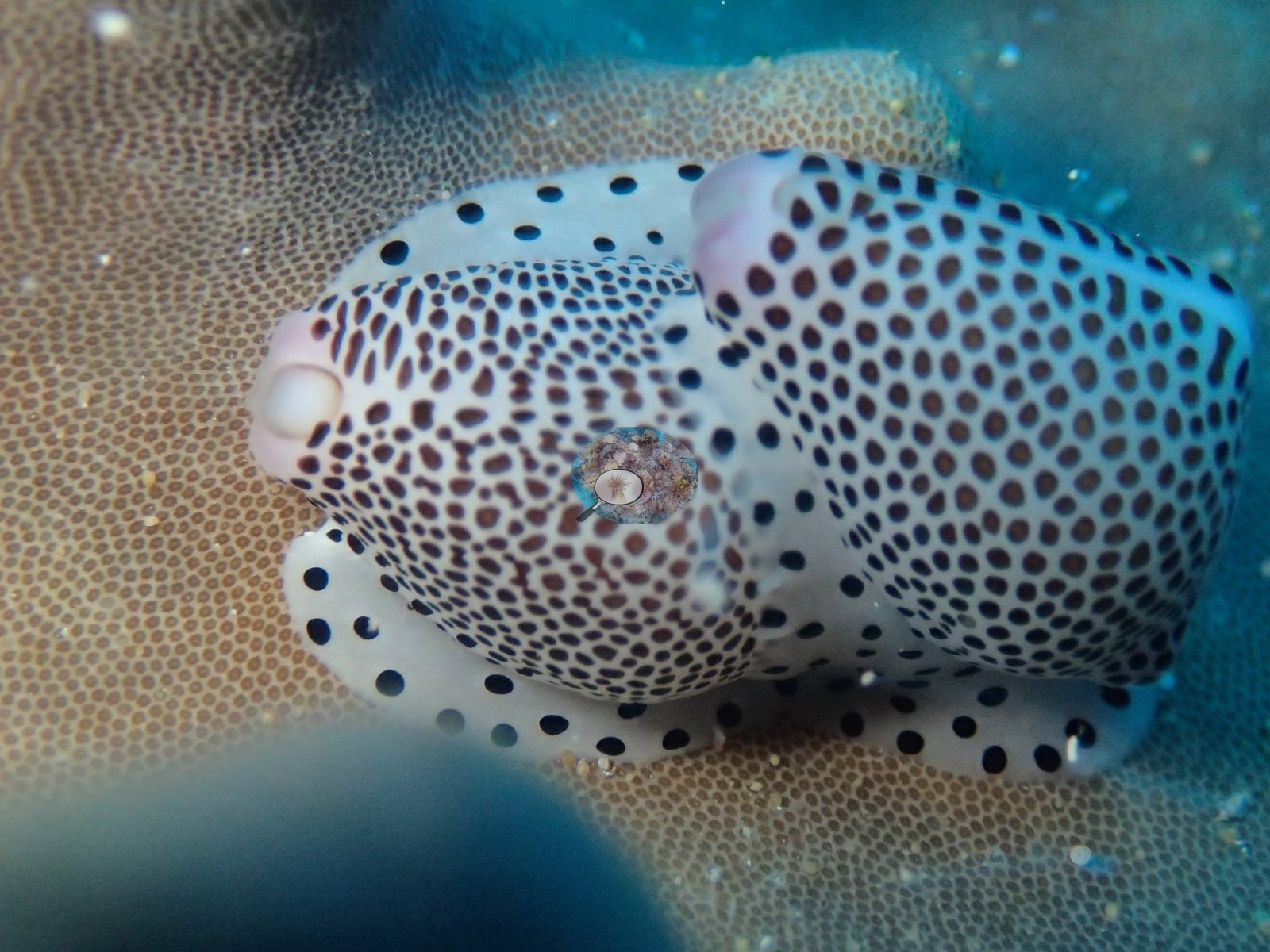
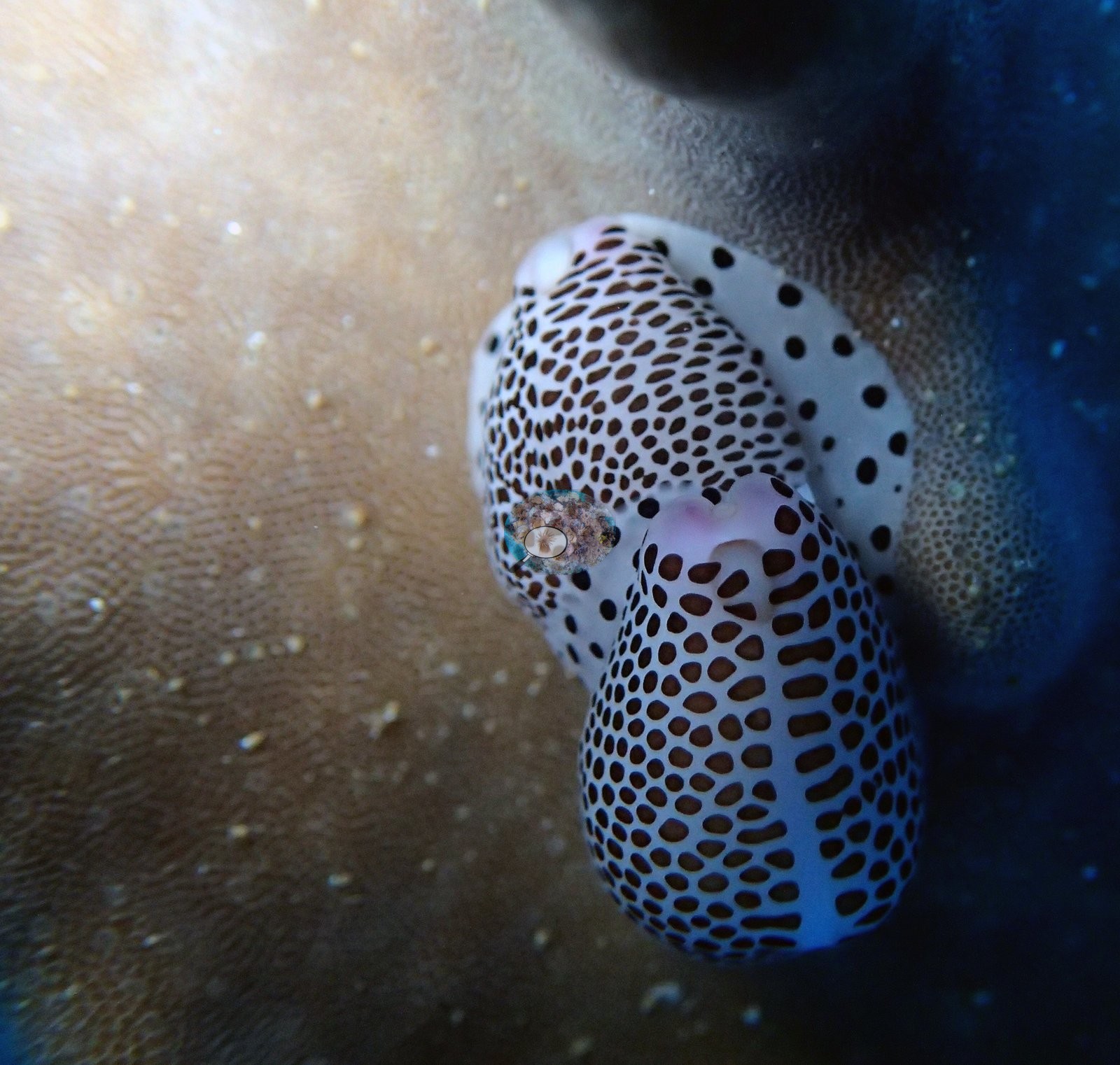
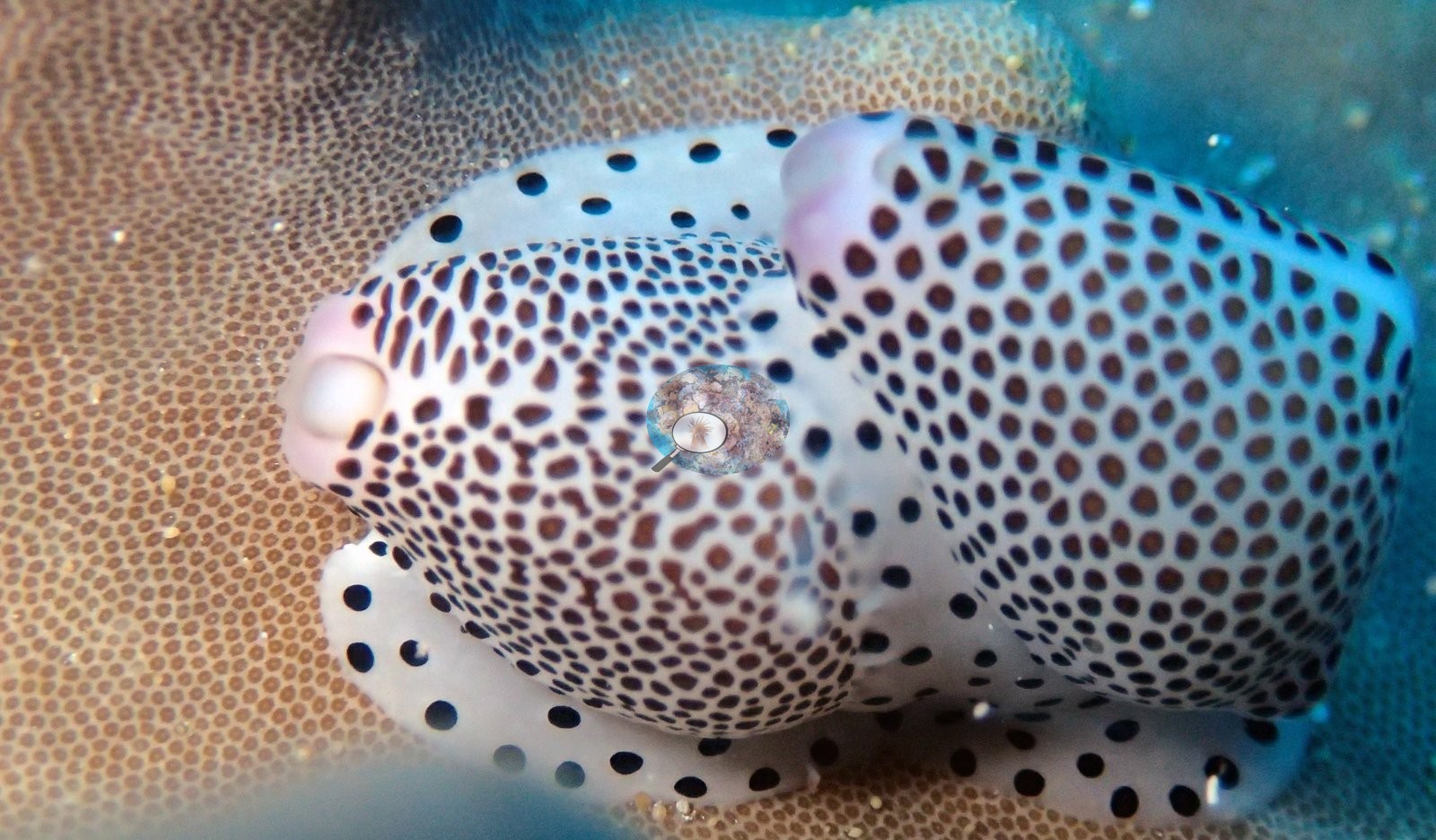
Chagos (NOAA CRW virtual station)BICC50 is a low-cover Central Chagos lagoon reef (12.1%) where cover was actually higher at depth than in the shallows. Two shark passes were logged and no disease or crown-of-thorns seen; a published bleaching figure for this site is considered unreliable, apparently inflated by a photograph of pale-mantled gastropods being misread as bleached coral. Surveyed on the Living Oceans Foundation's Global Reef Expedition.
🗺 Detailed map of the Global Reef Expedition dive sites, Central Chagos (Khaled bin Sultan Living Oceans Foundation; opens in a new window)
4 of these 11 photographs are shown beside the text that discusses them under "Site description" below.
Site description
Setting
BICC50 is a submerged bank reef inside the Central Chagos lagoon at 20.0 m under intermediate exposure, surveyed 25 March 2015 (the photo archive files it as BITB50).
General benthic features
The algal budget is 33.2% sediment-laden turf and 14.6% erect algae, while coralline algae is all but absent at 2.9%, second-lowest of 109. Only 14 genera were recorded, and Acropora, Montipora, and Porites hold 82% of the coral between them — though even the leading genus covers under 5% of the benthos, so this ranks which taxa are least scarce.
Coral cover
It is one of the lowest-cover sites in the archipelago: 12.1% coral against 57.9% algae, 102nd of 109 Chagos sites for cover and 10th for algae, with a further 24.3% bare substrate. The depth structure is inverted: the deeper stratum carries 18.78% coral against 5.33% shallower, the same genus order at both. Unusually, the image methods agree here — CoralNet 13.9%, Coralscapes 12.8% against 12.1% — a property of the low-cover regime, not interchangeability.
Stressors
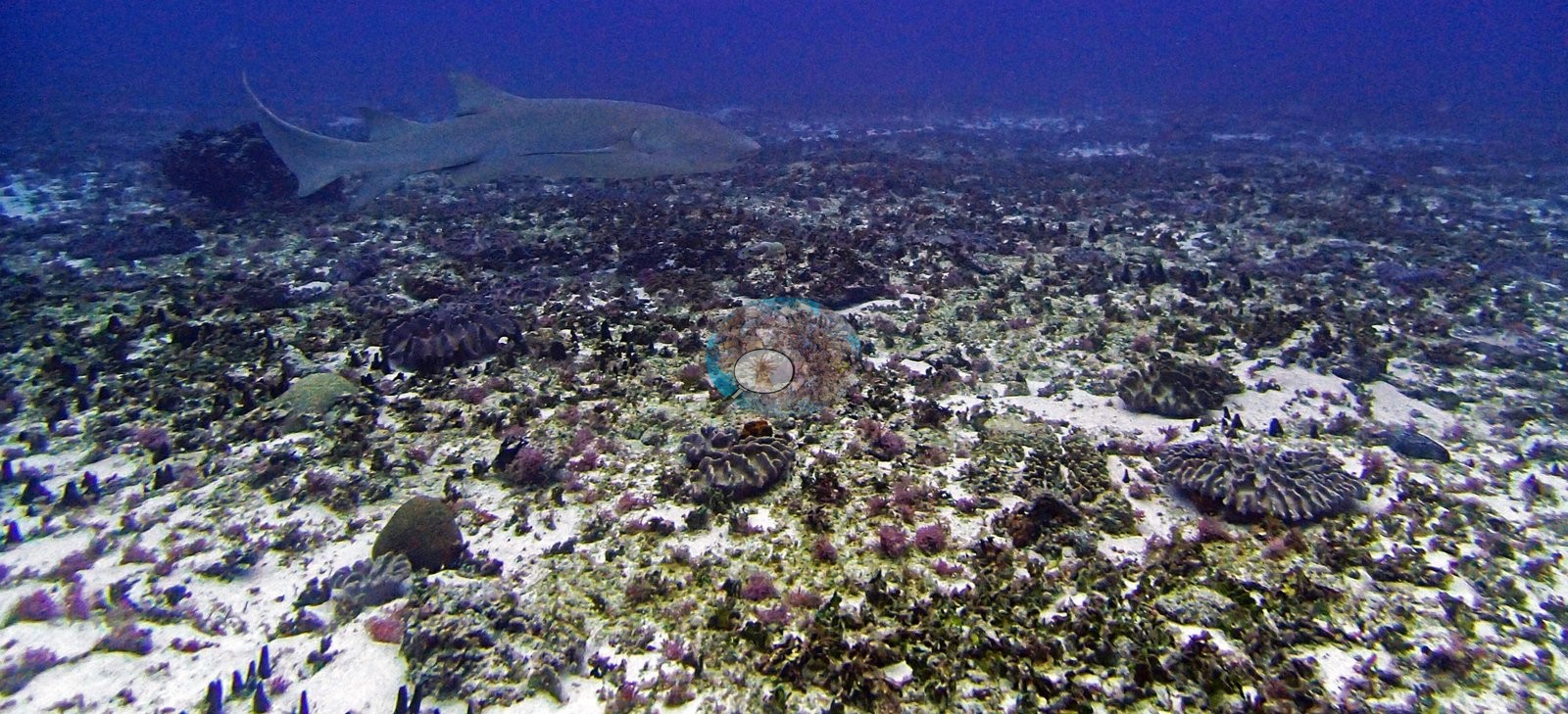
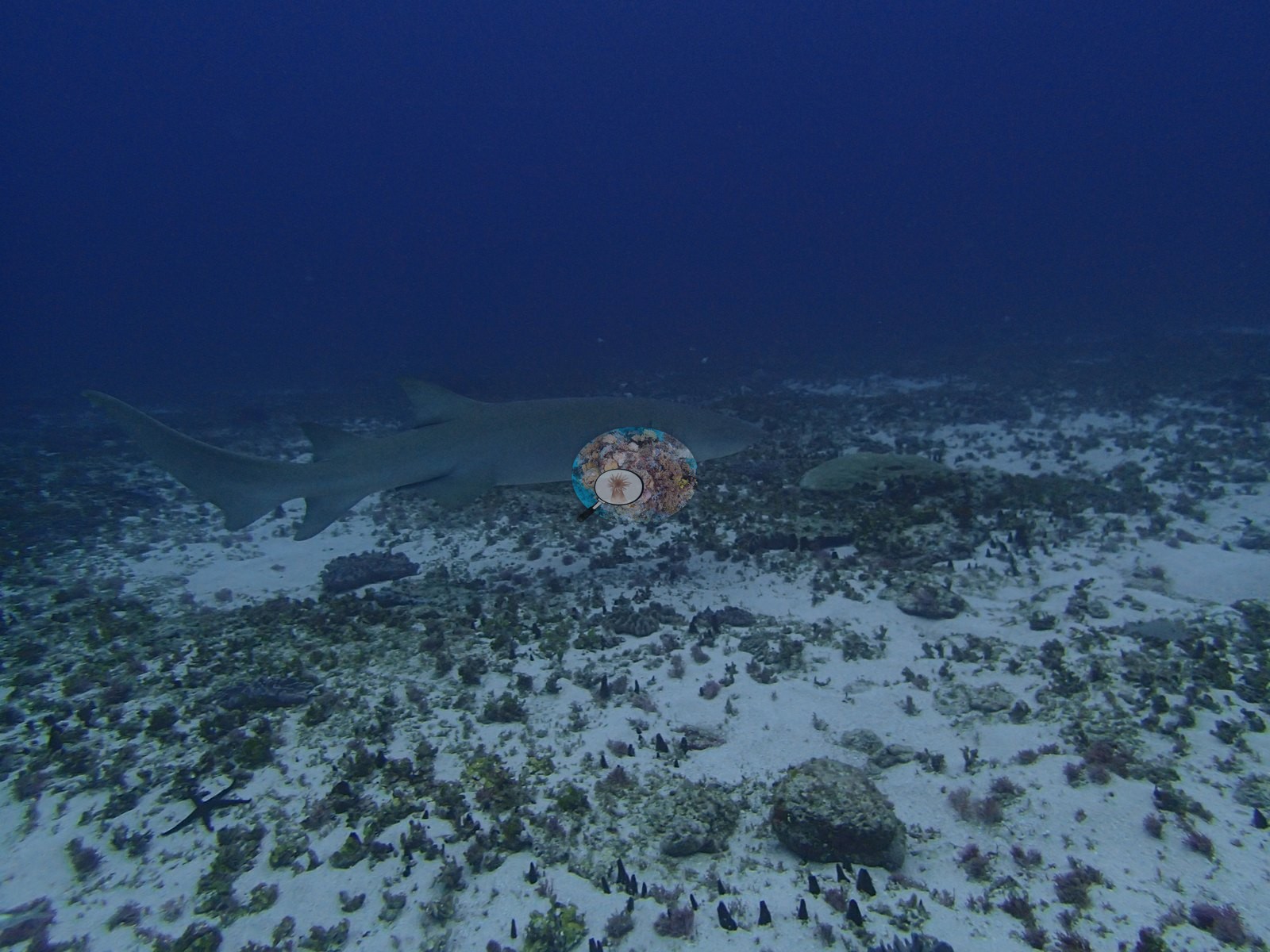
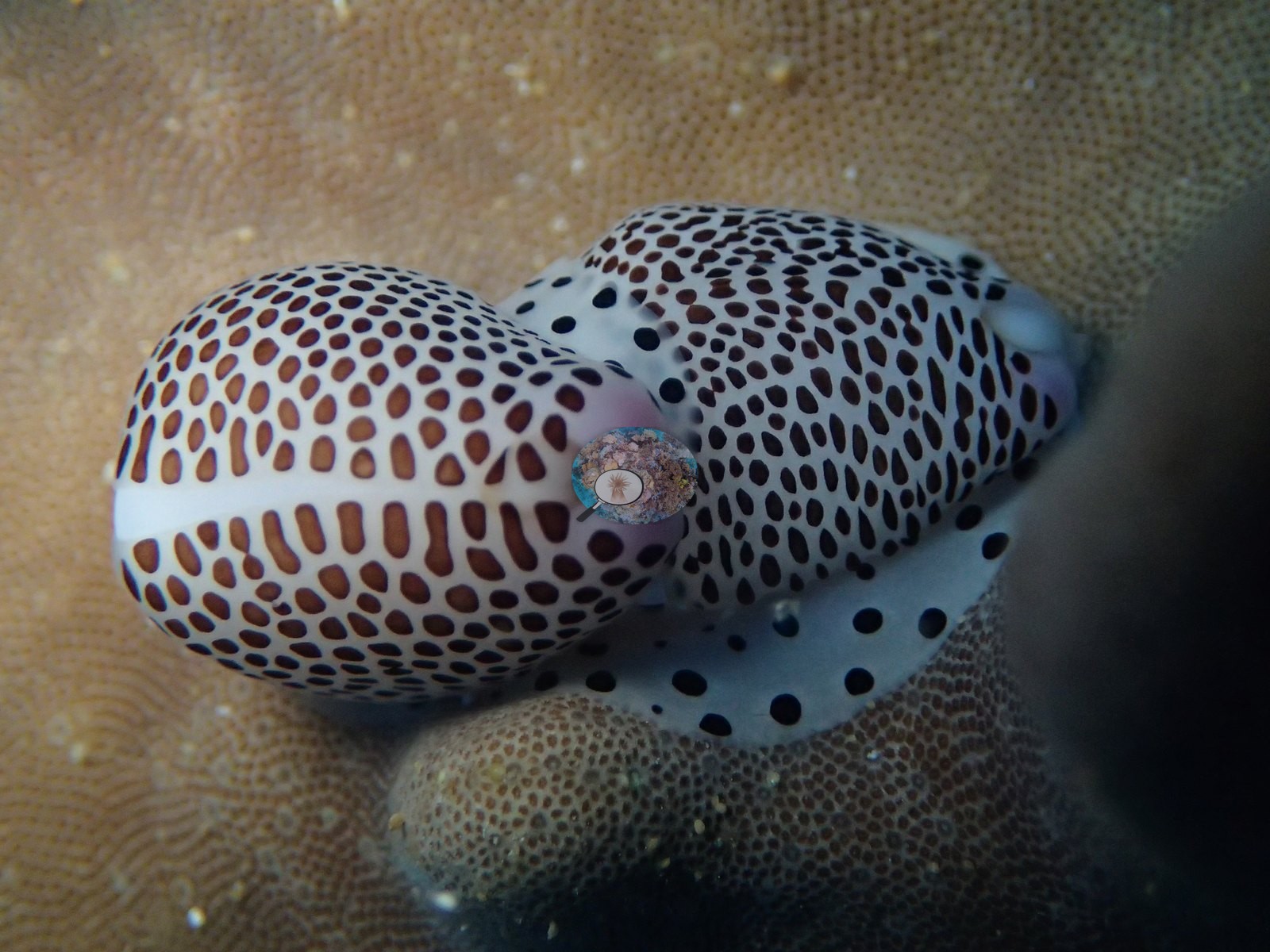
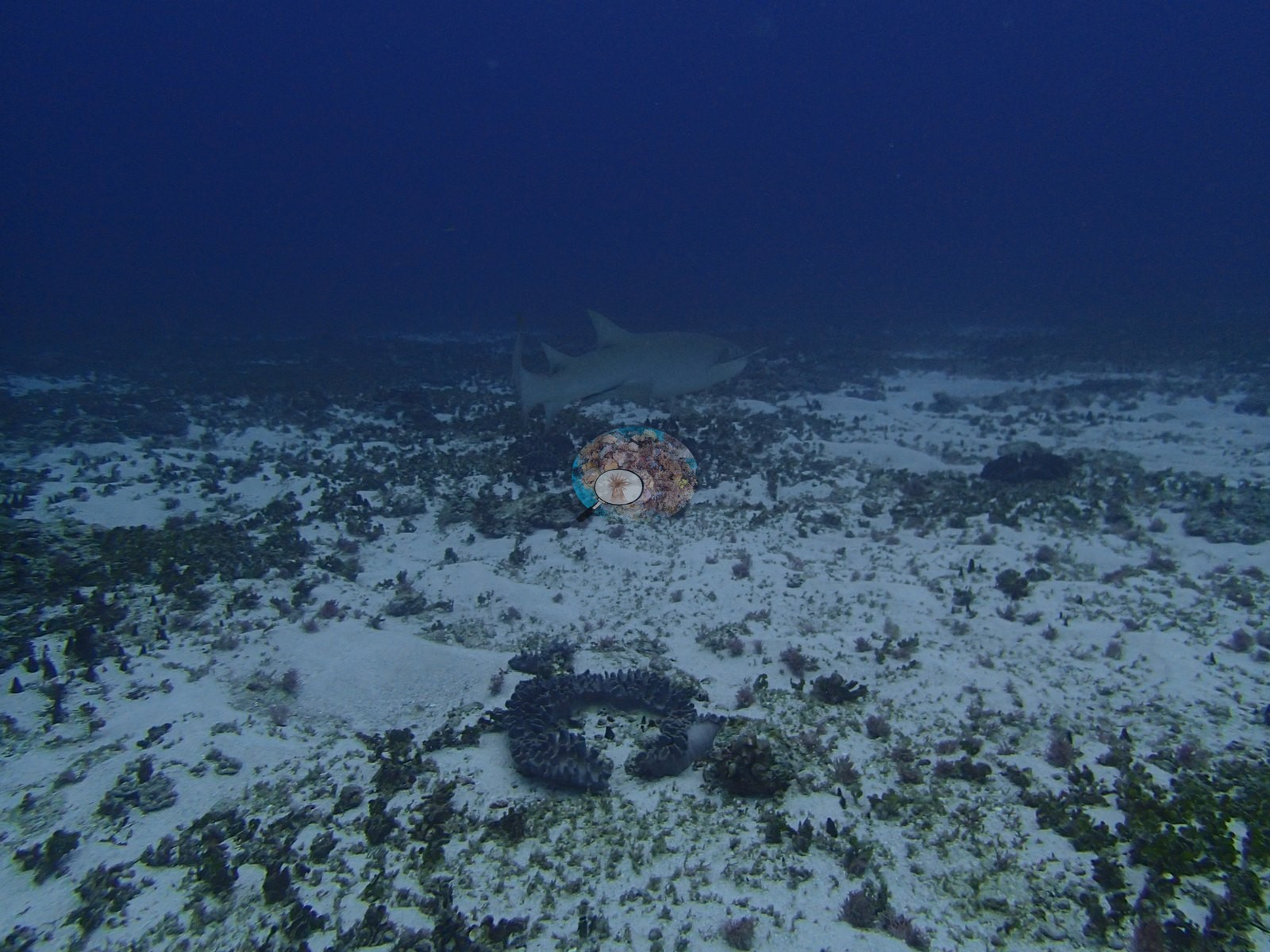
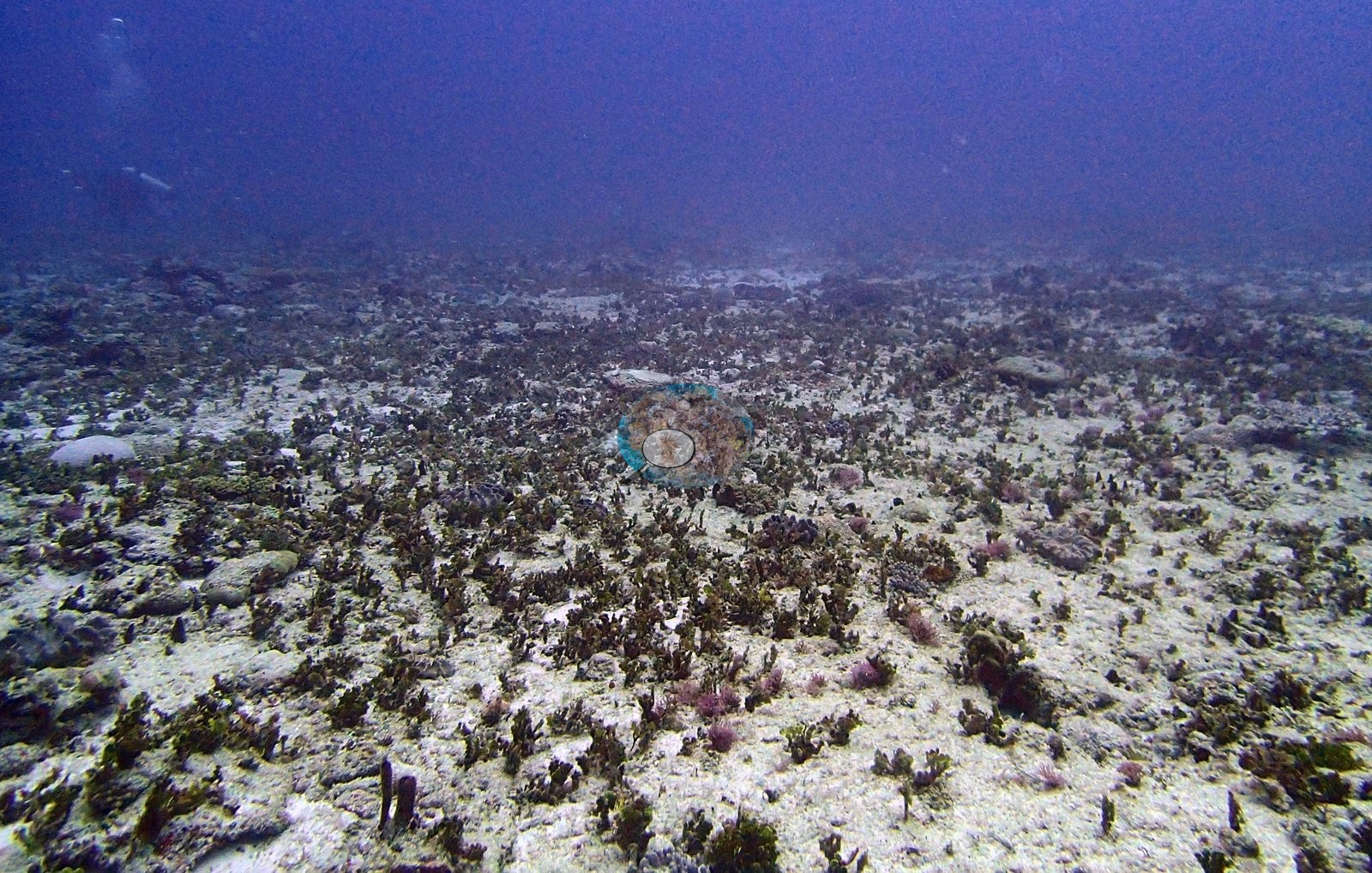
Published bleaching is 24.2%, 3rd of 98 on the site table's Mean(%bleaching) column (the first CoralNet training run, not the canonical % bleaching (2nd training) column), but that figure is unsafe here: 25 of 26 bleached point labels fall in four macro frames of a pair of mantle-extended gastropods whose white mantles were read as coral (e.g., Image 3, Image 4), the Coralscapes masks report essentially zero bleached area, and the wide frames show a flat, turf-veneered plain with no bleaching field (e.g., Image 1).
Fish and other fauna
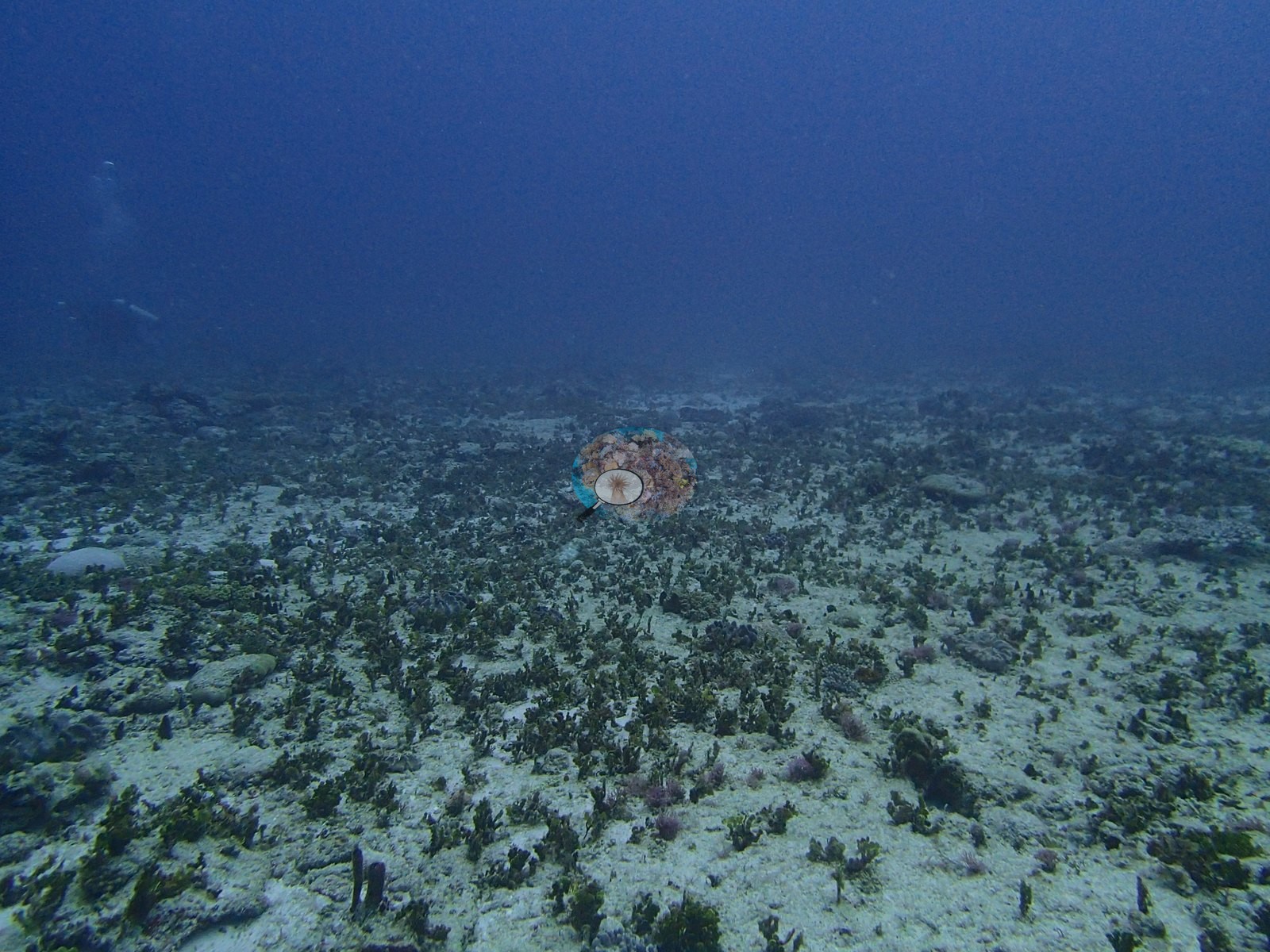
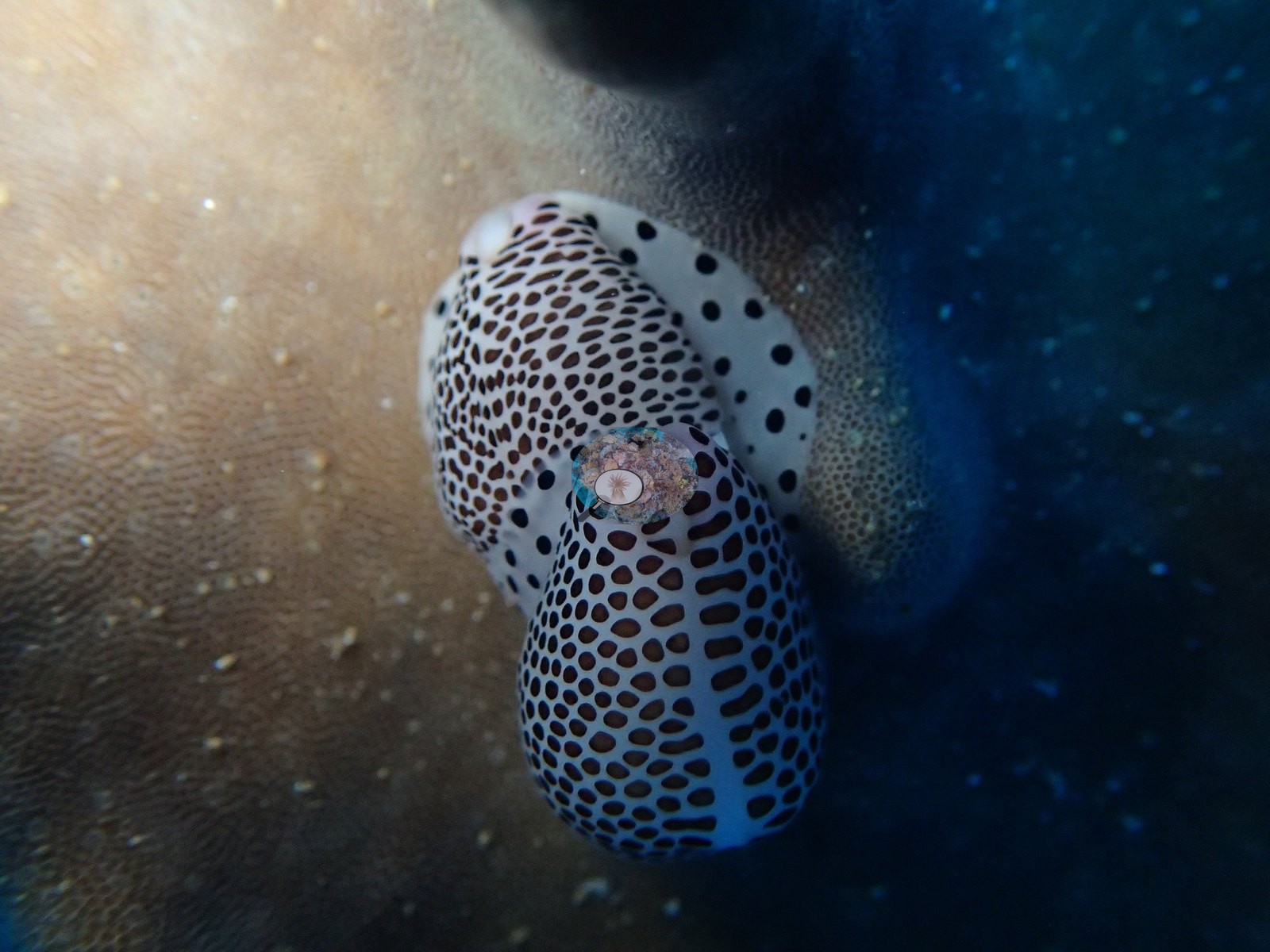
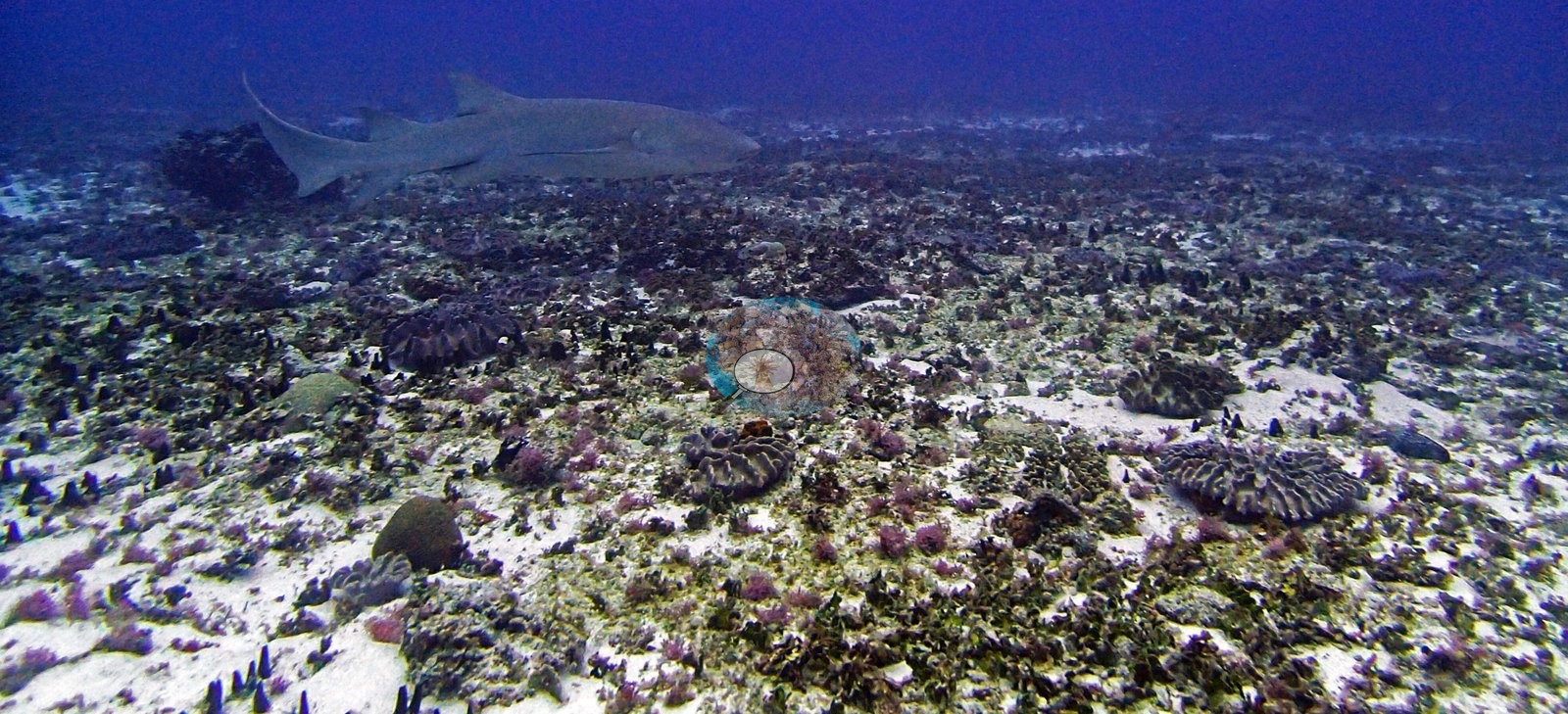
Two shark passes were logged, no disease or crown-of-thorns (e.g., Image 2).
Comparisons with other data
No prior survey data from this site. If you would like to share yours, please email us.
CV model comparison
More info
Those are point counts on the photographs; this is a diver swimming a transect. The models and the reference never saw the same thing. ⚠ SITE-LEVEL ONLY. The 2,500 frames were not associated with any transect taken within 200 m of them, so transect-vs-image comparisons are site means, never frames. The transect value is already in the pin `cover` field (109 of 112 pins, sourced to the paper's suppl. S1) and is read from there, never re-imported. The transect is THE coral-cover value for this site and stands alone. The rows below it are a methods comparison only: no computer-vision value is averaged with it, feeds the headline, or carries over to the site's cover figure (Anderson, 2026-09-22).| Method | Hard-coral cover (%) |
|---|---|
| Transect (published) | 12.1 |
| CoralNet | 29.4 |
| In-house DINOv3 | 30.0 |
| CoralSCOP edited | 28.8 |
| Claude | 15.7 |
Data & links
- Read the full site report ↗
- Download benthic survey data (CSV) ↗
- Download all LOF-GRE data (933 sites) ↗
- CoralNet image repository for this region ↗
- Photo portfolio ↗
- Coral Reef Diagnostics page for this area ↗
All images from Coral Reef Diagnostics. Data are from Coral Reef Diagnostics.
© Coral Reef Diagnostics.