
Triton Bay - Little Komodo
Part of the regional summary: Indonesia - Triton Bay
More info
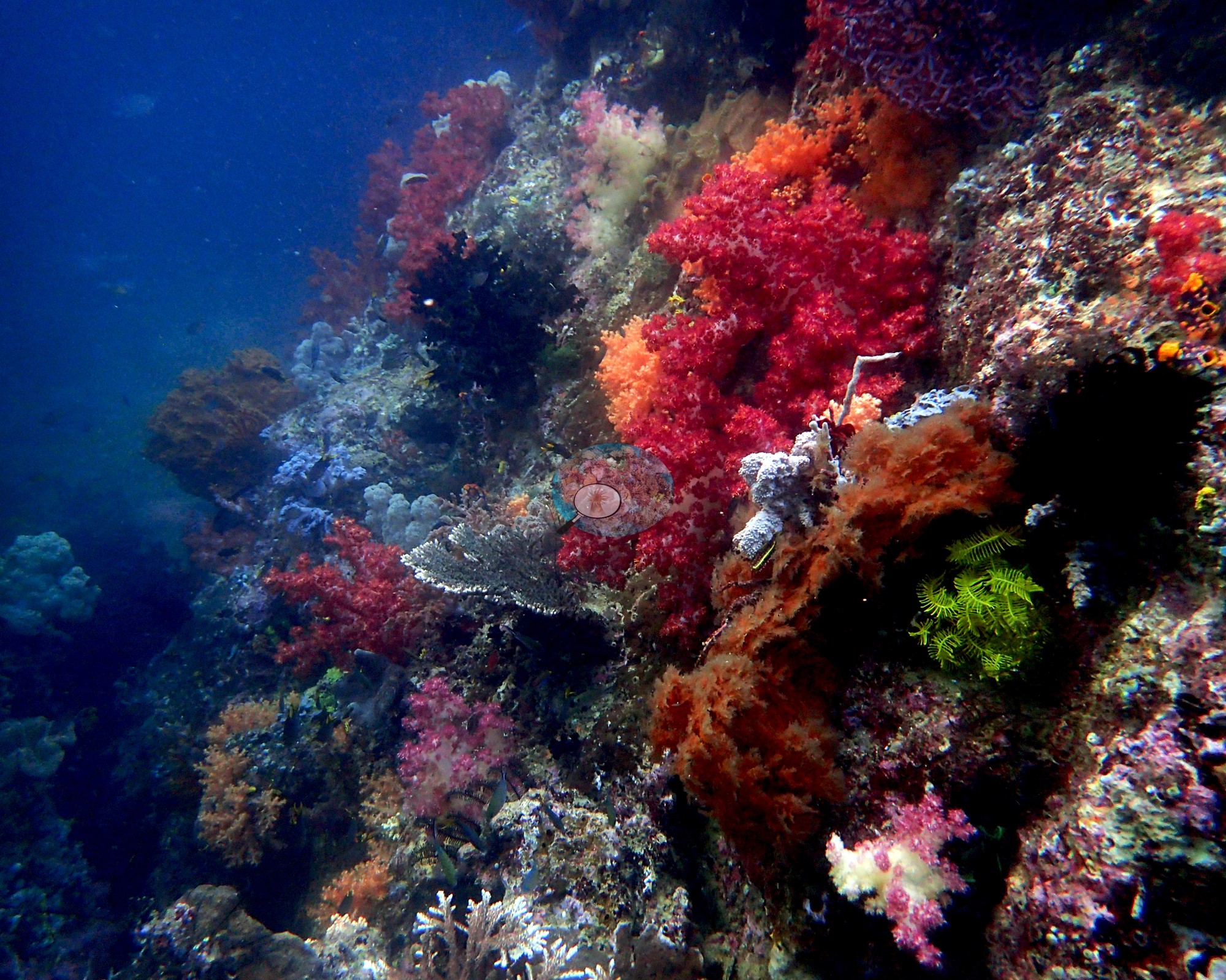
West Papua (NOAA CRW virtual station)Little Komodo's front side is dominated by a nearly uninterrupted forest of white soft coral down to 20 m, with staggering fish biomass including an enormous bumphead parrotfish and a wobbegong shark, plus scattered Acropora and abundant orange-and-green Tubastraea in the shallows. A blind Claude computer-vision point count puts coral cover around 12%.
Sisi depan Little Komodo didominasi hutan karang lunak putih yang nyaris tanpa putus hingga kedalaman 20 m, dengan biomassa ikan yang luar biasa termasuk ikan kakatua berbonggol raksasa dan hiu wobbegong, ditambah Acropora yang tersebar serta Tubastraea jingga-hijau yang melimpah di perairan dangkal. Penghitungan titik buta visi komputer Claude memperkirakan tutupan karang sekitar 12%.
Terjemahan ringkasan ini oleh AI; versi bahasa Inggris yang berlaku.
Four other CRD dive sites within 5 km shown in orange — click a marker to open its page.
5 of these 18 photographs are shown beside the text that discusses them under "Site description" below.
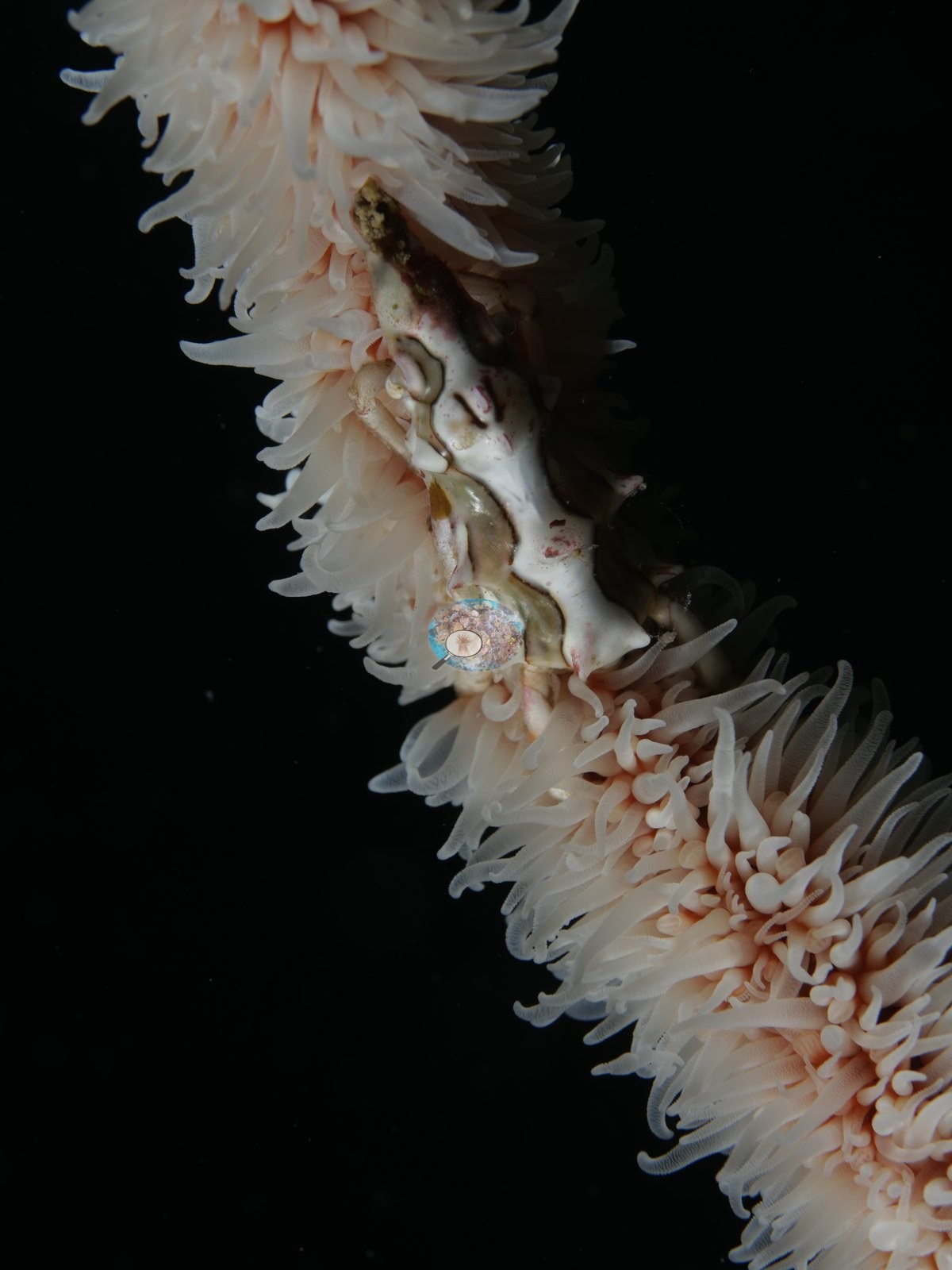 Photo: Pierre7
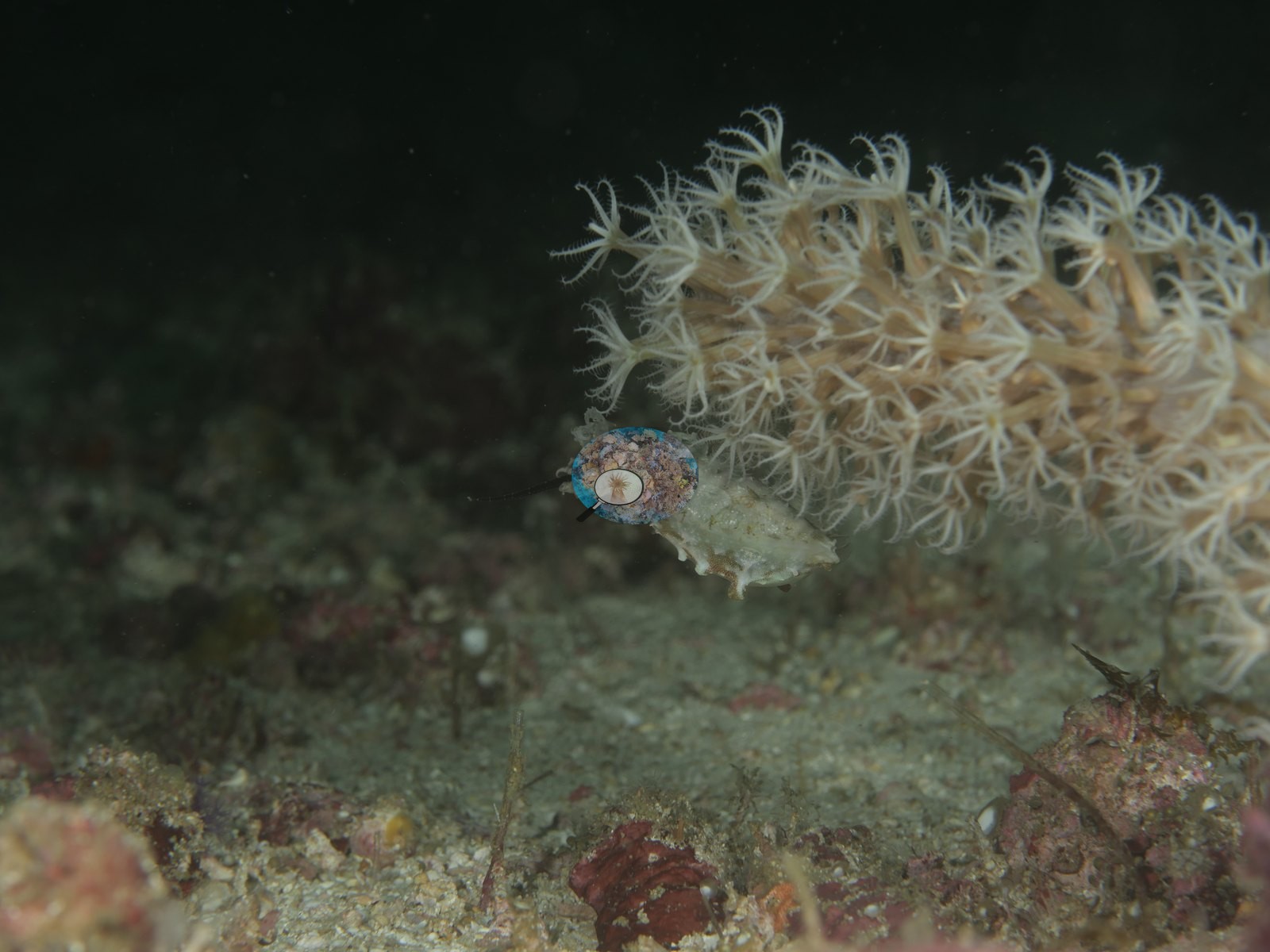 Photo: Pierre8
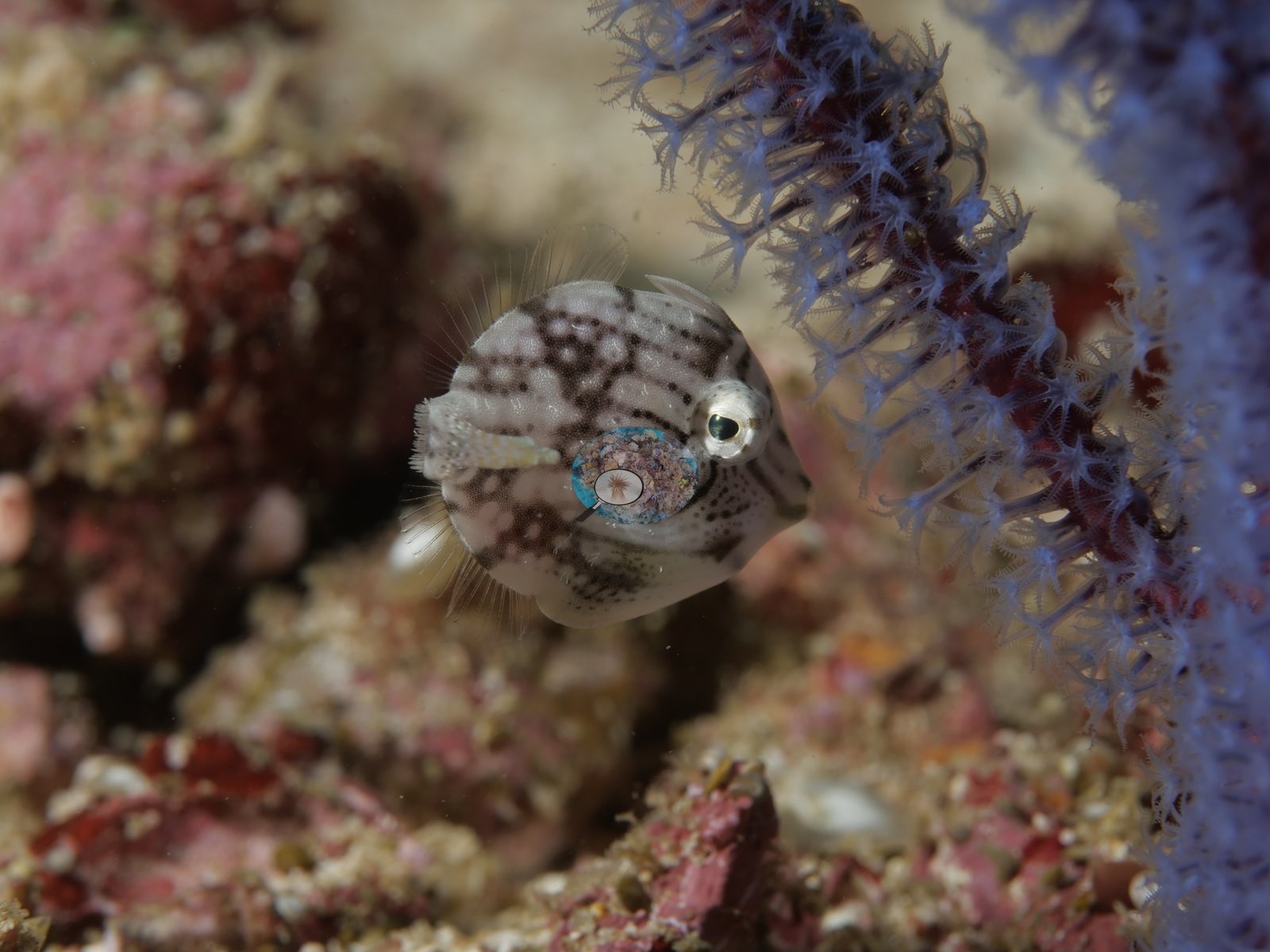 Photo: Pierre9
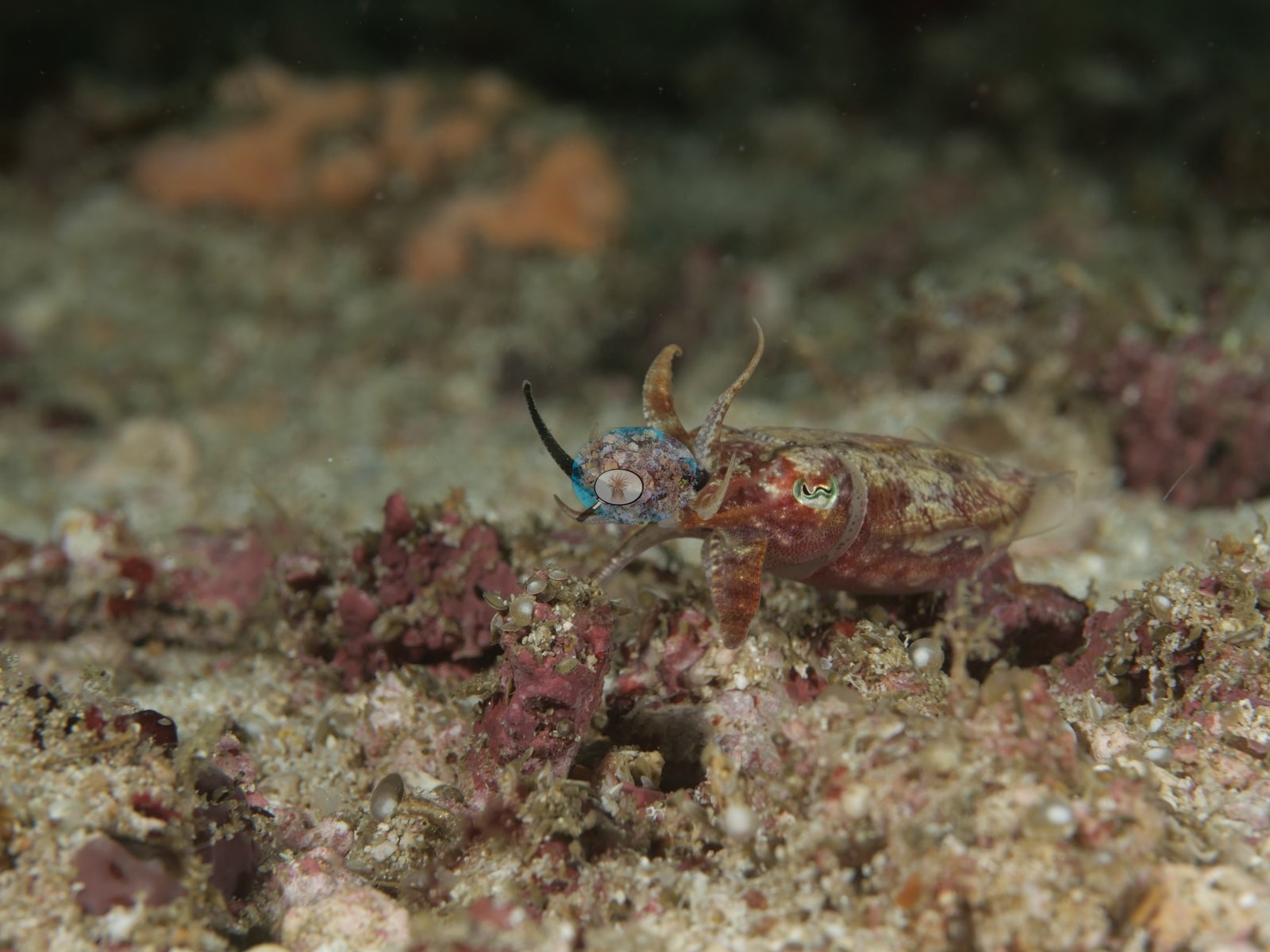 Photo: Pierre10
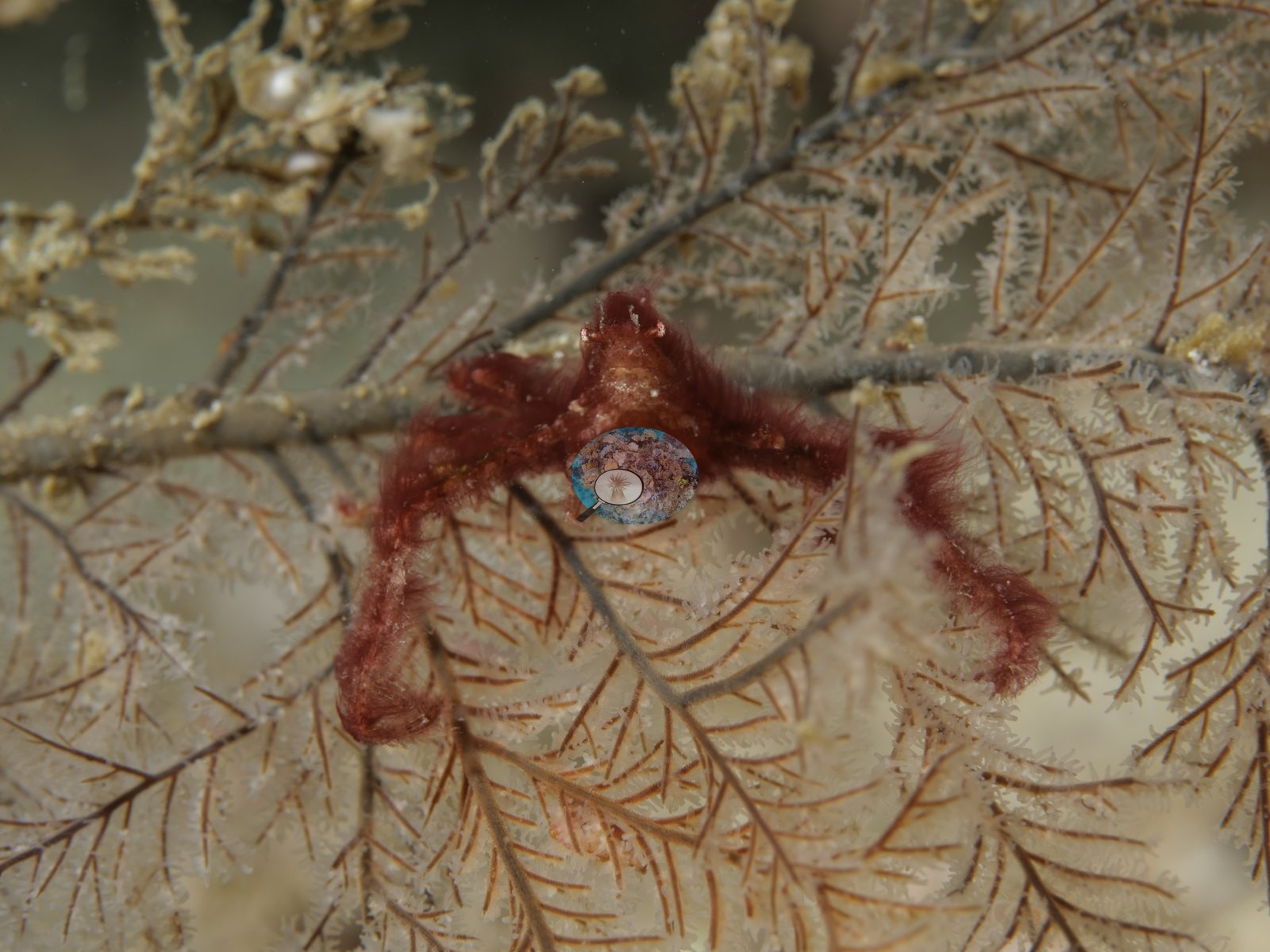 Photo: Pierre11
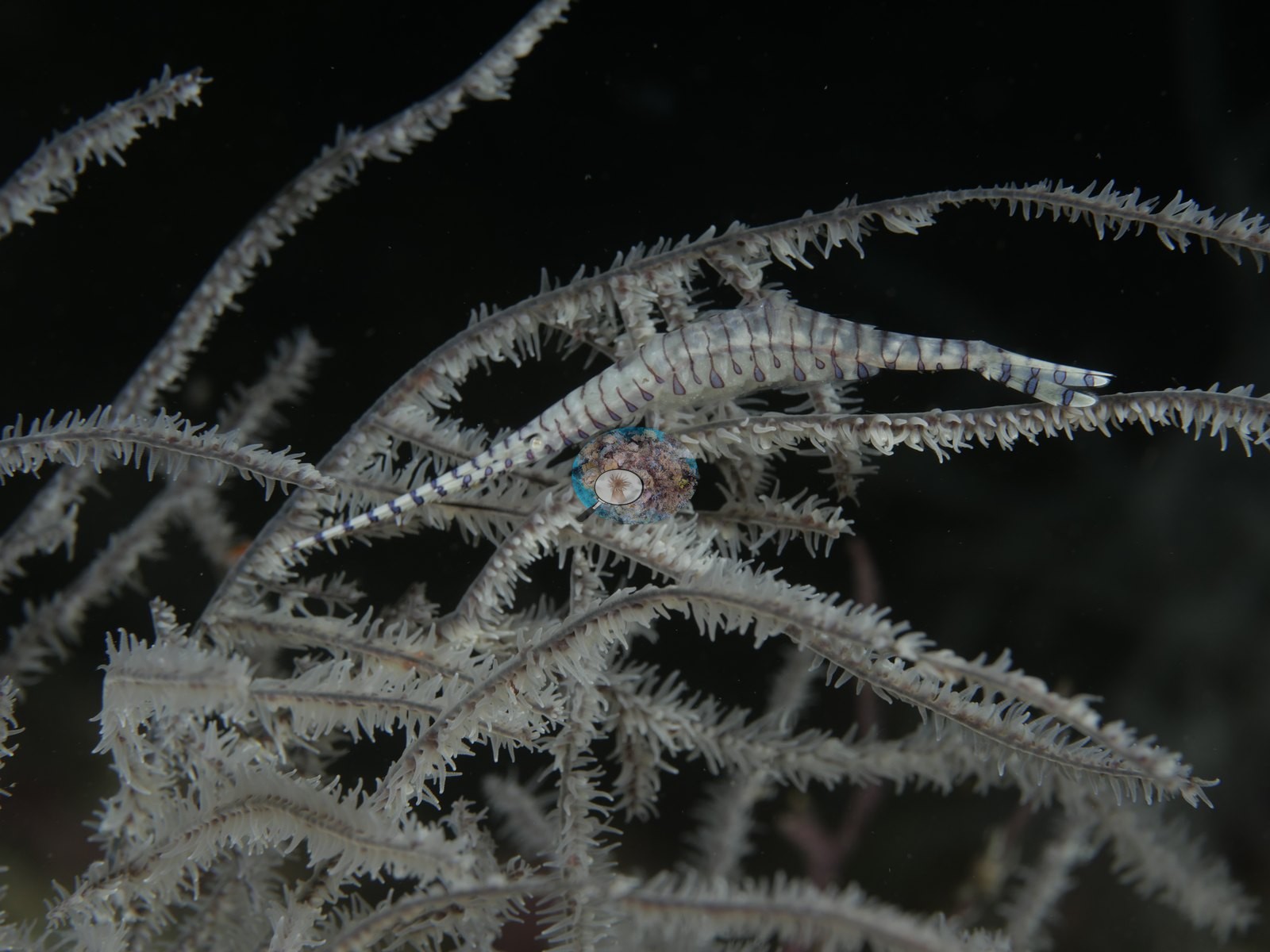 Photo: Pierre12
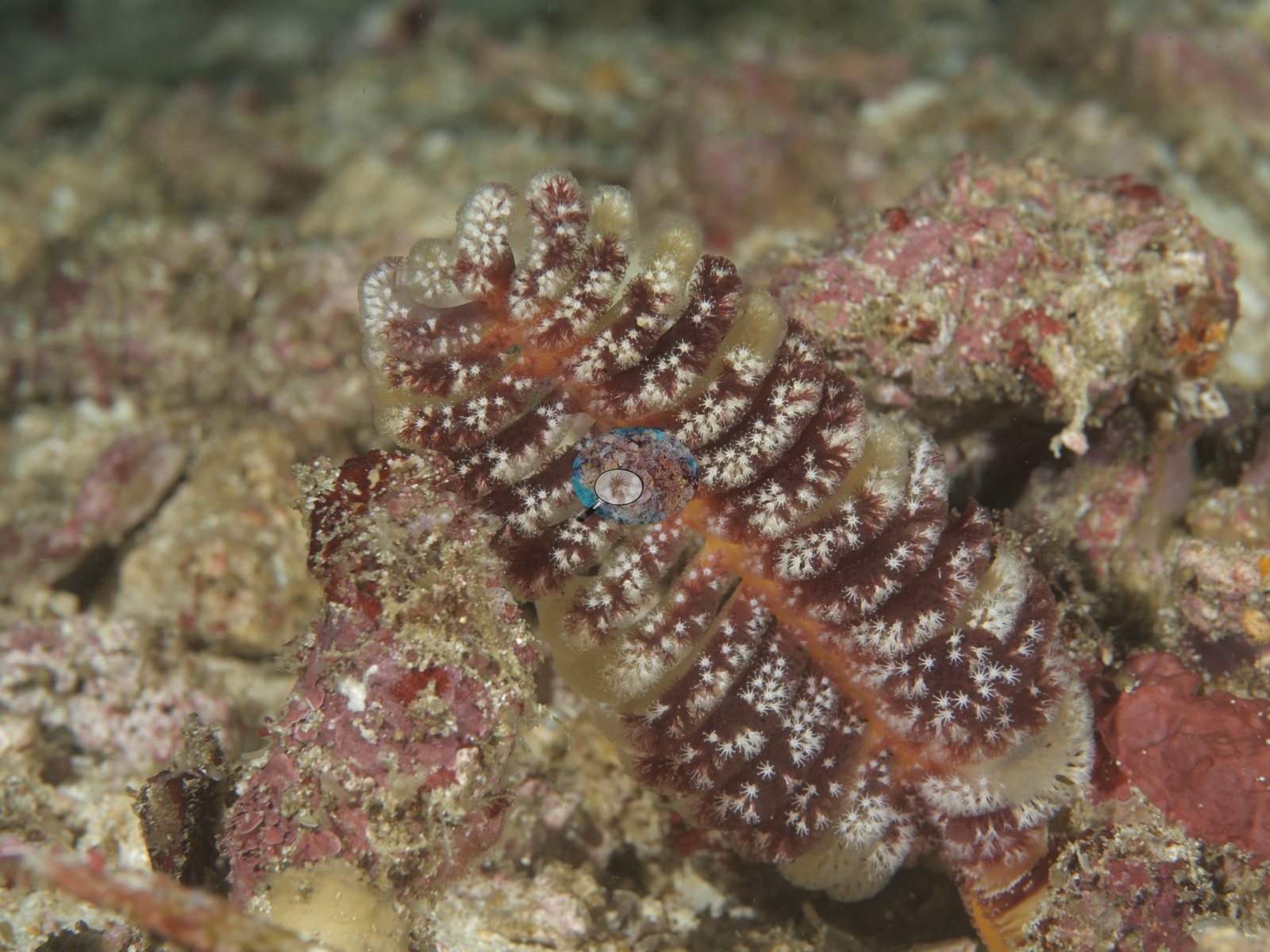 Photo: Pierre13
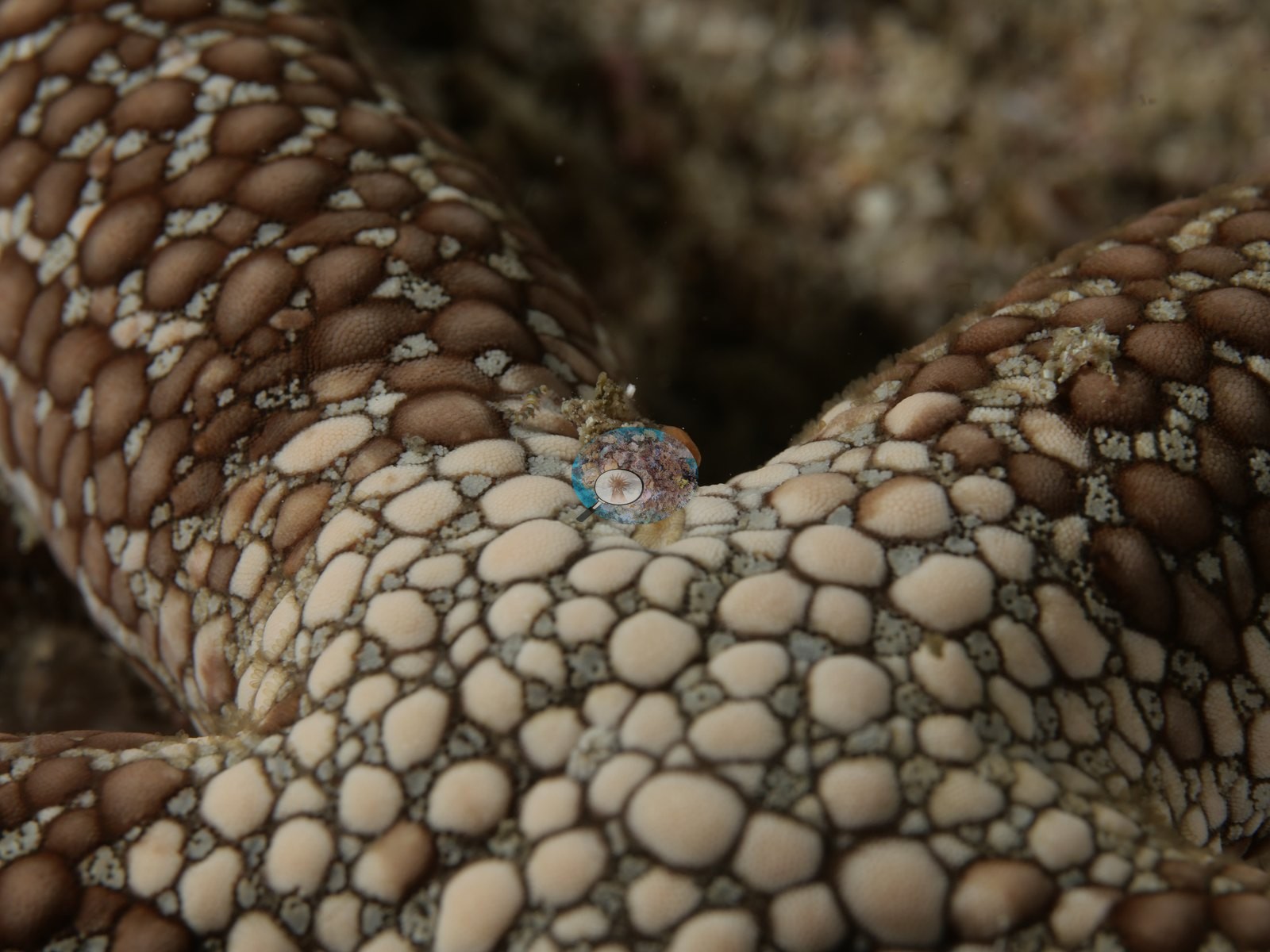 Photo: Pierre14
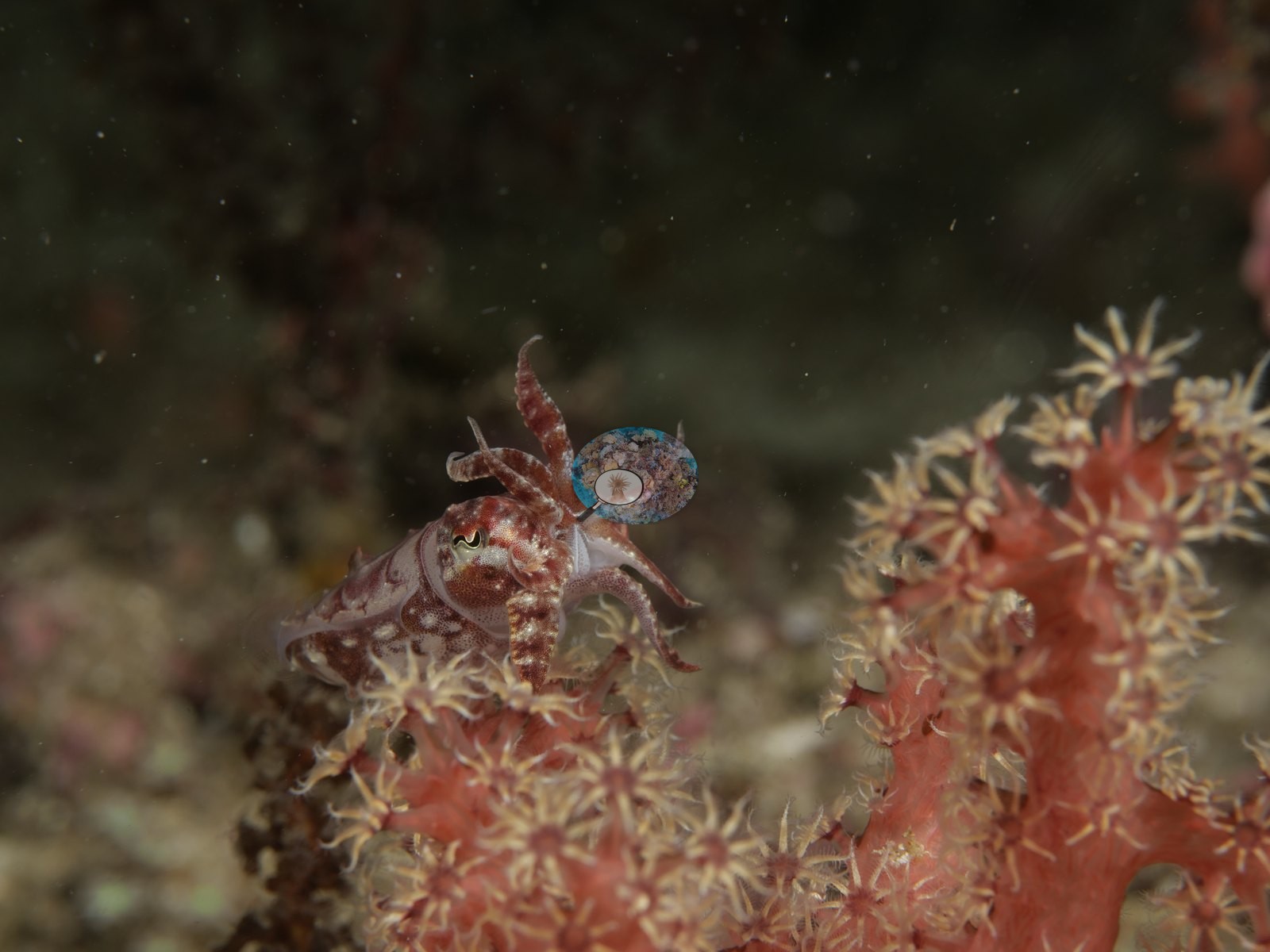 Photo: Pierre15
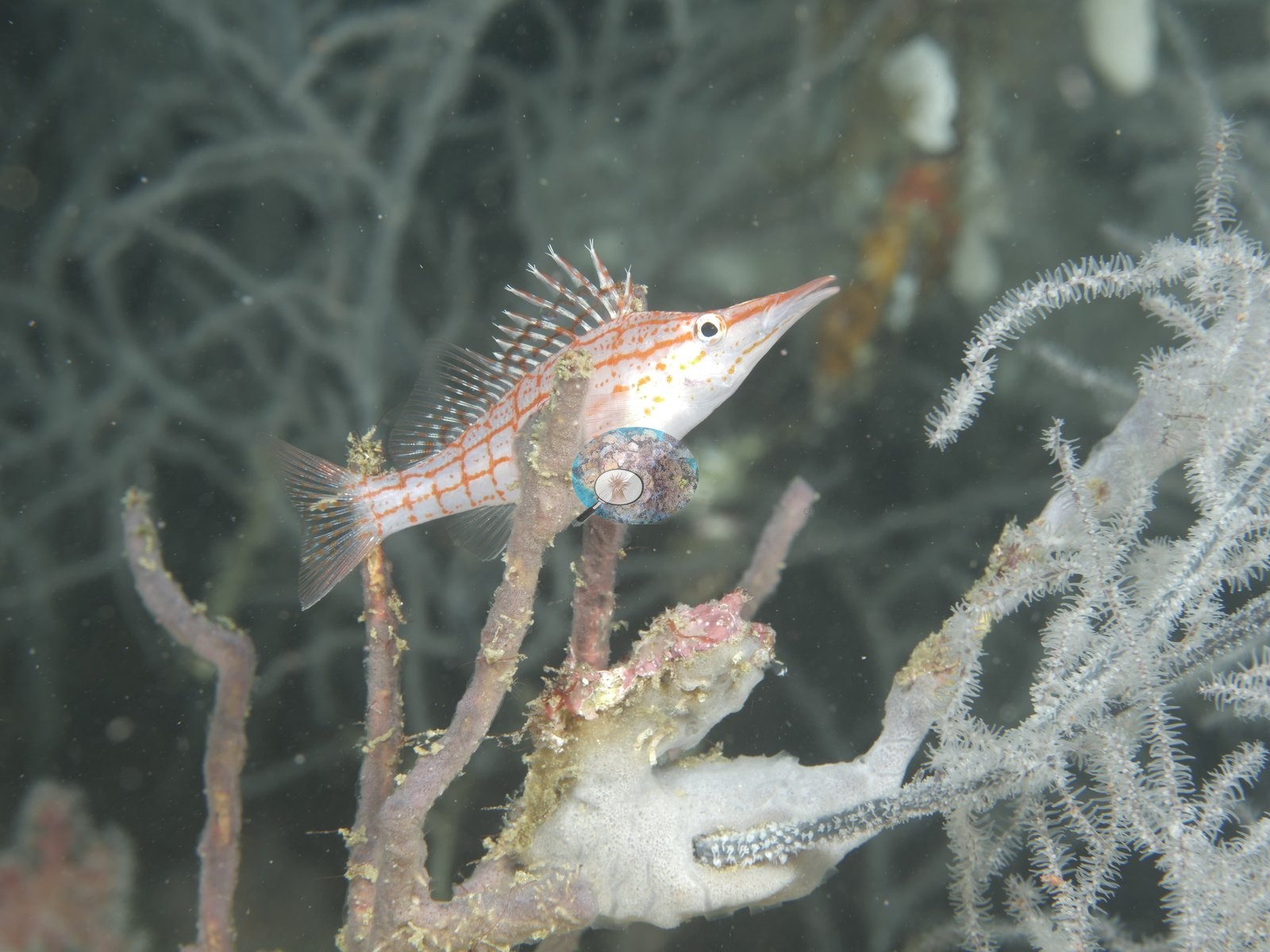 Photo: Pierre16
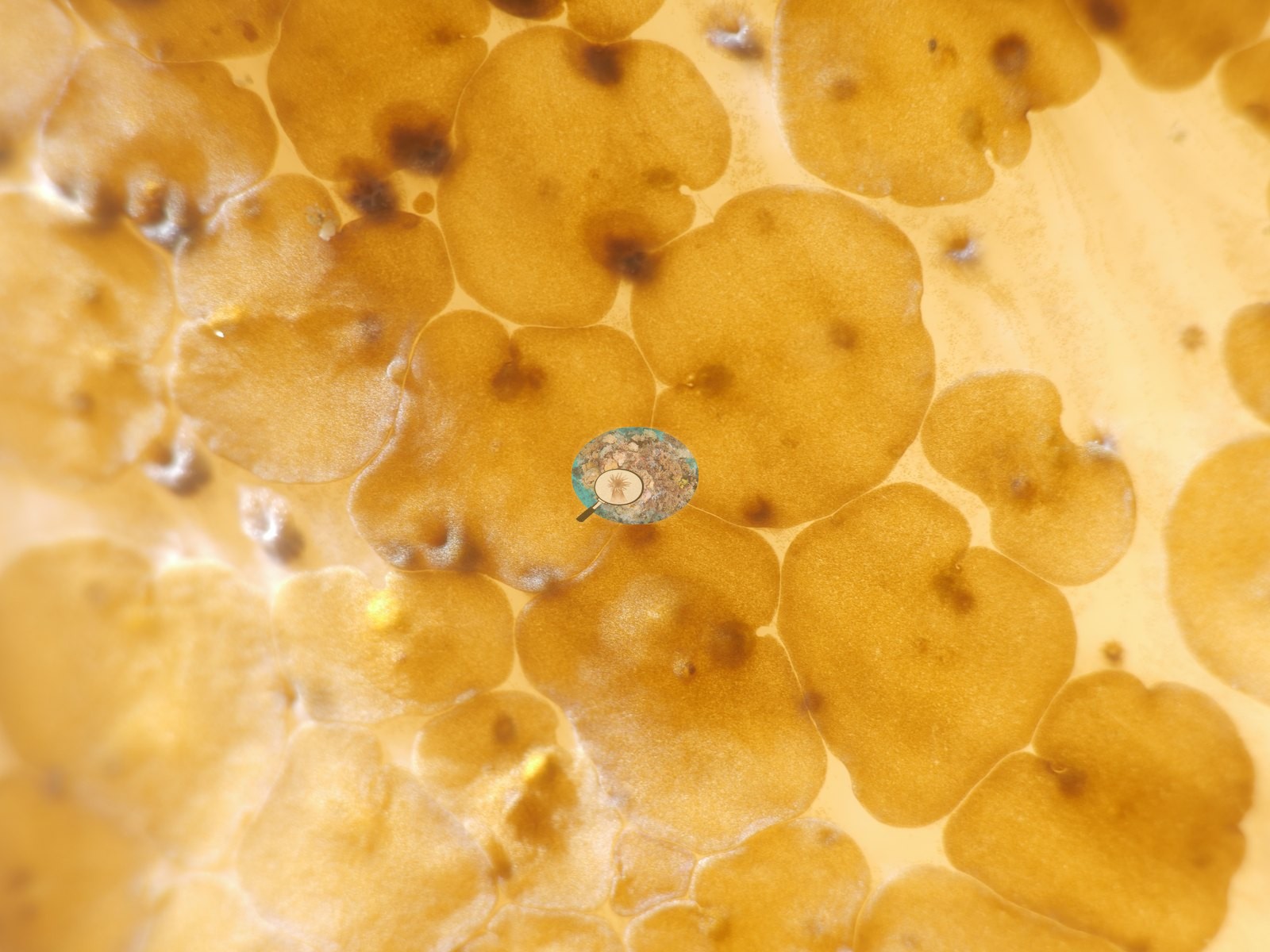 Photo: Pierre17
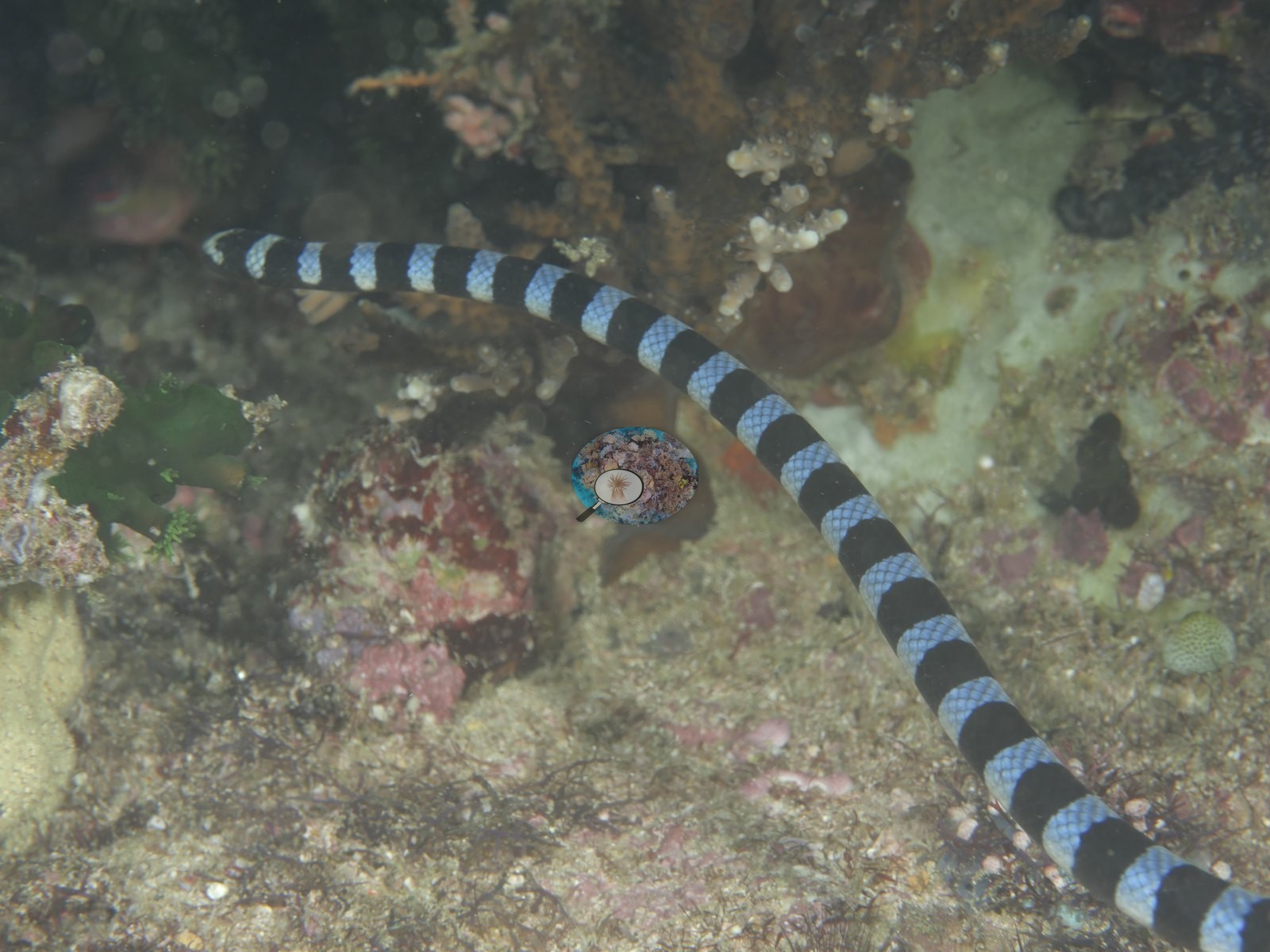 Photo: Pierre18
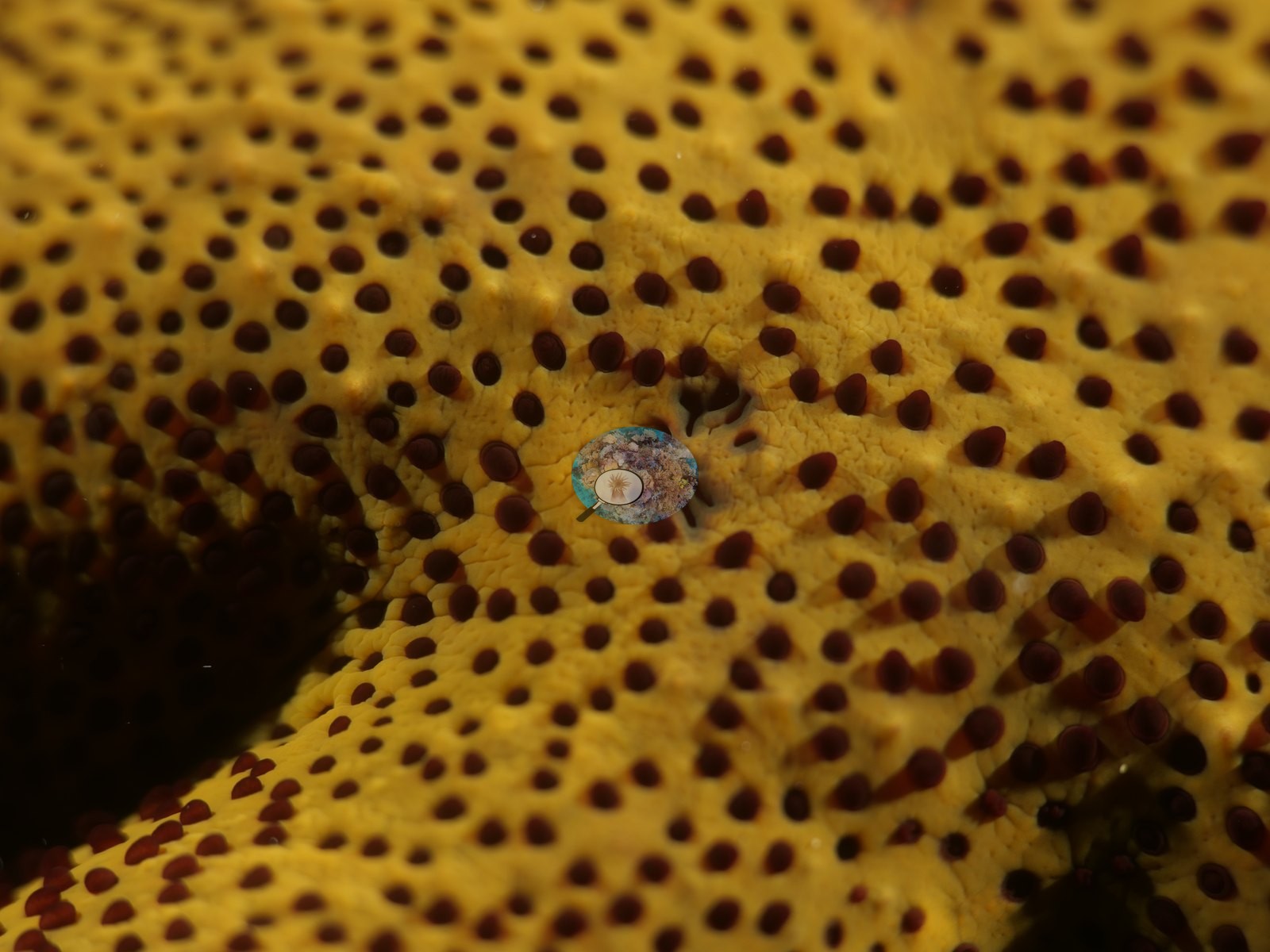 Photo: Pierre
Site description
Setting
Front side of Little Komodo Island. Very different from the other side. 3-4 m viz.
General benthic features
At 15-20 m there was a forest of white soft coral, incredibly murky, low light, landed on top of soft coral garden, some never before seen soft corals (e.g., Image 2).
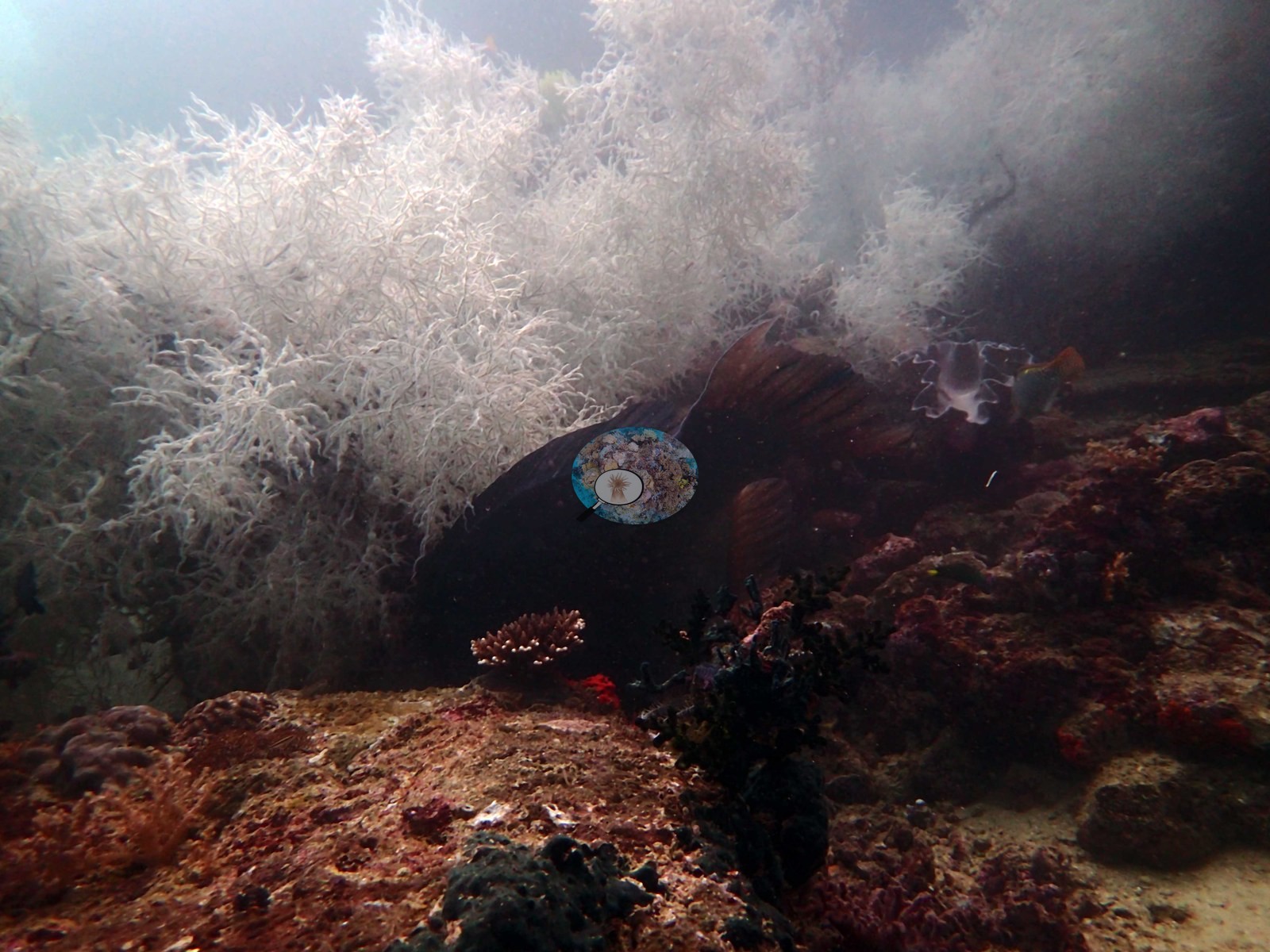
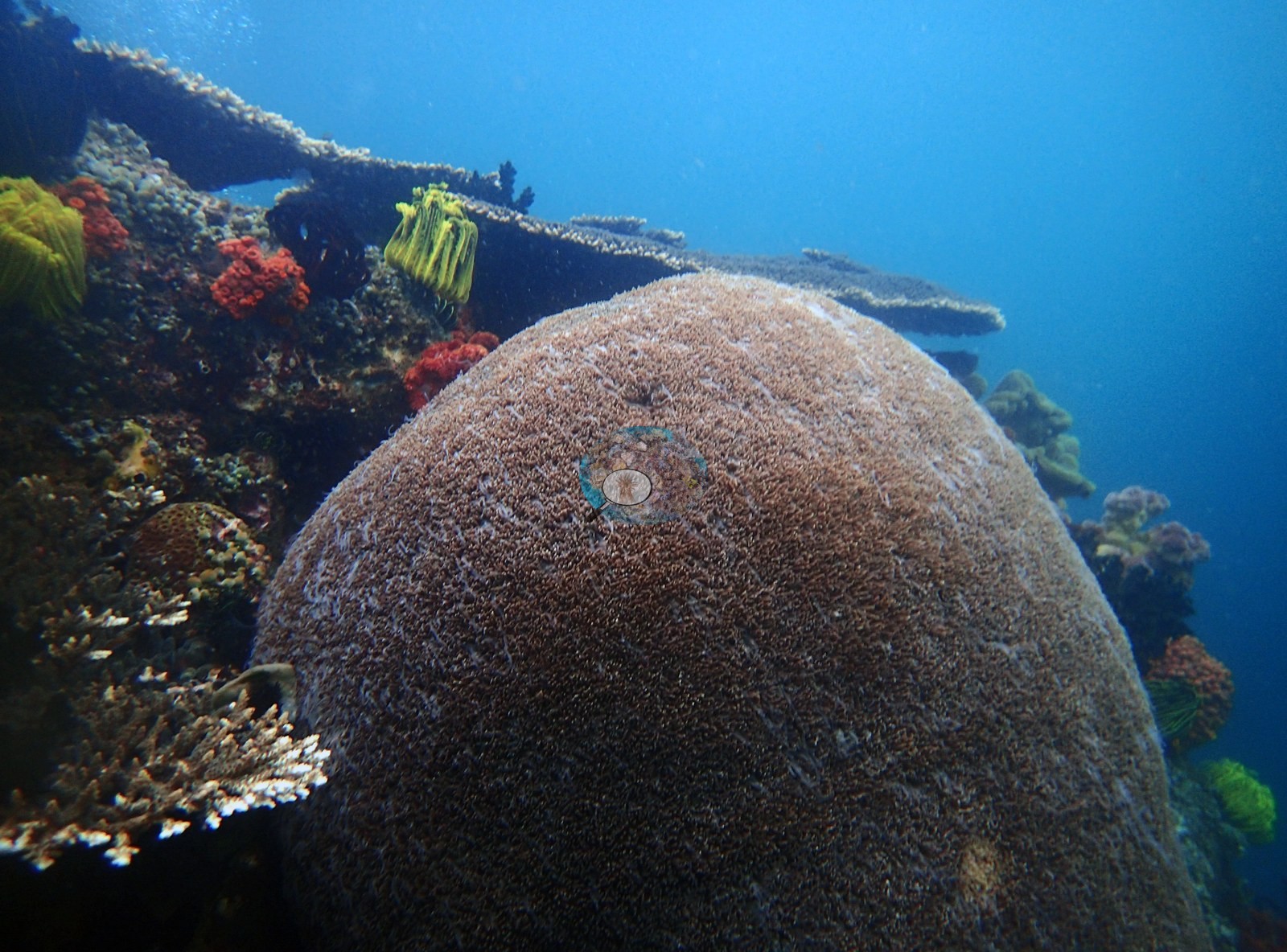
Soft coral forest was virtually uninterrupted with some barrel sponges and the odd small, hard coral colony (e.g., Image 1).
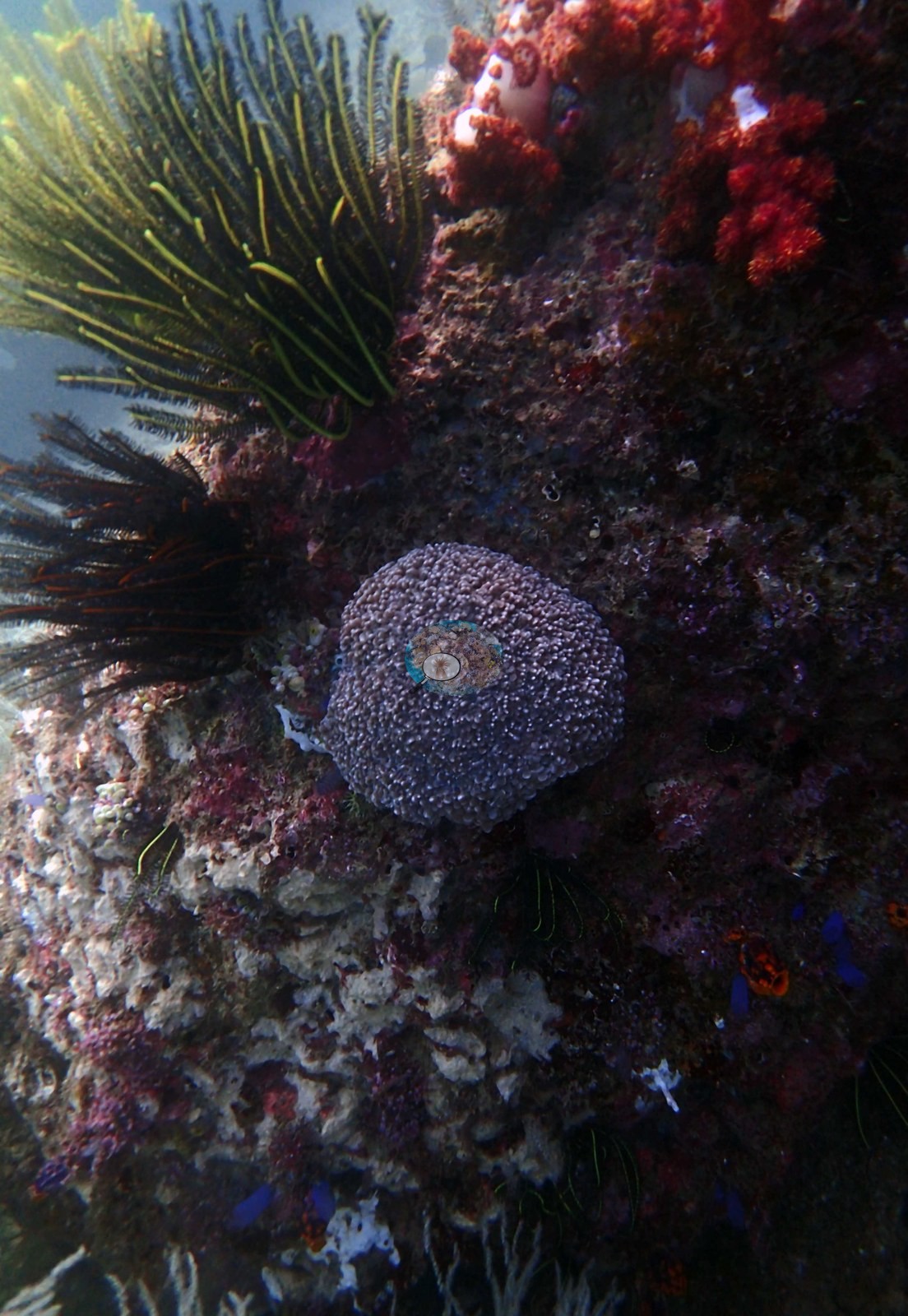
Among most Tubastrea ever seen (orange and green) at 5-7 m. Branchy plate, Acropora relatively common at 5-7 m (e.g., Image 5).
Some patches of urn tunicates in shallows.
Coral cover
Coral cover: 12% — a blind Claude computer-vision point count of 73 of Anderson's edited photographs (20 points per photo; water, fish, and obstructions excluded). Other computer-vision methods are listed in the method table.
Fish and other fauna
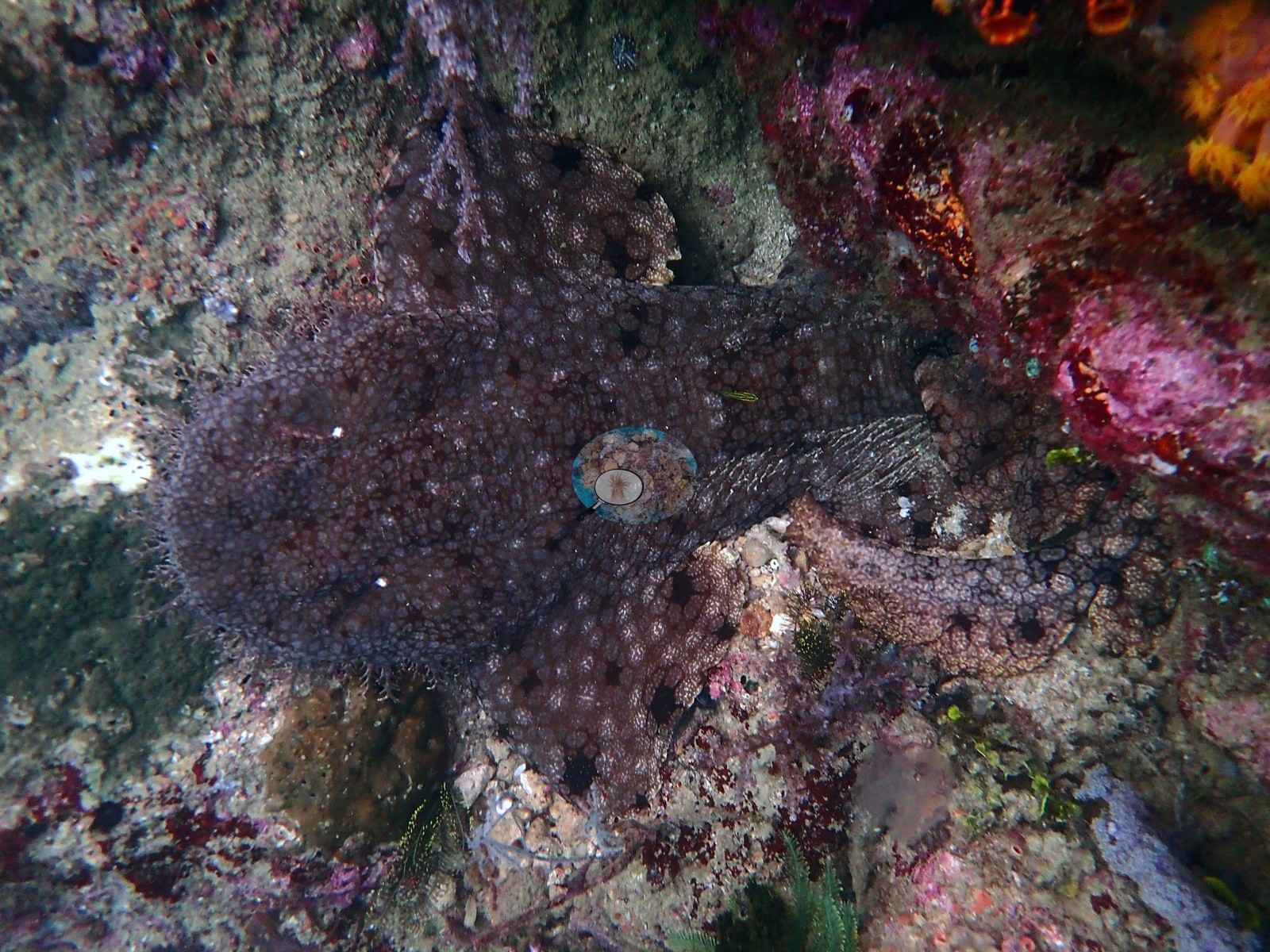
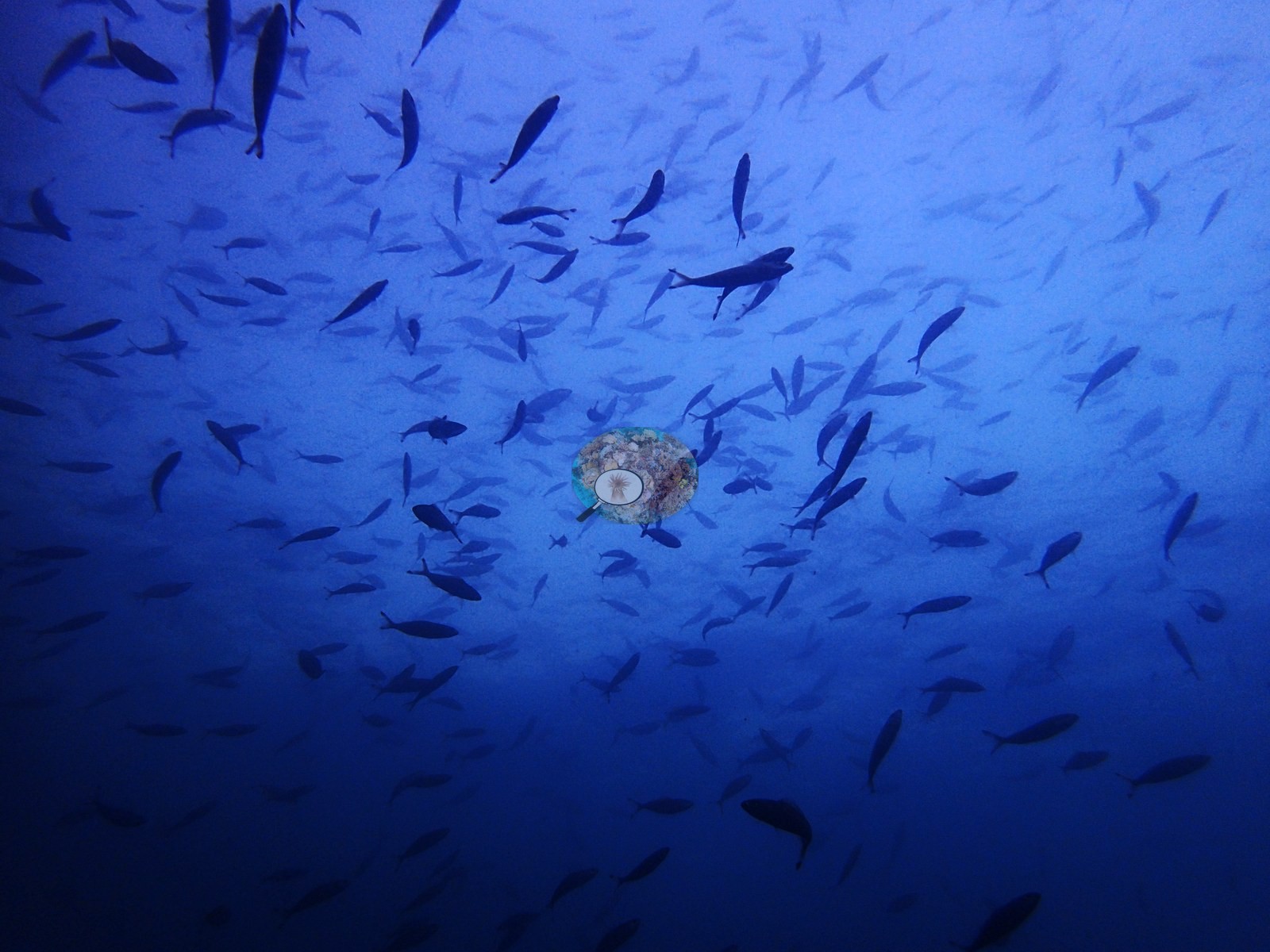
Much higher fish biomass, saw enormous bumphead parrotfish, one of the biggest I’ve seen. Little yellow sea cucumber was everywhere. Enormous angelfish, soft coral garden ended at 20 m (just rubble below). Several large grouper. Wobbegong (carpet shark), first=gorgeous, super excited (e.g., Image 3).
Fish biomass at 5-7 m=staggering (e.g., Image 4).
Ghost pipefish, small but beautiful. Spider crab (yellowish), decorator crab, “two spot” lion fish (second one ever seen-both have been at night).
Comparisons with other data
No prior survey data from this site. If you would like to share yours, please email us.
Dive record
Dive 2: “Little Komodo:” Wow, what a great dive! Dive 3: “Christmas Point” (night dive): Large lobster, biggest sponge crab ever seen hanging out with monster morays under coral bommie=fucking awesome.
CV model comparison
More info
DINOv3 and CoralSCOP were run on the same photos and are listed for comparison. Coralscapes v2 and v1 were also run but are not shown: Anderson does not consider Coralscapes reliable for these photos. No diver transect exists for this trip, so agreement between the rows is not accuracy, and as of September 2026 no computer-vision method estimates coral cover accurately on new images; treat every row as indicative.| Method | Hard-coral cover (%) |
|---|---|
| In-house DINOv3 | 22.9 |
| CoralSCOP edited | 31.2 |
| Claude (edited photos) | 11.7 |
Data & links
Images 6–18: Pierre; all other images from Coral Reef Diagnostics. Data are from Coral Reef Diagnostics.
© Coral Reef Diagnostics.