
Triton Bay - Larry Dive Heaven
Part of the regional summary: Indonesia - Triton Bay
More info
West Papua (NOAA CRW virtual station)Larry Dive Heaven runs from barren ground through a soft-coral and Tubastraea zone into improving hard coral cover in the shallows, with brain corals, large purple-brown Acropora, and dense Porites bommies. Highlights include two octopus sightings, ribbon eels, and the trip's first sea snake. No reliable coral-cover figure could be produced - too few usable benthic frames survived a fogged camera.
Larry Dive Heaven membentang dari dasar yang gersang, melewati zona karang lunak dan Tubastraea, menuju tutupan karang keras yang membaik di perairan dangkal, dengan karang otak, Acropora besar berwarna ungu kecoklatan, dan gundukan Porites yang rapat. Sorotan penyelaman ini mencakup dua kali perjumpaan gurita, belut pita, dan ular laut pertama sepanjang perjalanan. Tidak ada angka tutupan karang yang dapat diandalkan — terlalu sedikit bingkai bentik yang layak bertahan setelah kamera berembun.
Terjemahan ringkasan ini oleh AI; versi bahasa Inggris yang berlaku.
Four other CRD dive sites within 5 km shown in orange — click a marker to open its page.
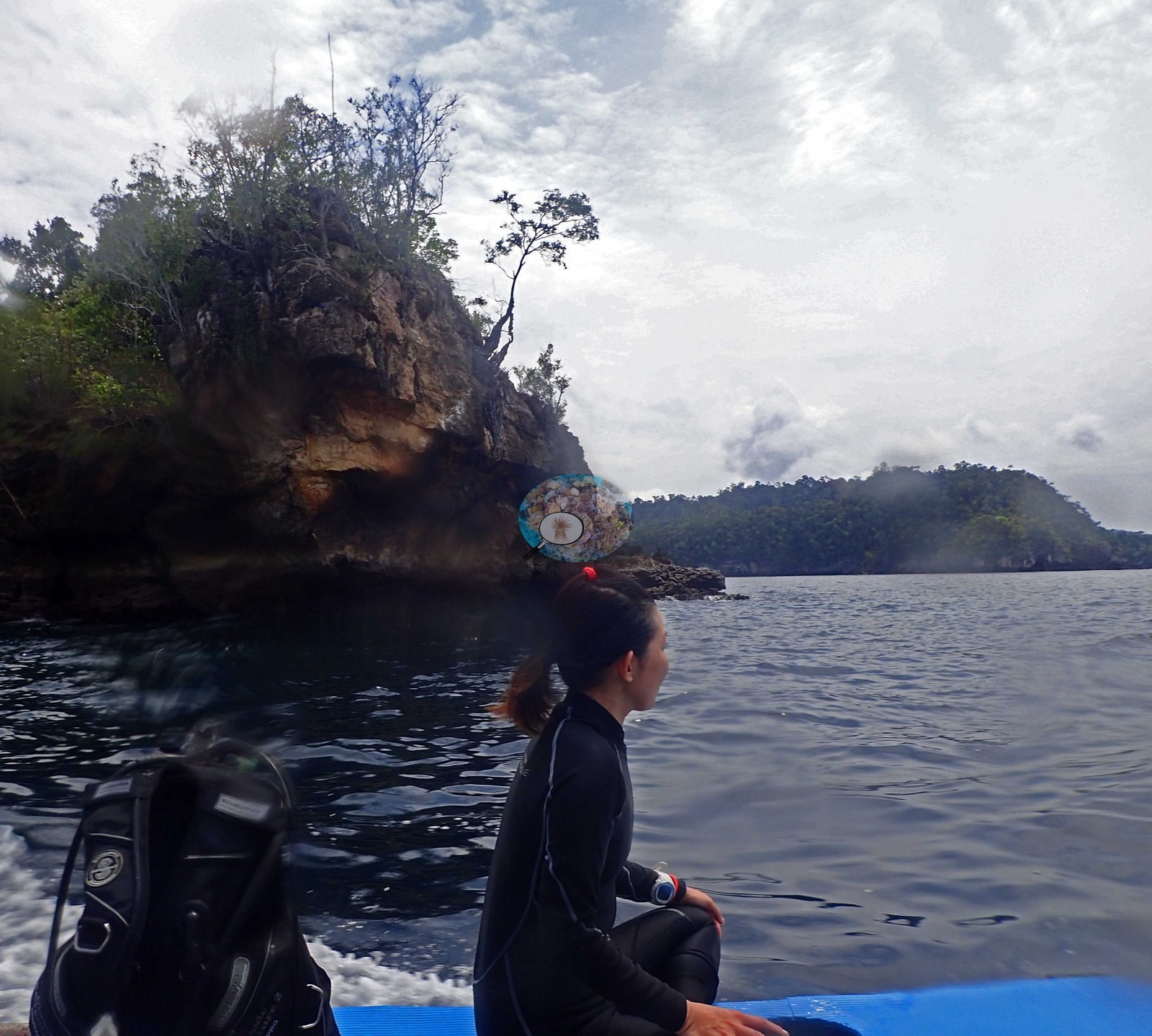 2
2 3
3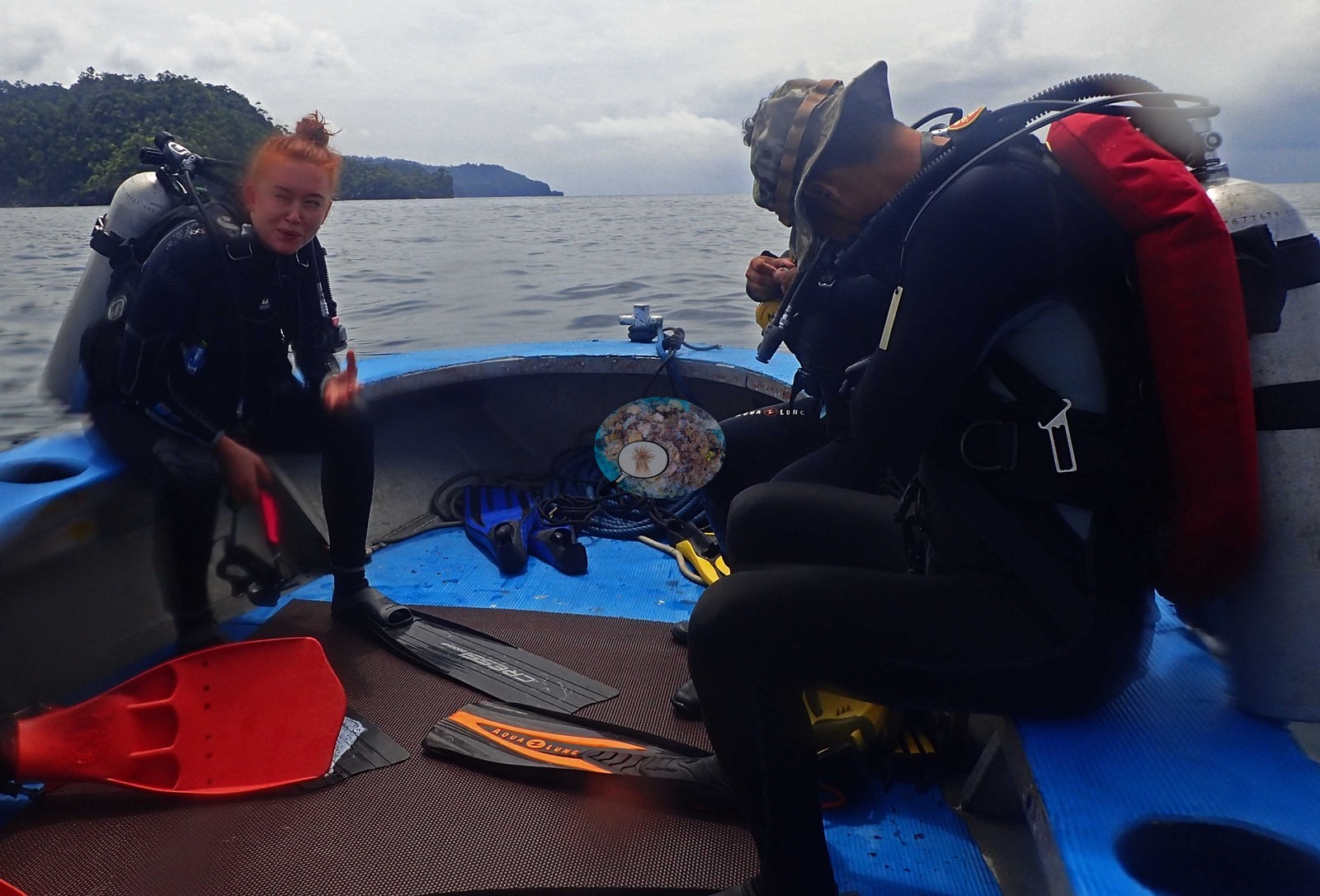 4
4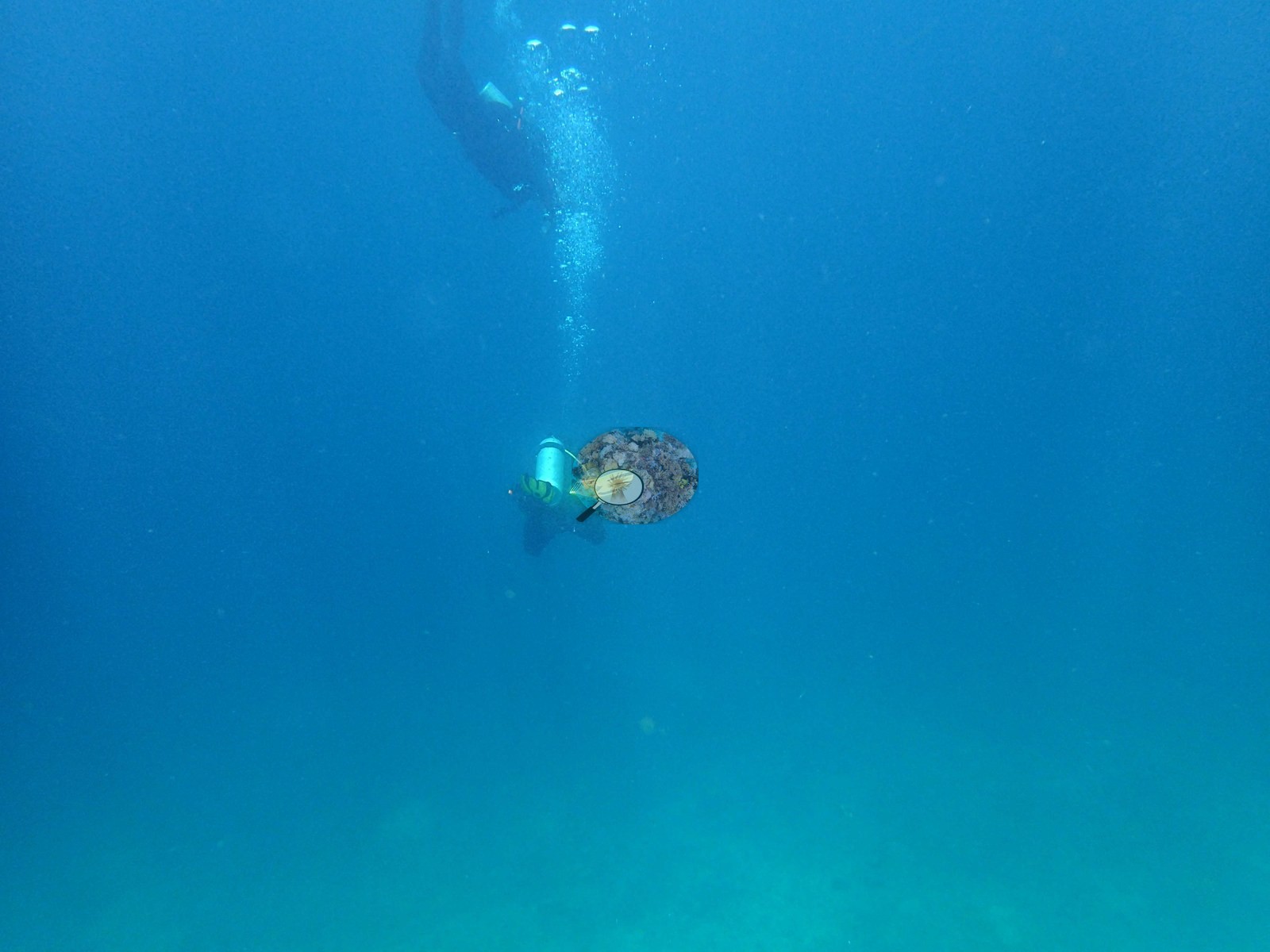 5
5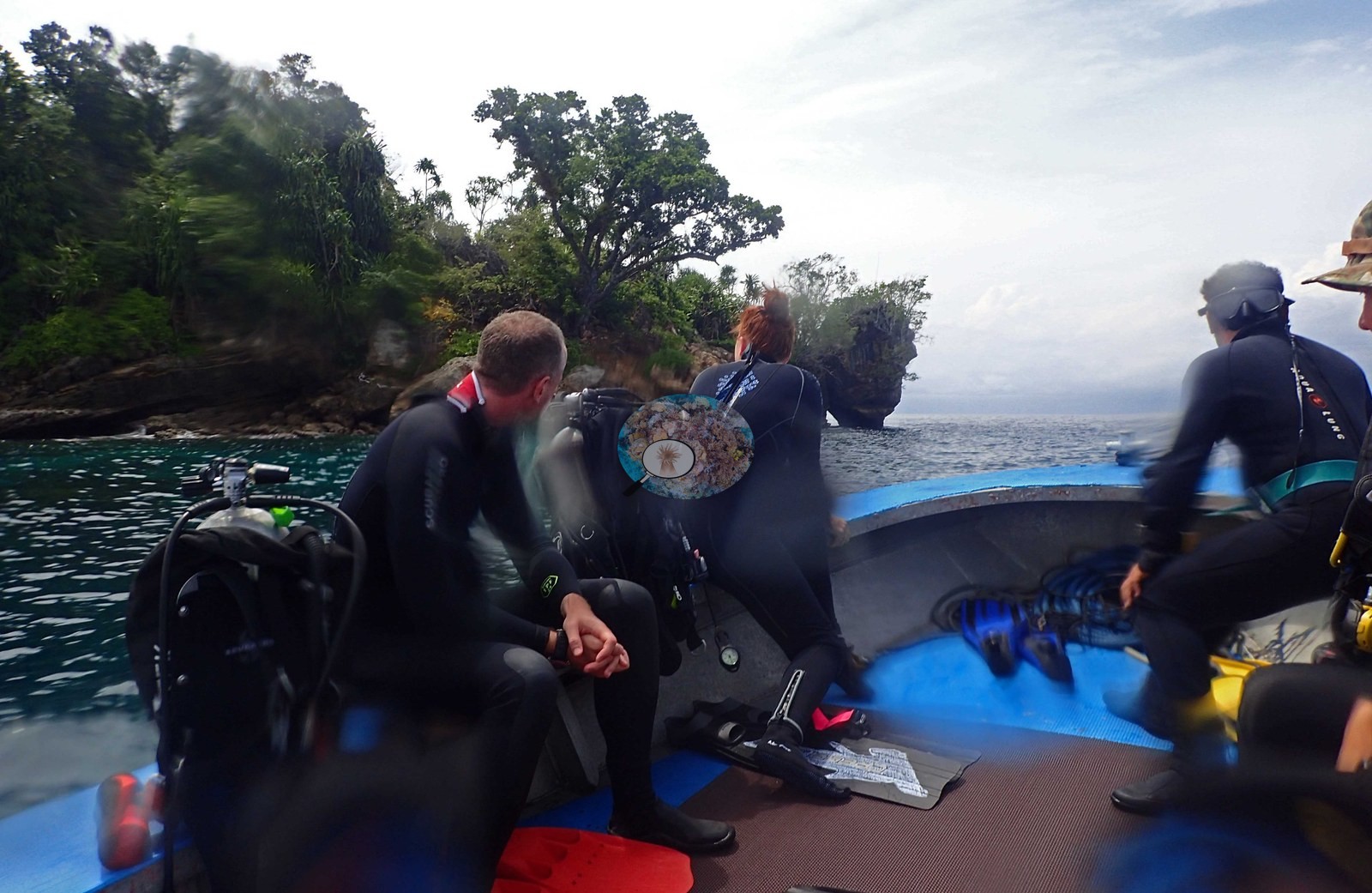 6
6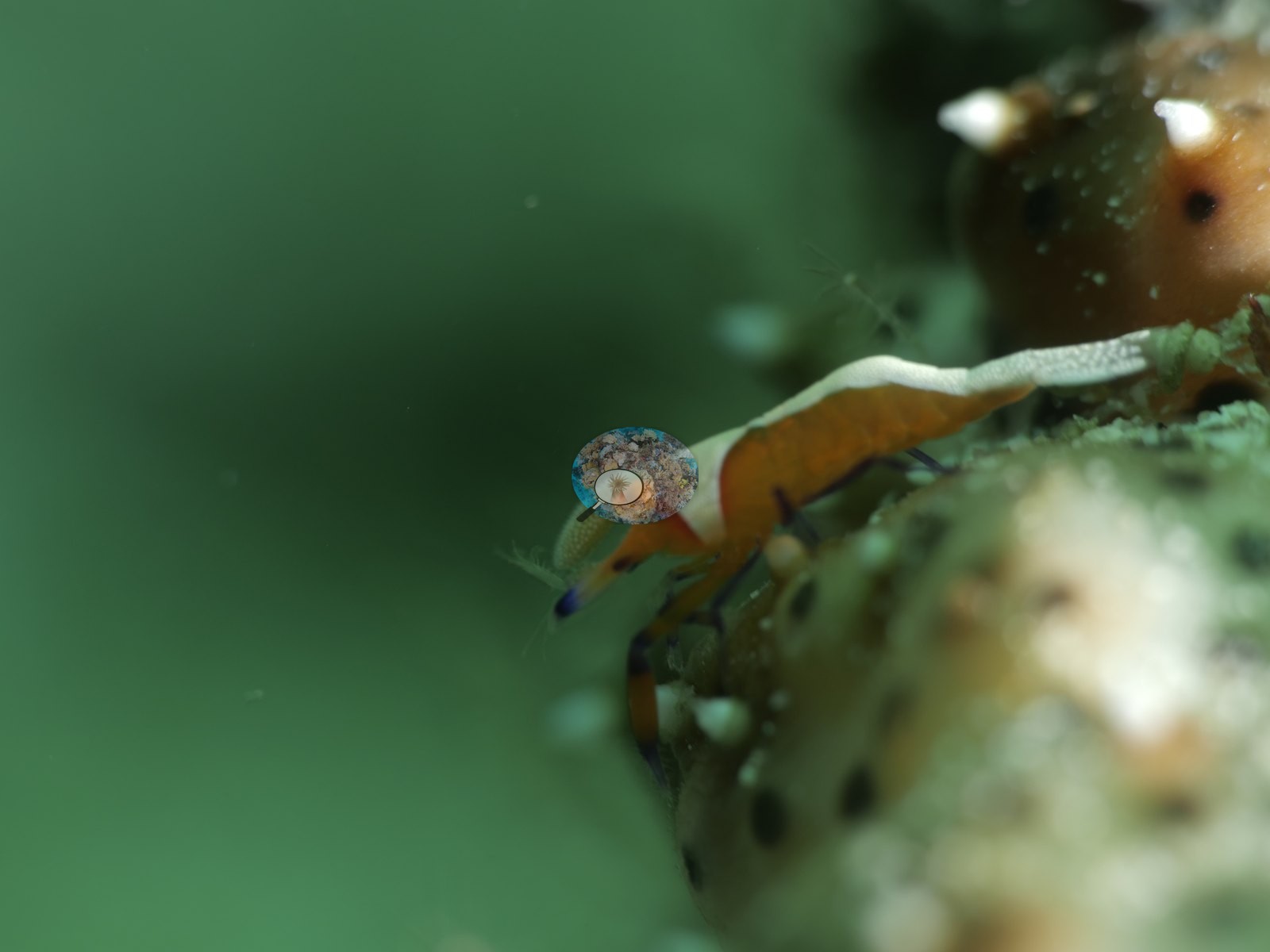 Photo: Pierre7
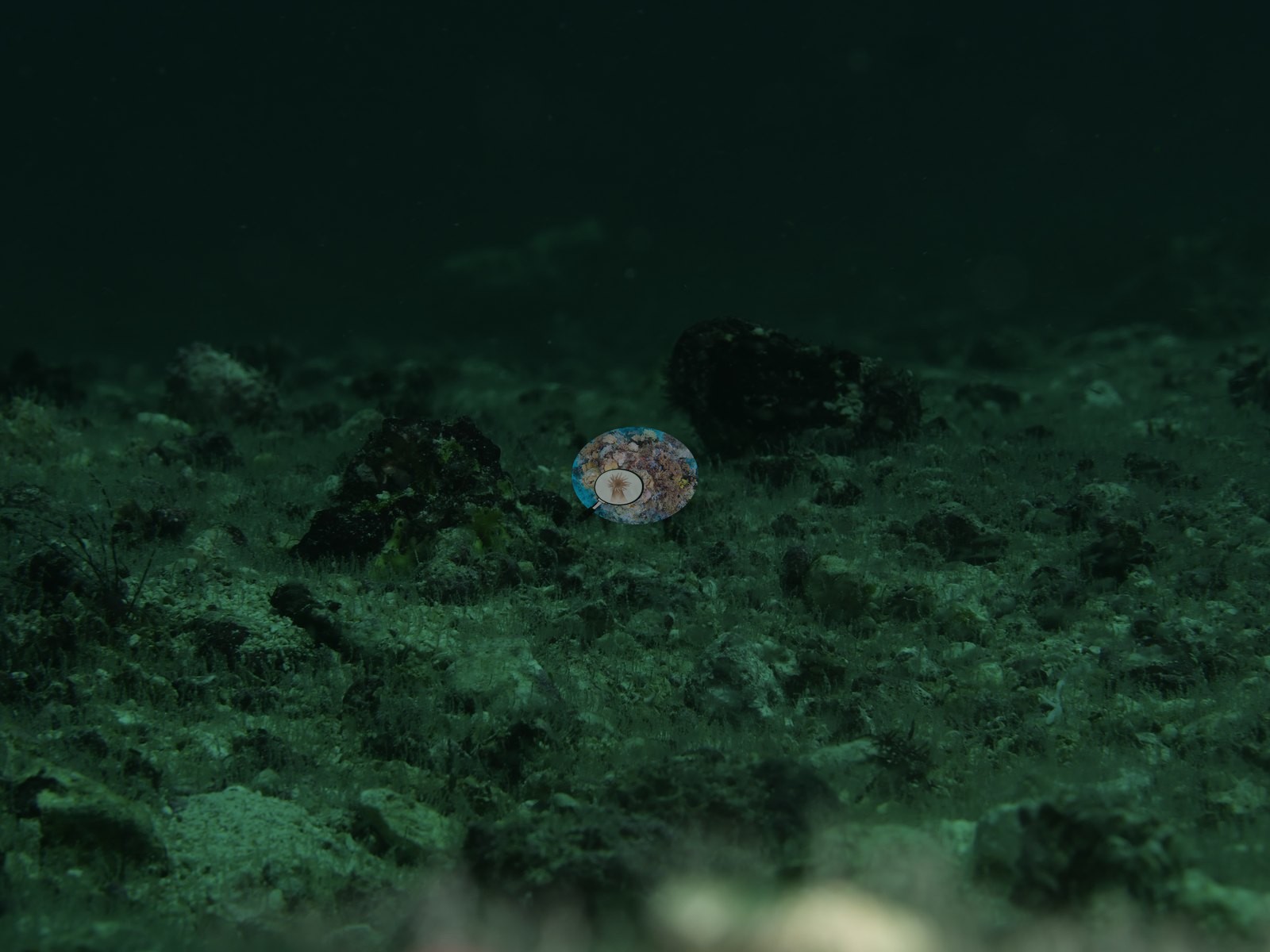 Photo: Pierre8
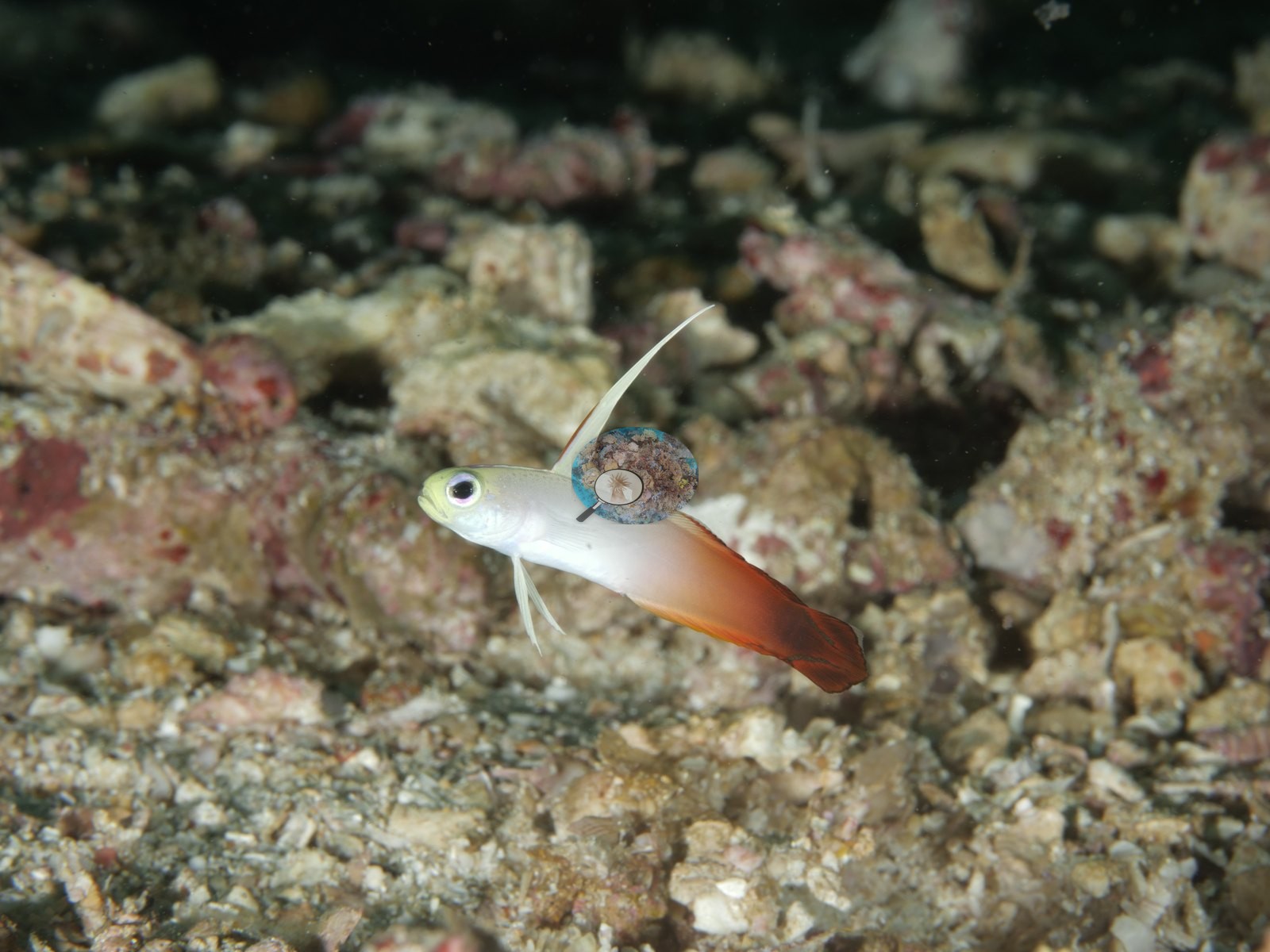 Photo: Pierre9
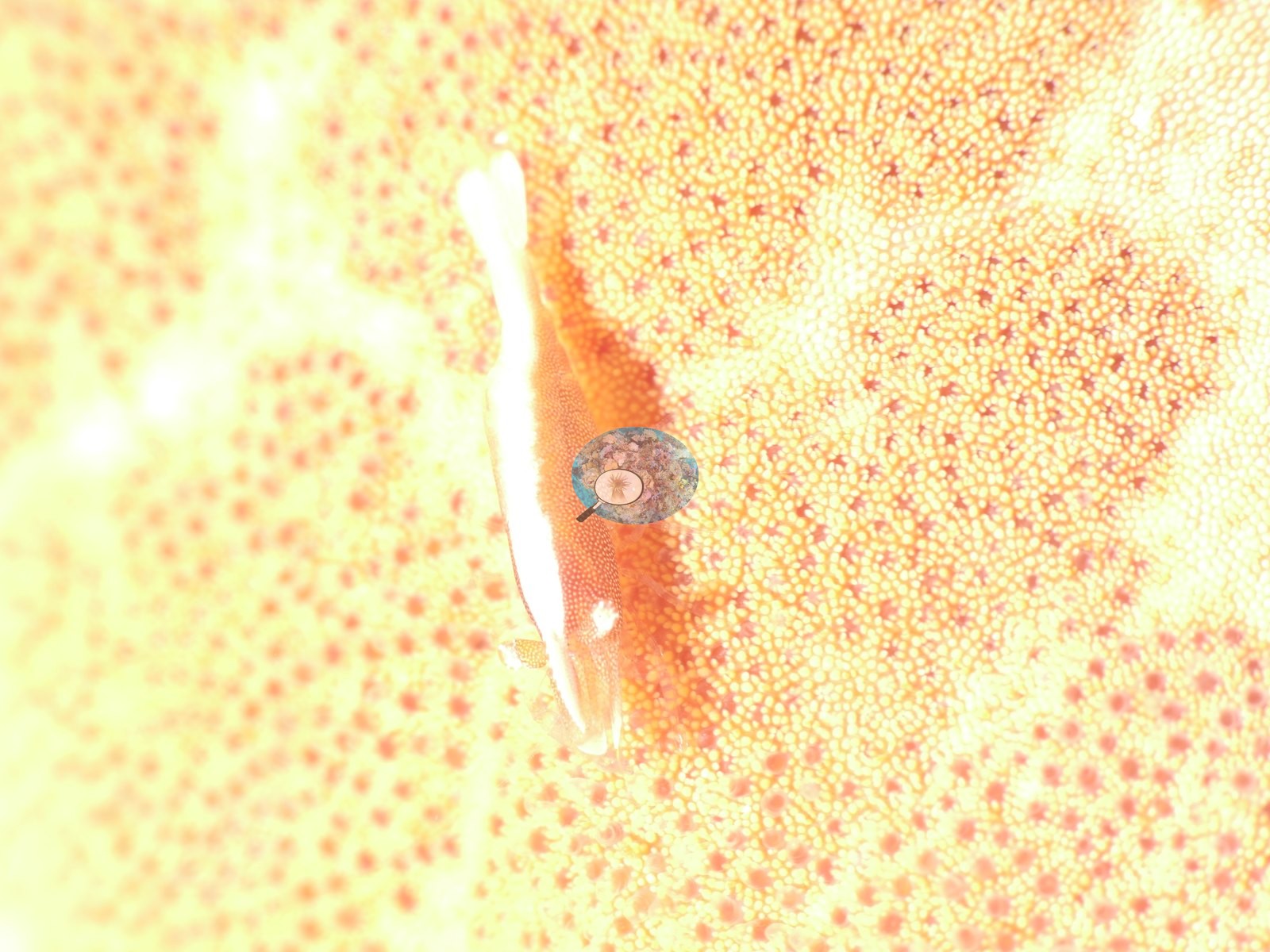 Photo: Pierre10
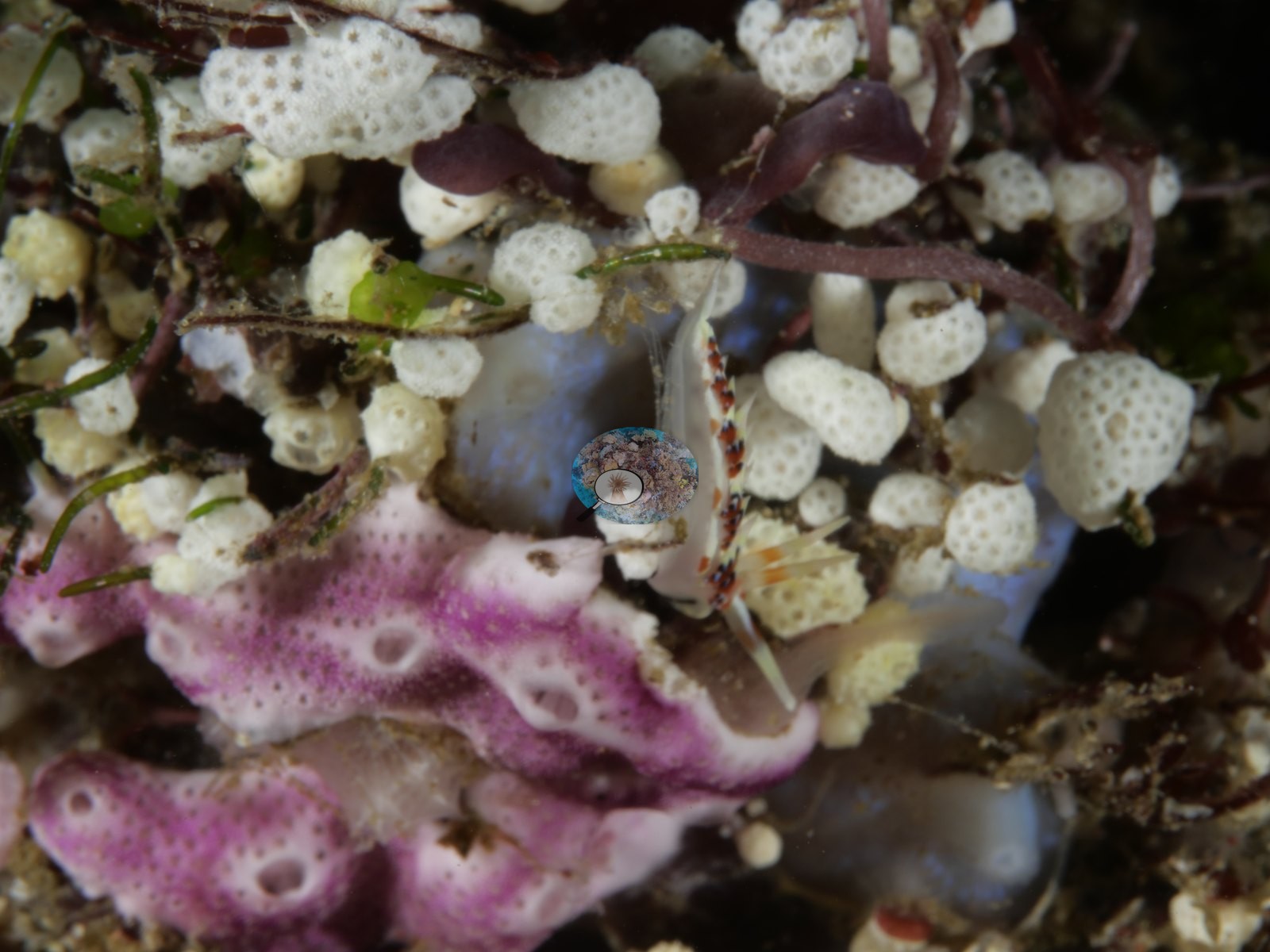 Photo: Pierre11
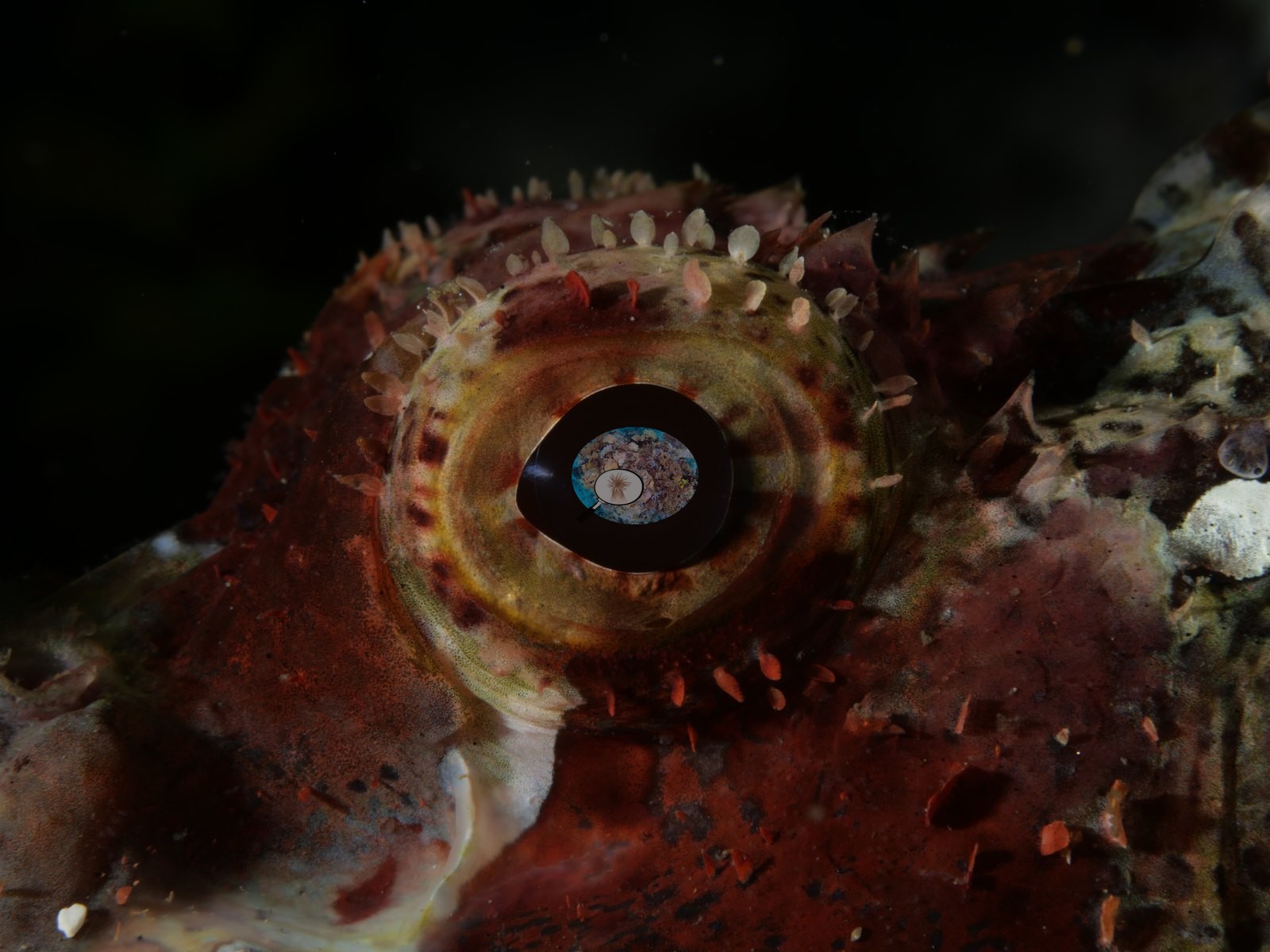 Photo: Pierre12
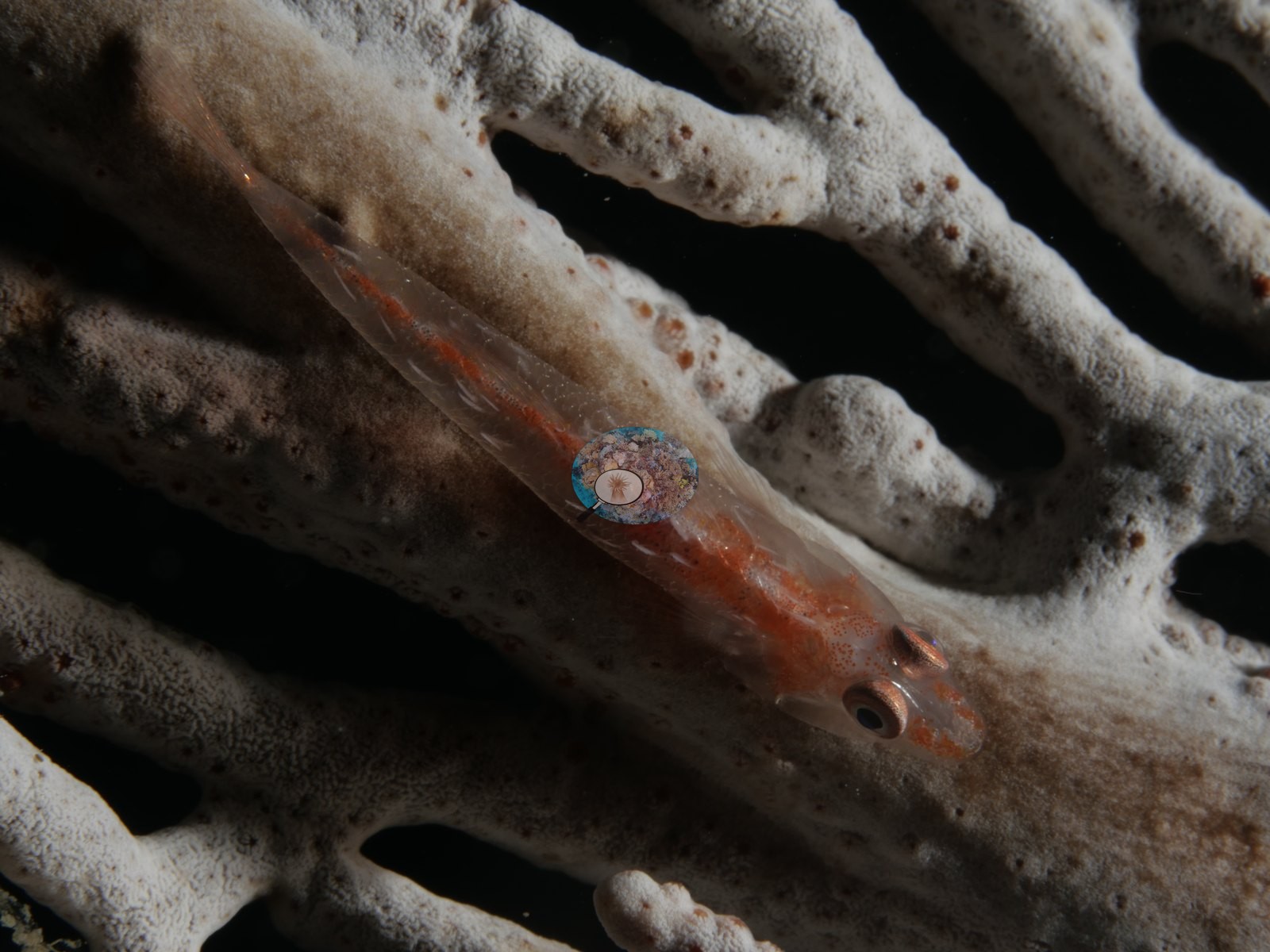 Photo: Pierre13
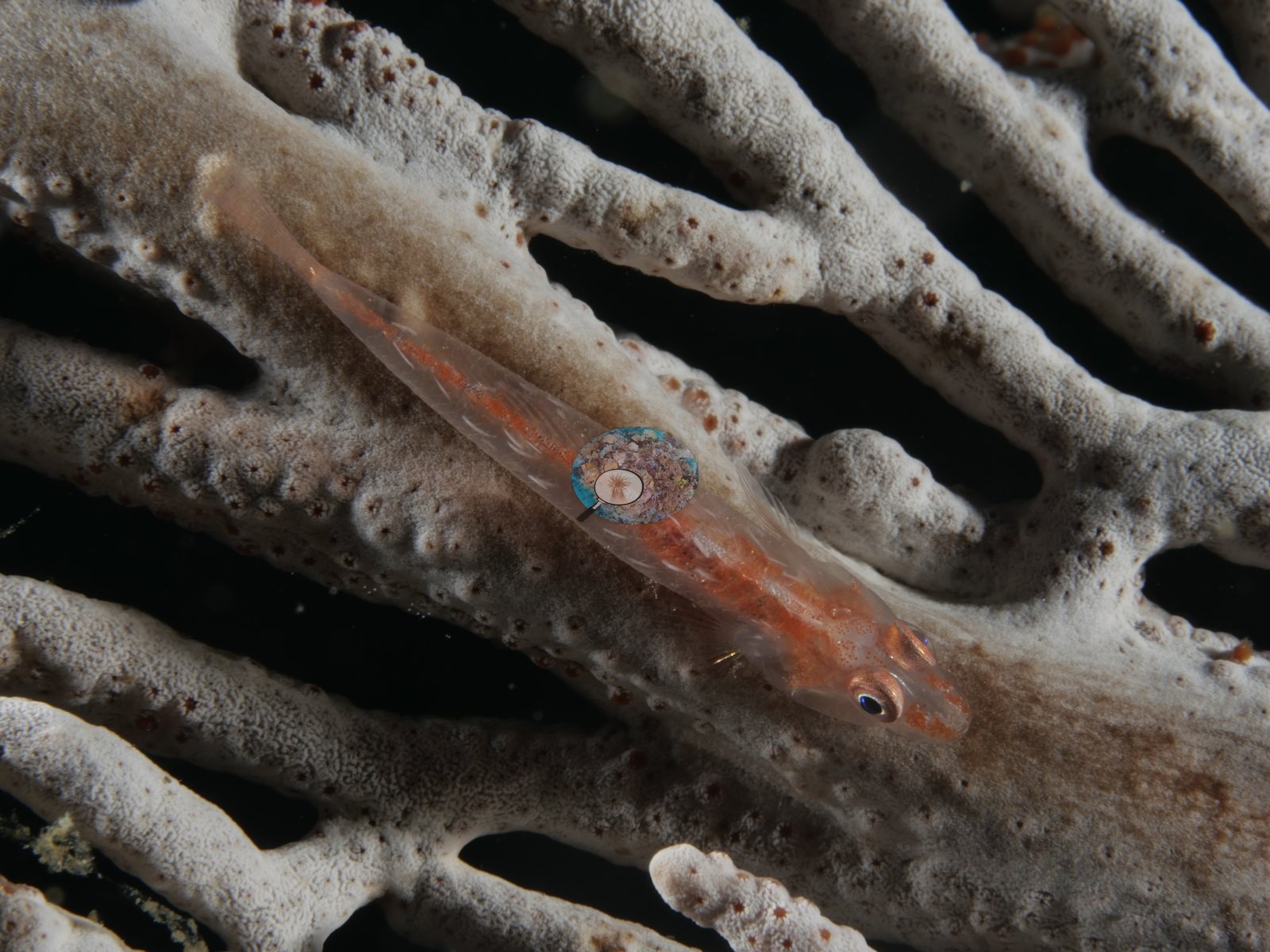 Photo: Pierre14
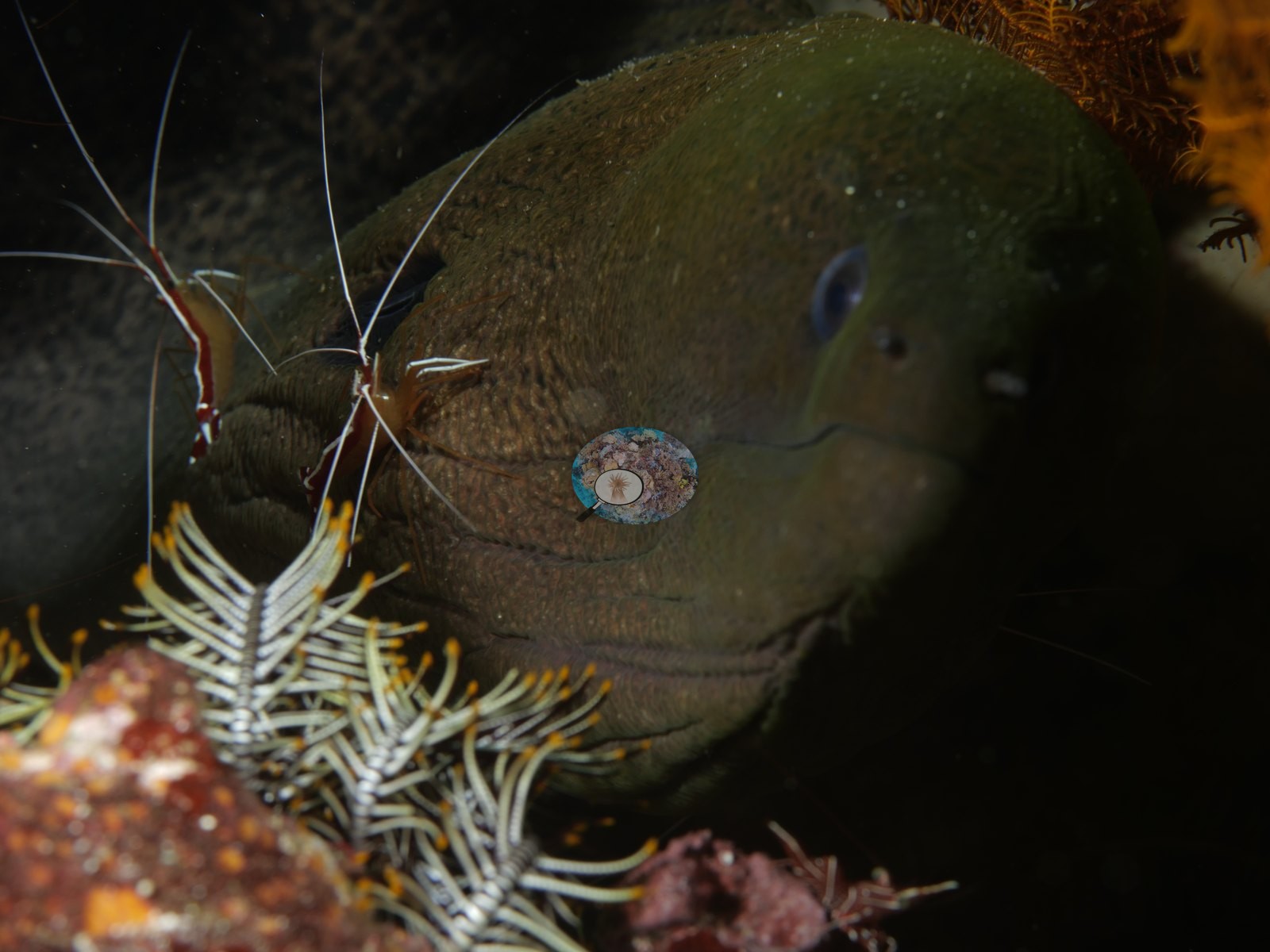 Photo: Pierre15
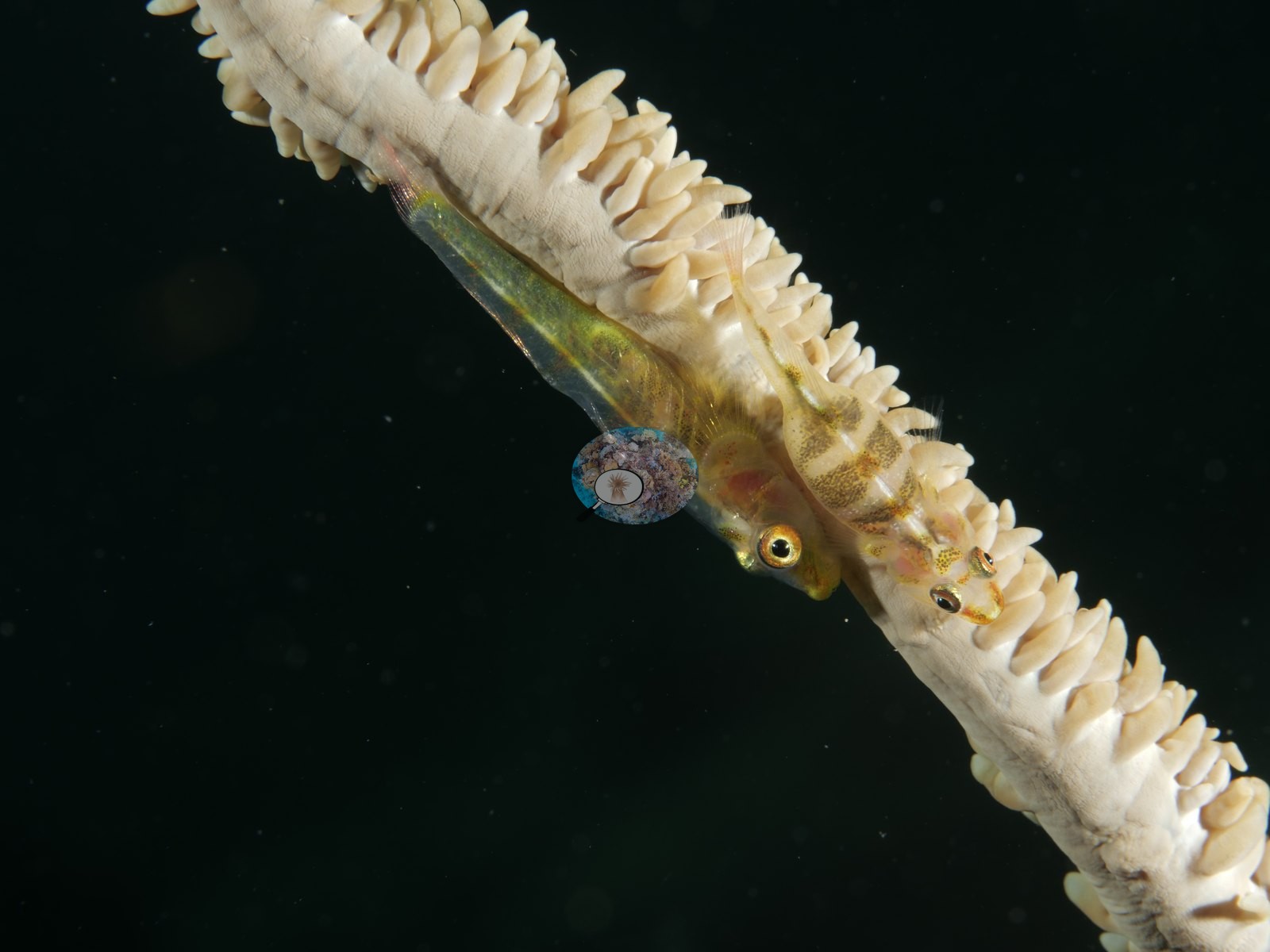 Photo: Pierre16
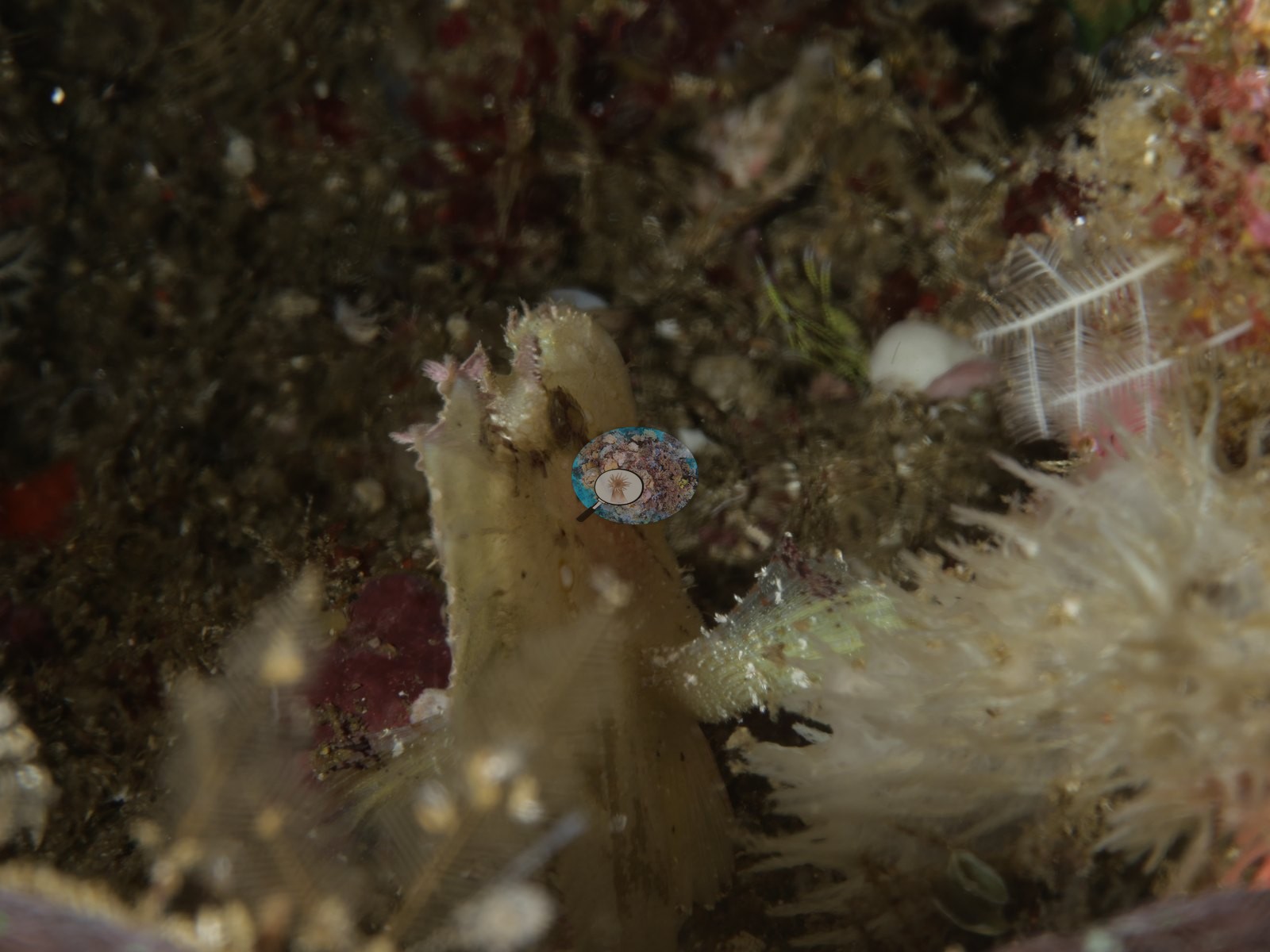 Photo: Pierre17
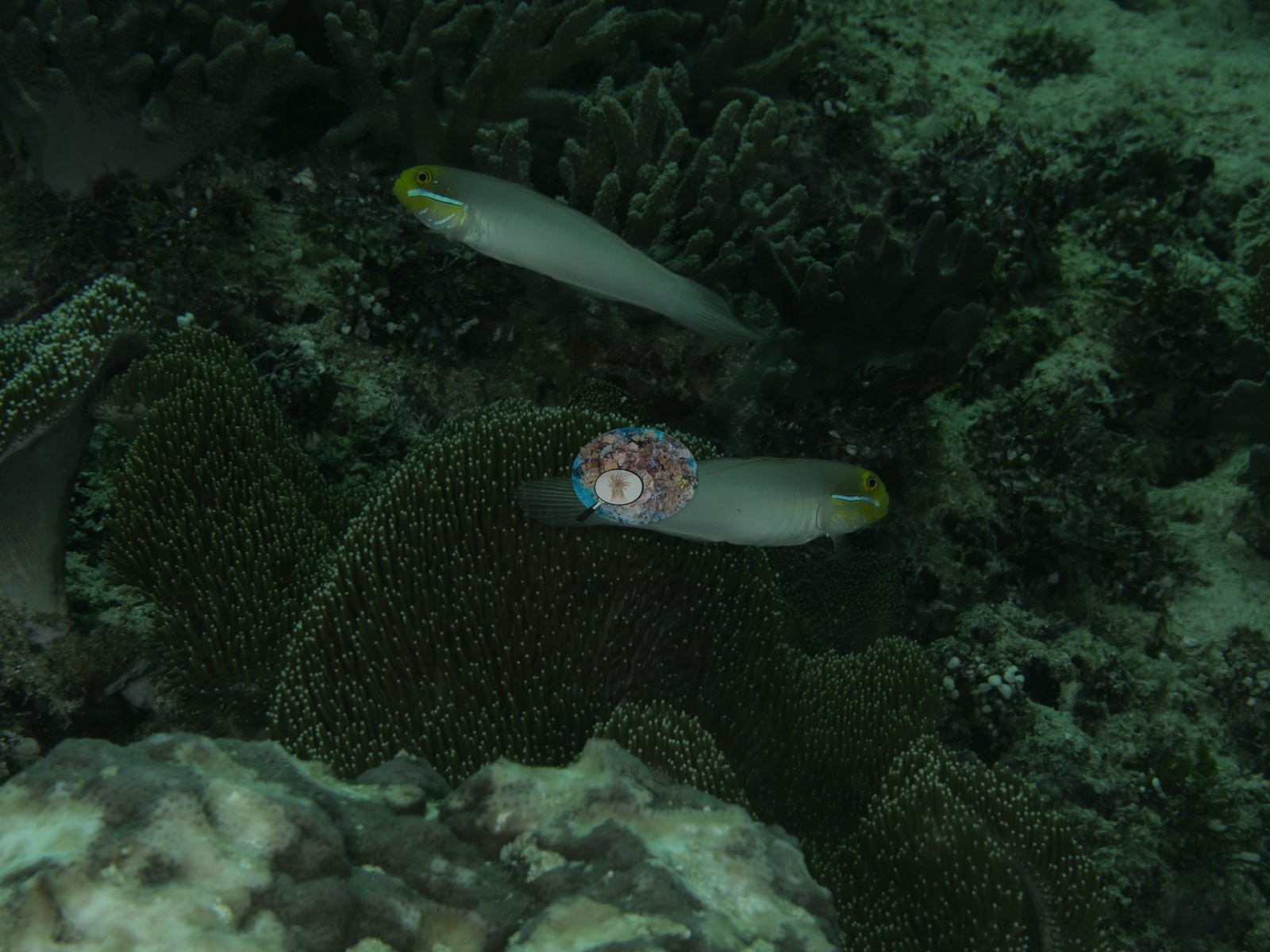 Photo: Pierre18
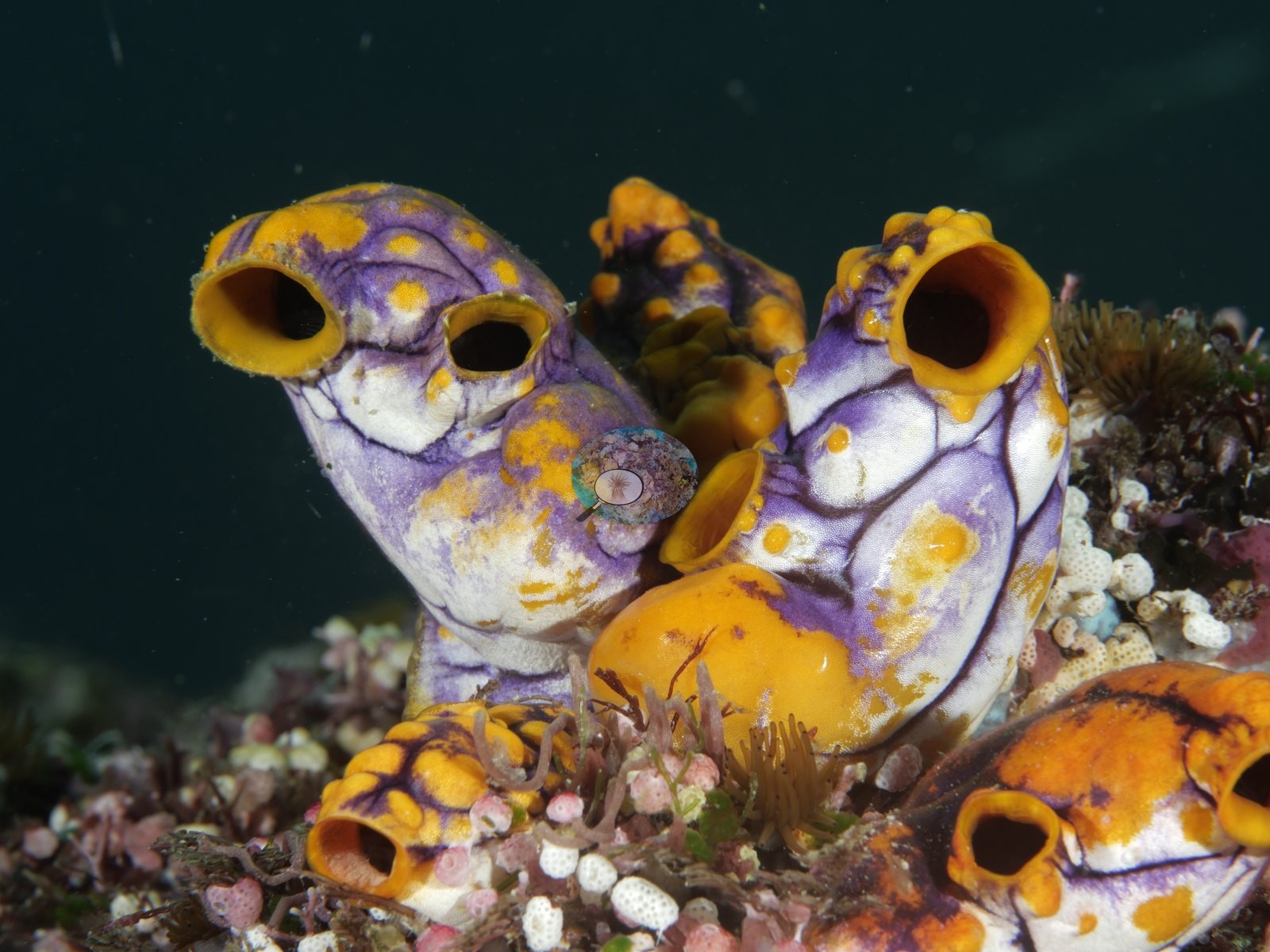 Photo: Pierre
Site description
Setting
Thermocline at 13-14 m. Reef leveled out at 5 m (hard to find shallower).
General benthic features
15-m: relatively barren for a long stretch before hitting soft-coral dominated reef. Tubastrea colonies common throughout site (mostly green). At 16-19 m, soft coral+Tubastrea environment. Plentiful barrel sponges. Bubble coral. Hard corals relatively uncommon at 20 m. Large areas with long-dead coral covered by coralline algae. Some fungids (though rare on trip so far). Above 14 m, stony corals begin to become more common. Brain corals common at 8-9 m. Unknown plating coral species (unfortunately no picture due to fogging), sheeting coral (unknown species). Acropora started to become common shallower than 7 m. 6-7 m: hard coral community improved significantly, thermocline at 6m (1-2C warmer). At 5-6 m some large Porites sp. bommies covered with tunicates (the common one seen in the Banda Sea=golden tunicate), fish biomass in shallows=high. First site where Pocillopora verrucosa was common, though only above 5 m (particularly at 4-5 m). Soft corals prevalent at all depths.
Coral cover
Coral cover — DINOv3 point classifier. The DINOv3 point classifier returned 17.1% for this site. A CoralSCOP cross-check is not in the consolidated table, so there is no second estimate here. Both models have known weaknesses, and they are different weaknesses. CoralSCOP computer vision reads HIGH on low-cover reefs: across twelve sites with a Reef Check diver survey within 1 km, the median CoralSCOP figure is 1.68x the survey value and the worst case is 4.6x. The DINOv3 point classifier is strong on reefs resembling its training data (6-class macro-F1 0.62, hard coral recall 0.82) but degrades badly on an unseen reef - cross-domain point accuracy measured at 0.17-0.25, ceiling near 35-50%. Expect this CoralSCOP and DINOv3 figure to change: Anderson is actively hunting for a more accurate coral-cover model and will rerun it when he finds one.
Fish and other fauna
First octopus. Saw a second shortly afterwards. “Patrick”-like sea stars. Beautiful scorpionfish, 5 green+black nudibranchs (never before seen, but common at site). Small, blue/yellow ribbon eels (x 2)=beautiful. Black banded sea snake (first of trip). Monster sea cucumber (common), several huge, purple-brown Acropora colonies (never before seen) @ 7-8 m. Large, awesome anemones with clownfish common throughout site. In general, sea anemone cover was very high. Massive bumphead parrotfish at several places along site. Highlights: nudibranchs, turtle, sea snake (1st of trip)
Comparisons with other data
No prior survey data from this site. If you would like to share yours, please email us.
Dive record
Dive 5: “Larry Dive Heaven:” 10 m viz @ 27C.
Other notes
Camera fogged up almost instantly. Highlights: nudibranchs, turtle, sea snake (1st of trip) No coral-cover figure is published for this site: after diver-portrait and topside frames were excluded, only 3 usable benthic frames remain, too few for a reliable estimate. An earlier CoralSCOP pass over the same diver-contaminated 7-image set had suggested roughly 13%, and a DINOv3 pass suggested 17.1%, but both rested on that insufficient, contaminated set and have been withdrawn.
Data & links
Images 6–18: Pierre; all other images from Coral Reef Diagnostics. Data on this page are from Reef Check Foundation, not Coral Reef Diagnostics; Coral Reef Diagnostics has no survey of its own at this site.
© Coral Reef Diagnostics.