
Maldives - Anantara Kihavah house reef & Golden Wall
Part of the regional summaries: Maldives - North (Haa Alif to Baa / Lhaviyani) and Maldives
2016-01-25
More info
Maldives (NOAA CRW virtual station) · Maldives ecoregion mean=2.9°C-heating weeksKihavah's house reef centers on an underwater restaurant ringed by coral-nursery domes and anemone carpets, while a drift along its outer wall found a crown-of-thorns starfish and feeding scars amid brilliant yellow soft-coral faces. Weeks after these January 2016 photos, the 2016 El Nino left Baa Atoll's reefs 81-97% bleached. Computer vision cover estimate is 15-19%, averaging 17%.
One other CRD dive site within 5 km shown in orange — click a marker to open its page.
16 of these 25 photographs are shown beside the text that discusses them under "Site description" below.
Site description
Setting
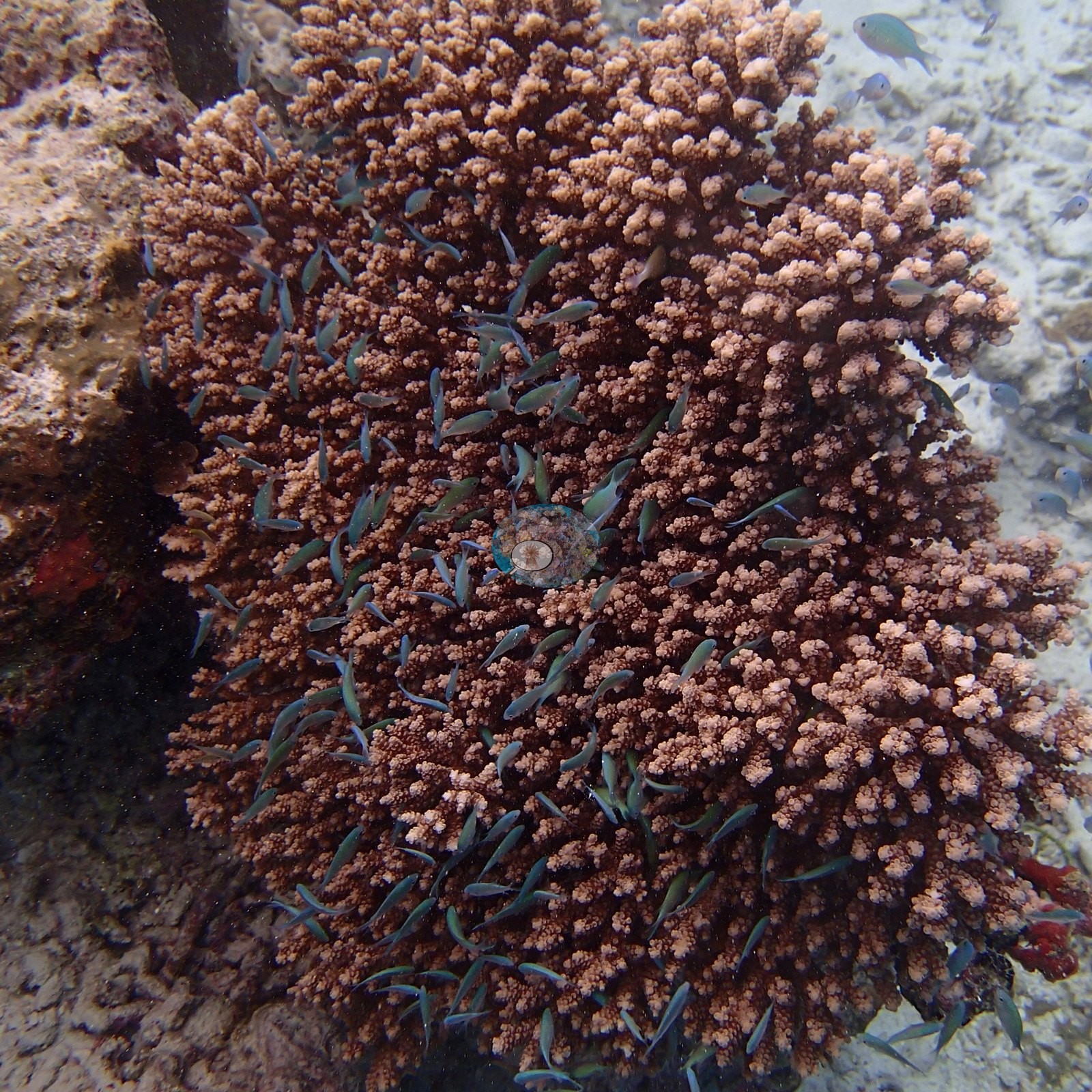
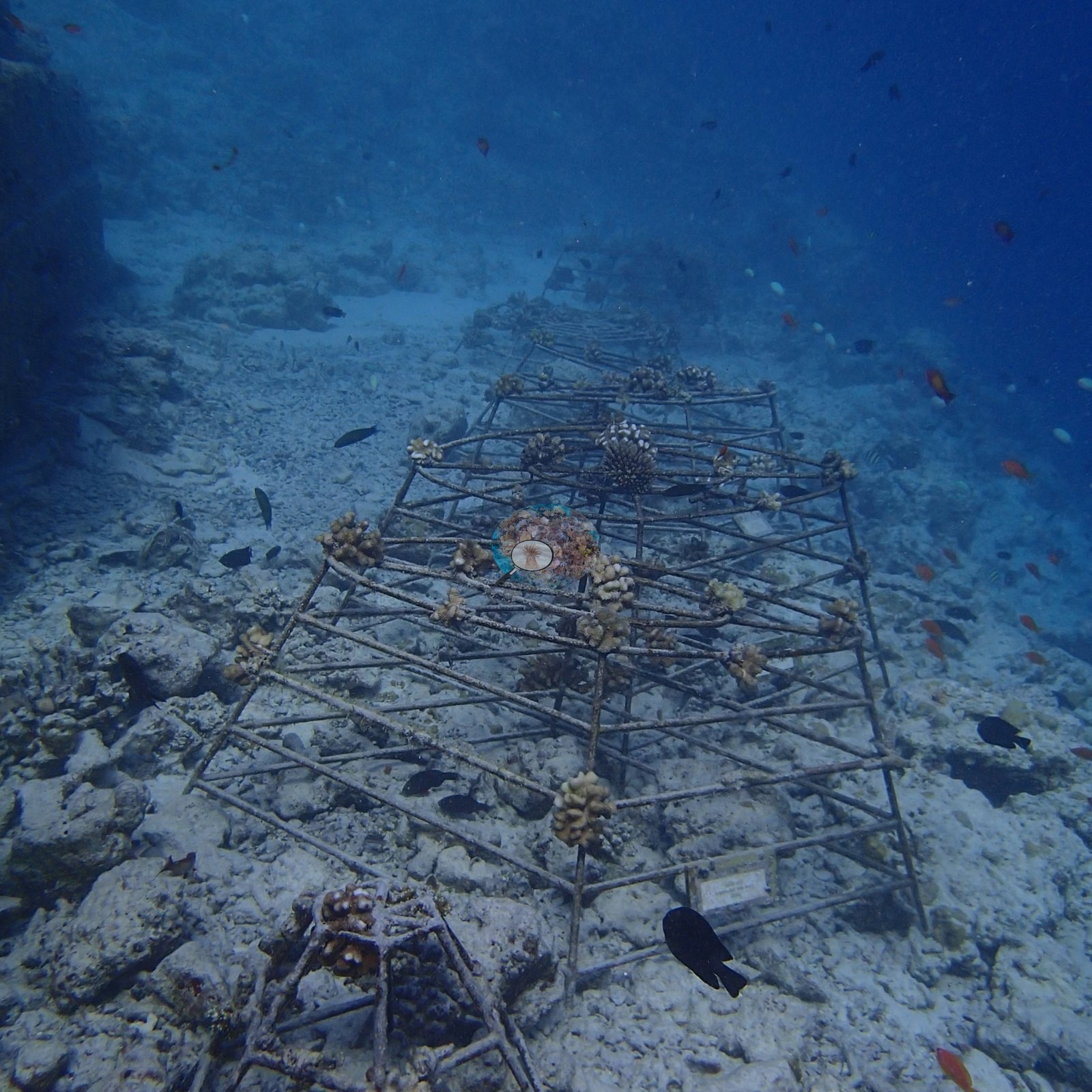
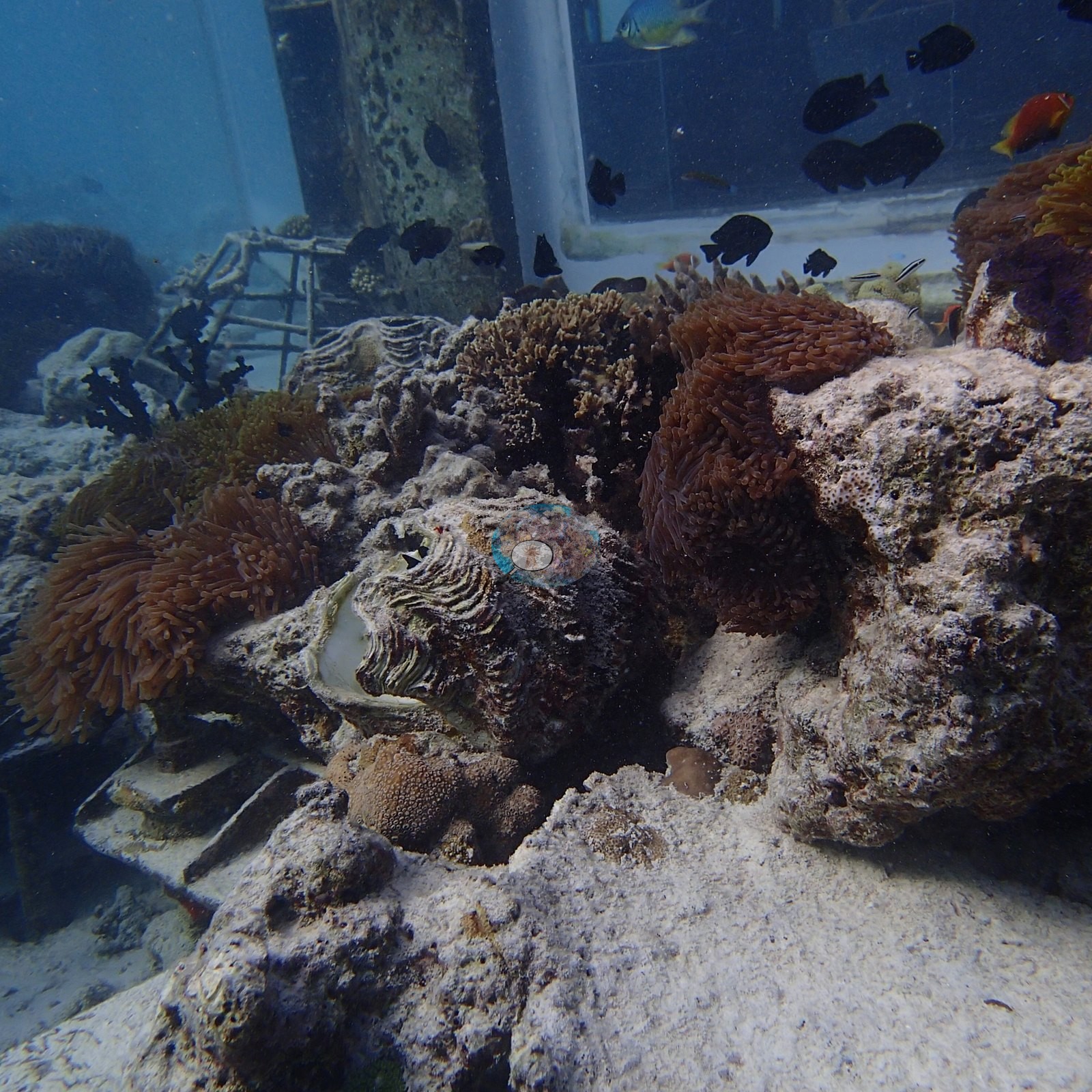
Kihavah was the Baa Atoll base for the January 2016 expedition, and even its dinner table came with a reef attached: the resort's underwater restaurant sits nose-deep in the house reef, its windows framing coral bommies upholstered in waving sea-anemone carpets, patrolled by sergeant majors and drifting clouds of orange anthias — with the coral nursery's dome frames visible out on the sand (e.g., Image 12, Image 13, Image 14, Image 15, Image 16, Image 17).
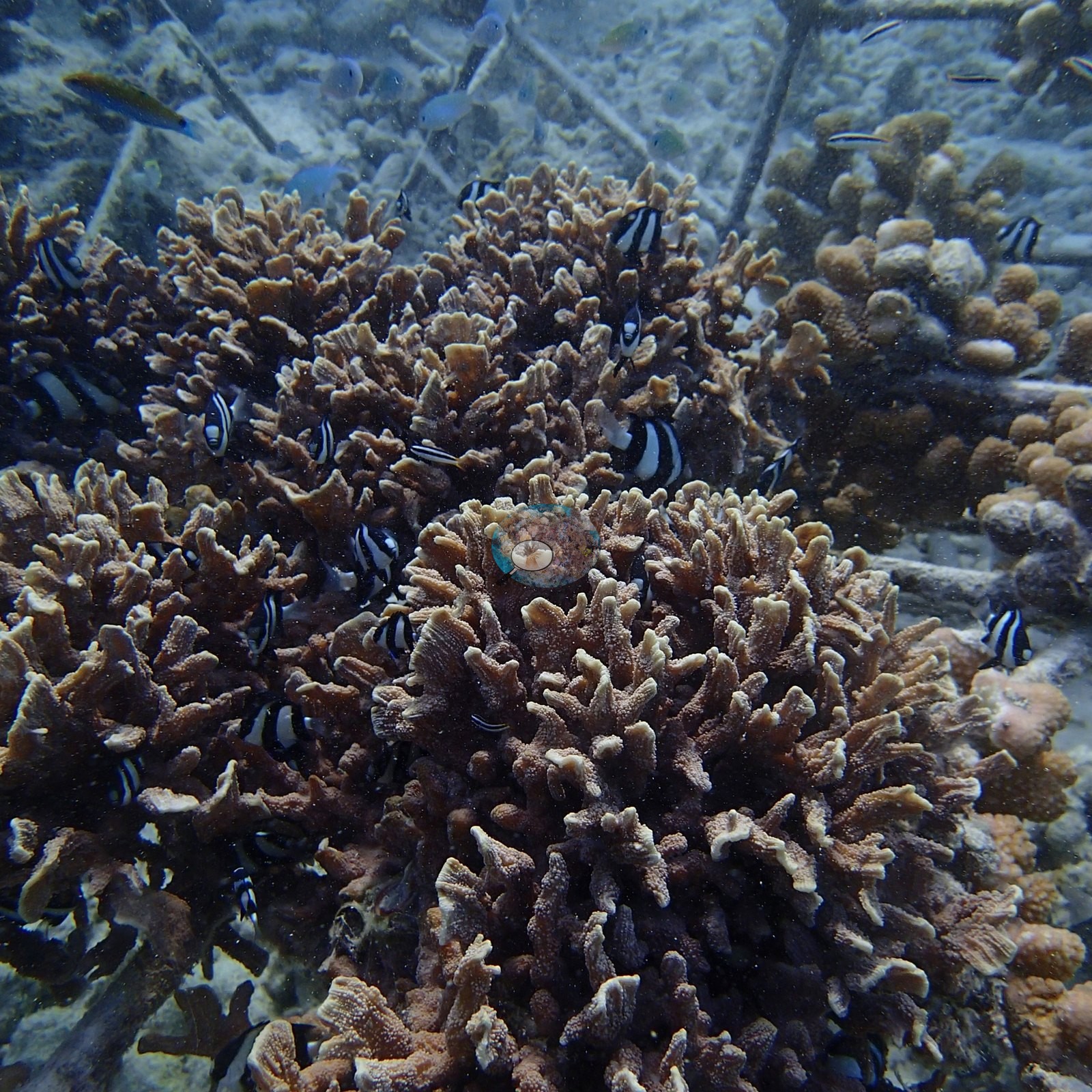
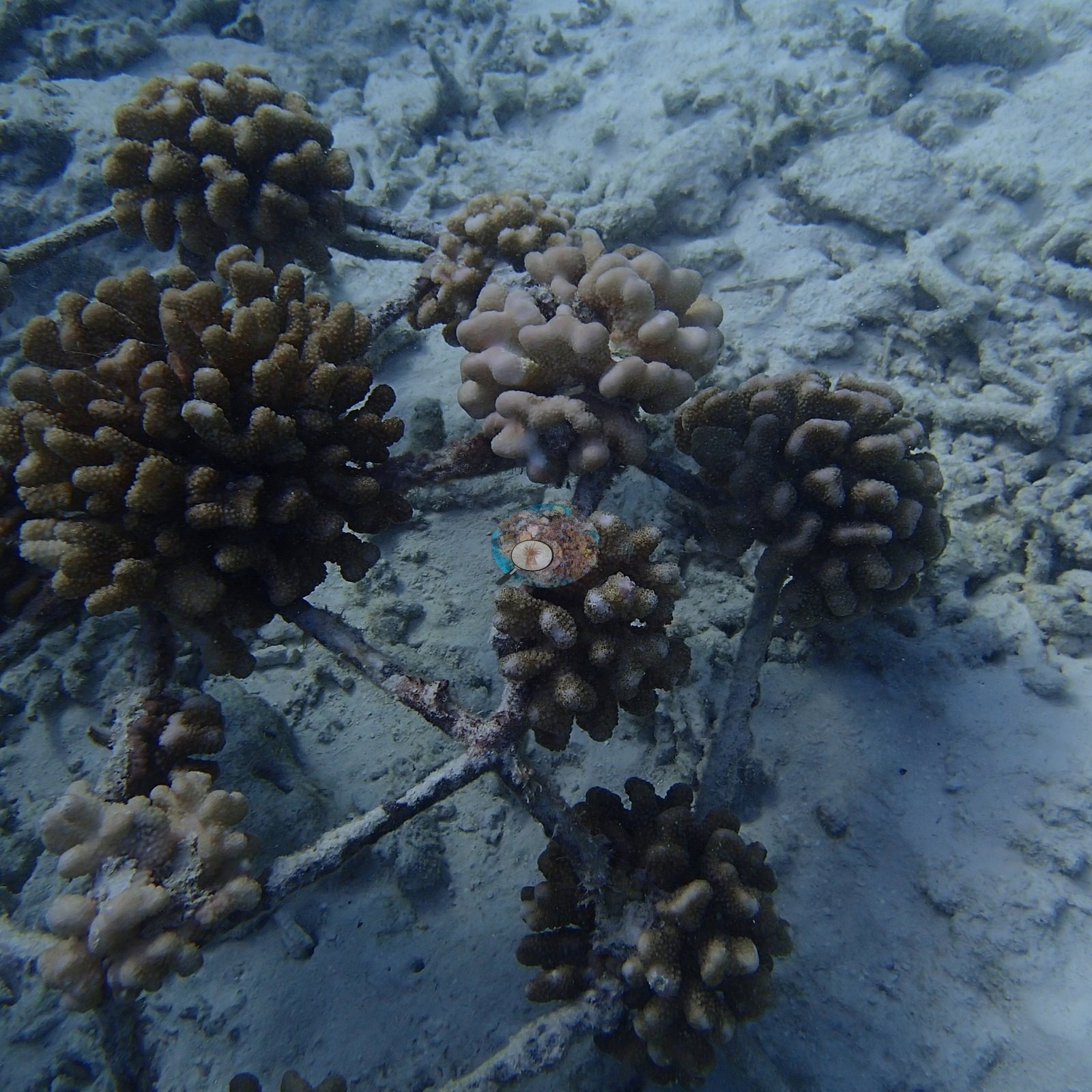
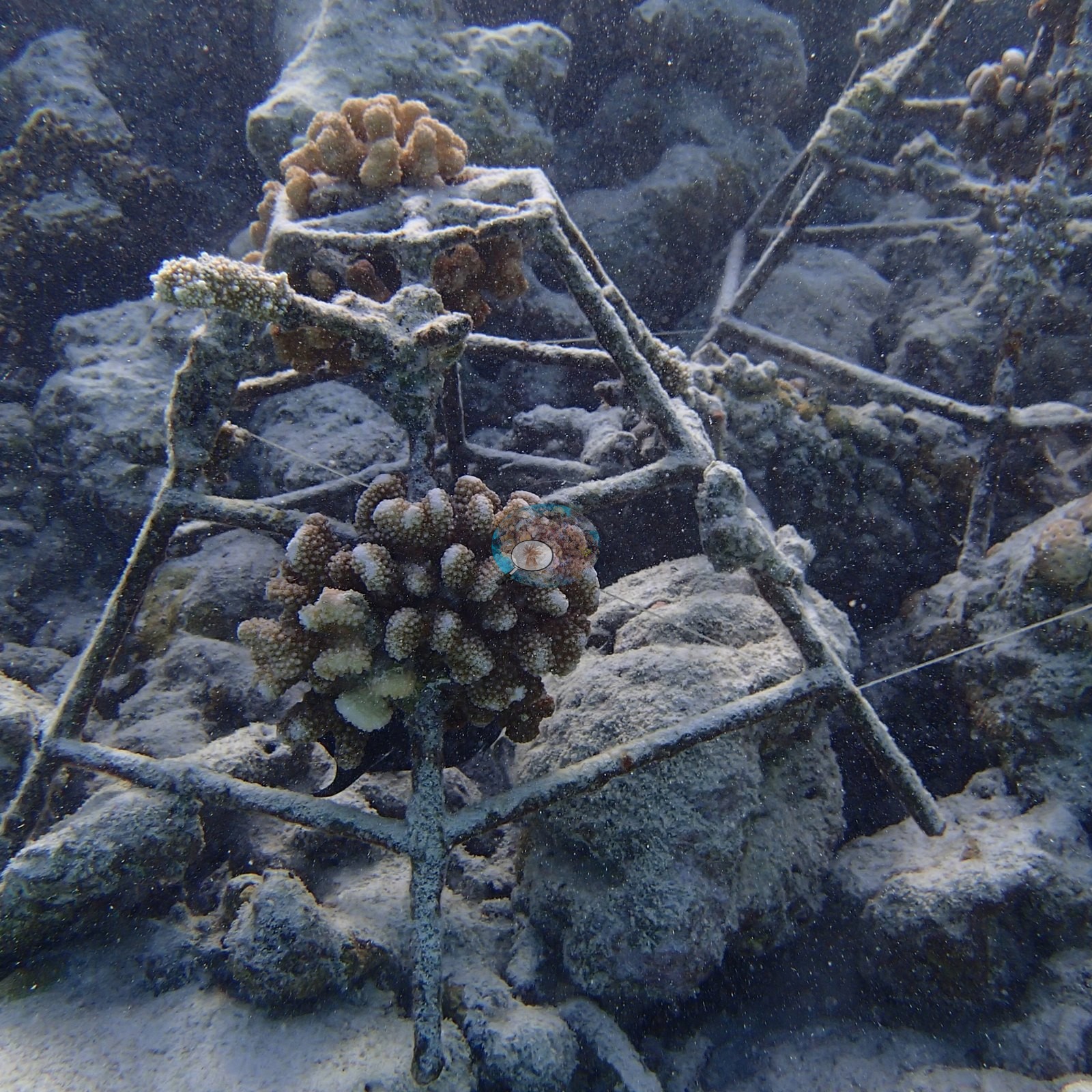
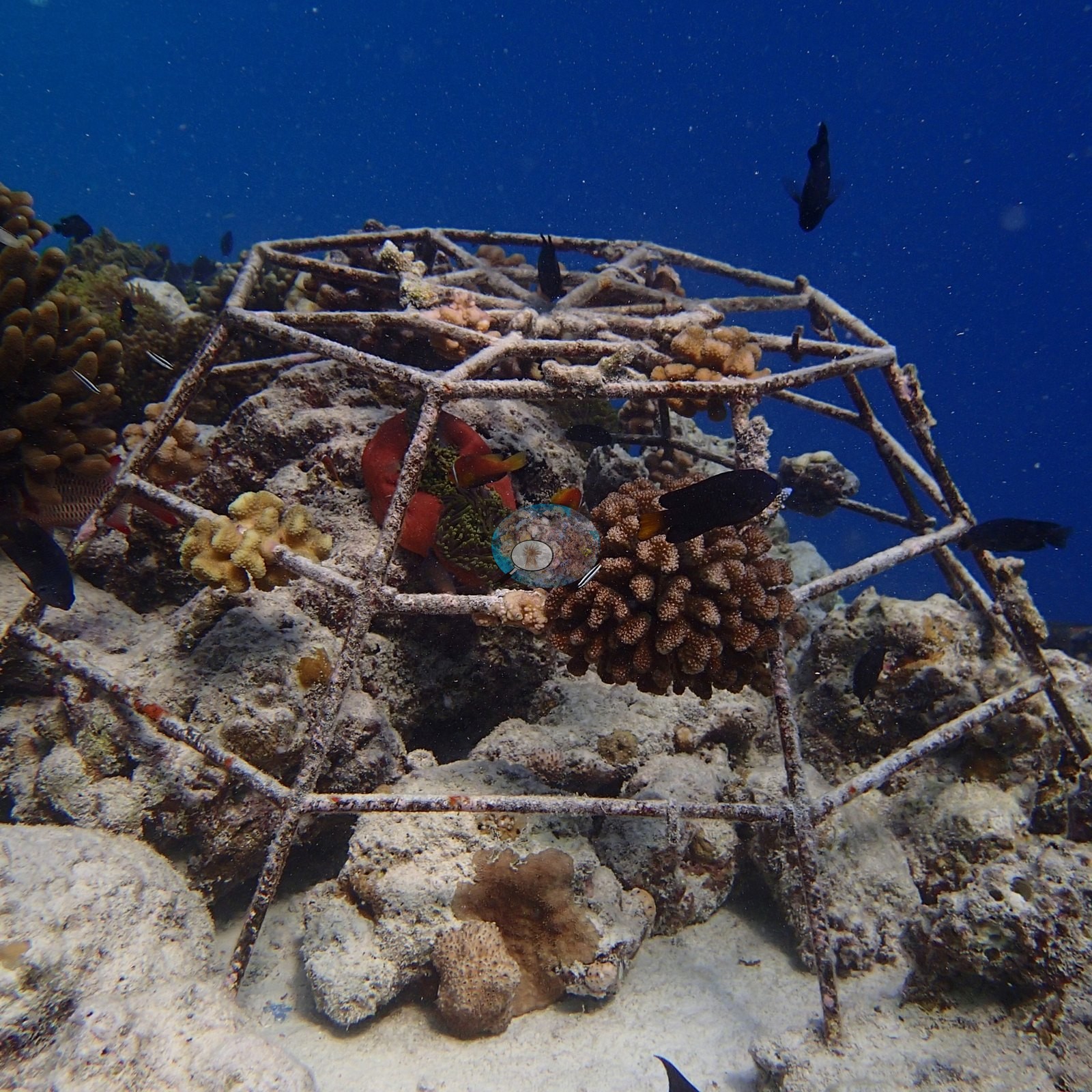
After dark, the jetty lights turn the shallows amber and stingrays come sailing through the glow like slow kites. The seaplane ride in is its own natural-history lesson, the aerial sequence tracing Baa's ring reefs and faros in turquoise relief.
General benthic features
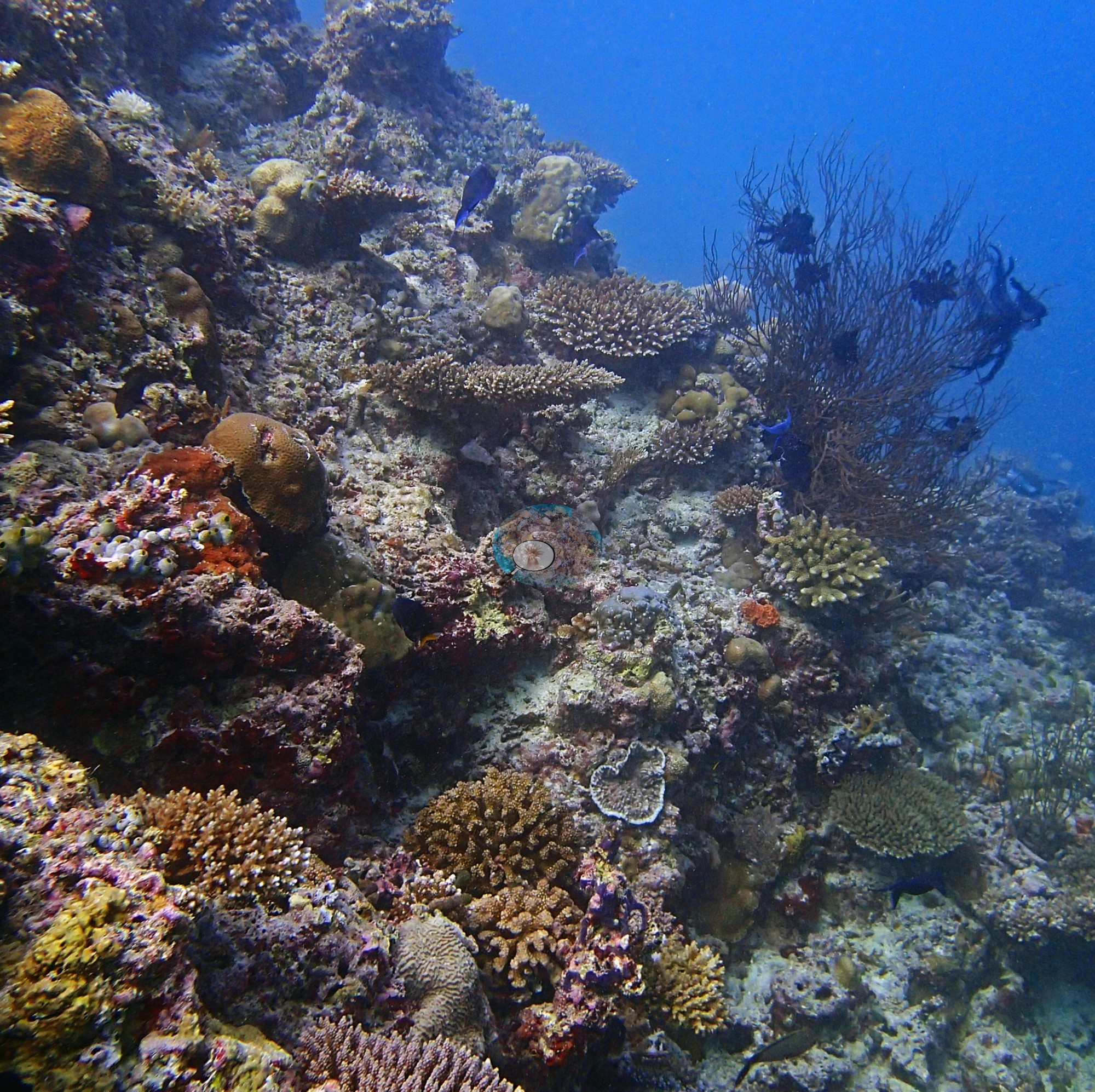
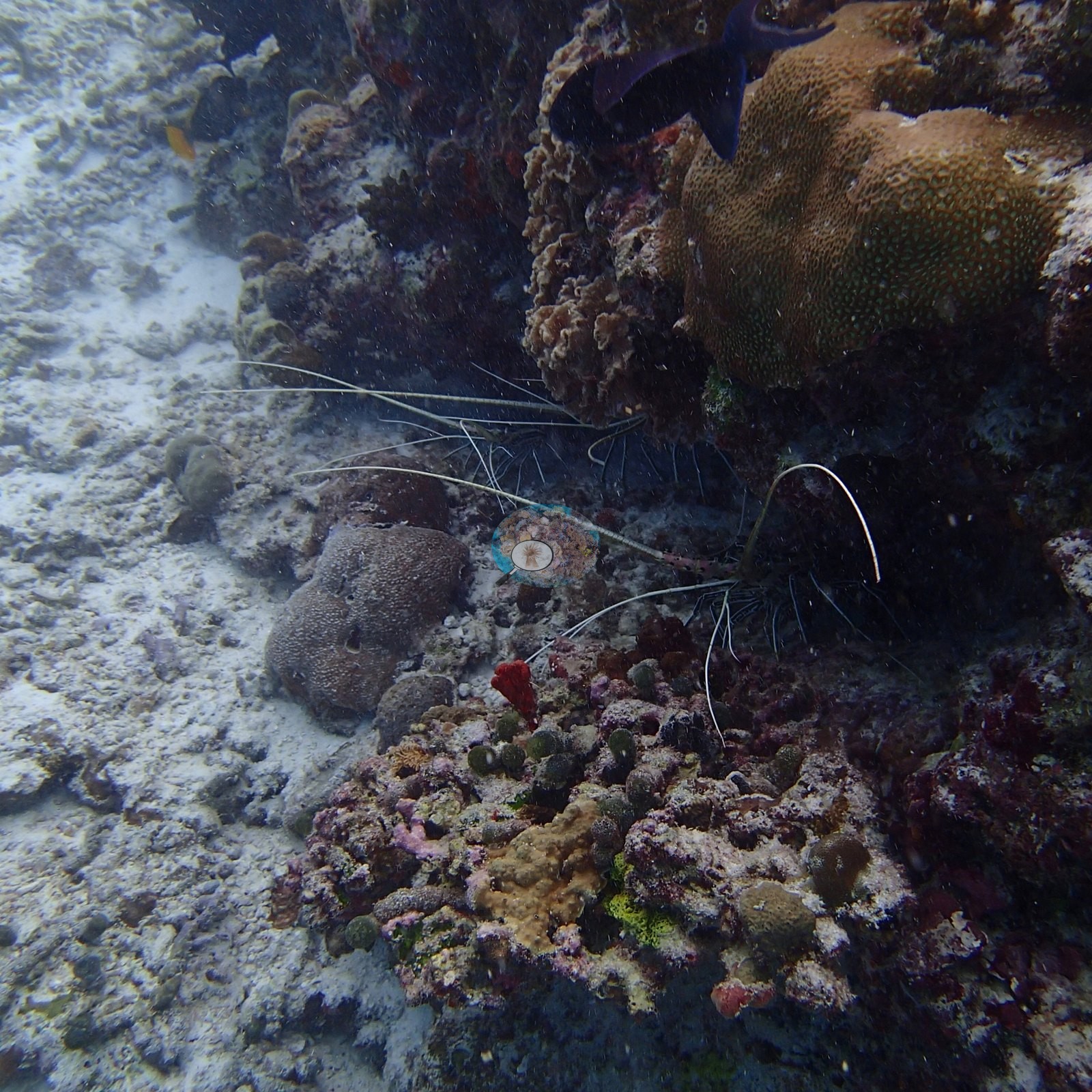
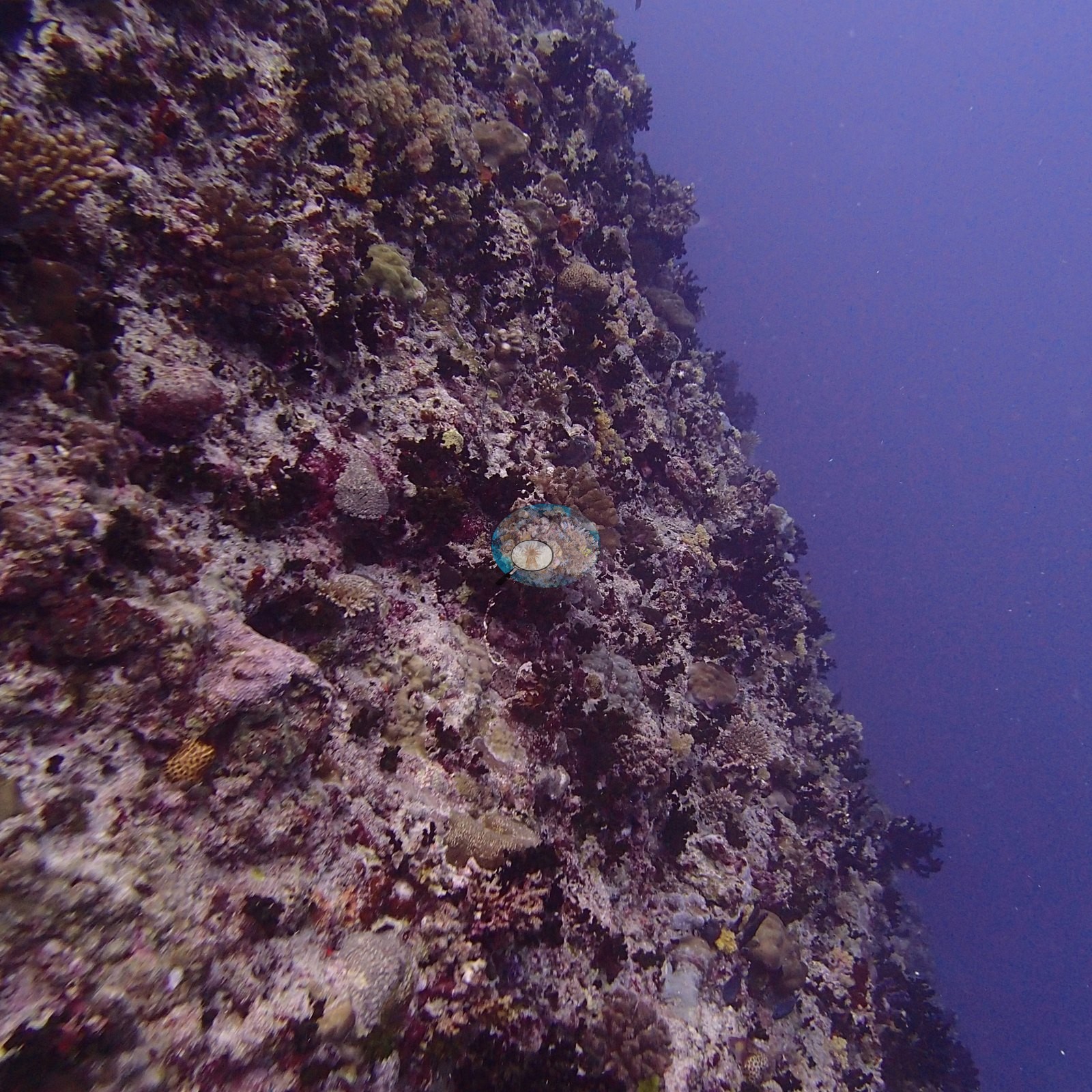
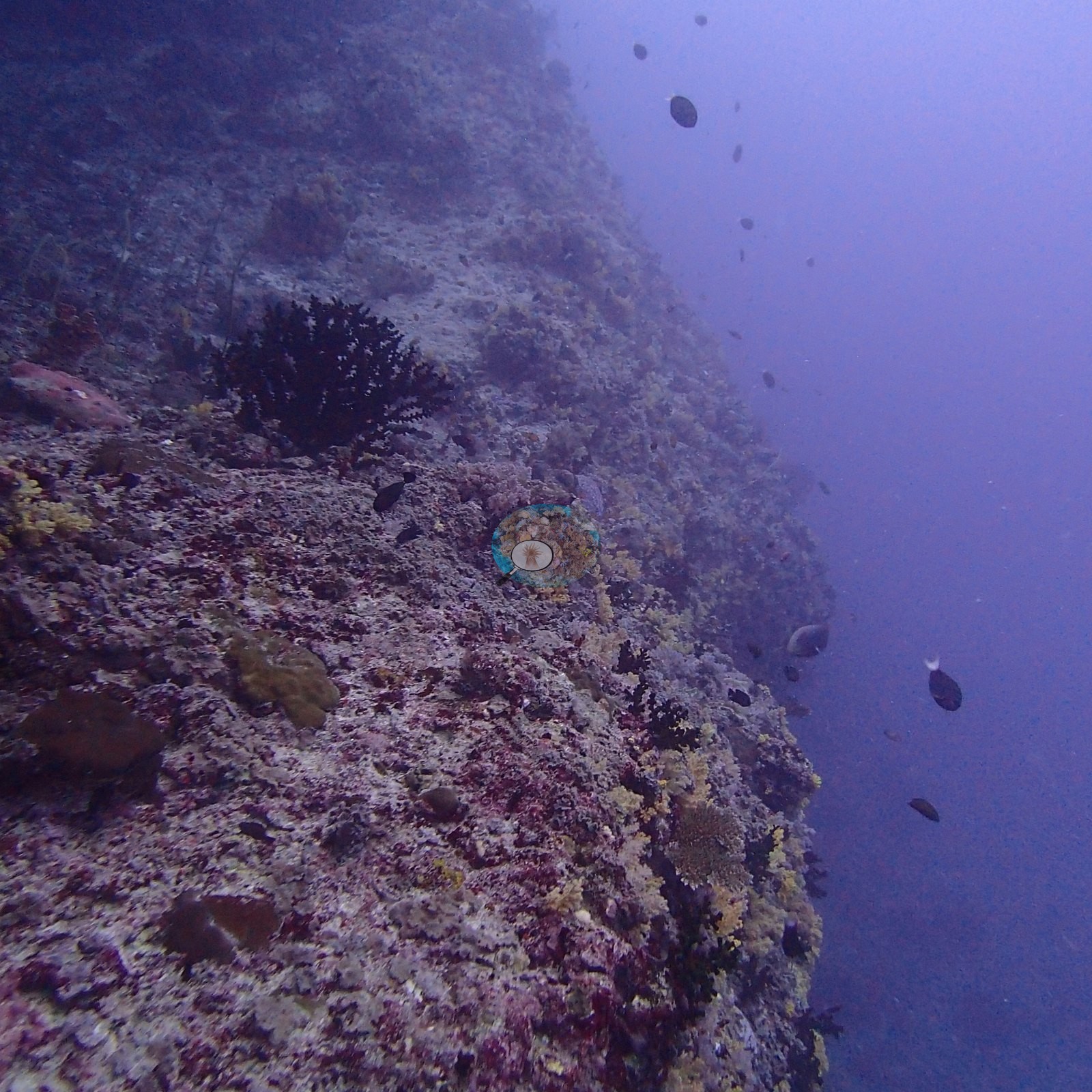
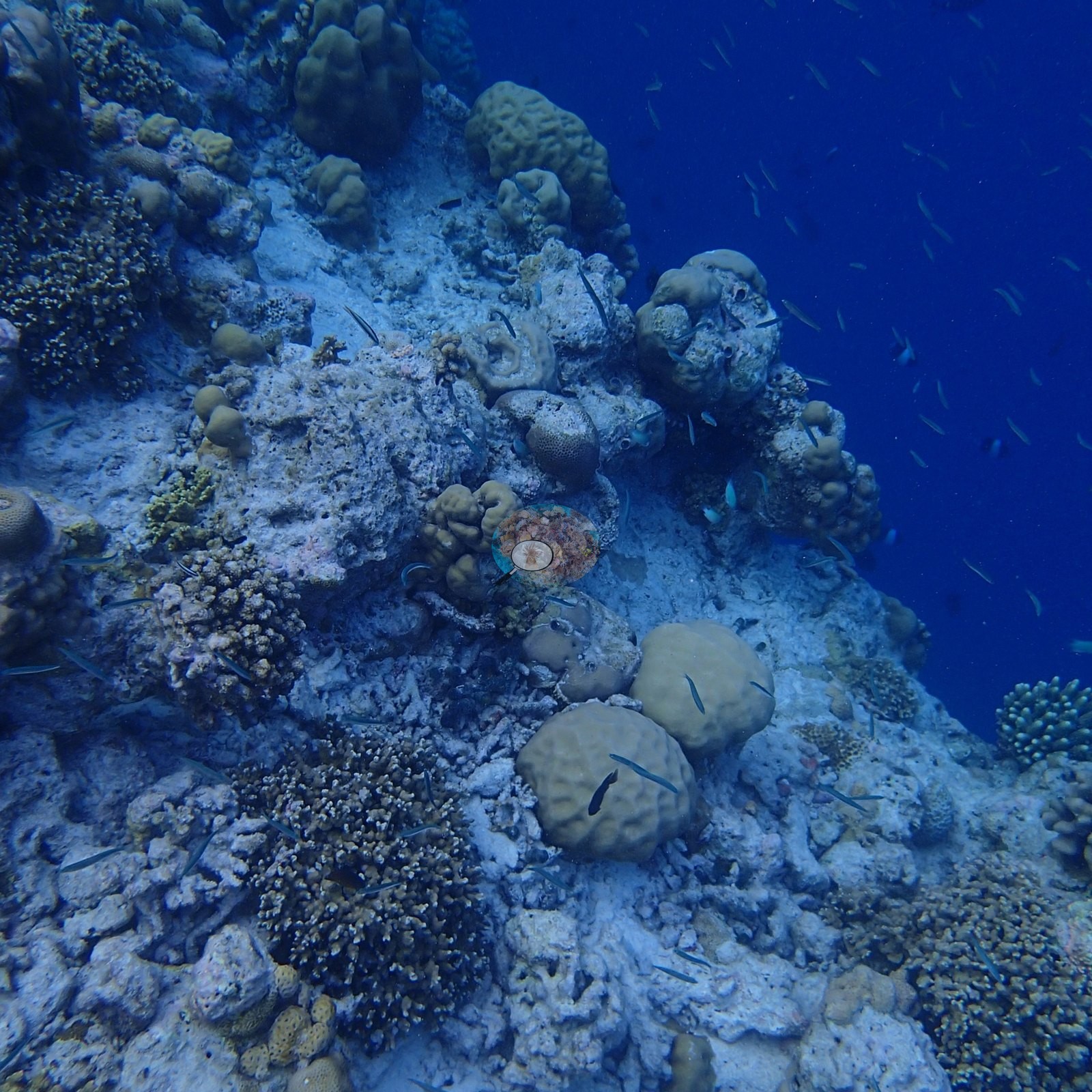
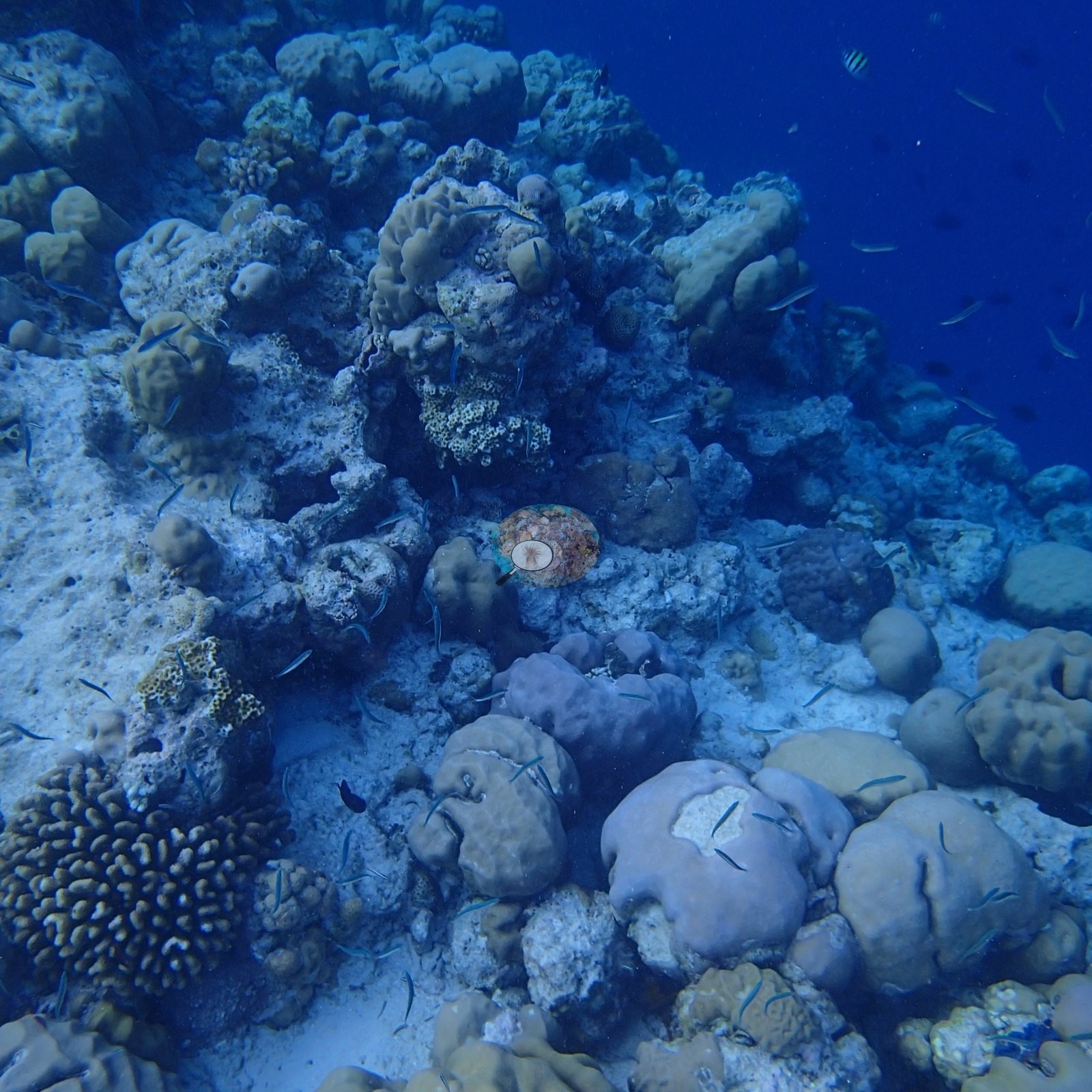
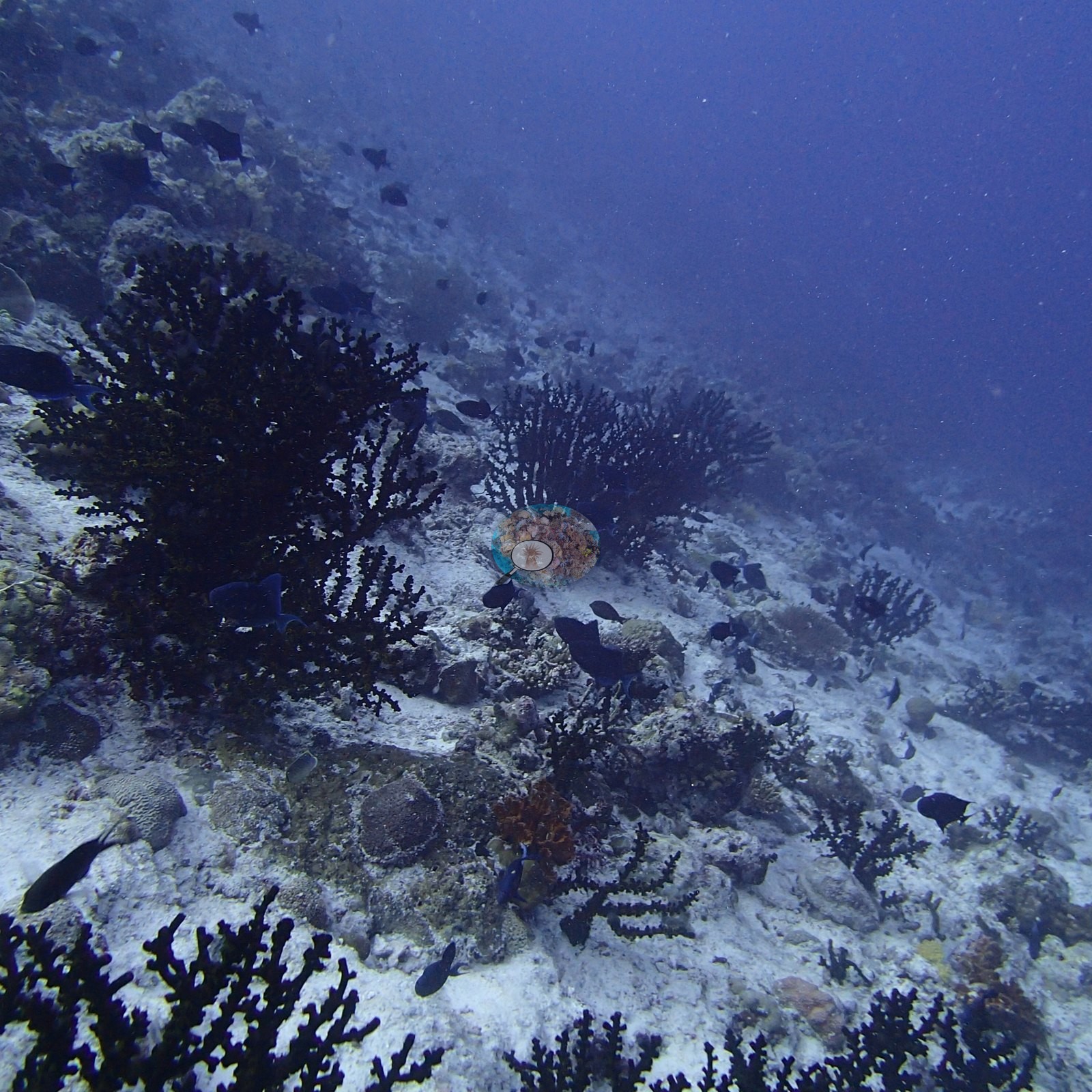
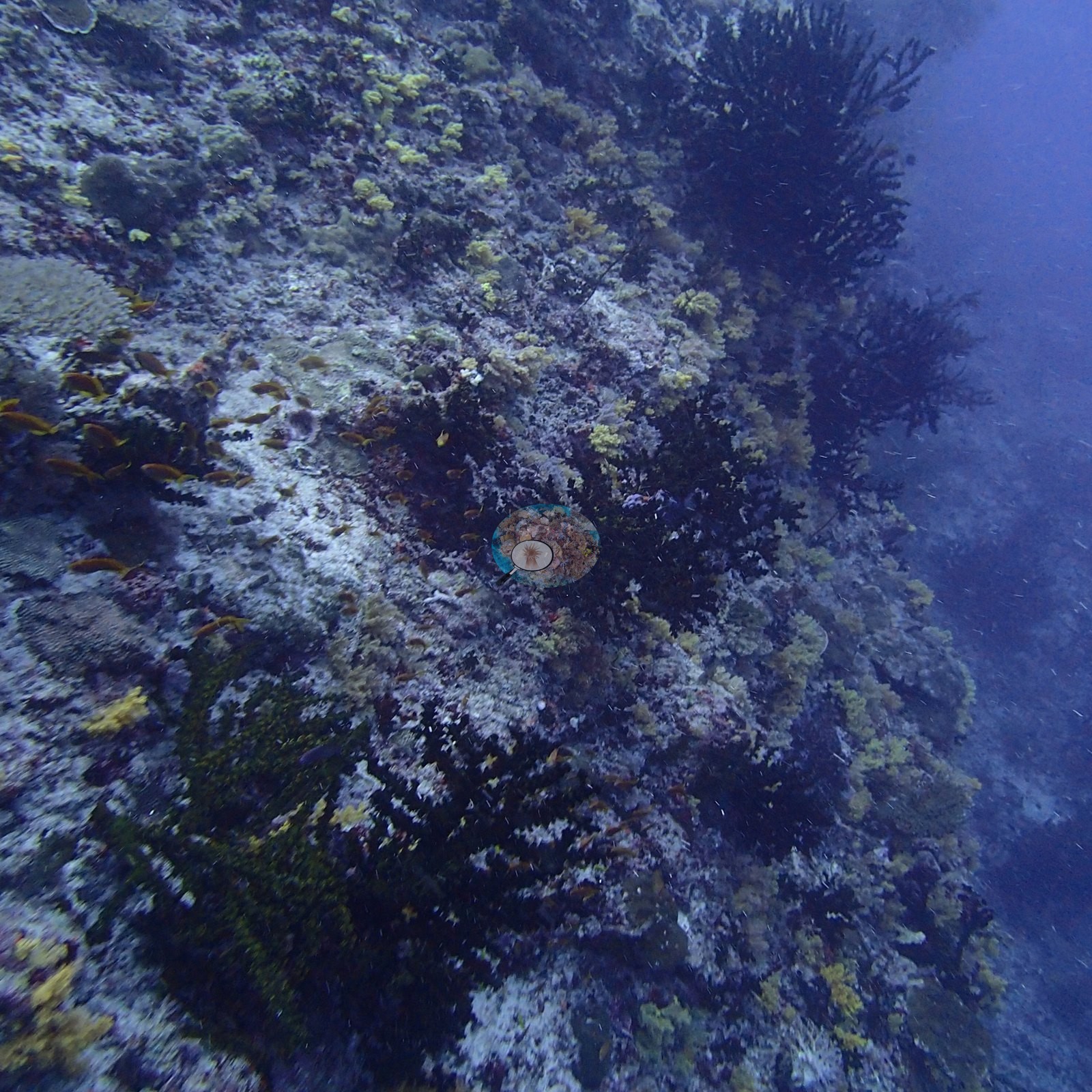
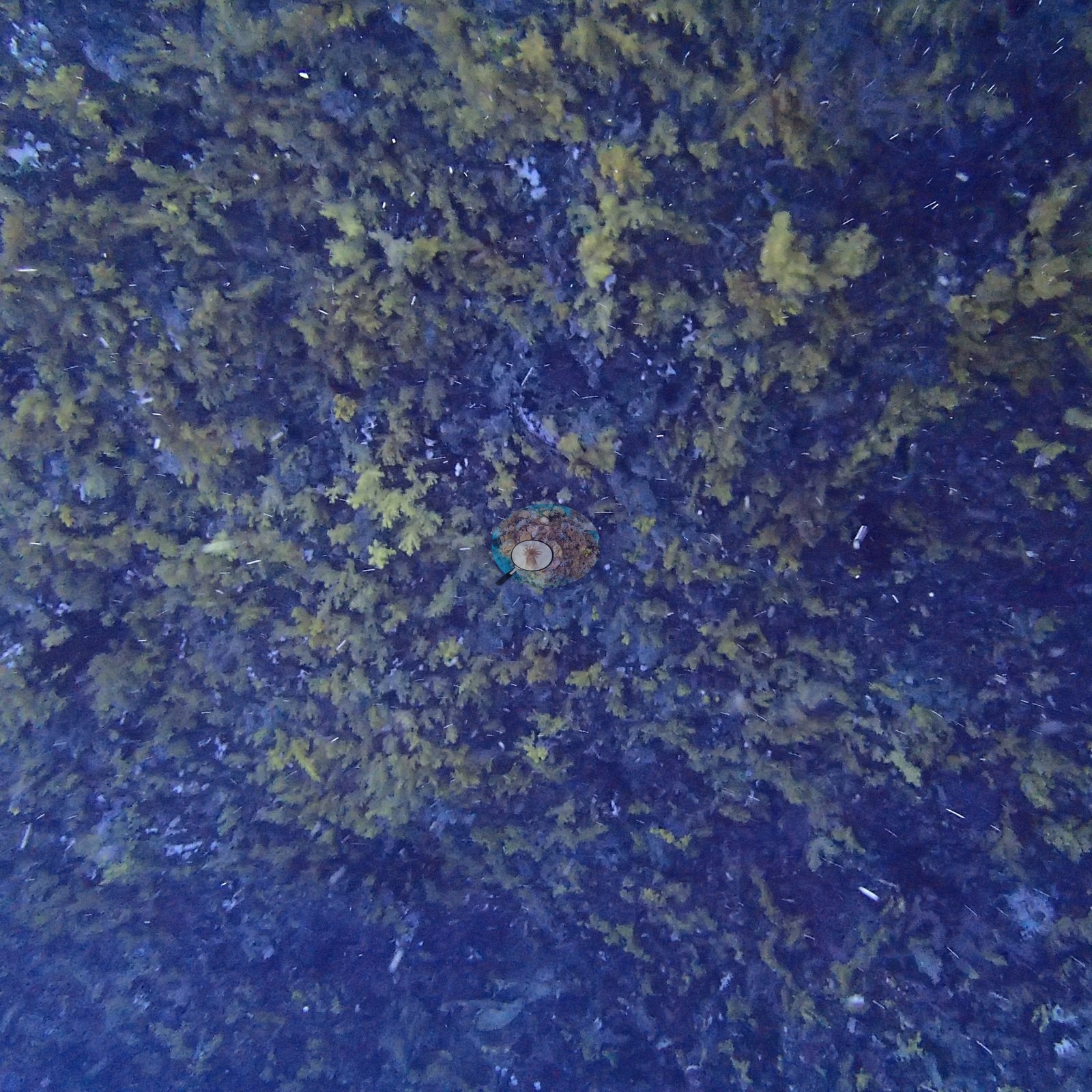
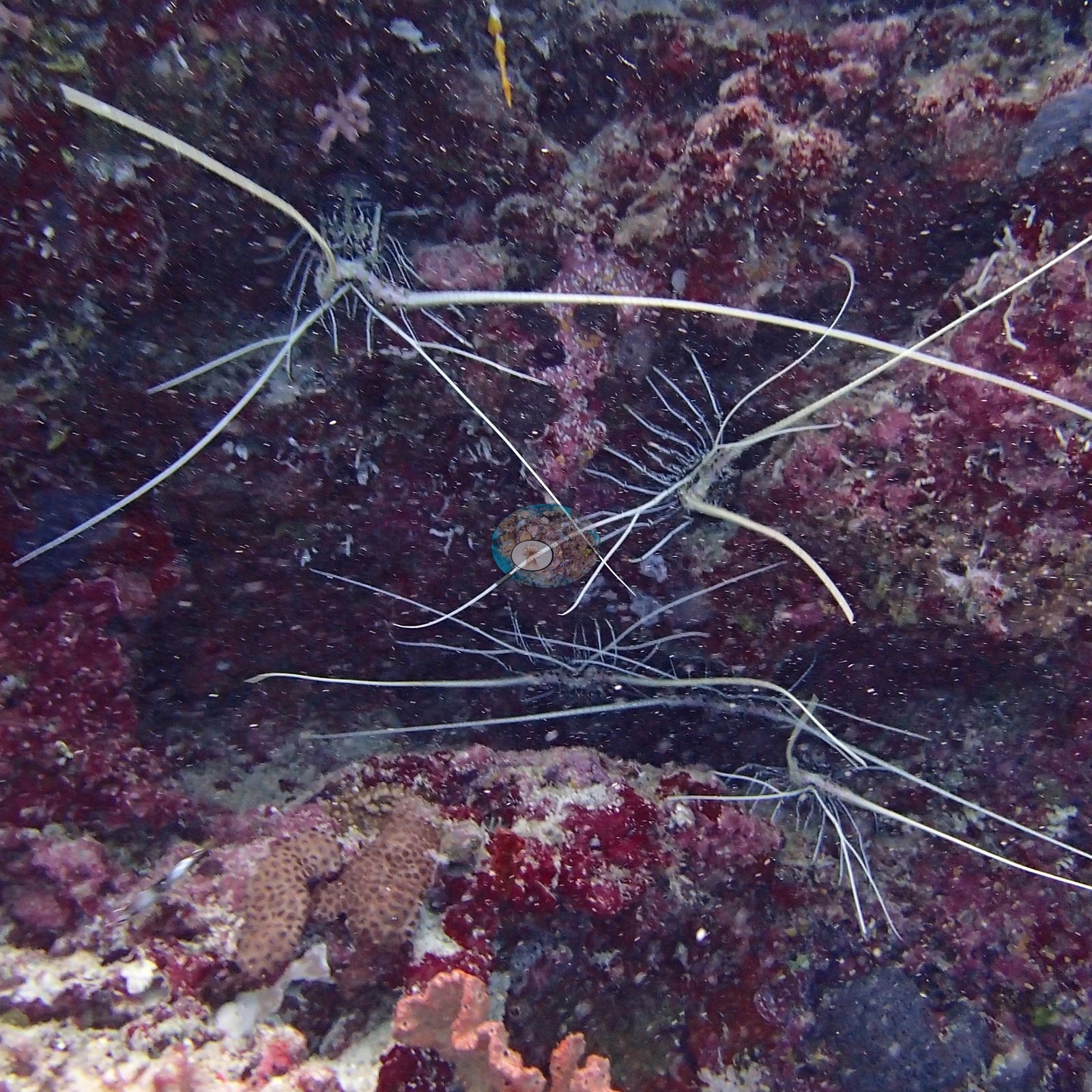
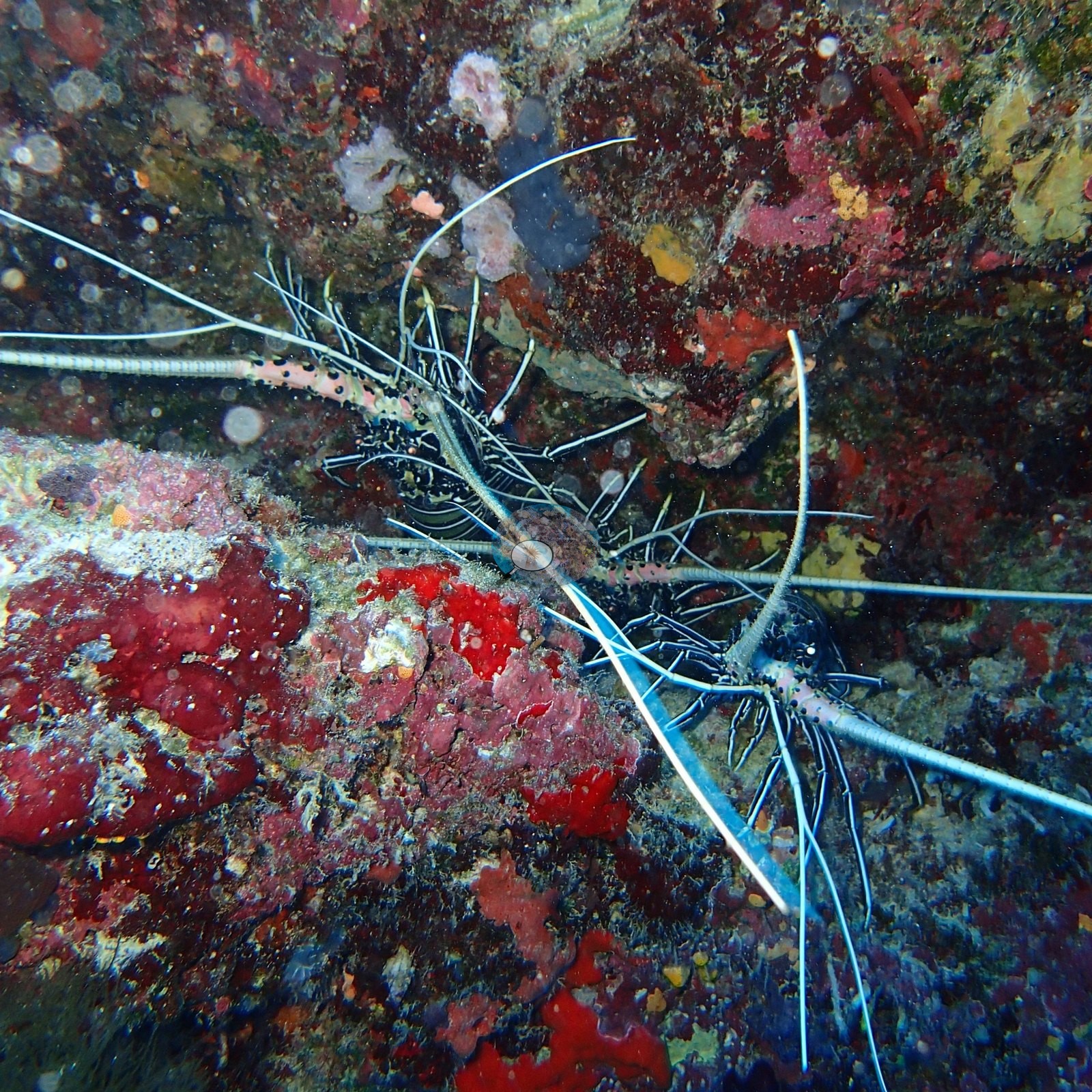
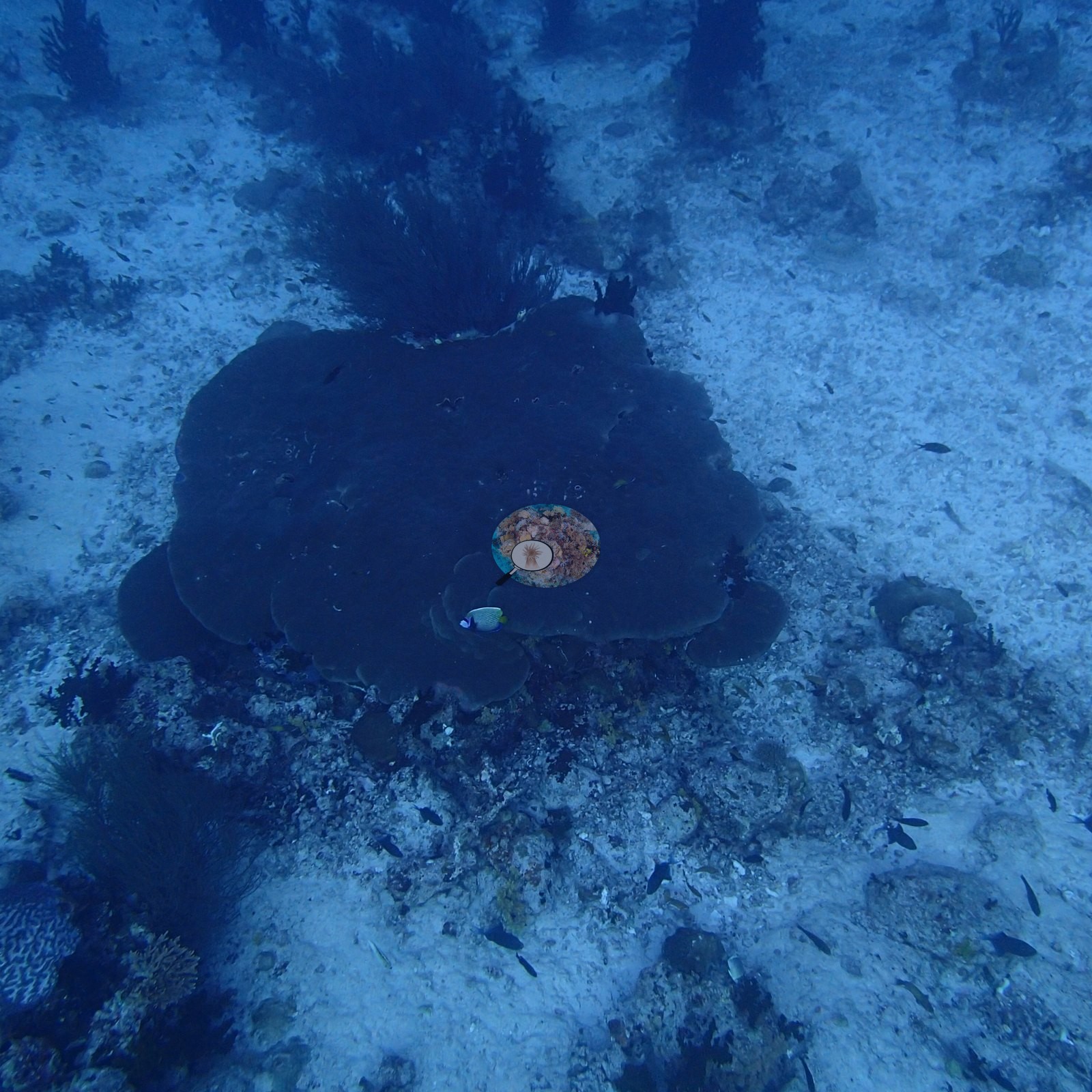
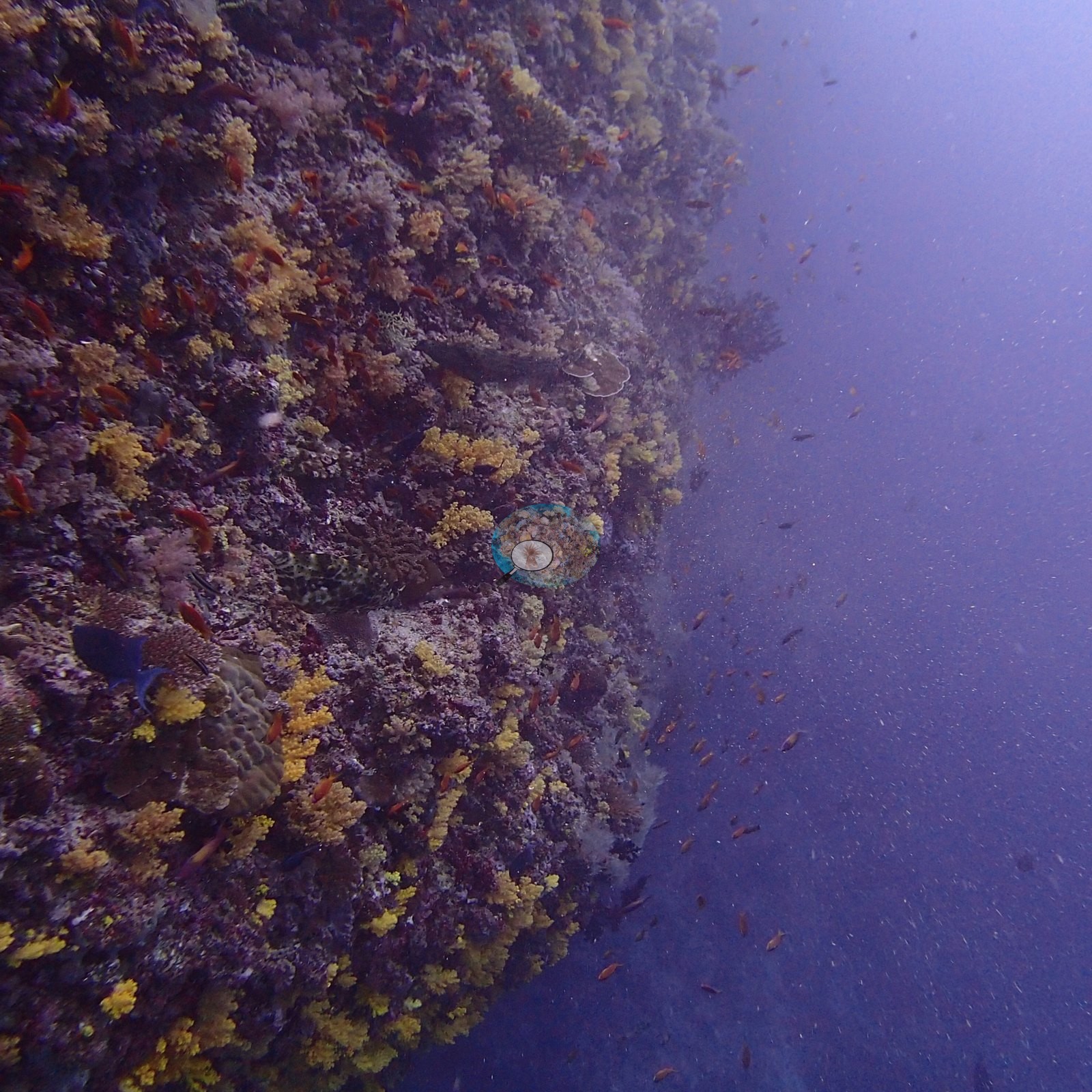
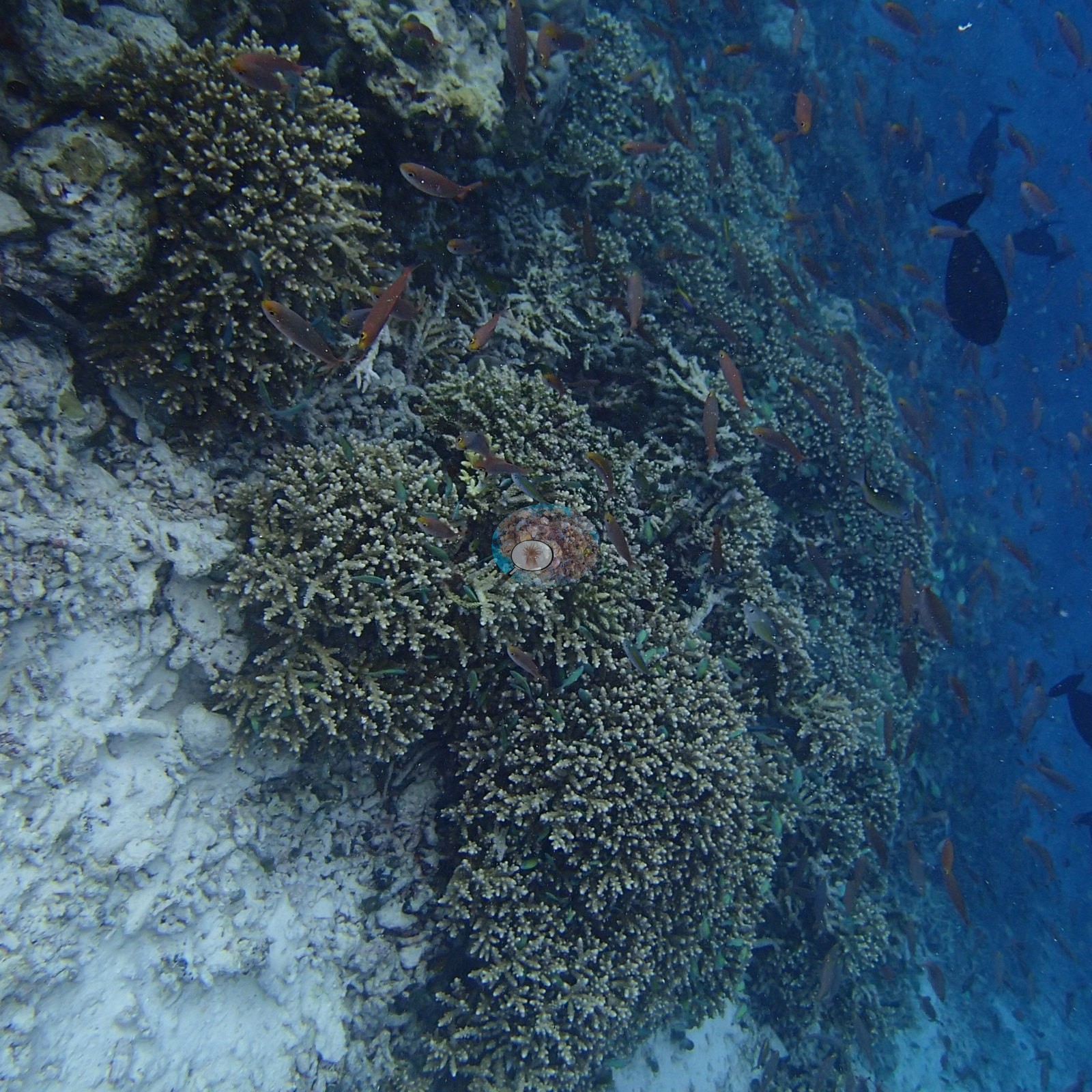
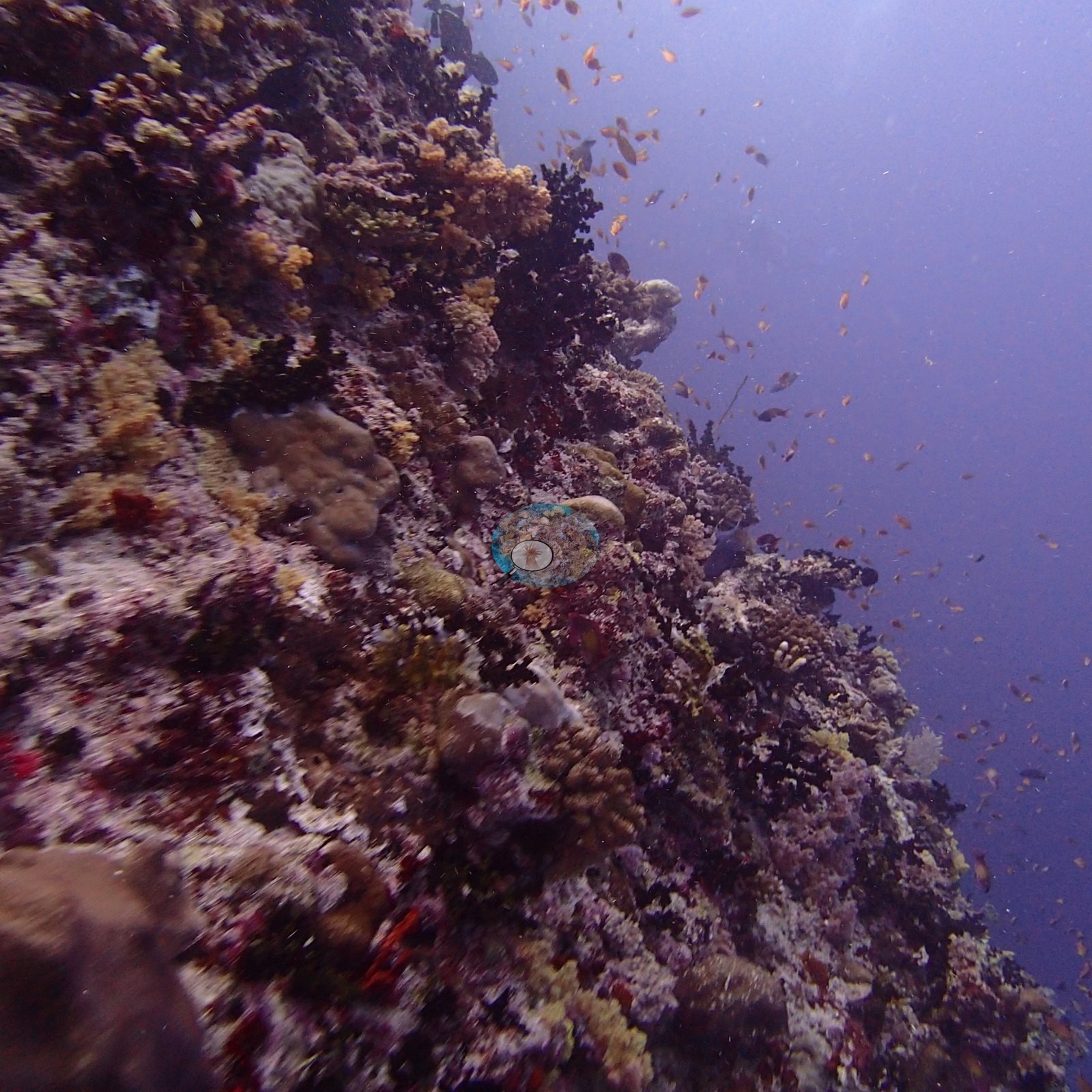
A drift along the house reef's sheer outer wall told a different story: whole faces tiled in brilliant yellow soft corals, the classic livery of a current-swept Maldivian drop-off, set off by red sponge and pink coralline crusts, with dark bushy colonies rooted in the sand at its foot like black corals (e.g., Image 1, Image 2, Image 3, Image 5, Image 6, Image 19, Image 22).
Coral cover
Coral cover: 17% — photo-derived, and the two methods broadly agree (15% vs 19%). This site's figure is the mean of two independent computer vision passes over Anderson's own frames: a DINOv3 calibrated point classifier reads 14.7% and a CoralSCOP computer vision reads 19.3%, a spread of 4.6 percentage points. The map publishes the mean so sites can be sorted against one another, but the honest statement of what is known here is the 15–19% range: the two products have different denominators and should not be treated as one measurement.
Stressors
Weeks after the visit, the 2016 El Niño arrived; Baa's surveyed reefs were 81–97% bleached by April, making these frames a quiet time capsule.
Fish and other fauna
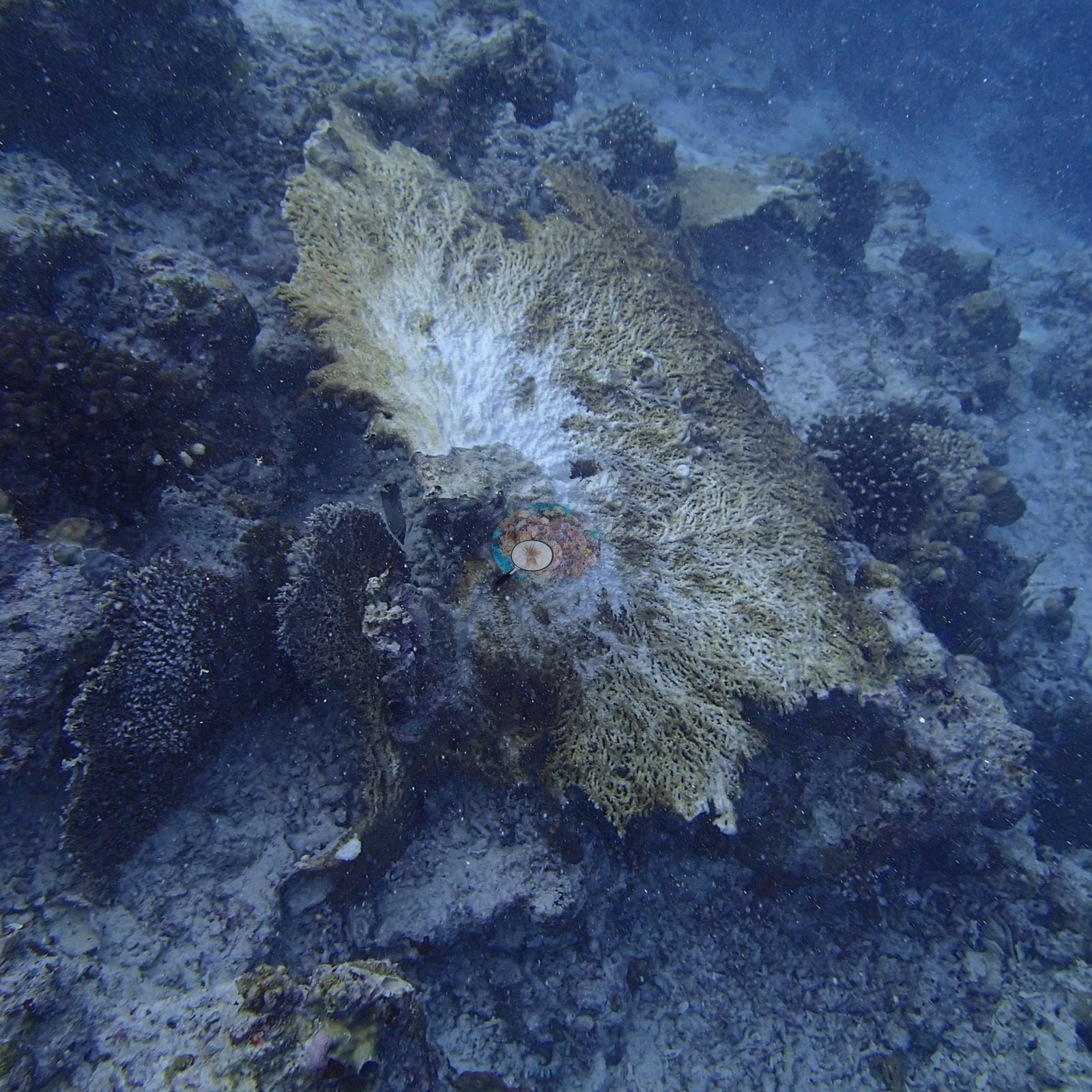
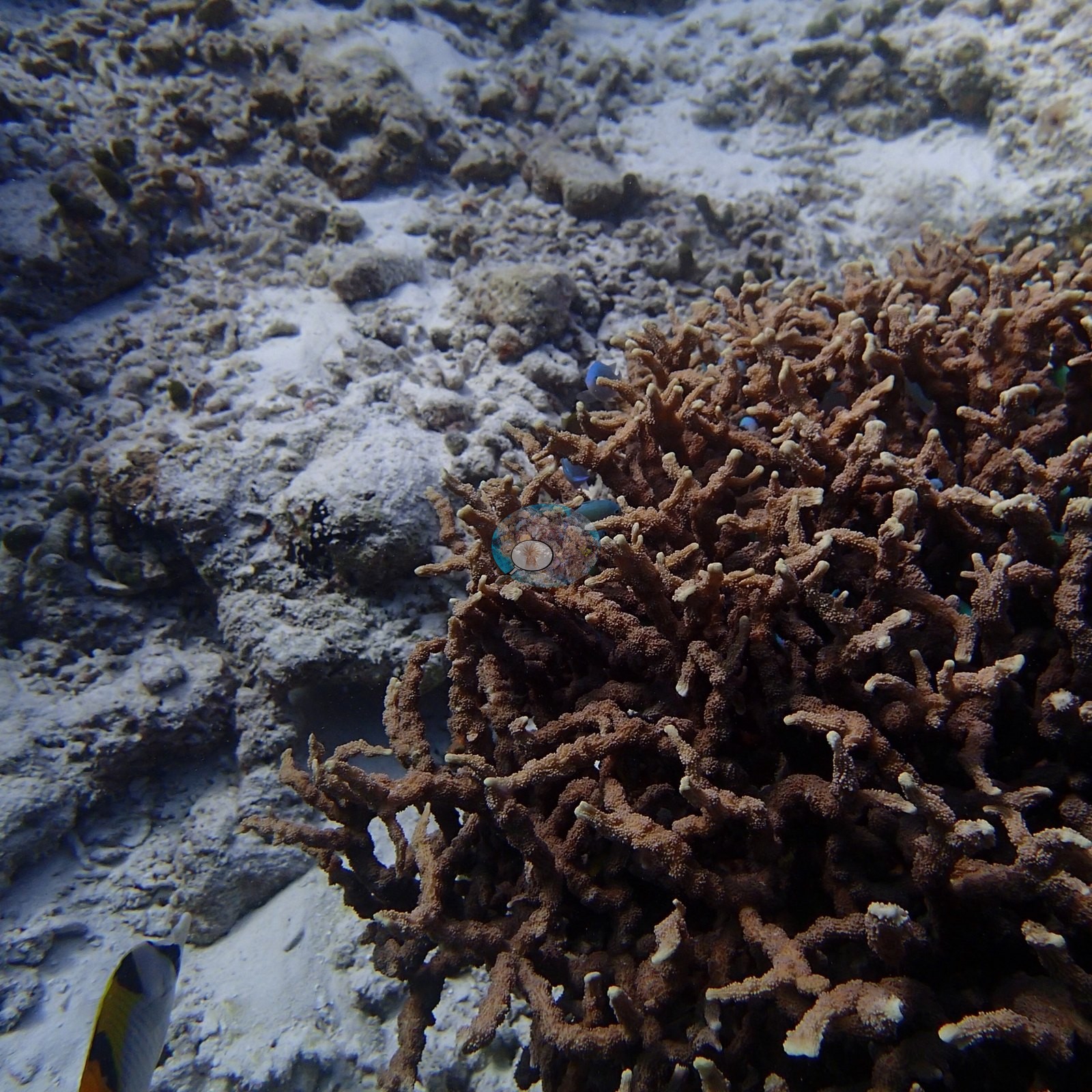
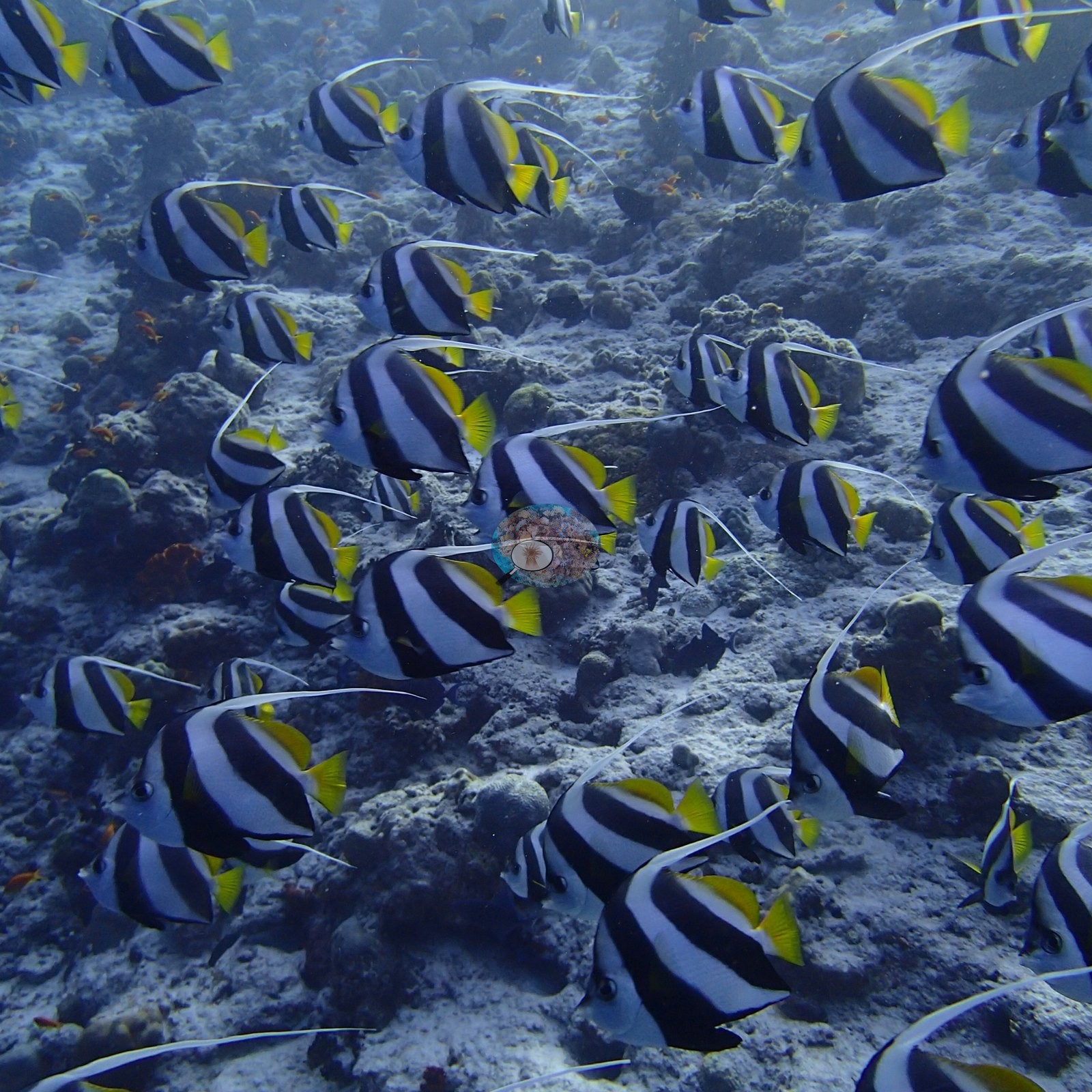
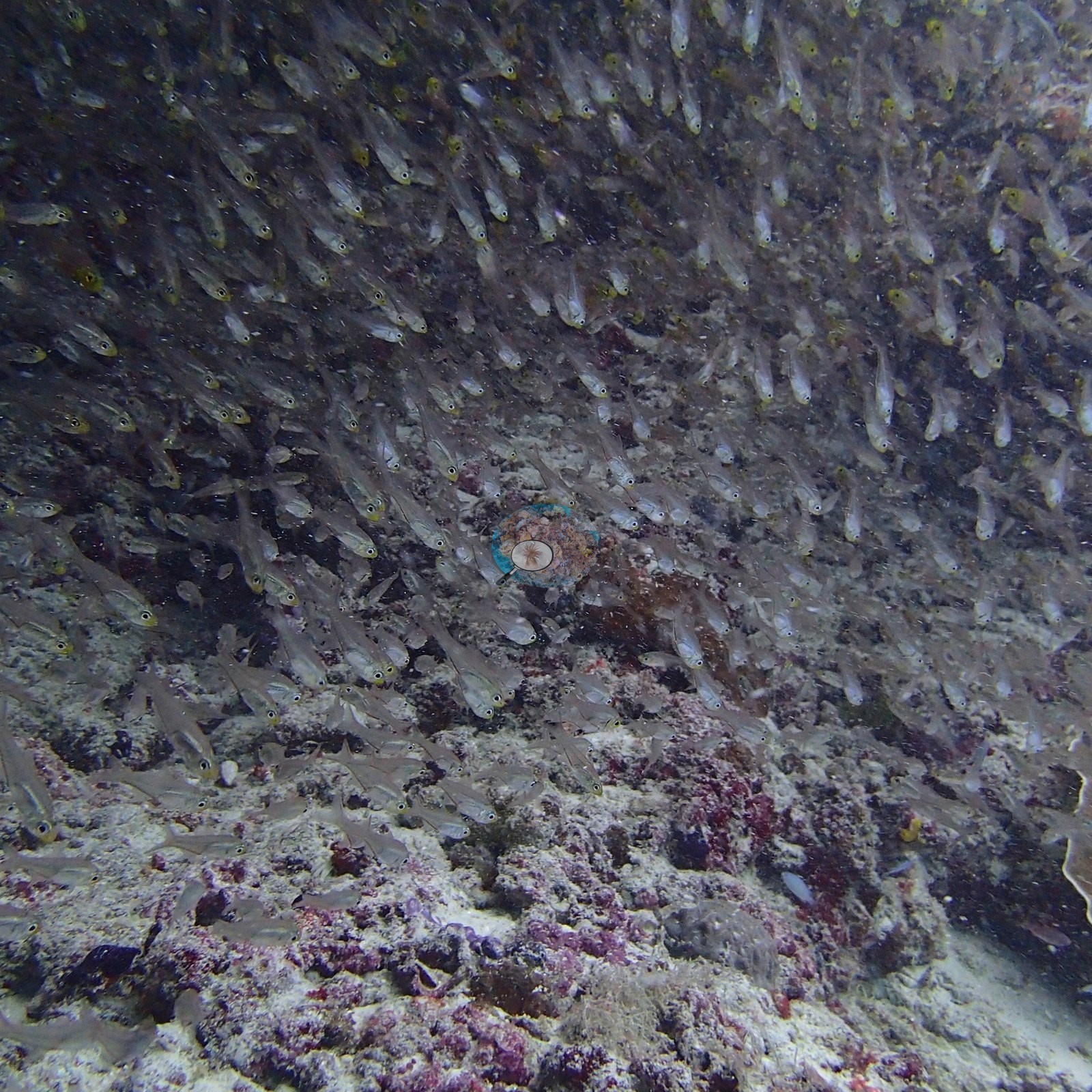
Glassy sweepers seethed beneath a ledge, fusiliers and damselfish streamed along the rim, trevallies patrolled the pink light near the surface, and a crown-of-thorns starfish sat out on the rubble below a couple of table corals bearing its stark white feeding scars (e.g., Image 4, Image 9, Image 21).
Comparisons with other data
No prior survey data from this site. If you would like to share yours, please email us.
Other notes
Two Baa Atoll sites are shown on this one marker; each account is on its own marker below. House-reef research notes from this stay even earned a corner on the resort's conservation board.
CV model comparison
More info
As of September 2026 no computer-vision method estimates coral cover accurately on new images, so treat this as indicative rather than a measurement; it is revised as the methods improve.More info
The published figure is the mean of the two methods.| Method | Hard-coral cover (%) |
|---|---|
| In-house DINOv3 | 14.7 |
| CoralSCOP | 19.3 |
| Mean (± SD) | 17.0 ± 3.3 |
| Range | 14.7–19.3 |
Mean ± SD and range are across the computer-vision methods shown.
Data & links
All images from Coral Reef Diagnostics. Data are from Coral Reef Diagnostics.
© Coral Reef Diagnostics.