
Indonesia - Komodo NP: Wainilu
Part of the regional summary: Indonesia - Komodo
2019-01-22
2019-01-25
2019-01-26
More info
East Nusa Tenggara (NOAA CRW virtual station)Wainilu is a night-dive and critter site in Komodo, visited four times in six days, where the sand turned up flying gurnards, iridescent and tiny crinoid-dwelling cuttlefish, ornate ghost pipefish, bobtail squid, a possibly new octopus, and crabs living on fire urchins. Coral is a backdrop here rather than the draw, though the night dives logged beautiful soft corals.
Wainilu adalah lokasi penyelaman malam dan pencarian biota kecil di Komodo, dikunjungi empat kali dalam enam hari, tempat hamparan pasirnya memunculkan ikan kepala batu terbang, sotong berkilau dan sotong mungil penghuni lili laut, ikan pipa hantu berhias, cumi bobtail, seekor gurita yang mungkin jenis baru, serta kepiting yang hidup pada bulu babi api. Karang di sini menjadi latar belakang, bukan daya tarik utama, meskipun penyelaman malam mencatat karang lunak yang indah.
Terjemahan ringkasan ini oleh AI; versi bahasa Inggris yang berlaku.
One independent survey station shown with the program’s logo — click one to see how far it is from this site.
3 of the 29 photographs on this page are shown beside the text that discusses them under "Site description" below.
Site description
Fish and other fauna
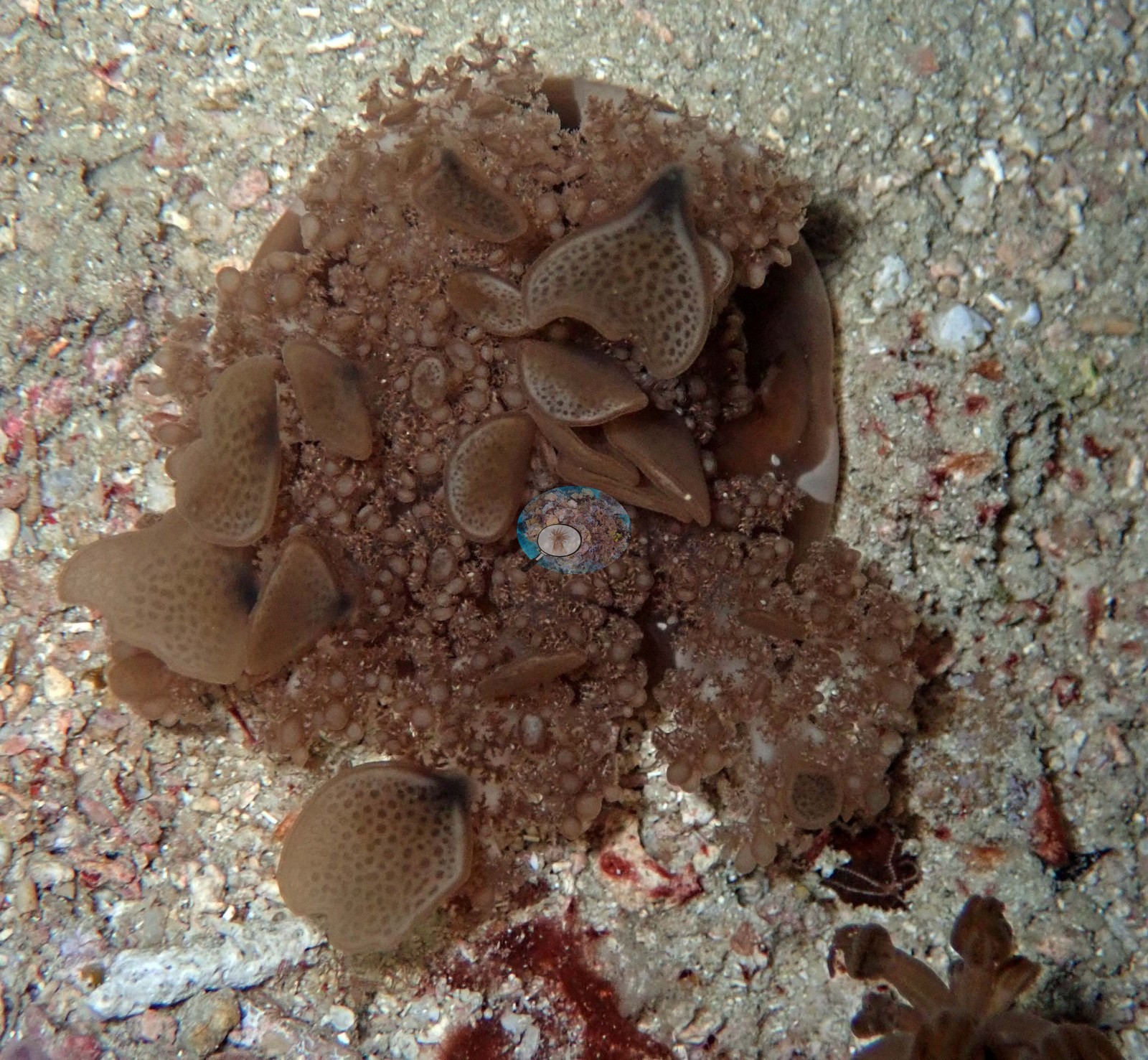
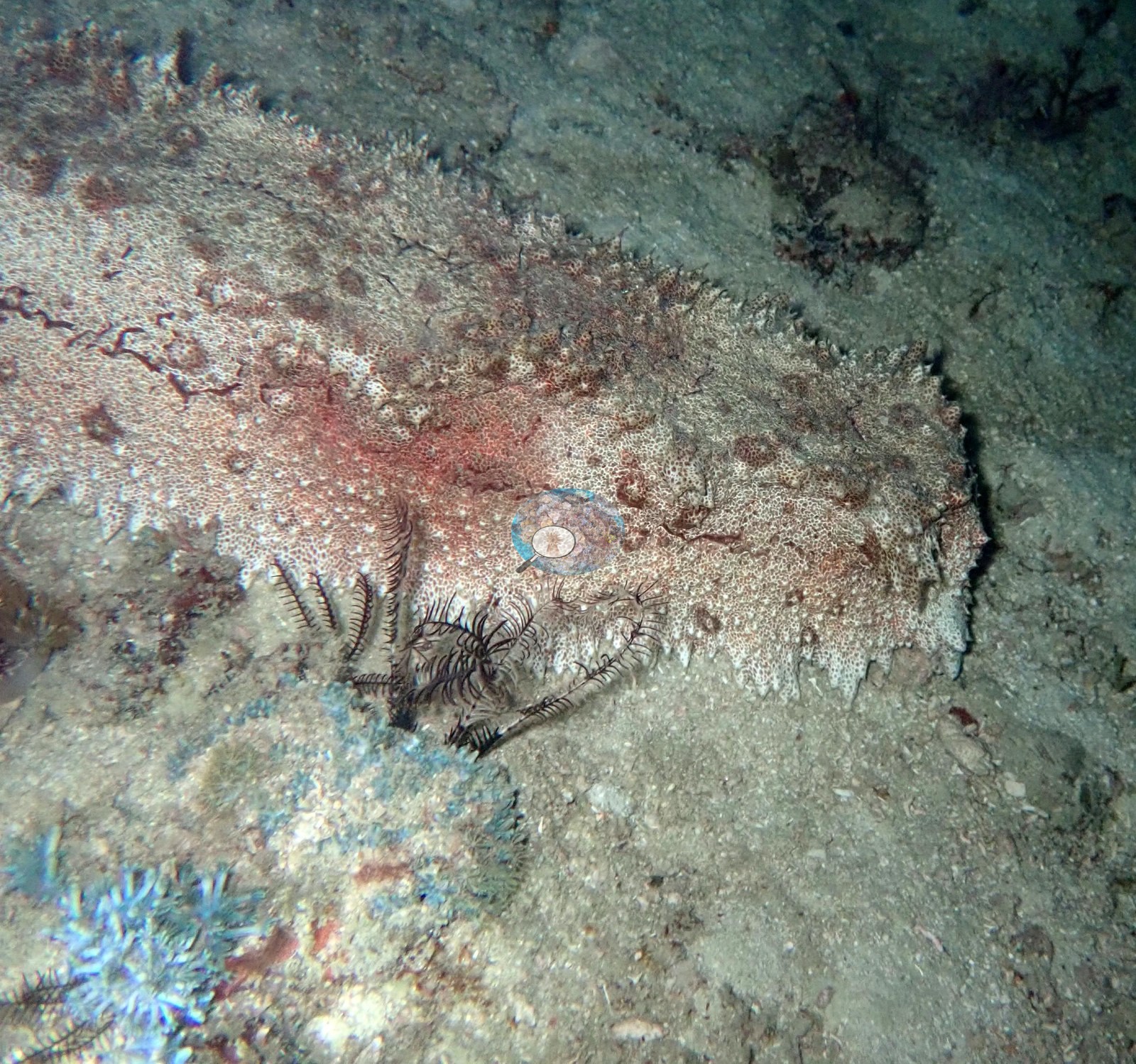
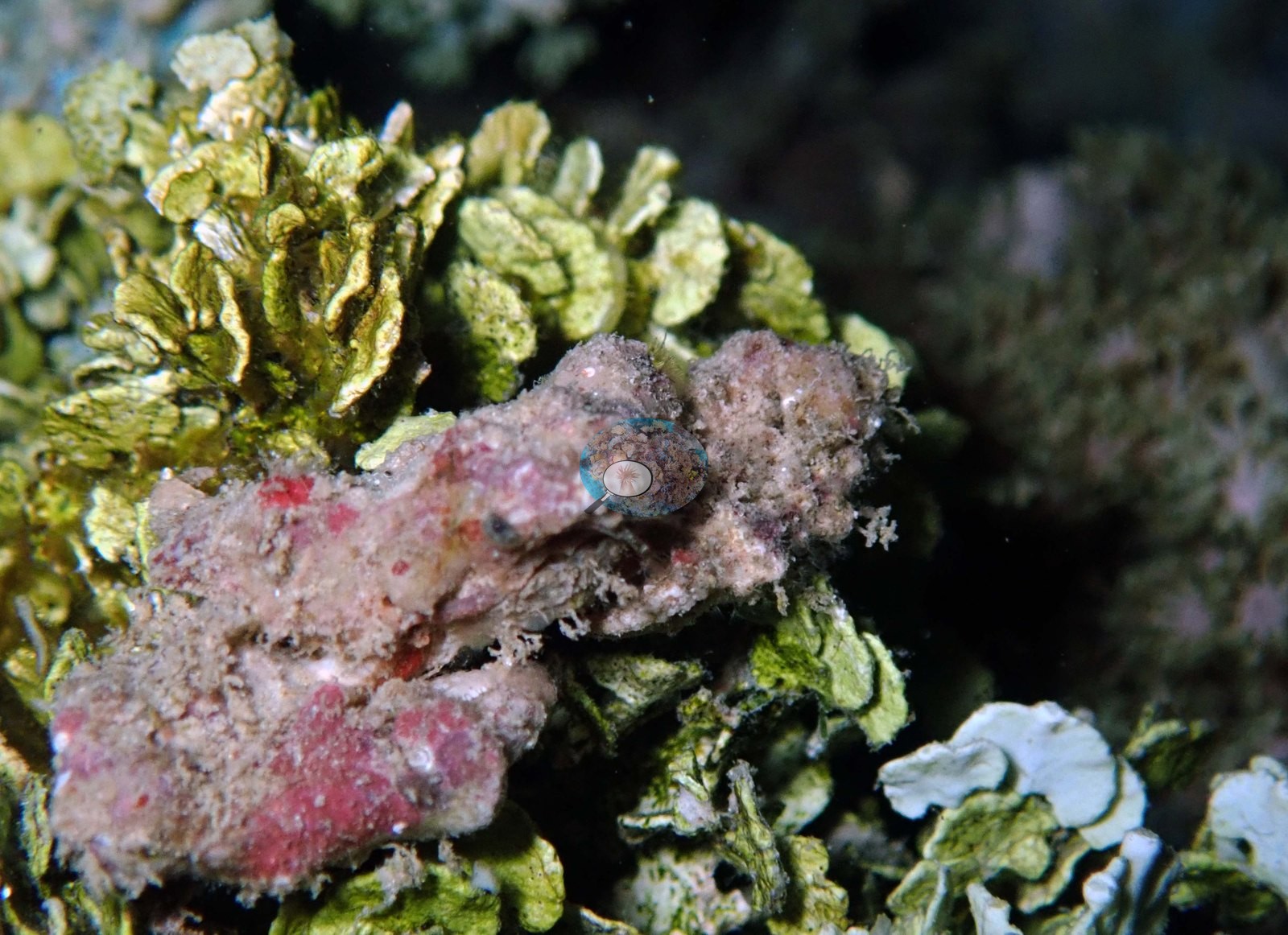
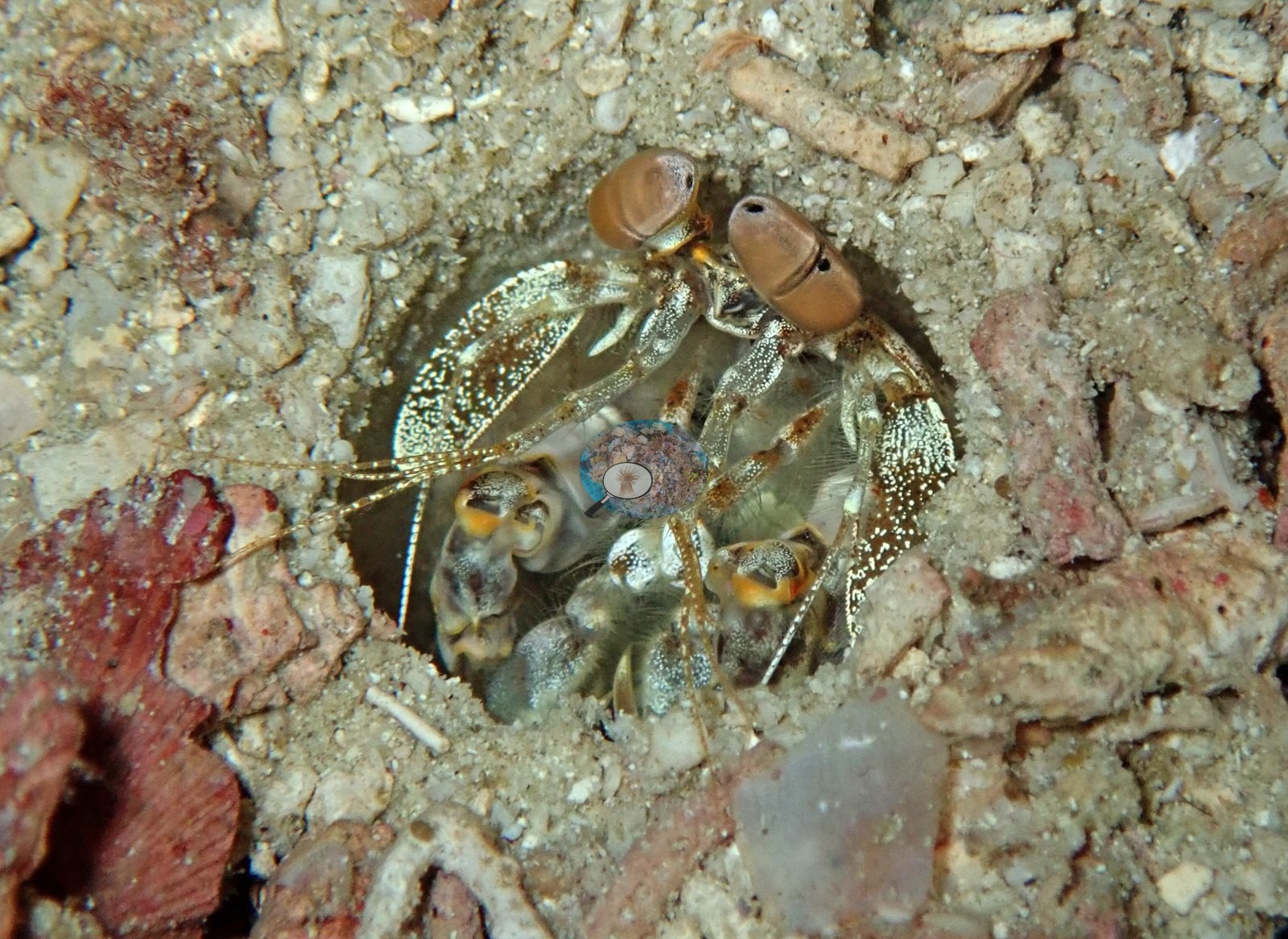
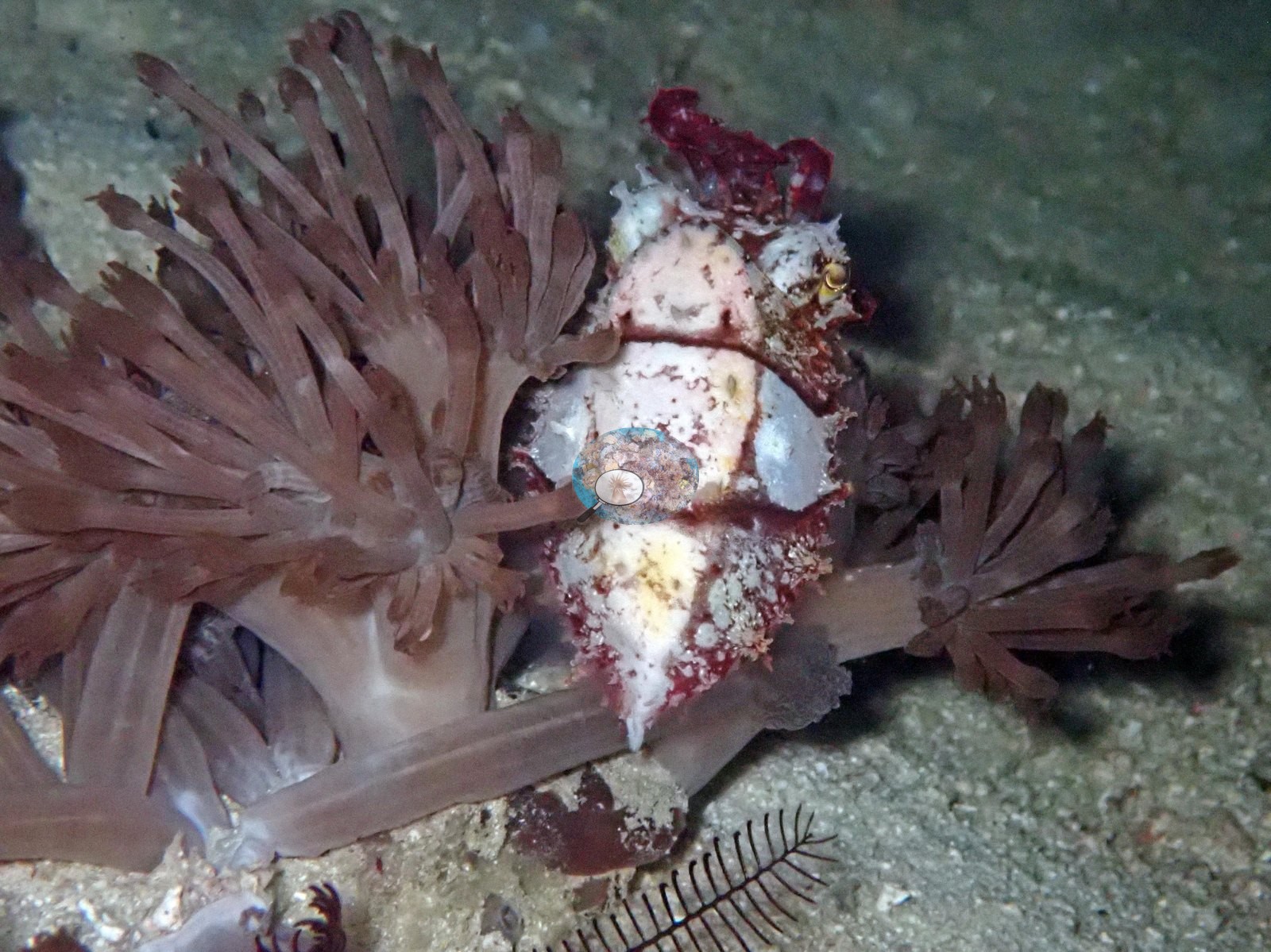
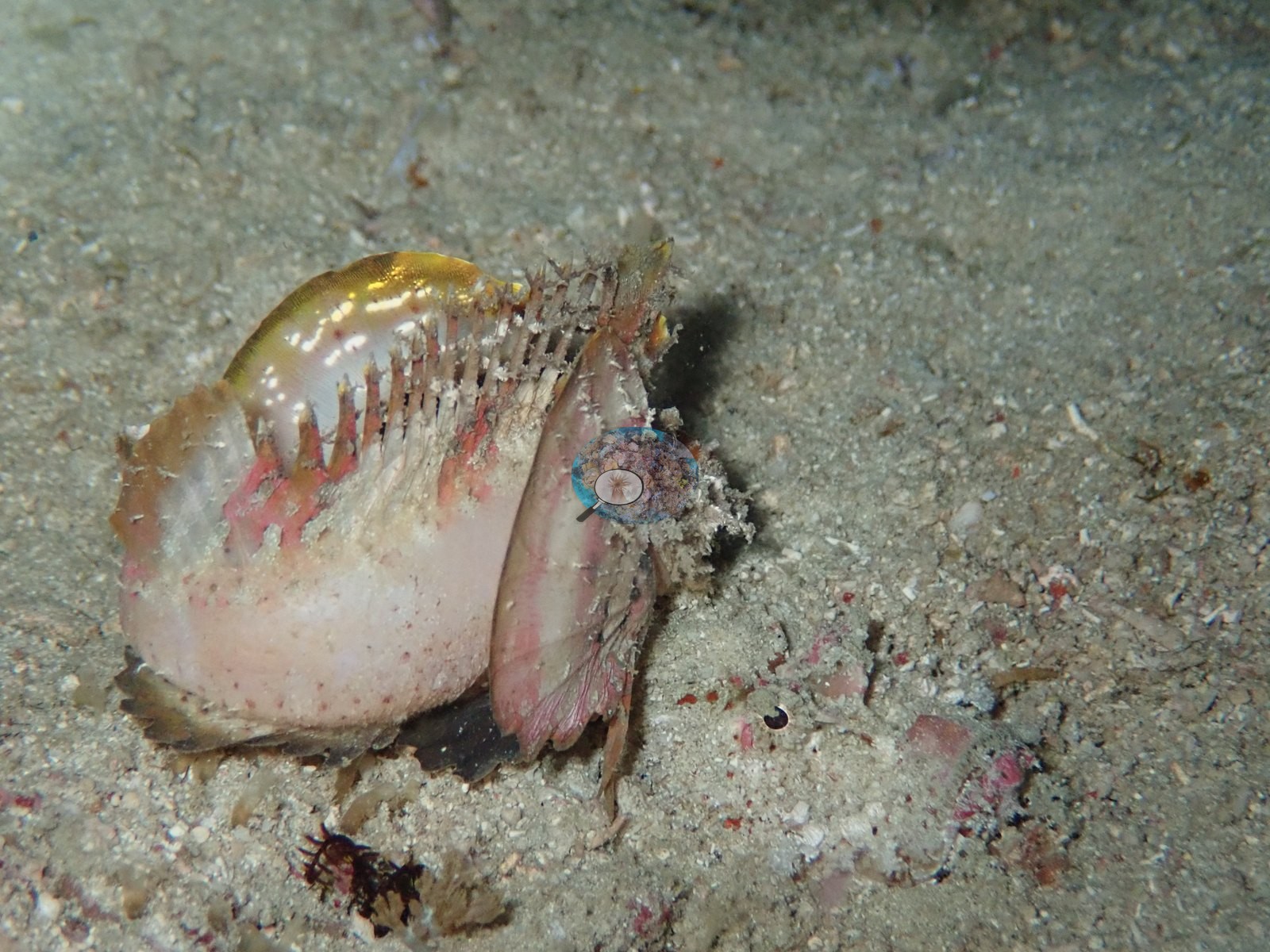
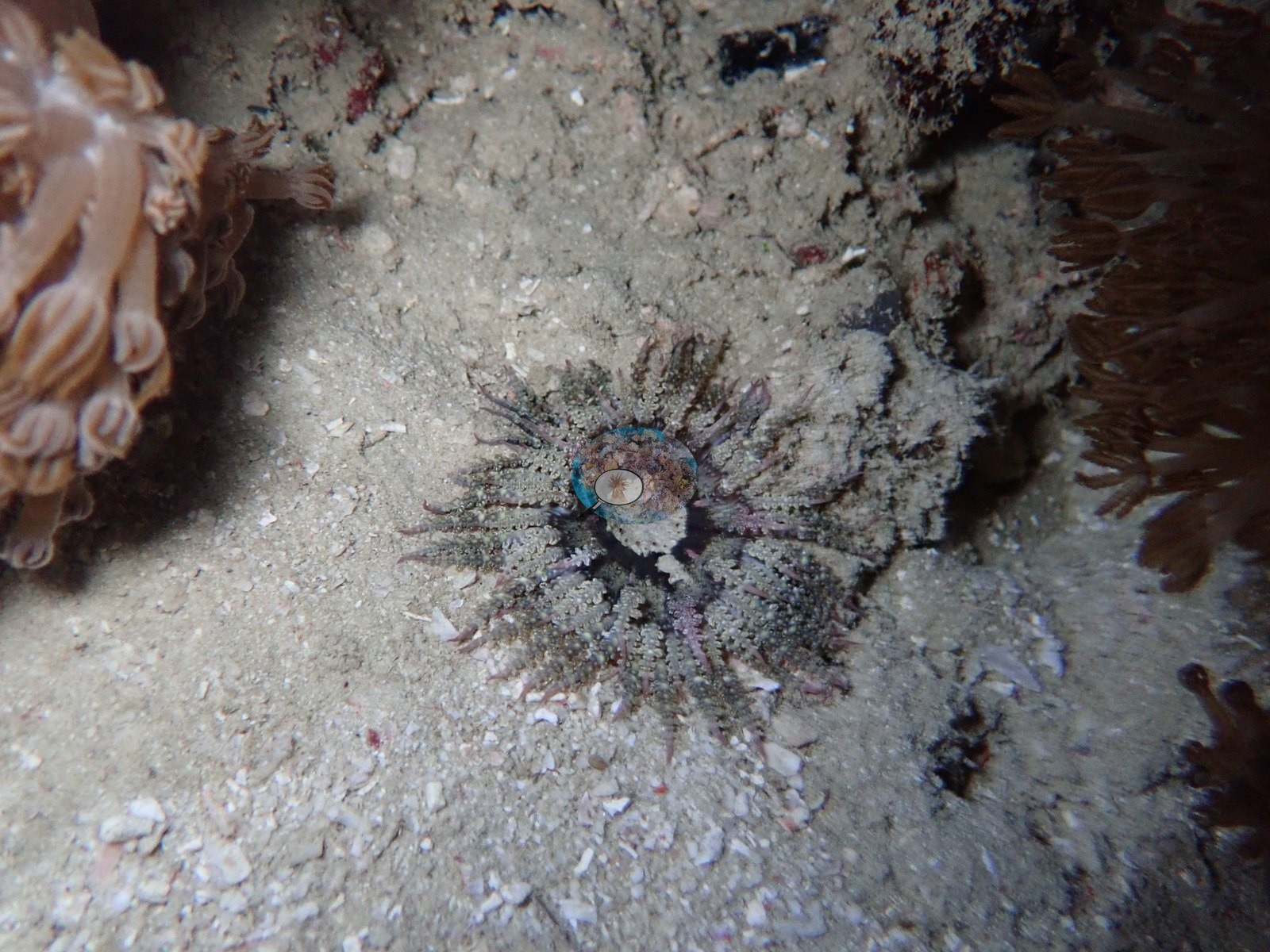
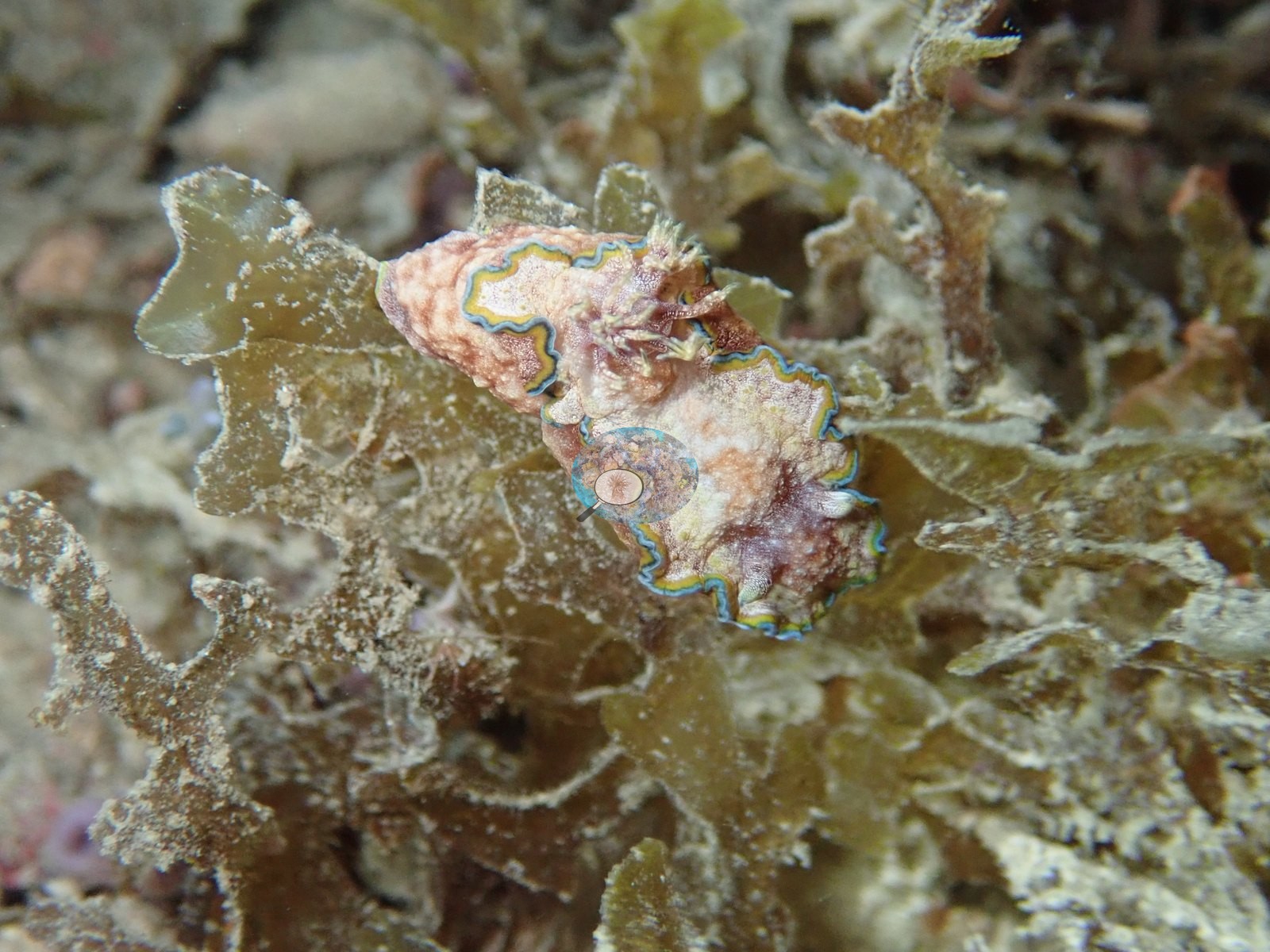
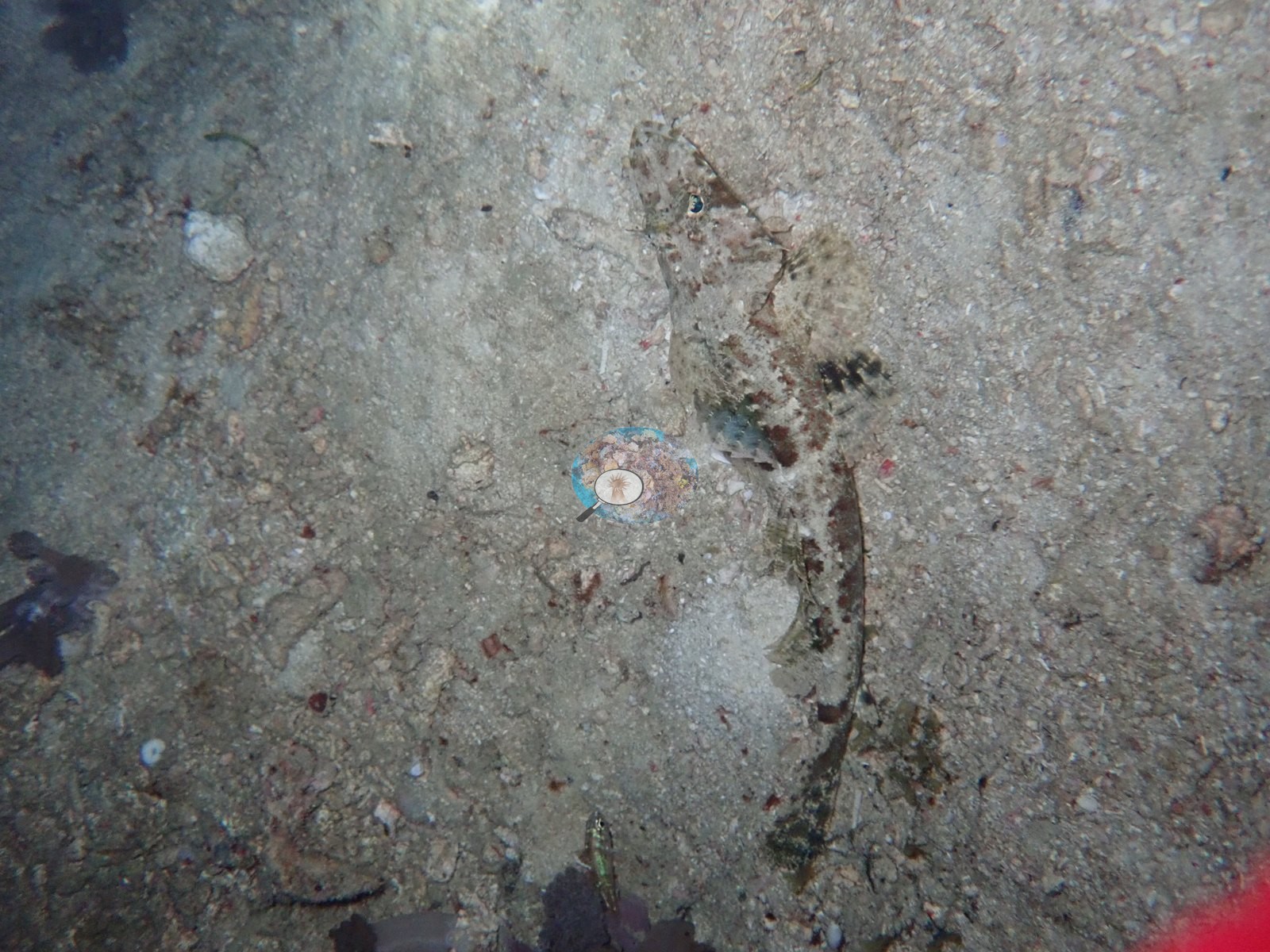
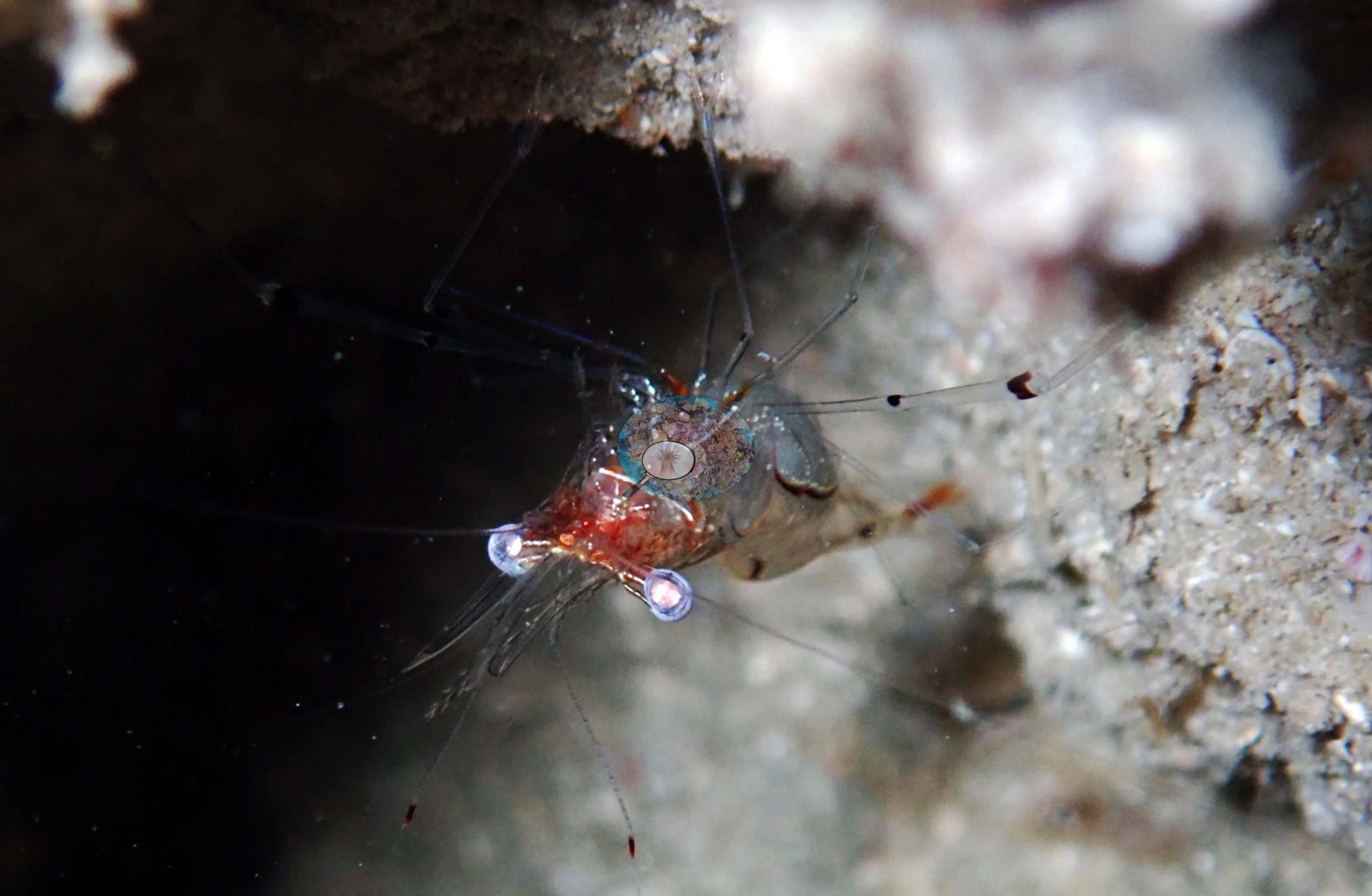
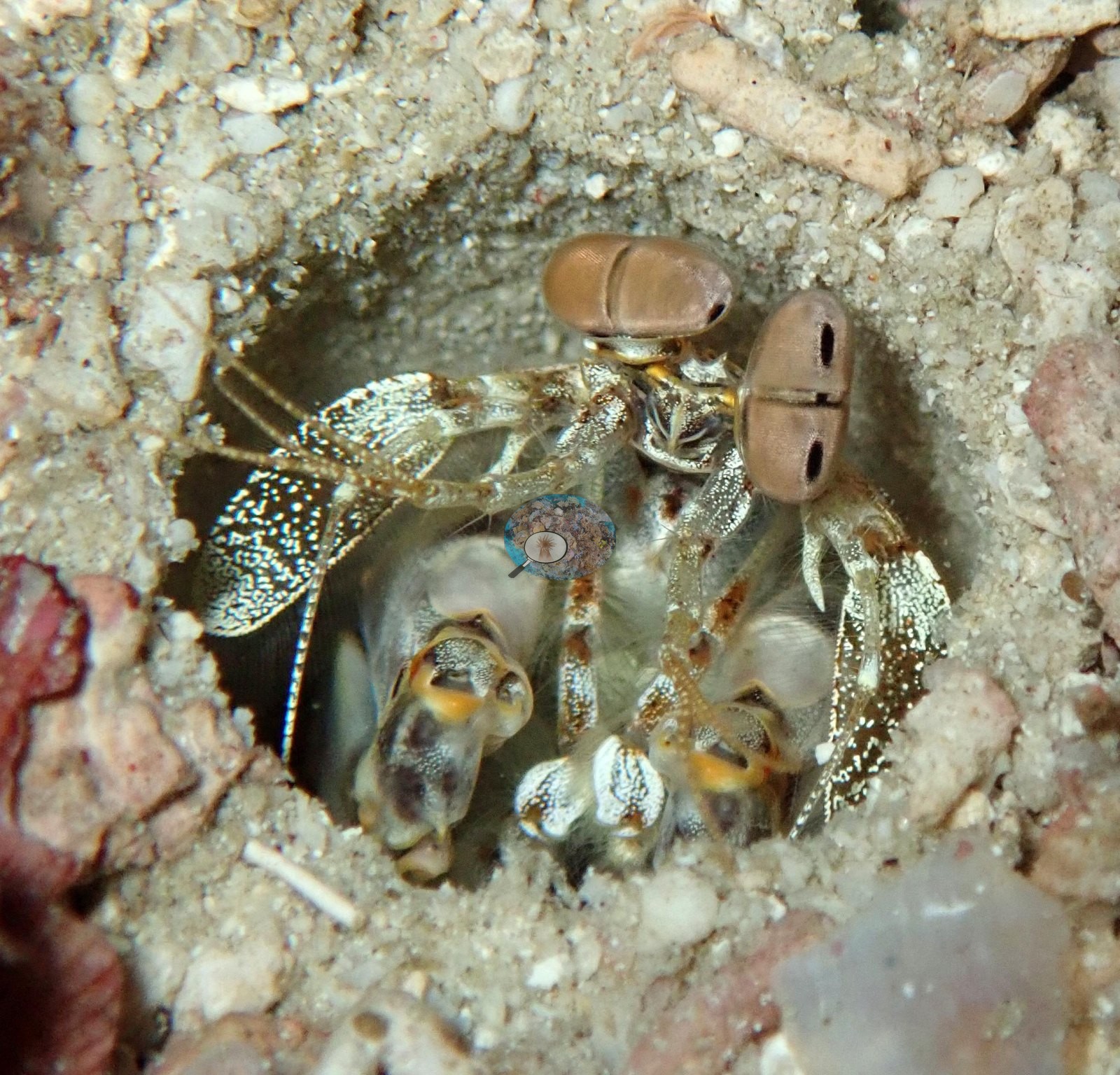
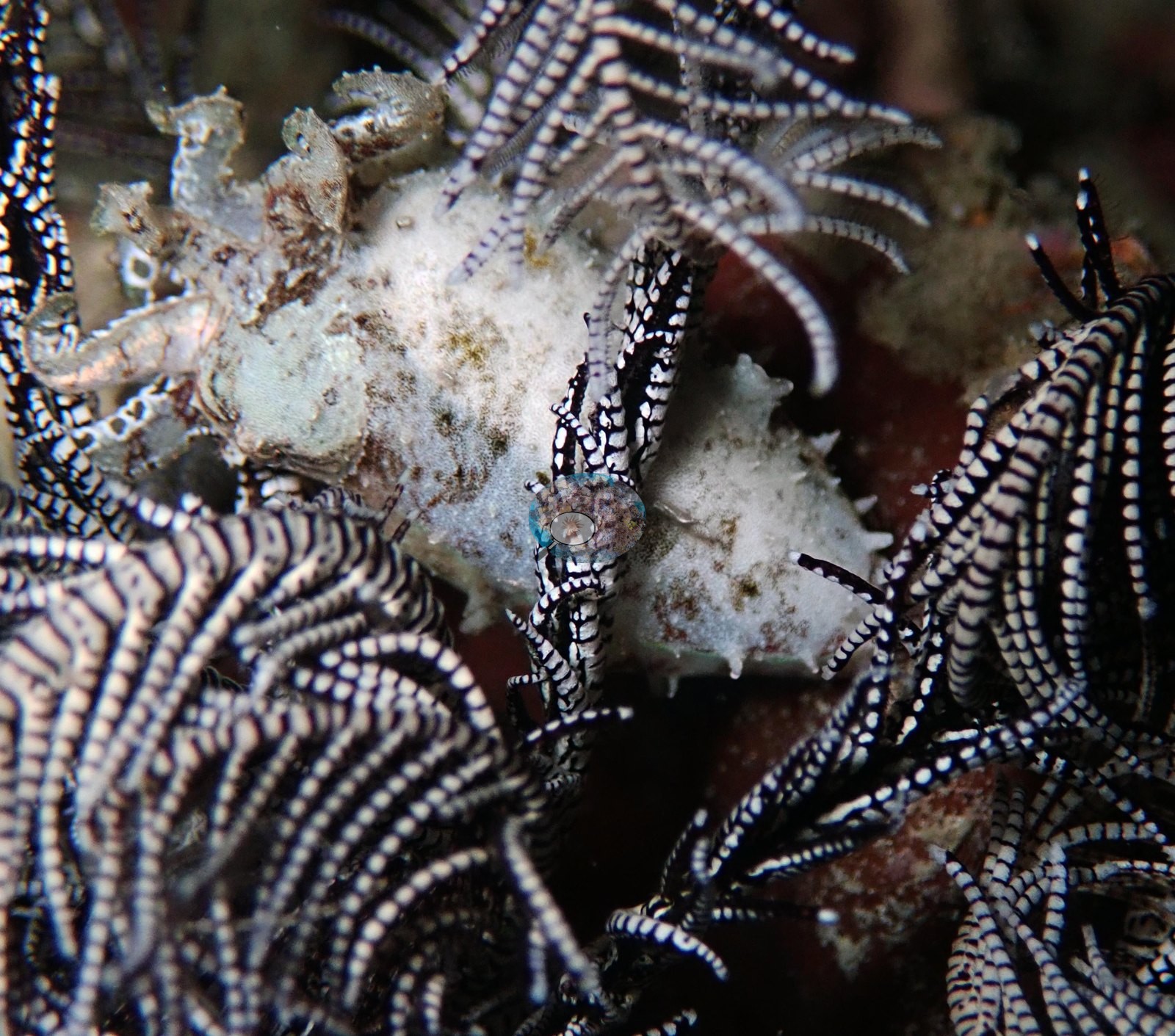
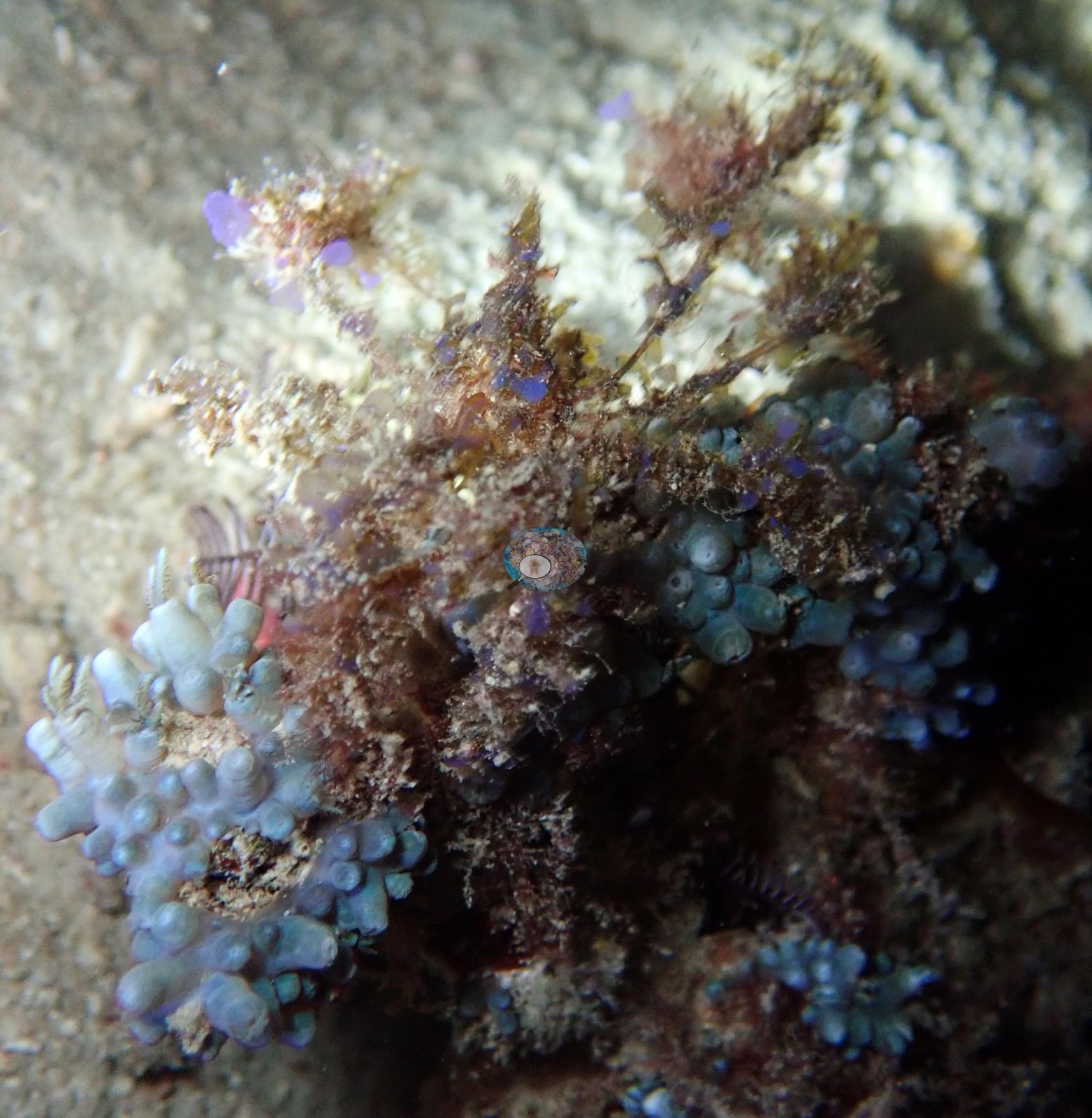
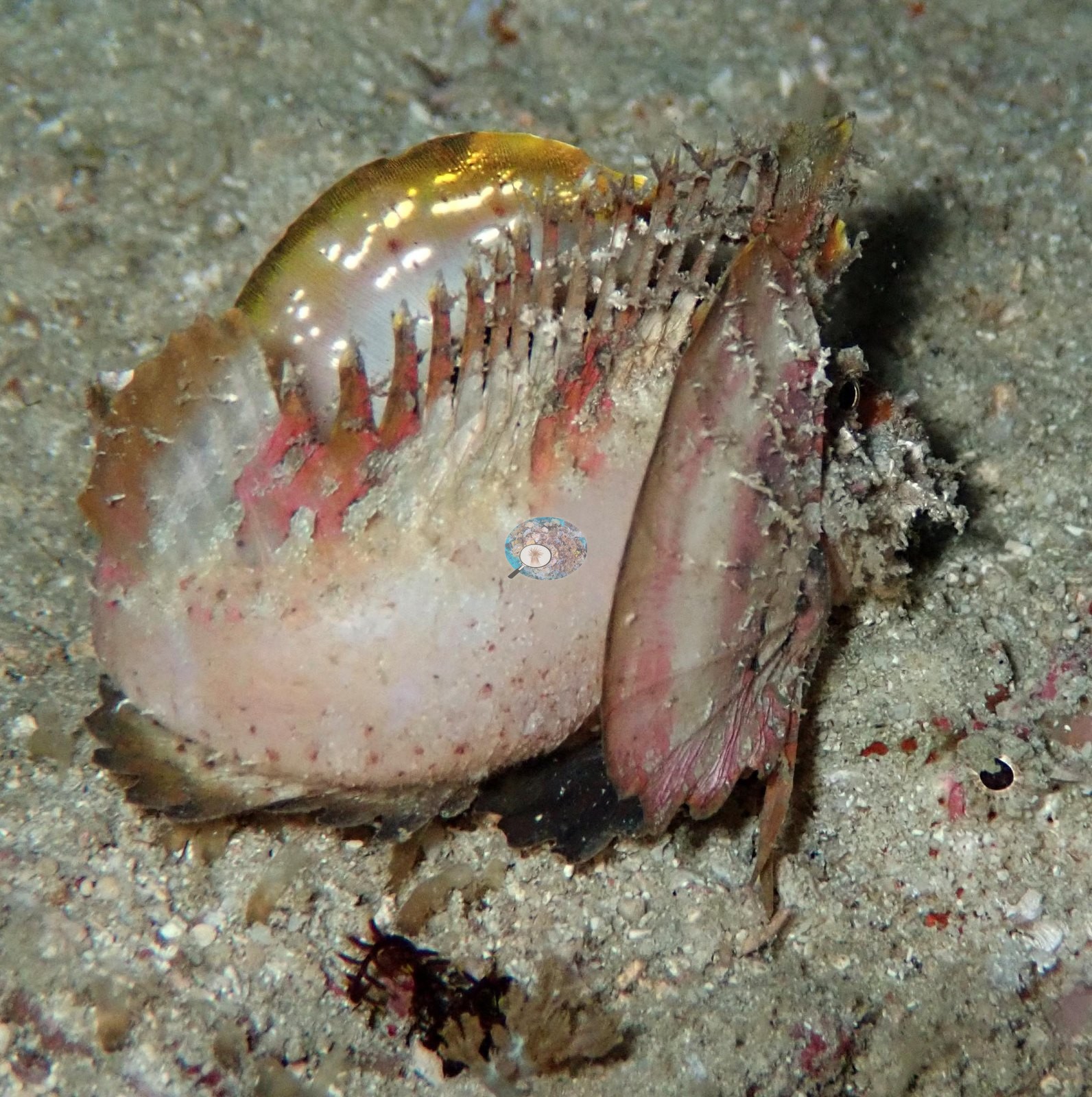
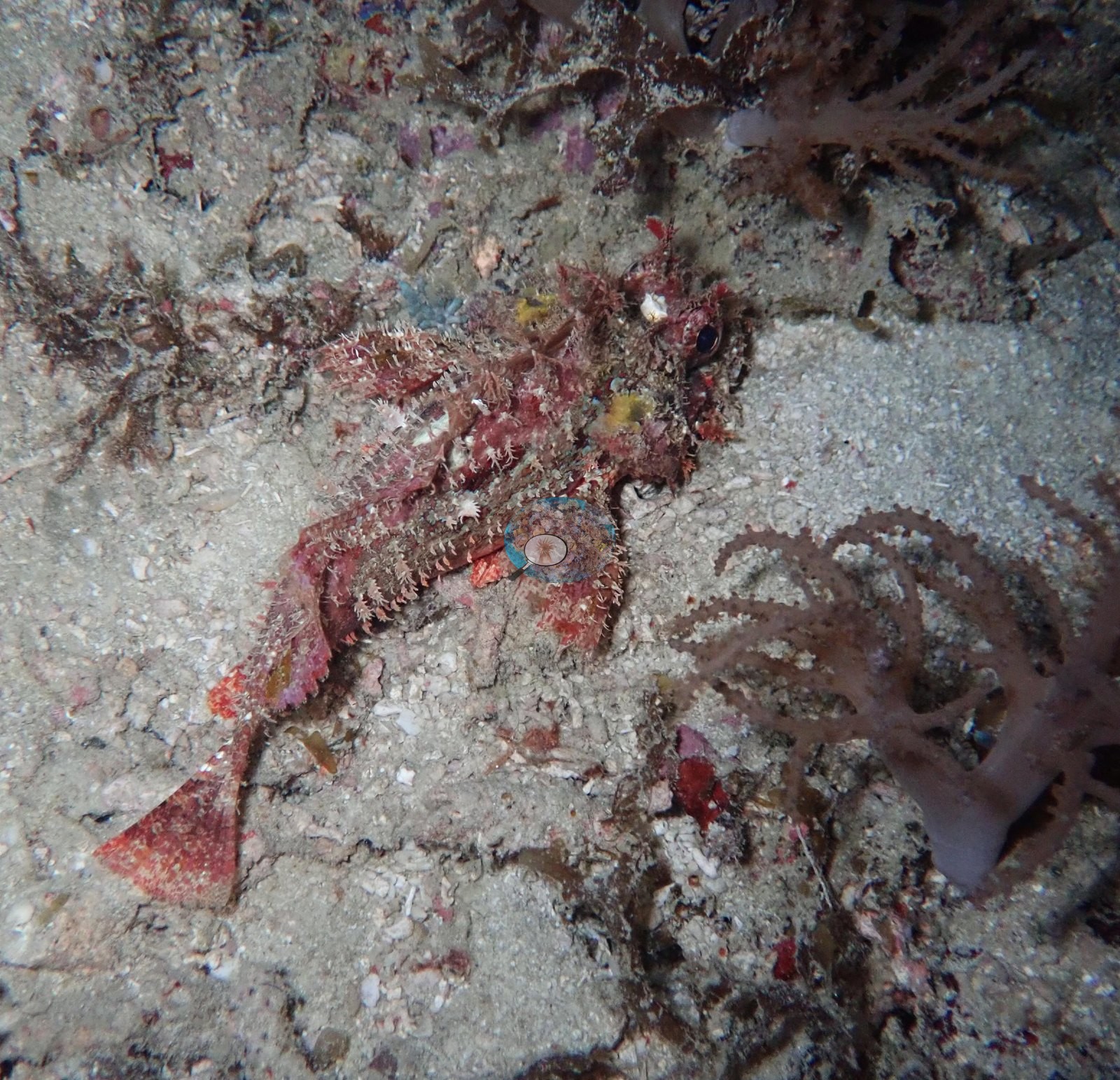
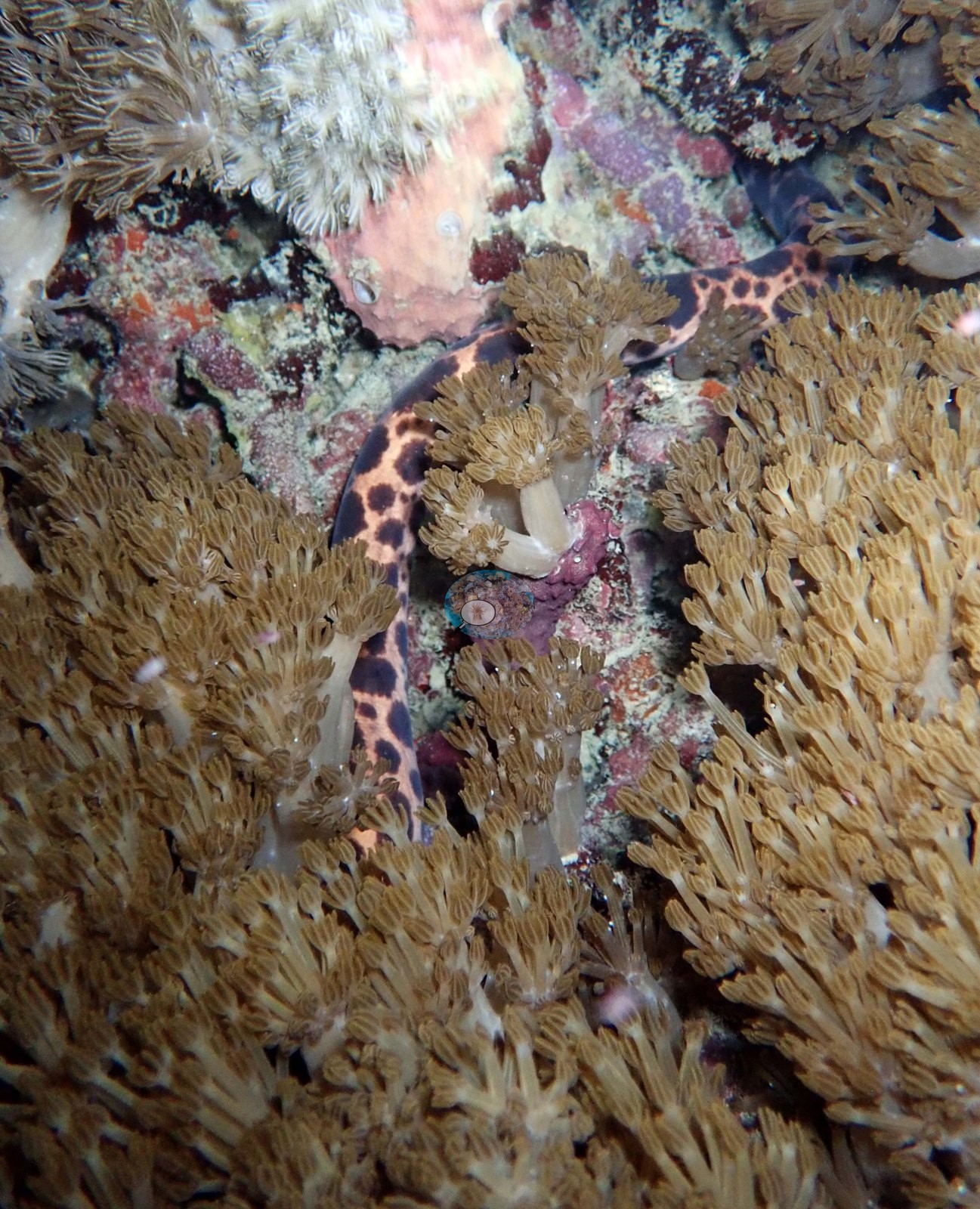
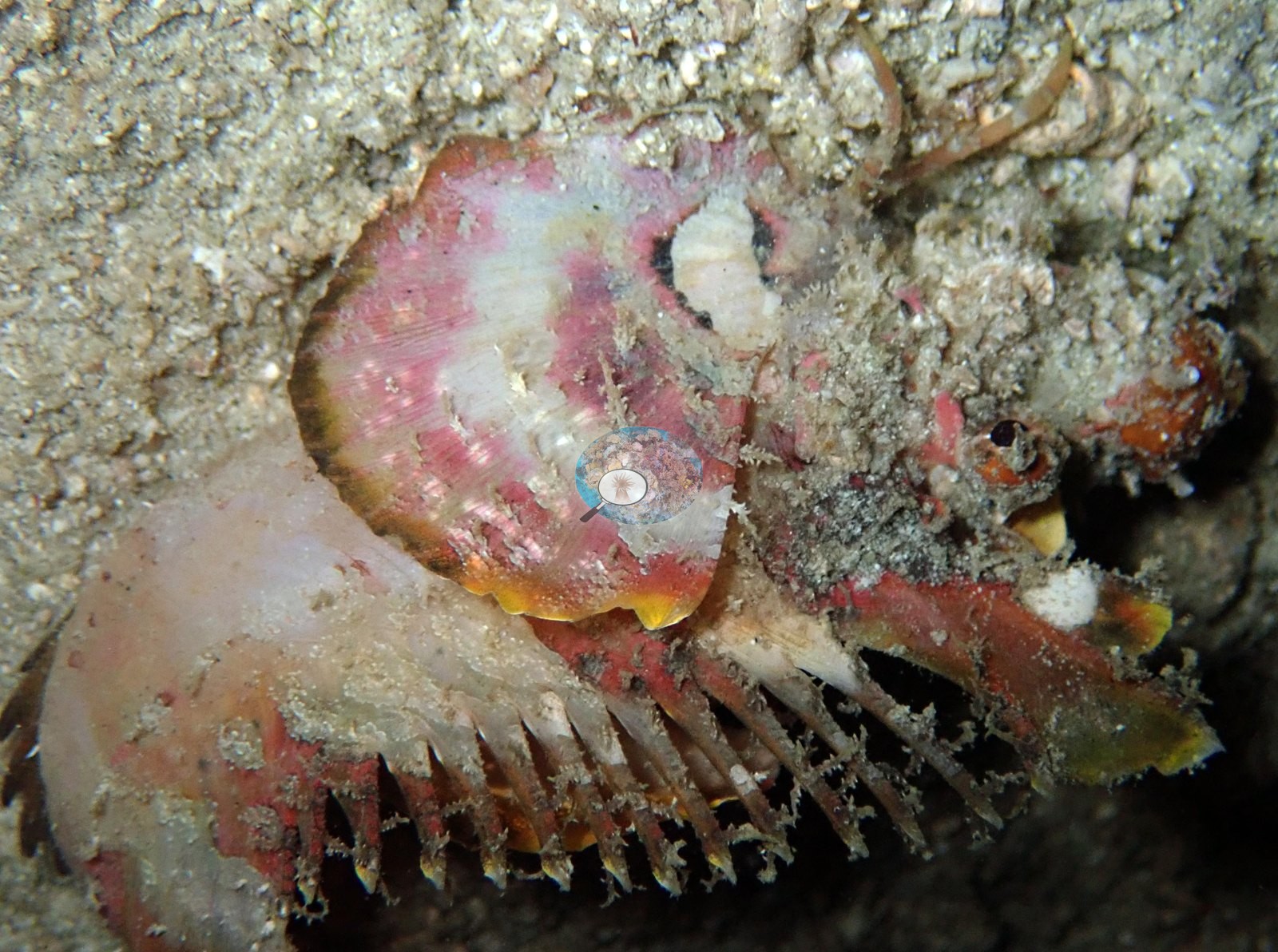
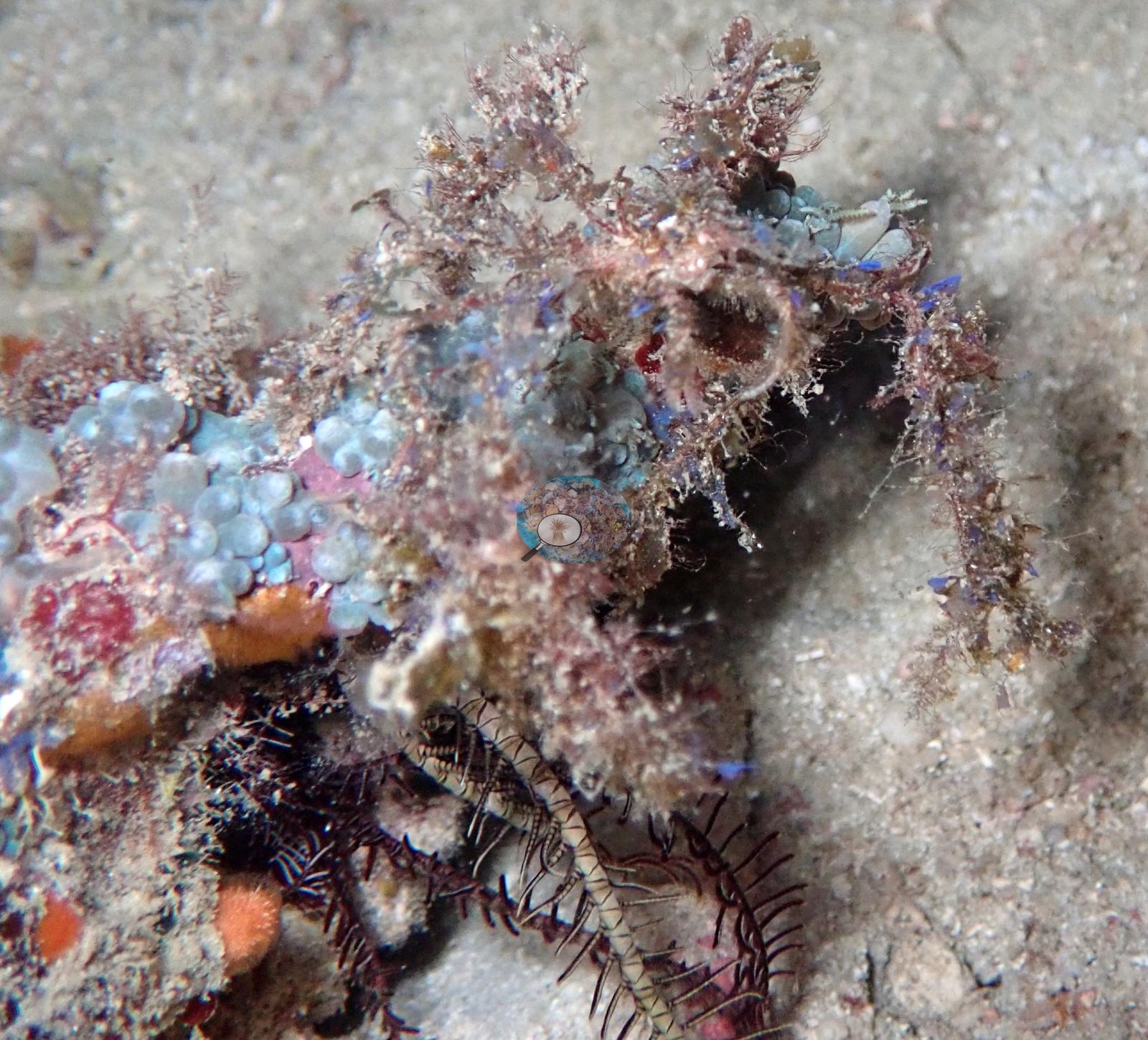
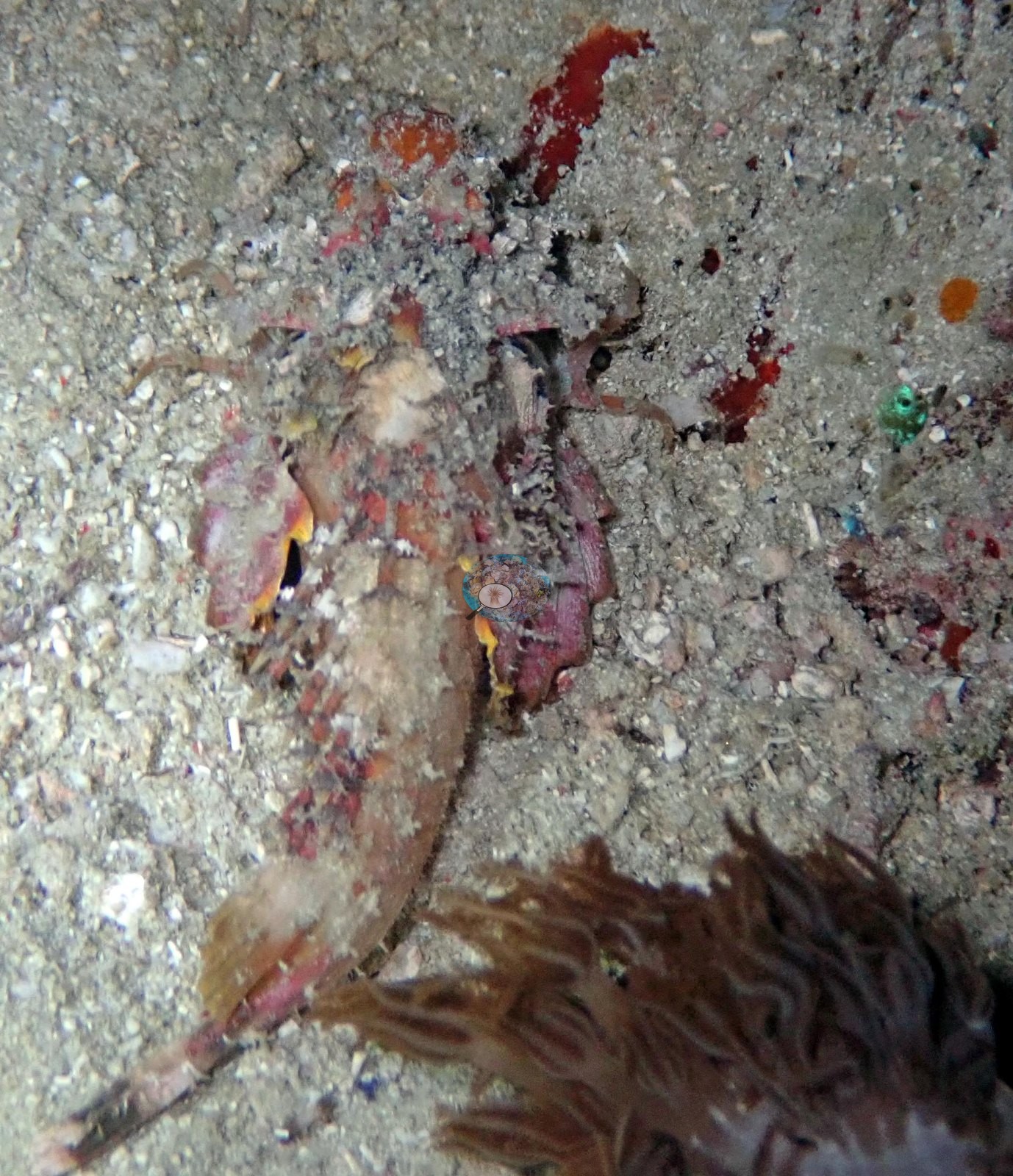
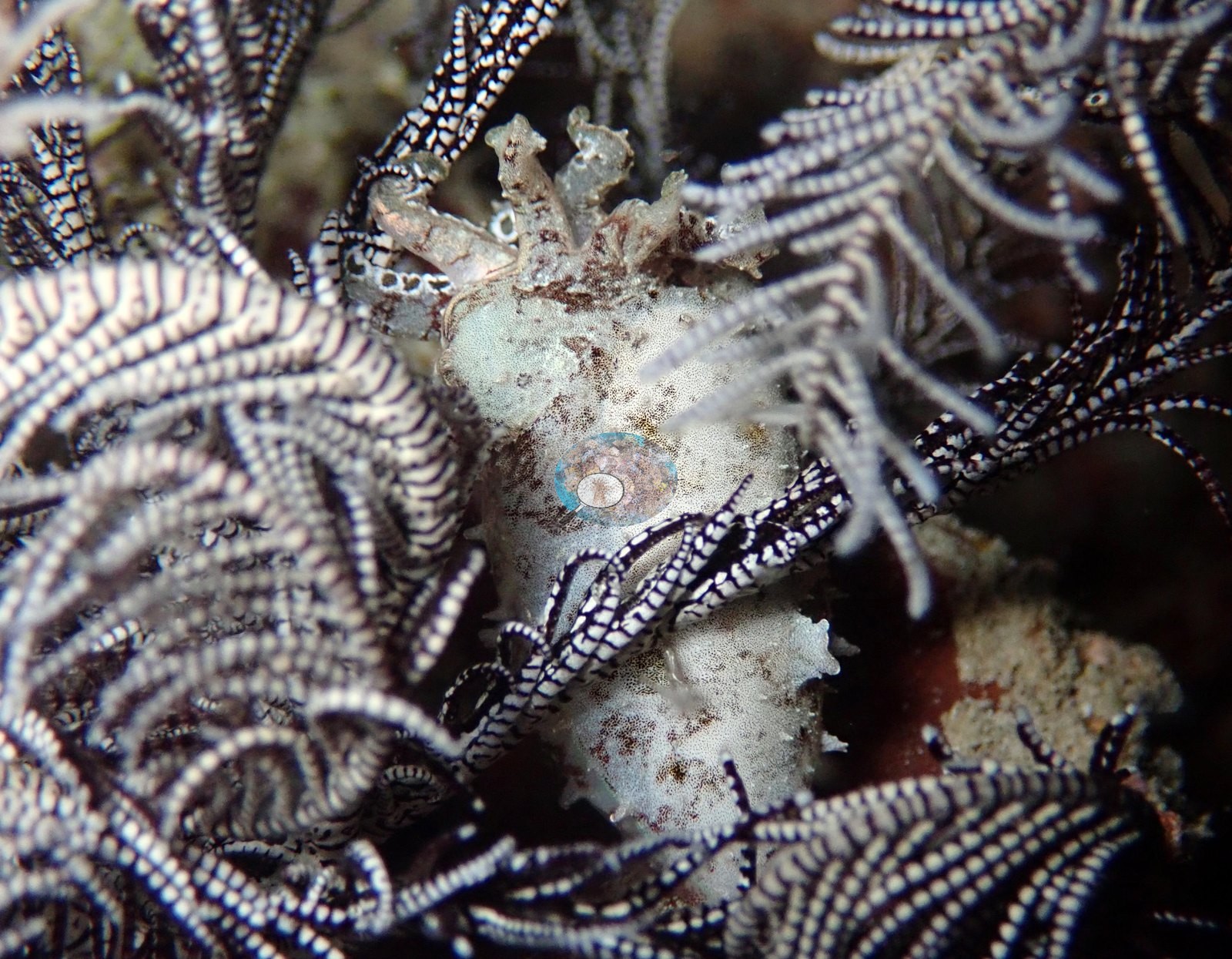
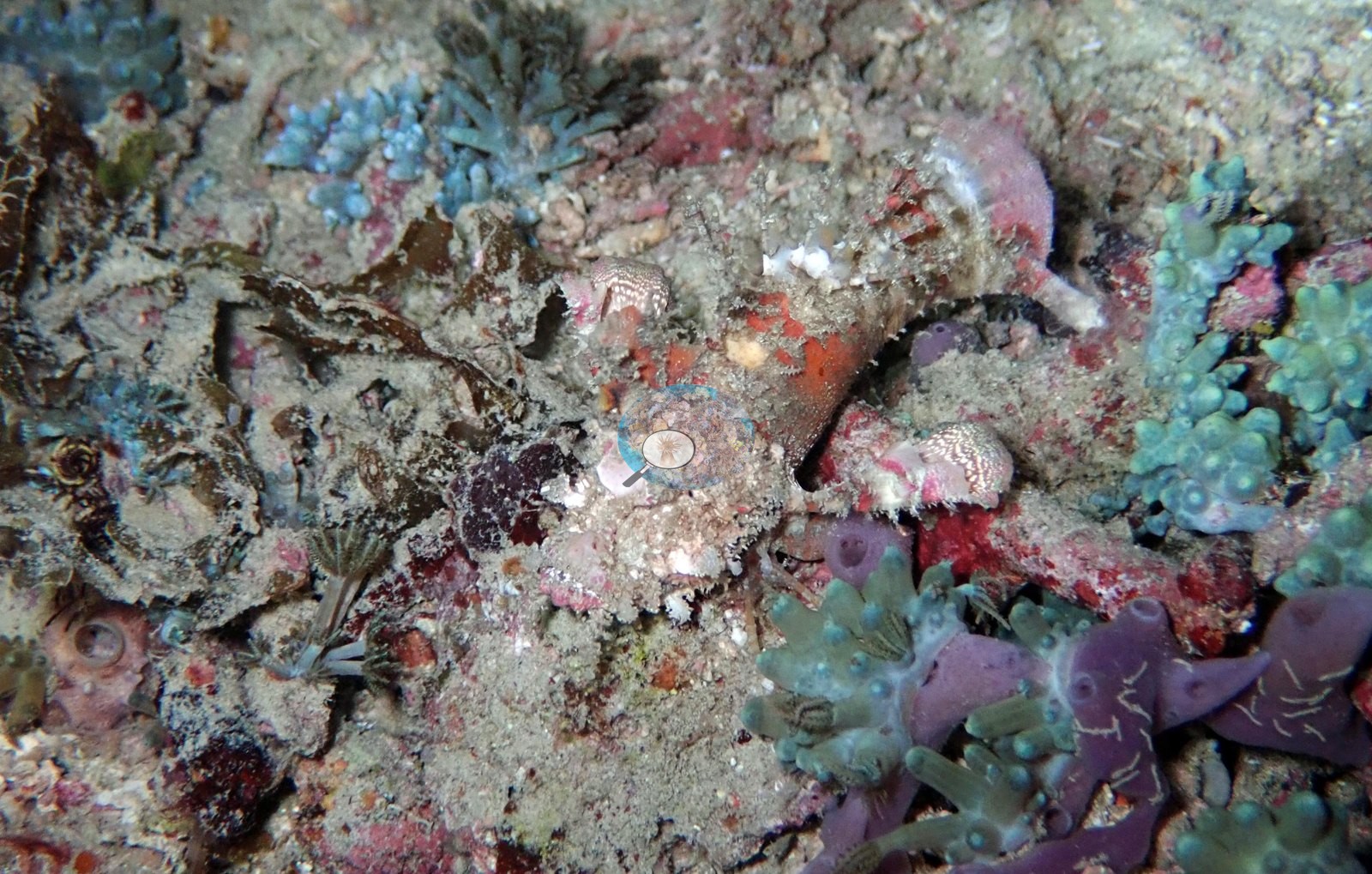
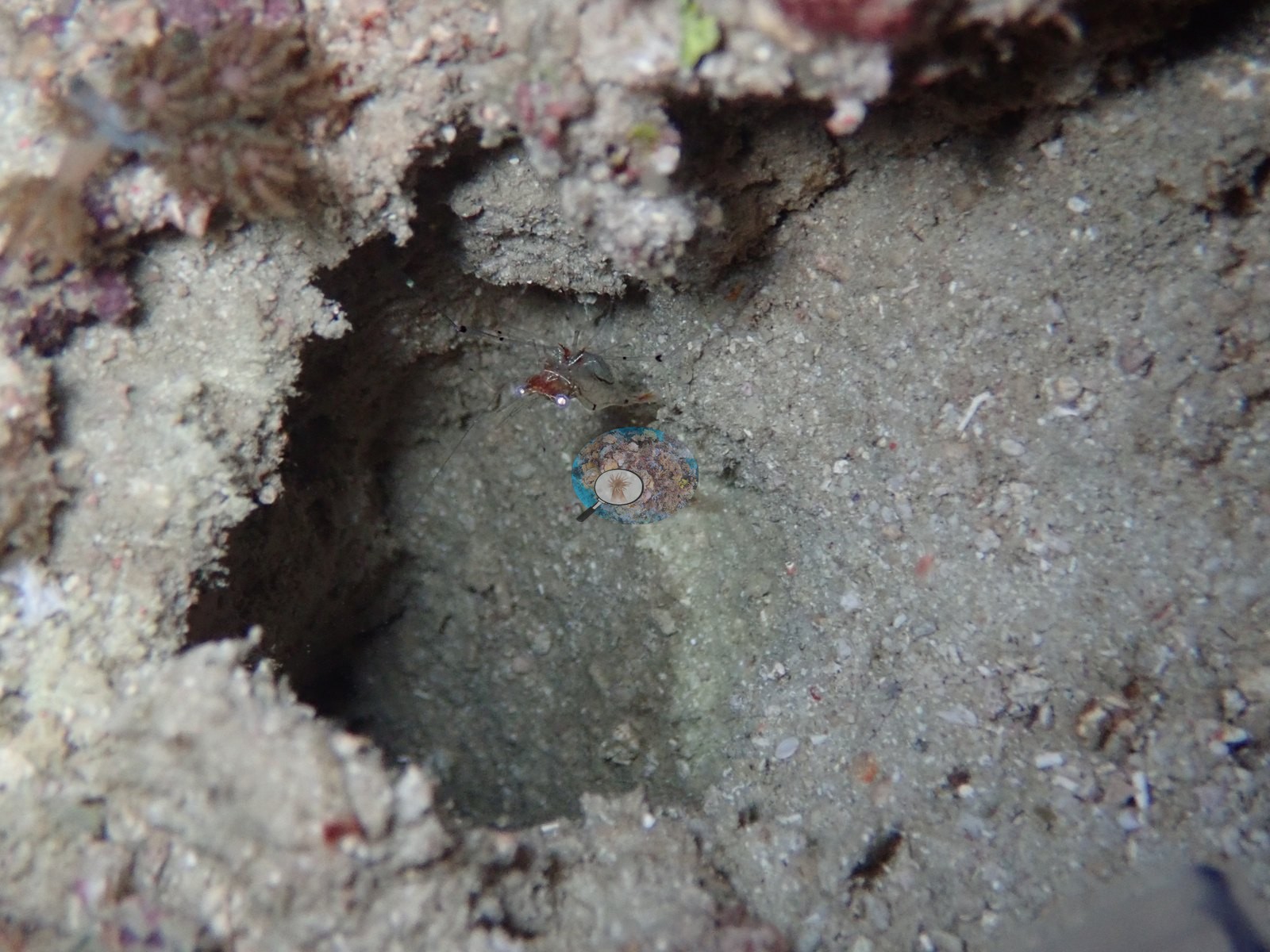
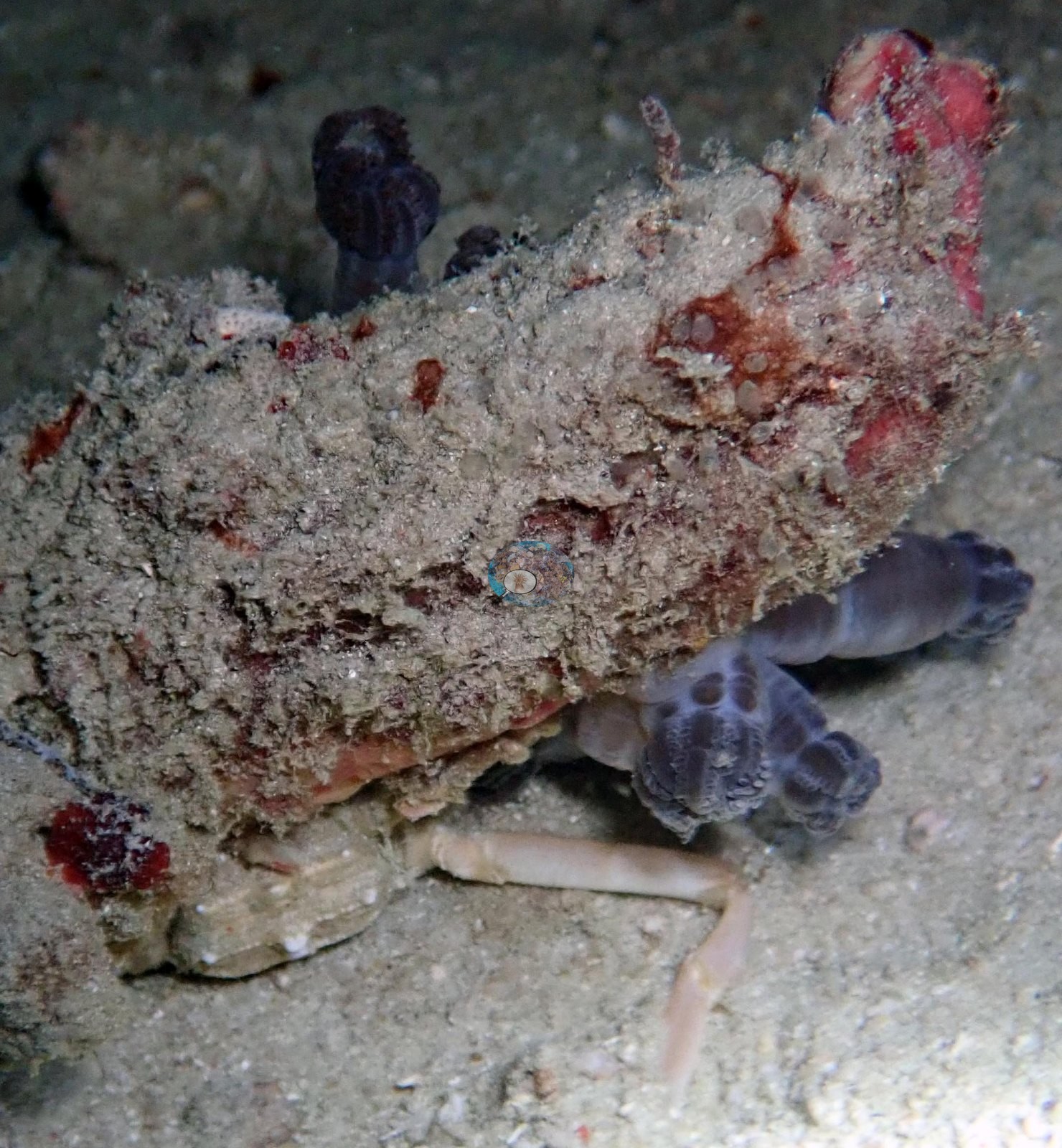
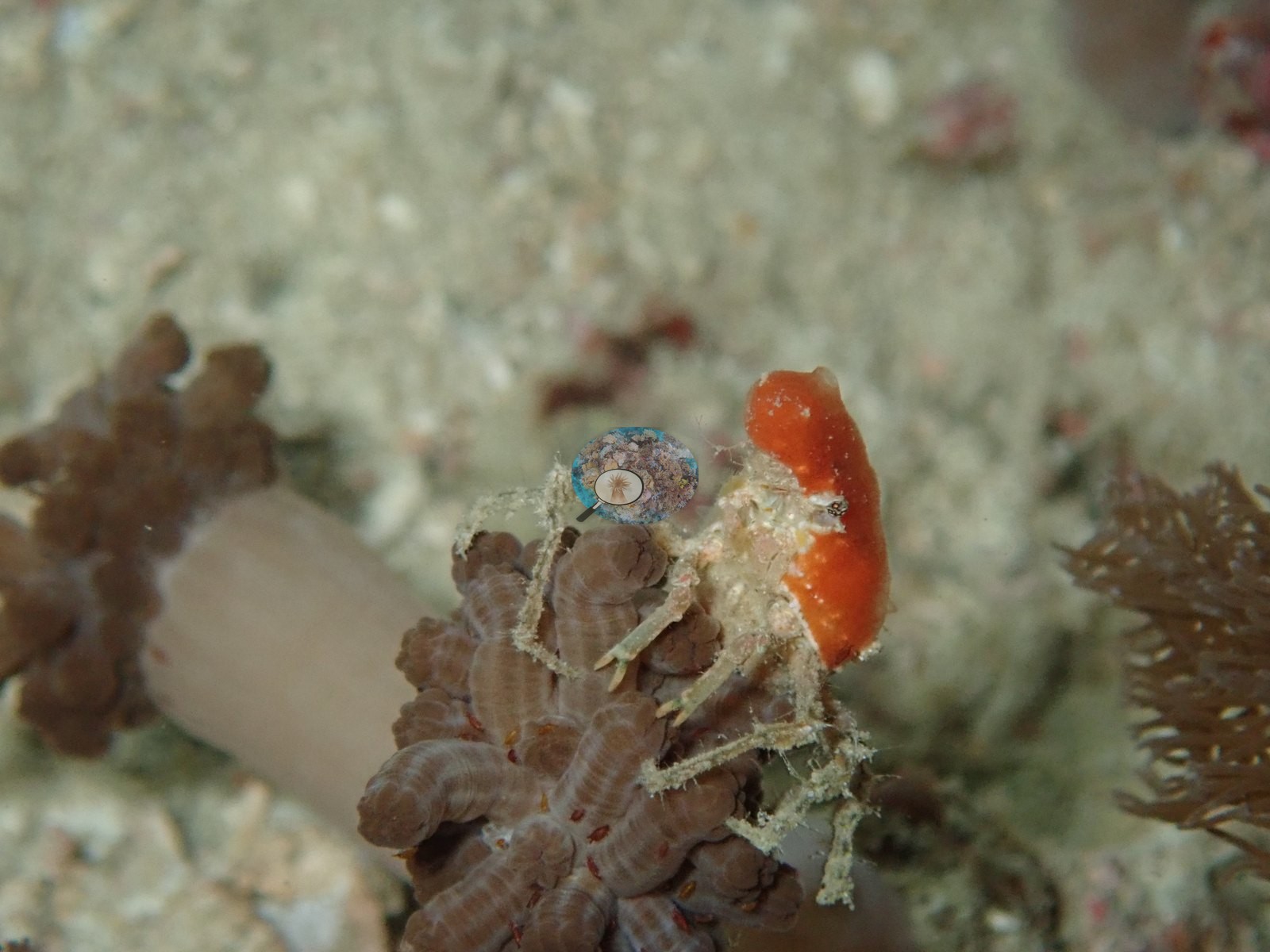
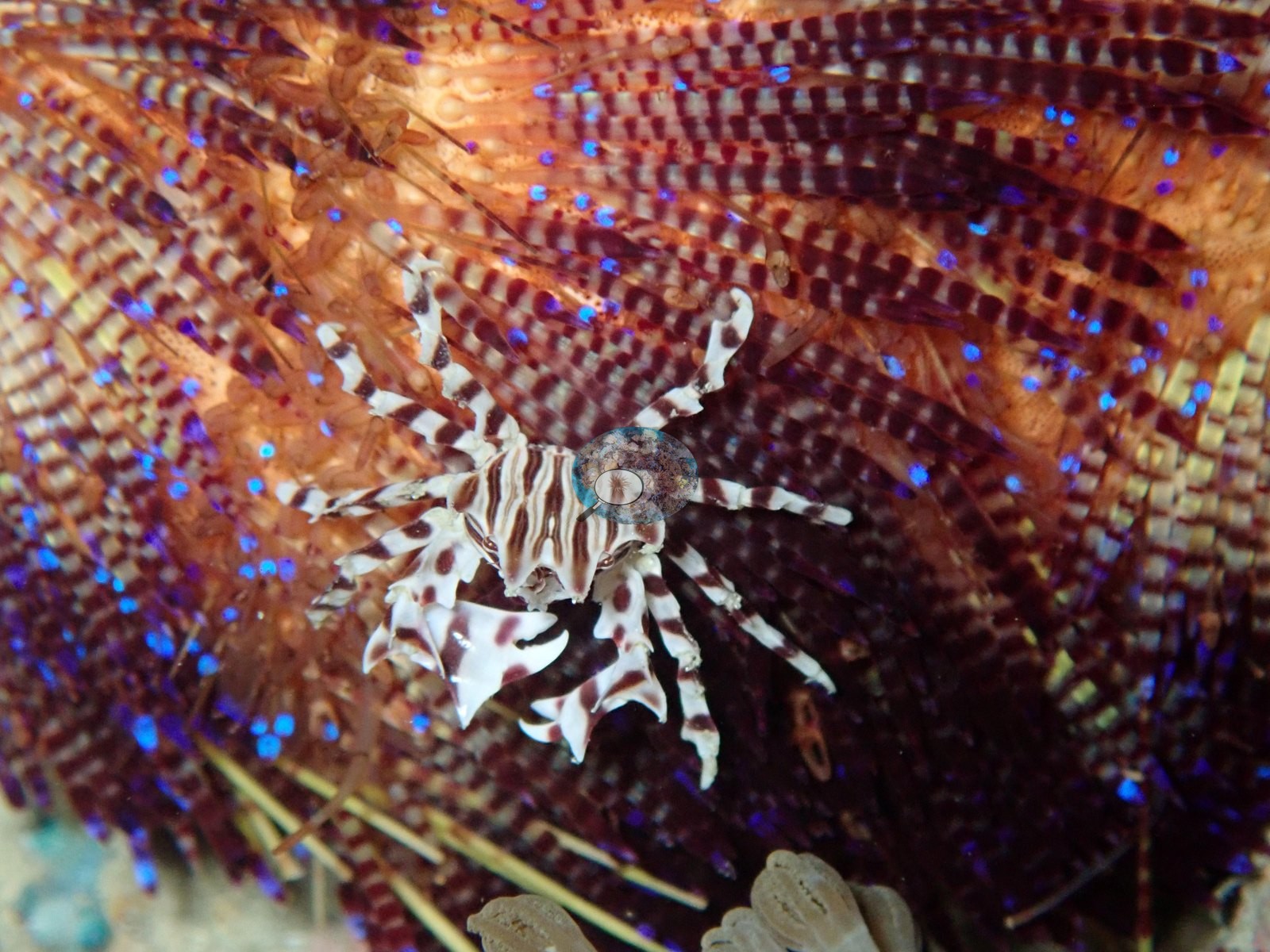
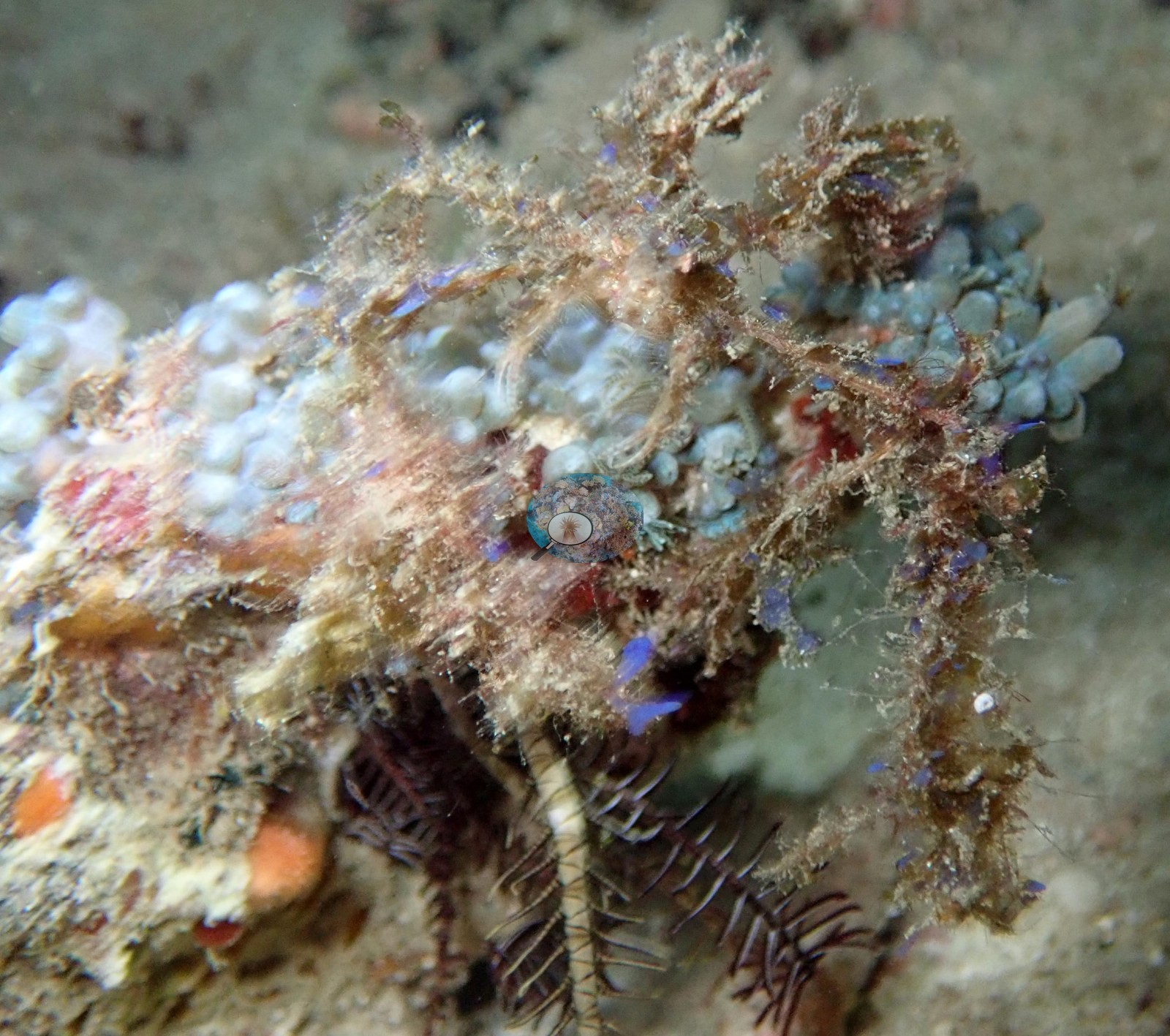
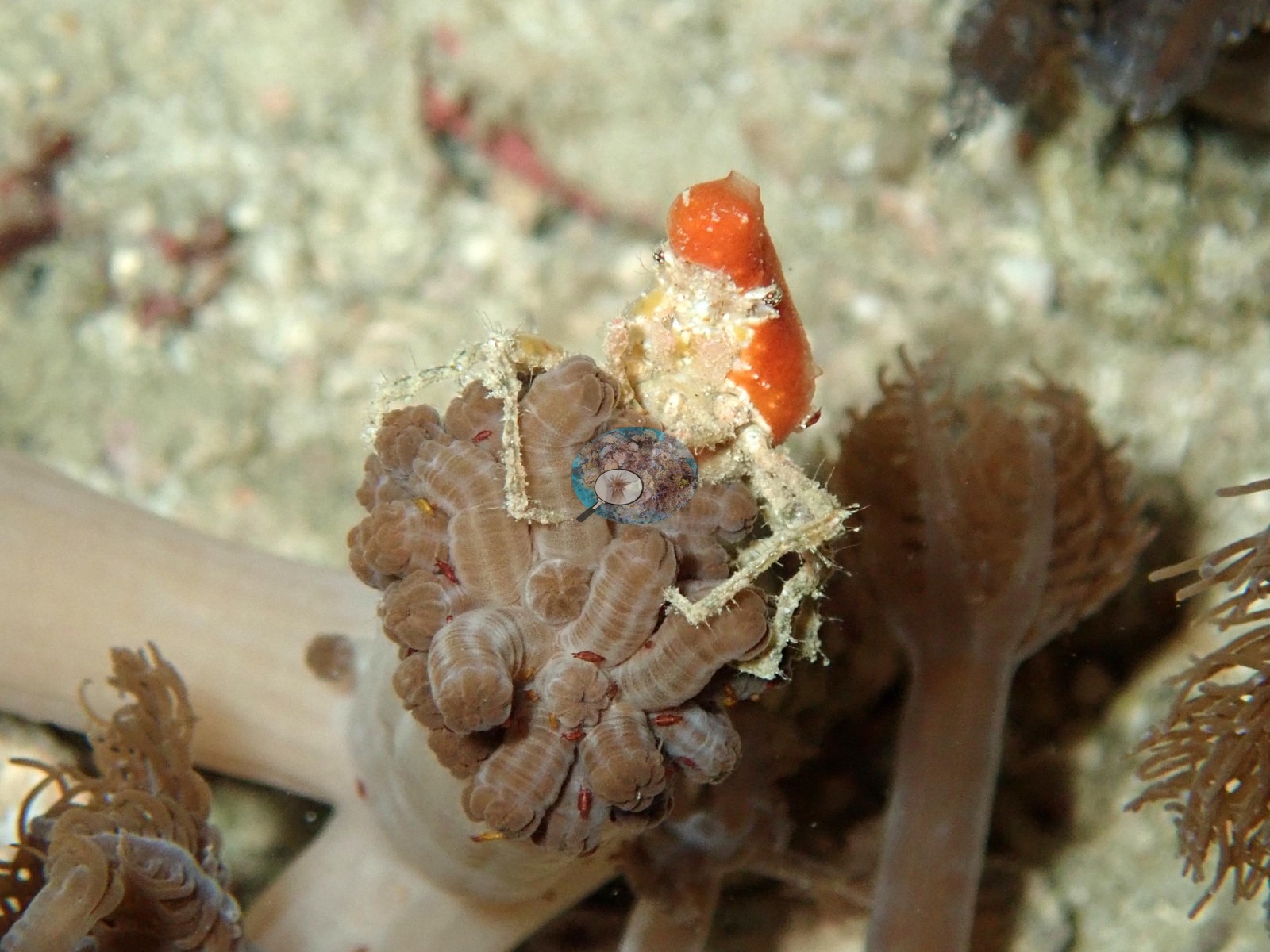
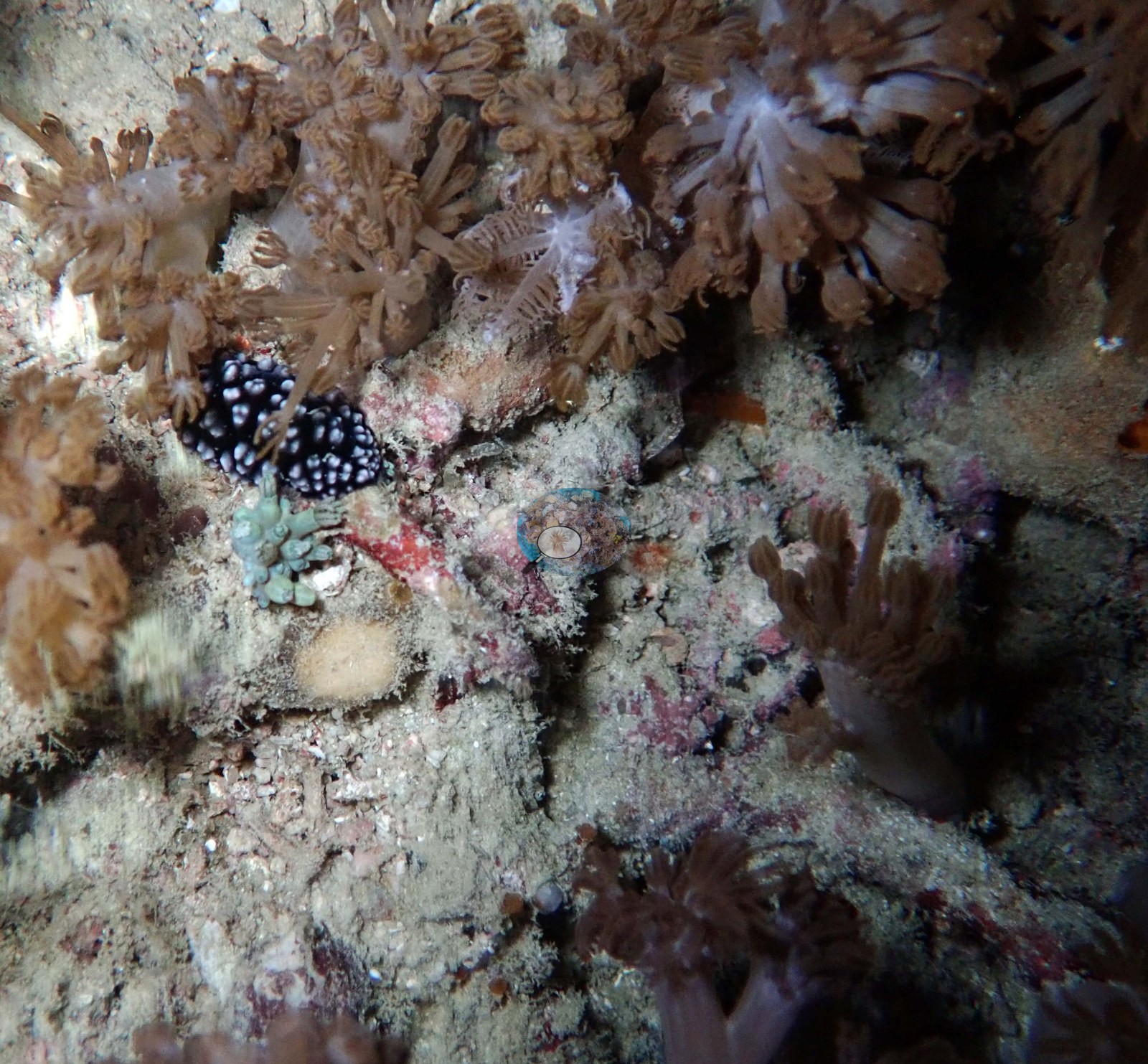
The first night dive (21 January 2019) turned up mating crabs, a flying gurnard (the first seen), tiny cuttlefish, serpentine eels, nudibranchs, crocodilefish, a black-and-white striped crab living on fire urchins, a Halimeda crab, and a large, red nudibranch. On the second night dive (22 January 2019), an octopus that Anderson logged as a new species scurried across the sand. Anderson got a decent picture of it. Two iridescent cuttlefish were seen, and Anderson got good pictures of them. An ornate ghost pipefish and regular-sized cuttlefish made it a great critter-hunting dive. The third night dive (25 January 2019) was not as interesting as the previous two visits, but it still turned up bobtail squid, shrimp, crab, flying gurnard, eels, nudibranchs, decorator crabs, small cuttlefish, fire urchins with commensal crabs, and beautiful soft corals. The fourth night dive (26 January 2019) was not the most interesting of the four, but it still turned up some never-before-seen lionfish and small alligator or crocodilefish. Tiny cuttlefish lived within crinoids, and Anderson got decent pictures of them. An eel was also seen. A burrowing shrimp in a perfectly cylindrical burrow was seen on another night dive. The gallery is drawn from the 26 January dive, including its soft corals (e.g., Image 3, Image 4, Image 5).
Comparisons with other data
WWF-US and WWF-Indonesia surveyed a nearby station (TNK21) in 2016, 0.01 km from the pin. Within 5 km, one independent station, WWF-US / WWF-Indonesia at TNK21, 0.01 km away, read 3.0% in 2016.
Dive record
The first night dive was dive 4 of 21 January 2019 (trip dive 11). It ran from 18:48 to 19:36. Maximum depth was 20.1 m. The breathing gas was 30% oxygen. The average water temperature was 26.5°C. Anderson did not bring a slate on this dive. The second night dive was dive 4 of 22 January 2019 (trip dive 15). It ran from 18:44 to 19:37 (53 min). Maximum depth was 19.2 m. The average water temperature was 26.3°C. Again, no slate was taken. The third night dive was dive 4 of 25 January 2019 (trip dive 27), from 18:41 to 19:30 (49 min). Maximum depth was 20.4 m. The average water temperature was 26.7°C. The fourth night dive was dive 4 of 26 January 2019 (trip dive 31), from 18:49 to 19:40 (51 min). Maximum depth was 18 m. The average water temperature was 26.6°C. It was the last night dive of the trip.
Dive history
| Date | Time in | Max depth (m) | Bottom time (min) |
|---|---|---|---|
| 2019-01-21 | 18:48 | 20.1 | 48 |
| 2019-01-22 | 18:44 | 19.2 | 53 |
| 2019-01-25 | 18:41 | 20.4 | 49 |
| 2019-01-26 | 18:49 | 18.0 | 51 |
Independent surveys nearby
Within 5 km, 1 independent survey station recorded hard coral cover in 2016. The most recent nearby survey is from 2016, so these values predate recent heat stress.
Collected by other programs using different methods, so these are context for the figures above, not a like-for-like comparison. Where a station was surveyed more than once, the cell shows either the range of its values or, as a single value, the mean of surveys made in one year. Station names are not dive-site names.
| Agency | Site / location | Date | Hard coral cover (%) | Distance | Link |
|---|---|---|---|---|---|
| WWF-US / WWF-Indonesia | TNK21 | 2016 | 3.0% | 0.01 km | Amkieltiela, Abdillah T, Amkieltiela A, Andradi-Brown D, Lazuardi E. 2016. Komodo MPA. MERMAID |
Data & links
All images from Coral Reef Diagnostics. Data on this page are from Coral Reef Diagnostics (the dive record) and the organizations named in the data sources above; Coral Reef Diagnostics has no coral cover estimate of its own at this site.
© Coral Reef Diagnostics.