
Indonesia - Komodo NP: Pink Beach (Pantai Merah)
Part of the regional summary: Indonesia - Komodo
More info
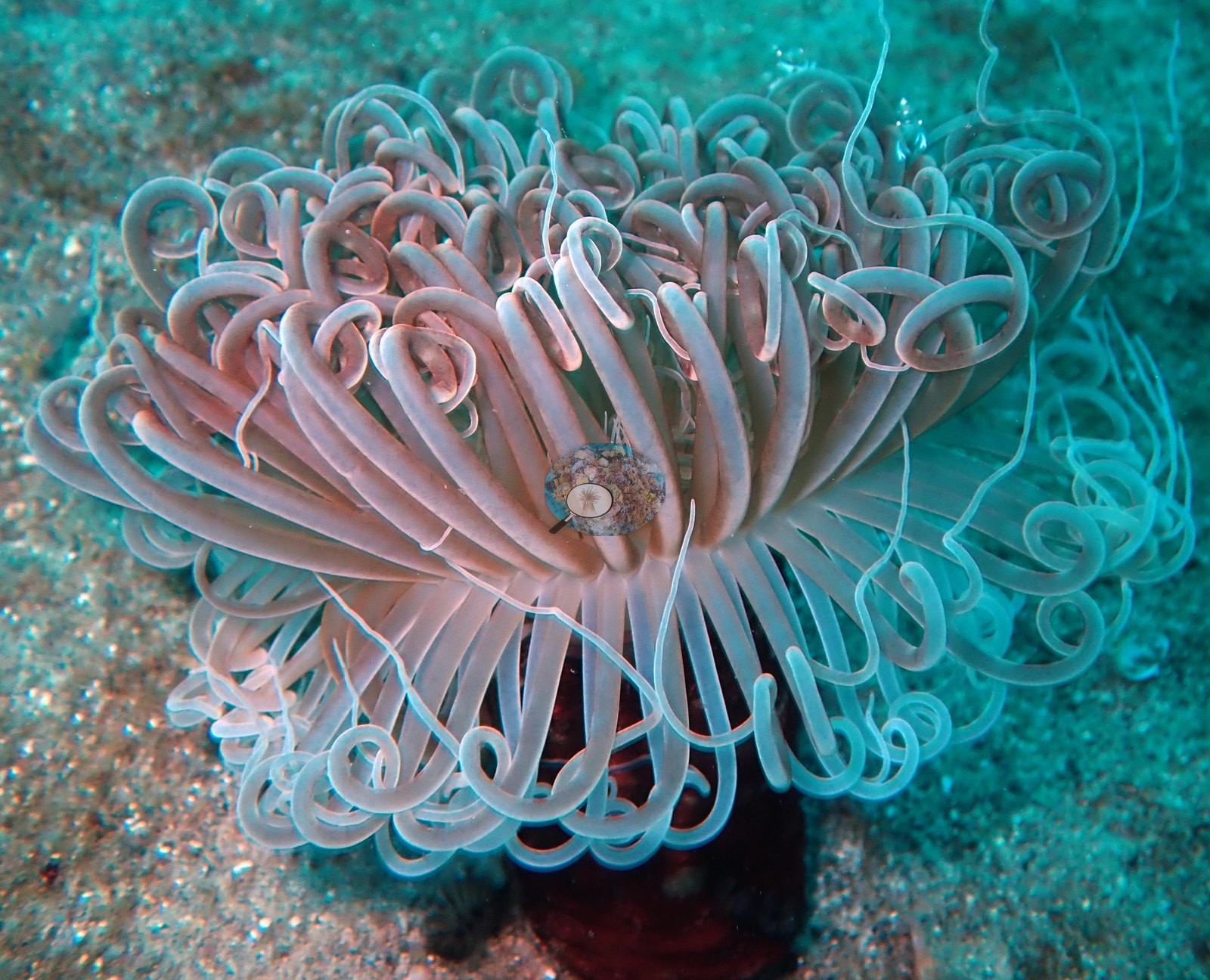
East Nusa Tenggara (NOAA CRW virtual station) · Lesser Sunda ecoregion mean=6.9°C-heating weeksA ripping-current drift in Komodo along a complex wall with 20-40% hard coral, fluorescent green needle corals, and acres of soft corals, with sergeant majors by the thousands and a lush hard and soft coral garden under a pier. Fewer corals were bleached here than at the previous site, and the sandy critter section and night dive nearby held virtually no coral.
Penyelaman arus deras di Komodo di sepanjang dinding yang kompleks dengan 20-40% karang keras, karang jarum hijau menyala, dan hamparan karang lunak yang luas, disertai ribuan ikan sersan mayor serta taman karang keras dan lunak yang subur di bawah dermaga. Karang yang memutih di sini lebih sedikit dibandingkan lokasi sebelumnya, dan area berpasir untuk mencari biota kecil serta penyelaman malam di dekatnya hampir tidak memiliki karang sama sekali.
Terjemahan ringkasan ini oleh AI; versi bahasa Inggris yang berlaku.
One other CRD dive site within 5 km shown in orange — click a marker to open its page.
5 of these 50 photographs are shown beside the text that discusses them under "Site description" below.
Site description
Setting
A ripping current dive. We kept getting swept off the main wall part of the reef, but we eventually encountered corals (hard and soft) as we drifted along. 10 m viz. 24-25ºC. We actually had to relocate after 1-2 minutes to find a place with less current. Reef ended at 15-17 m in most places, but extended down to 25-30 m in one particularly lush area. Reef ended in sand so struggled to stay on it. Very calm, 25ºC, 10-m viz.
General benthic features
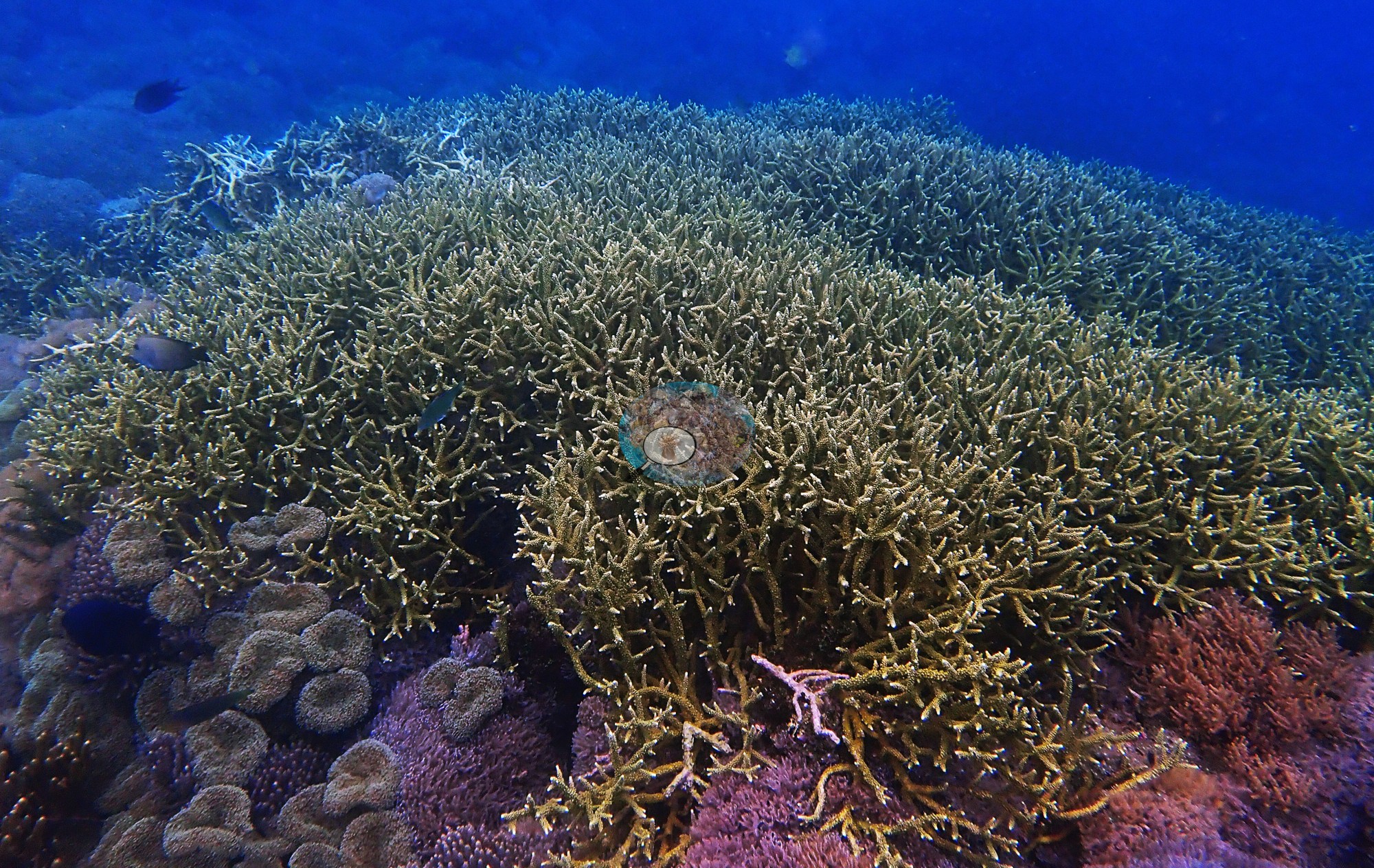
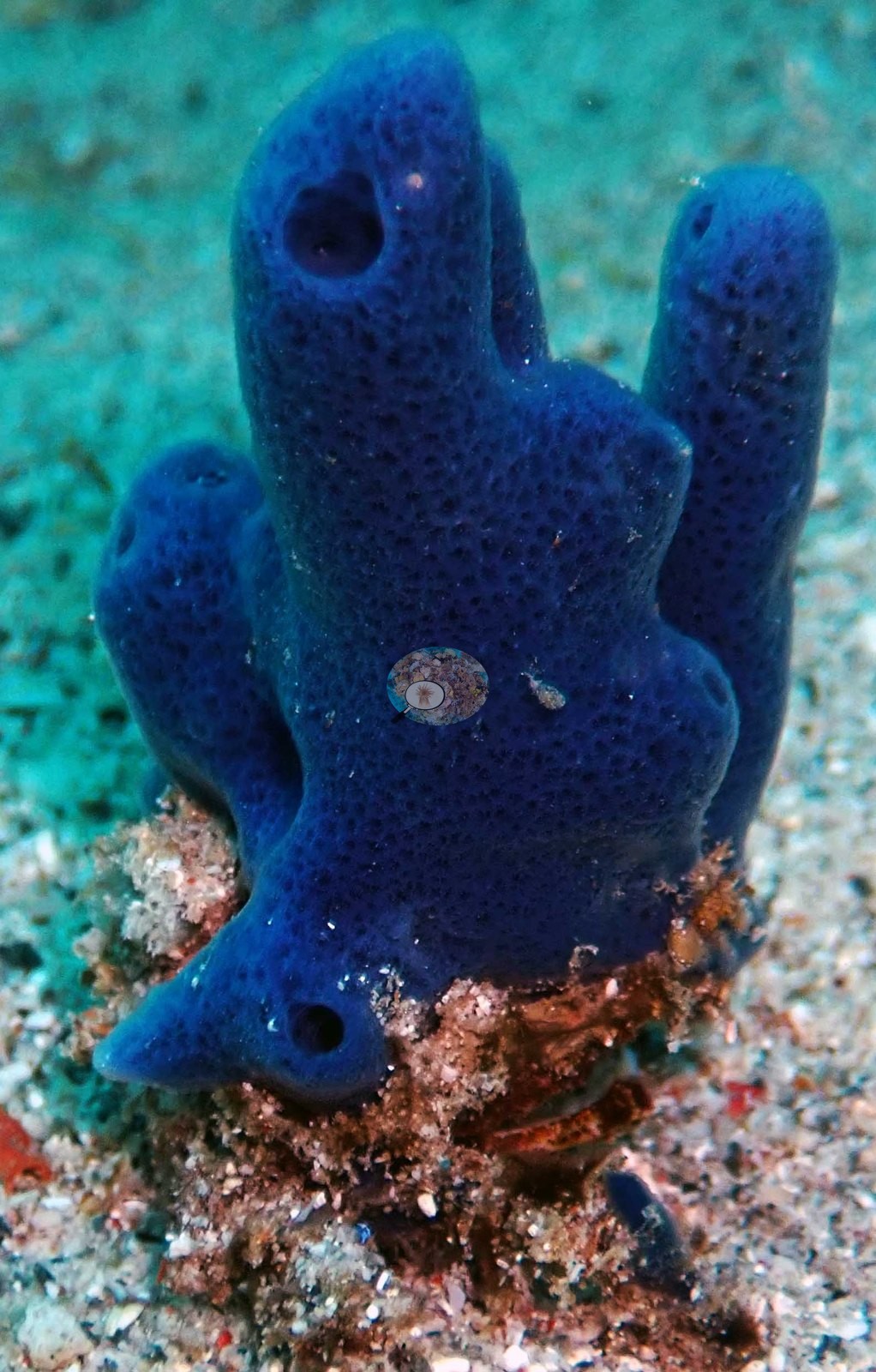
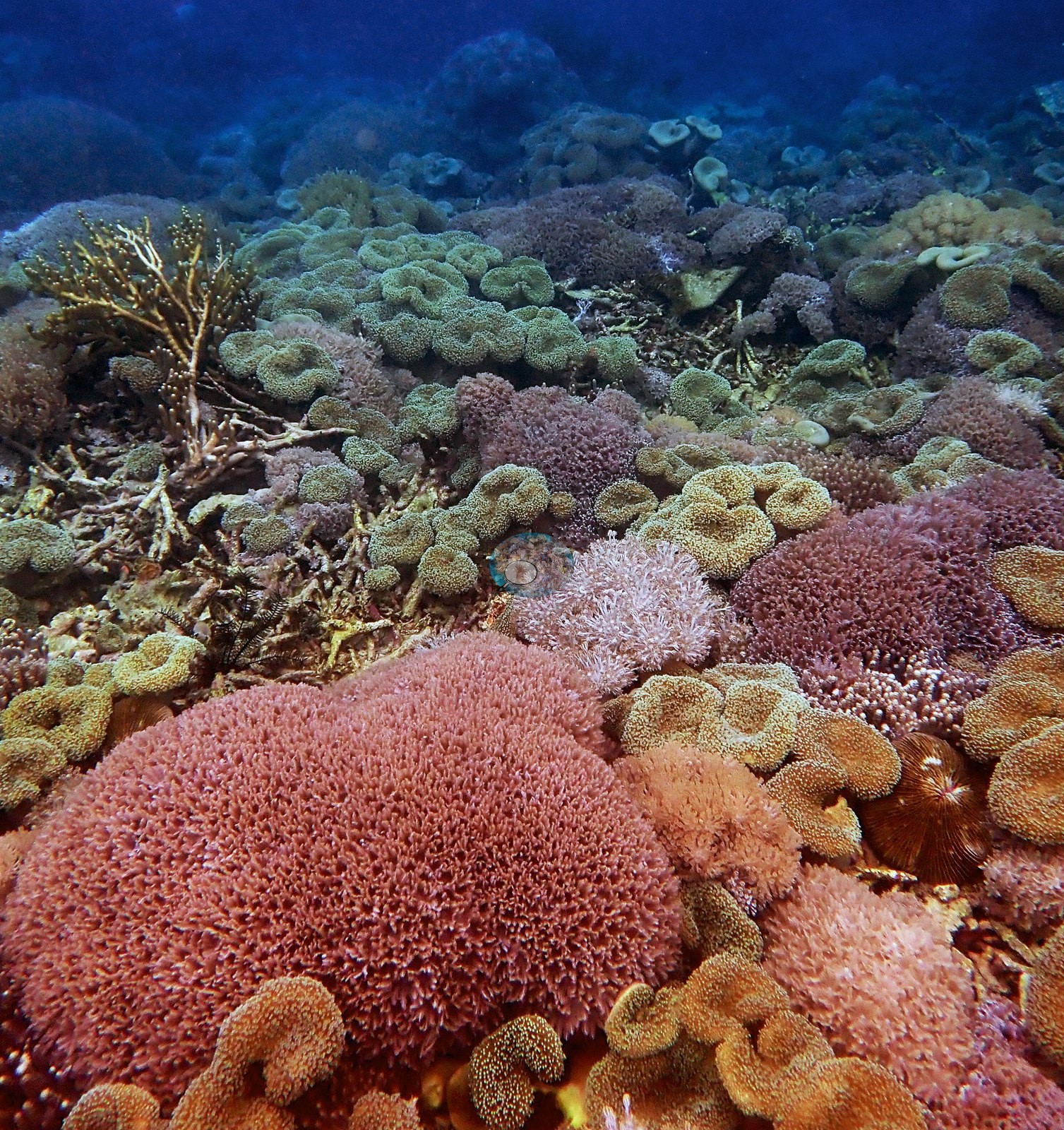
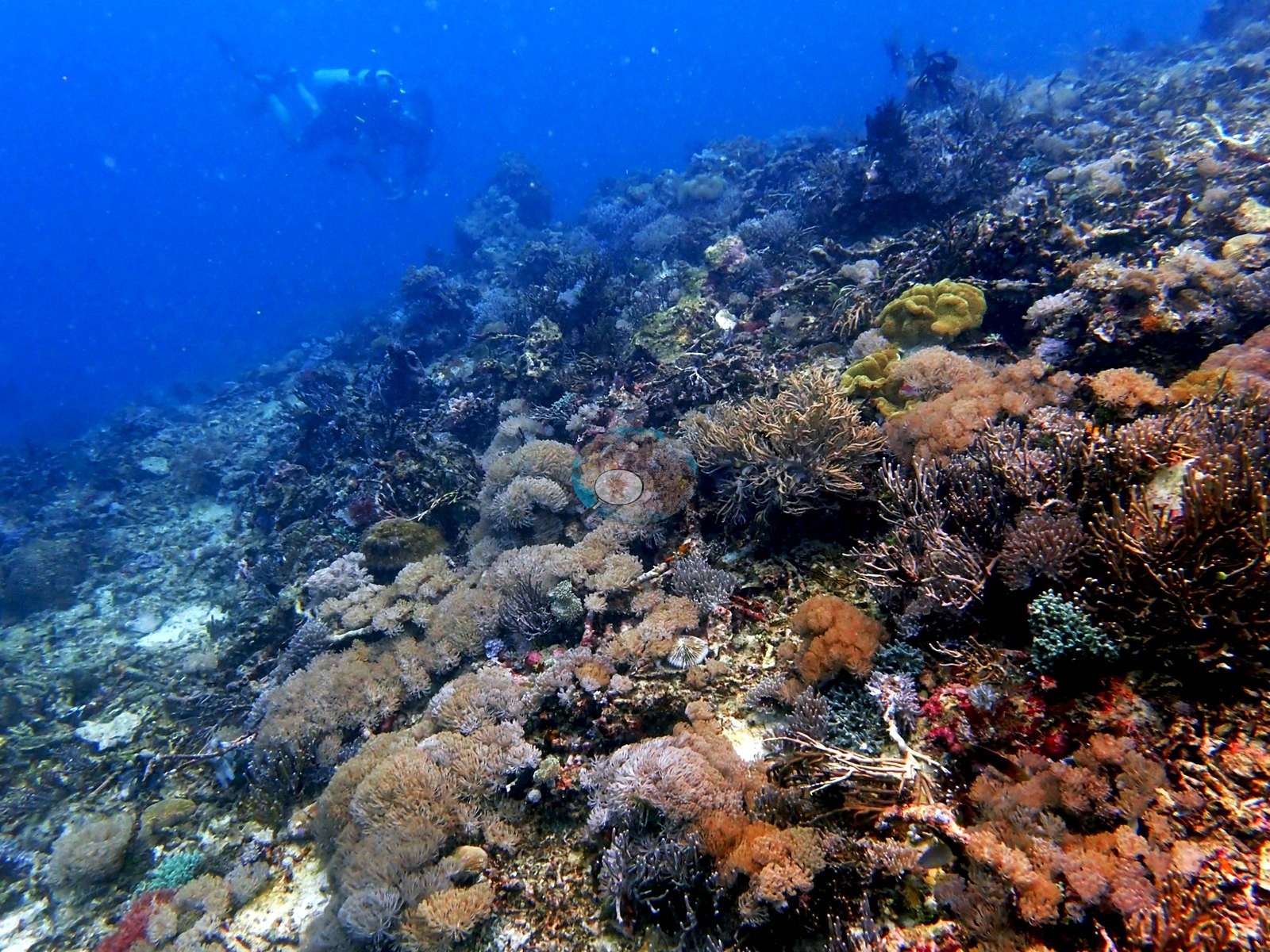
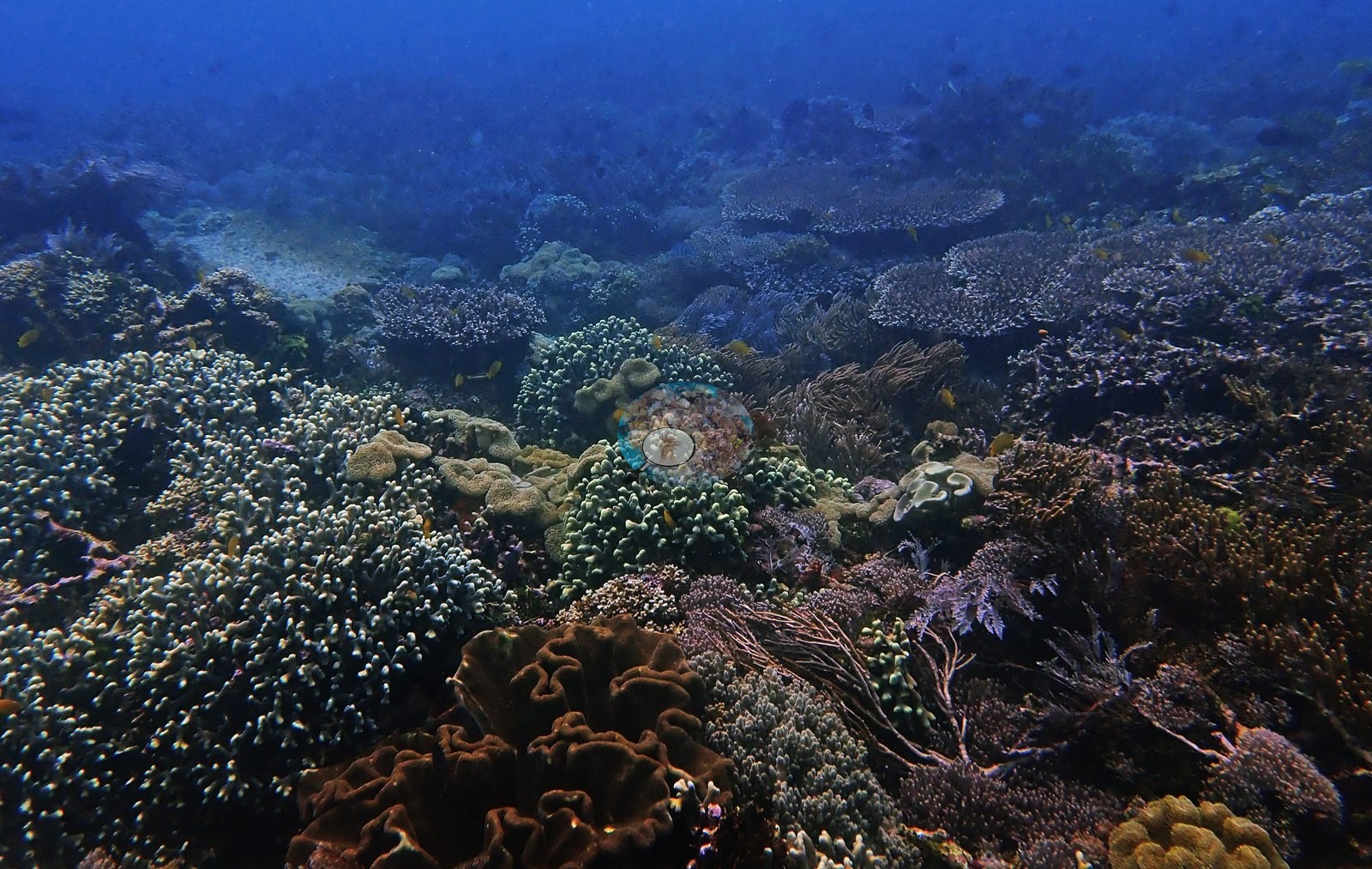
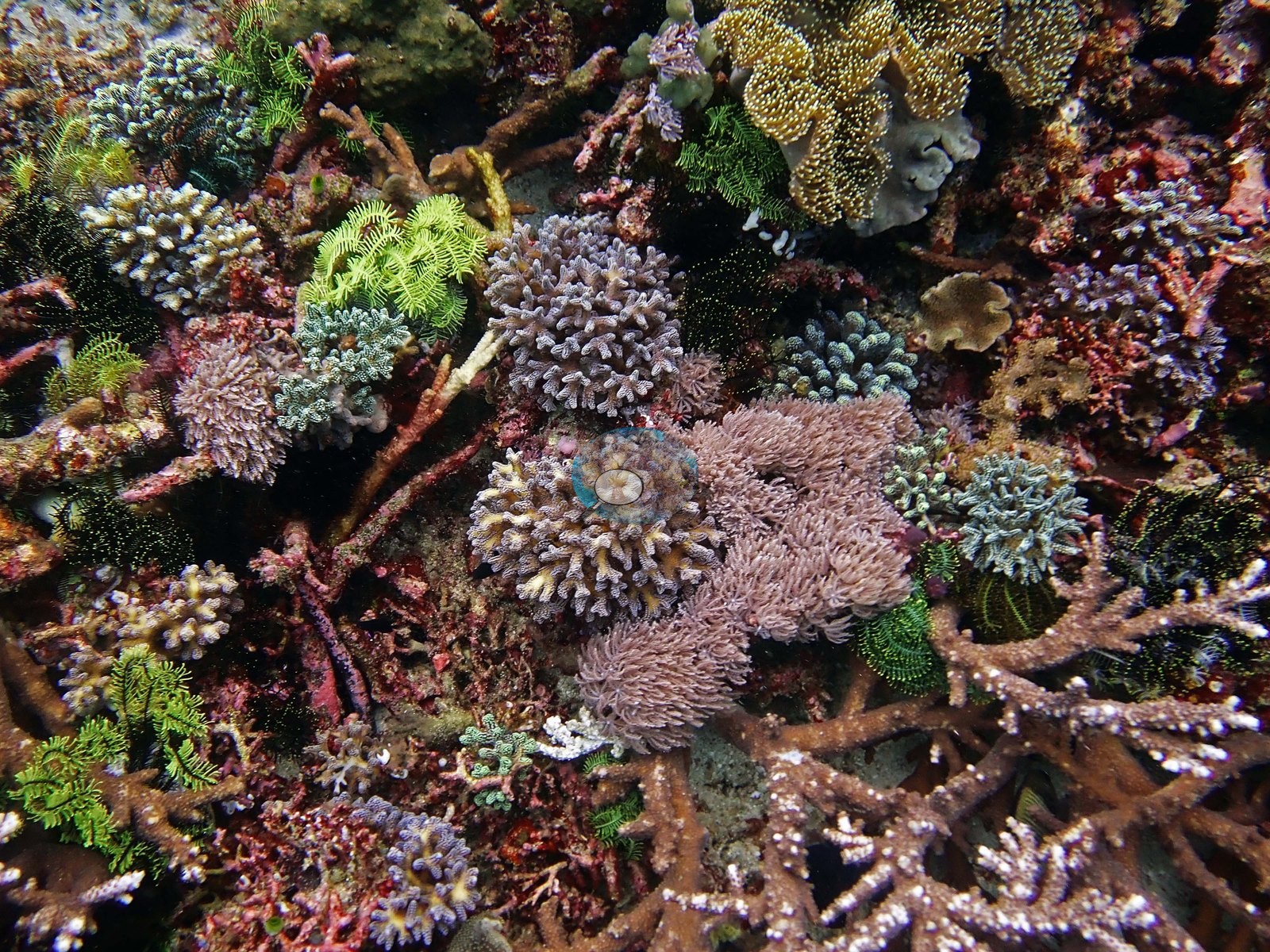
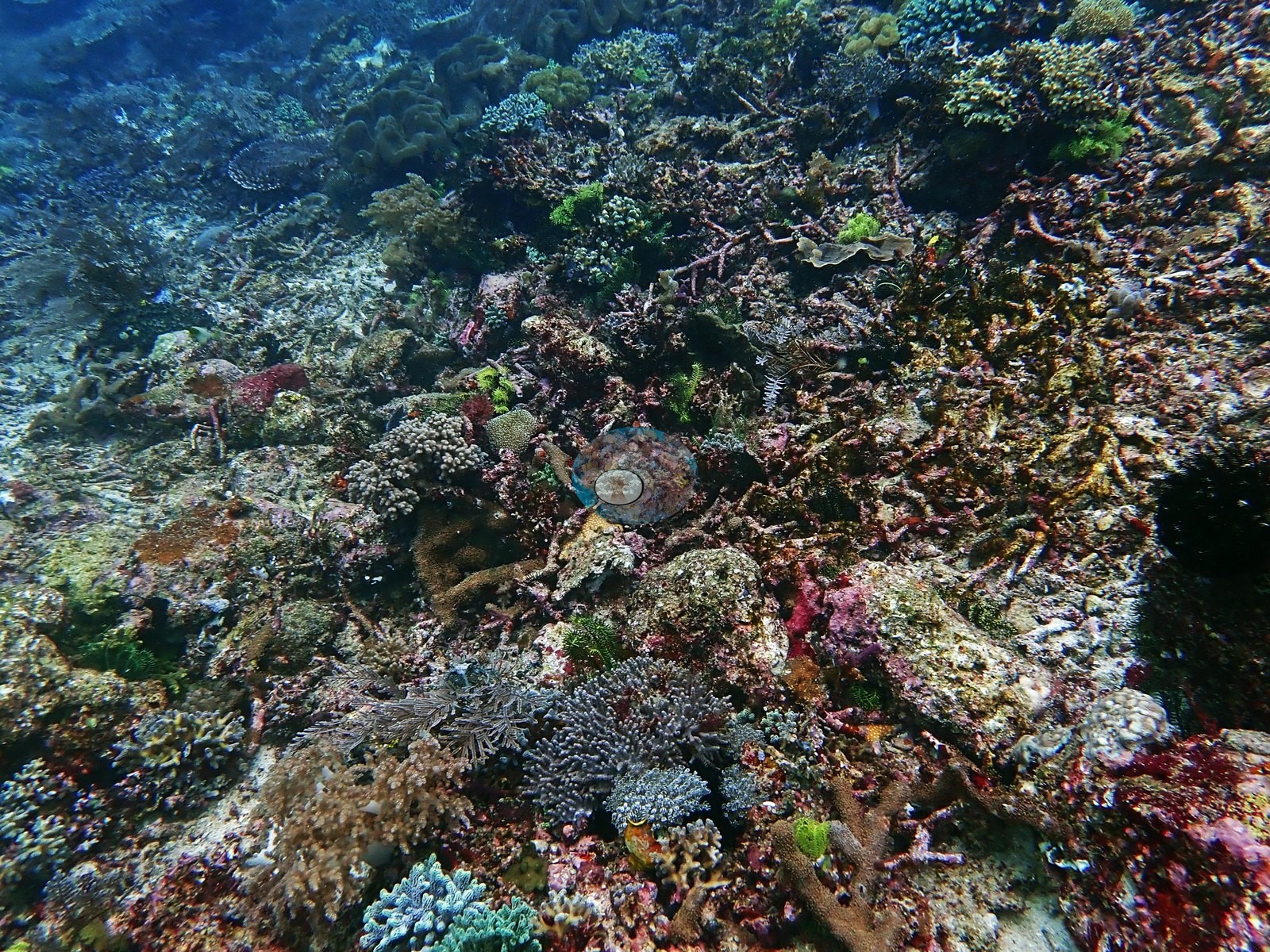
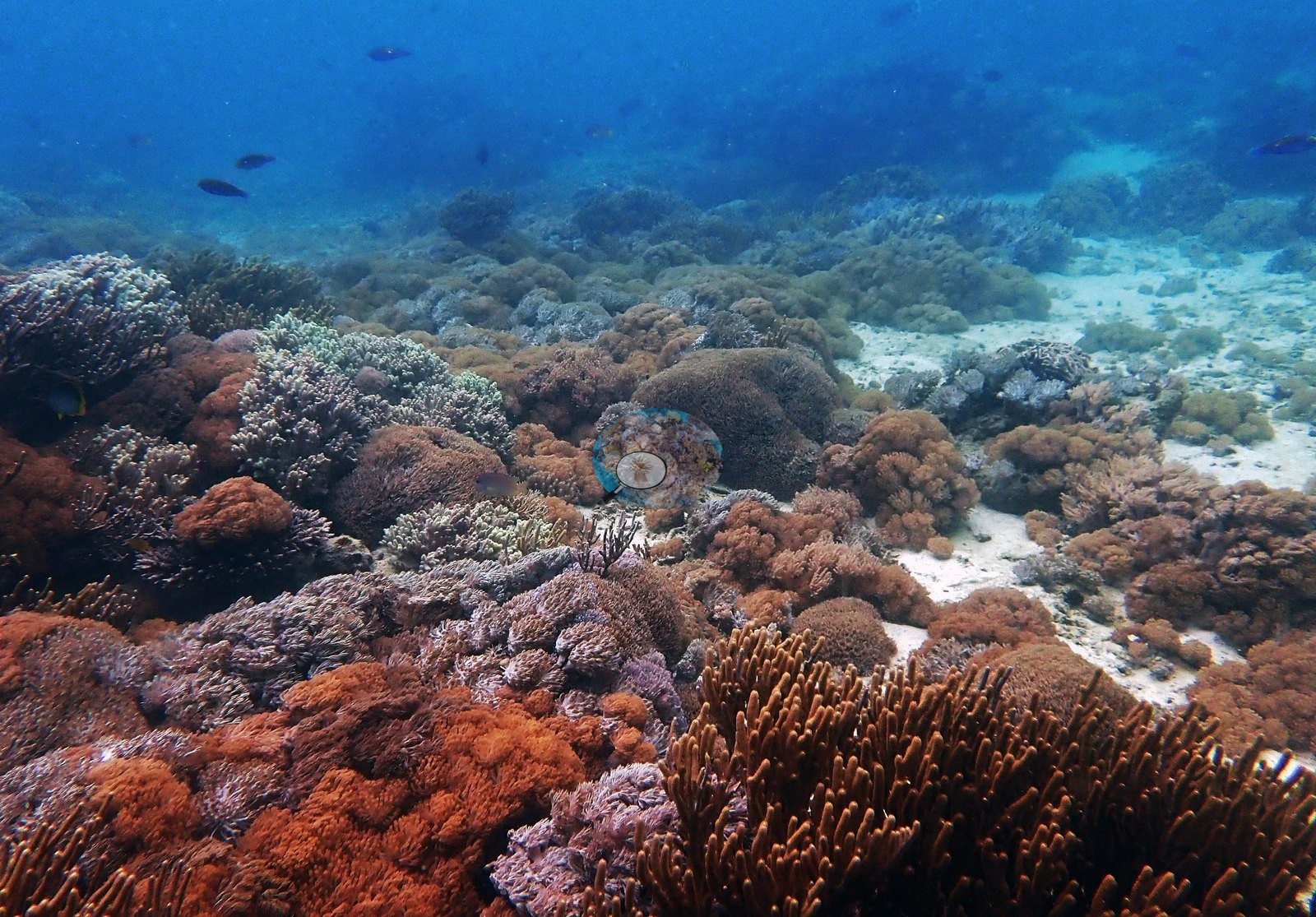
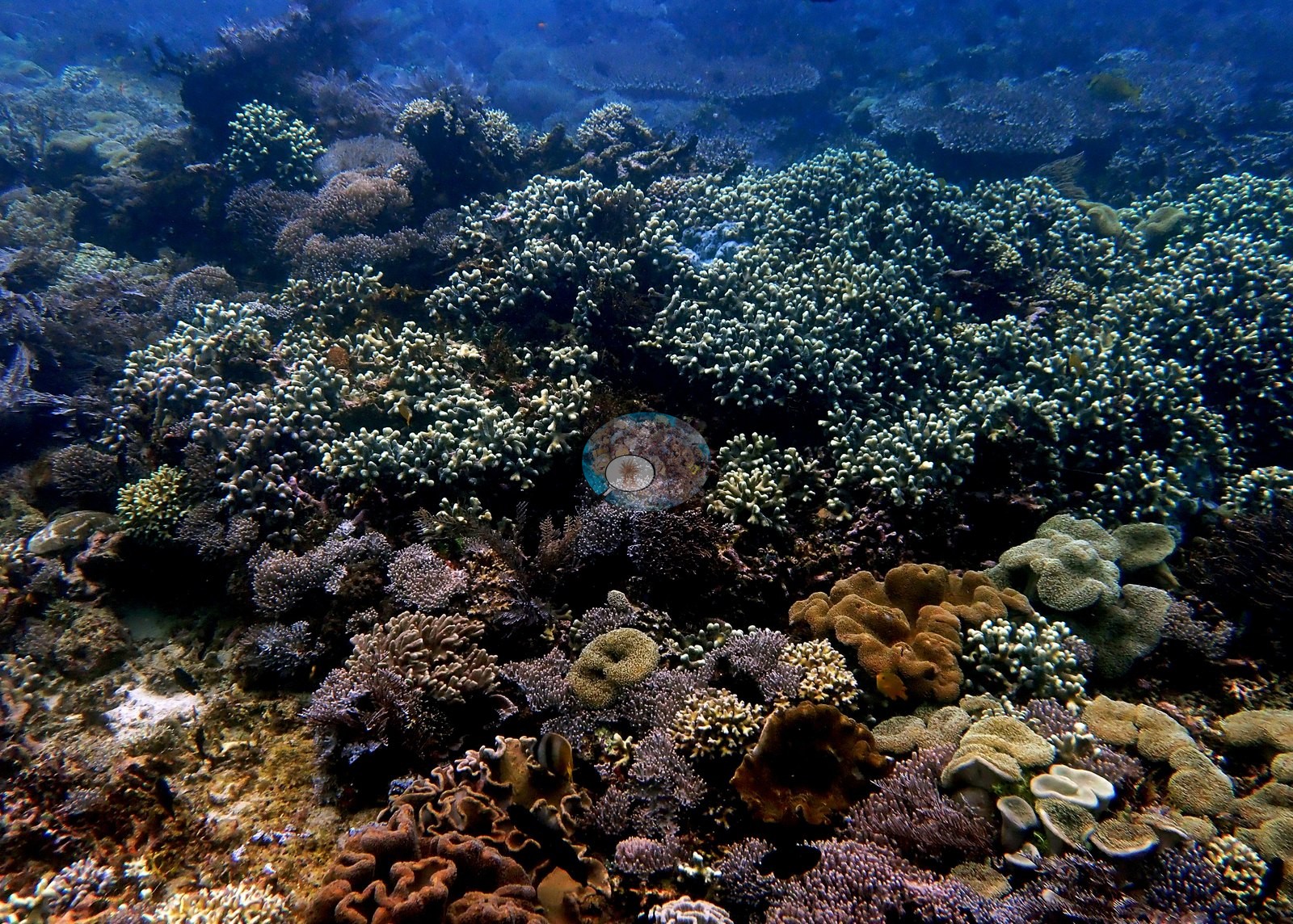
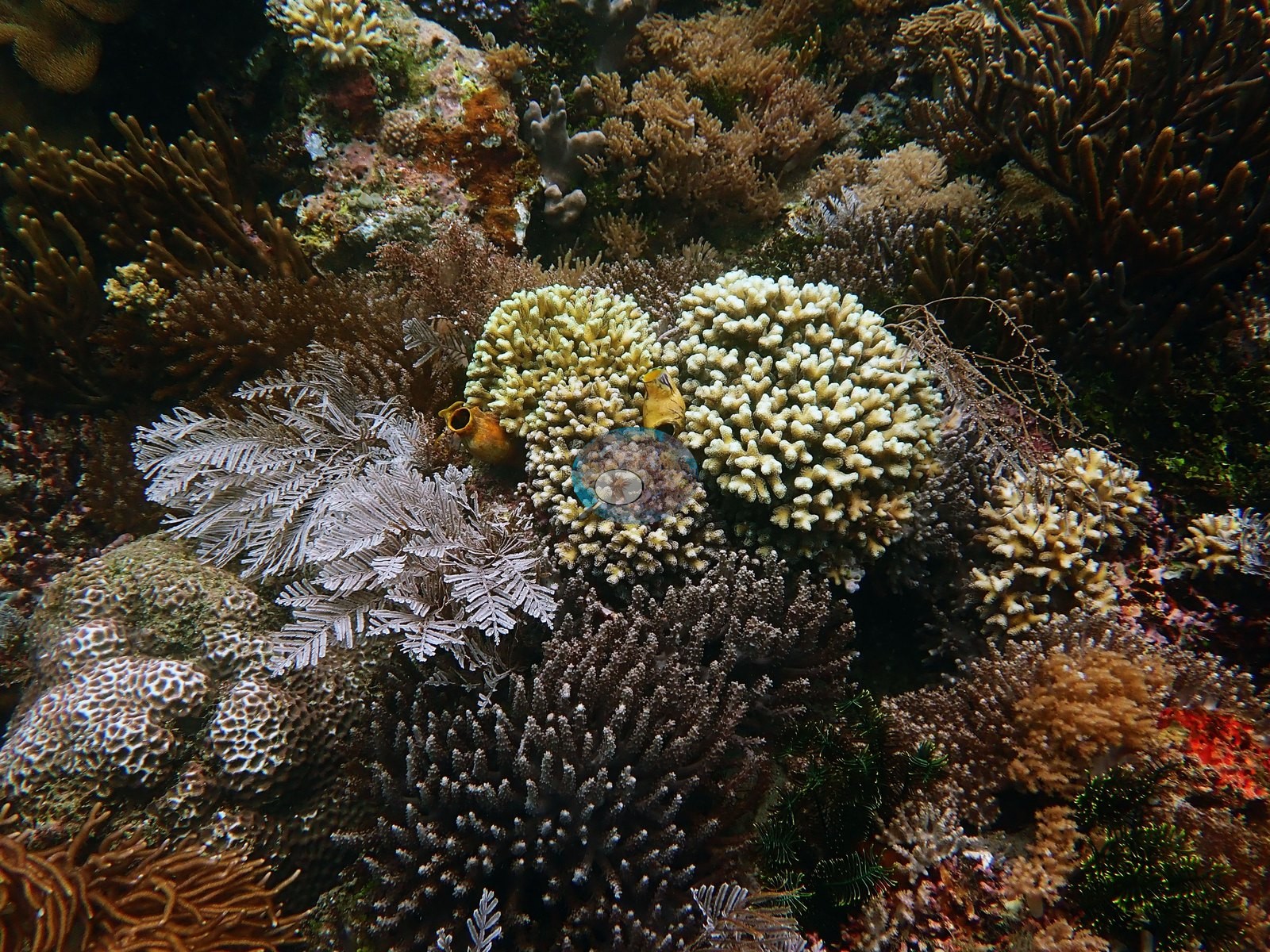
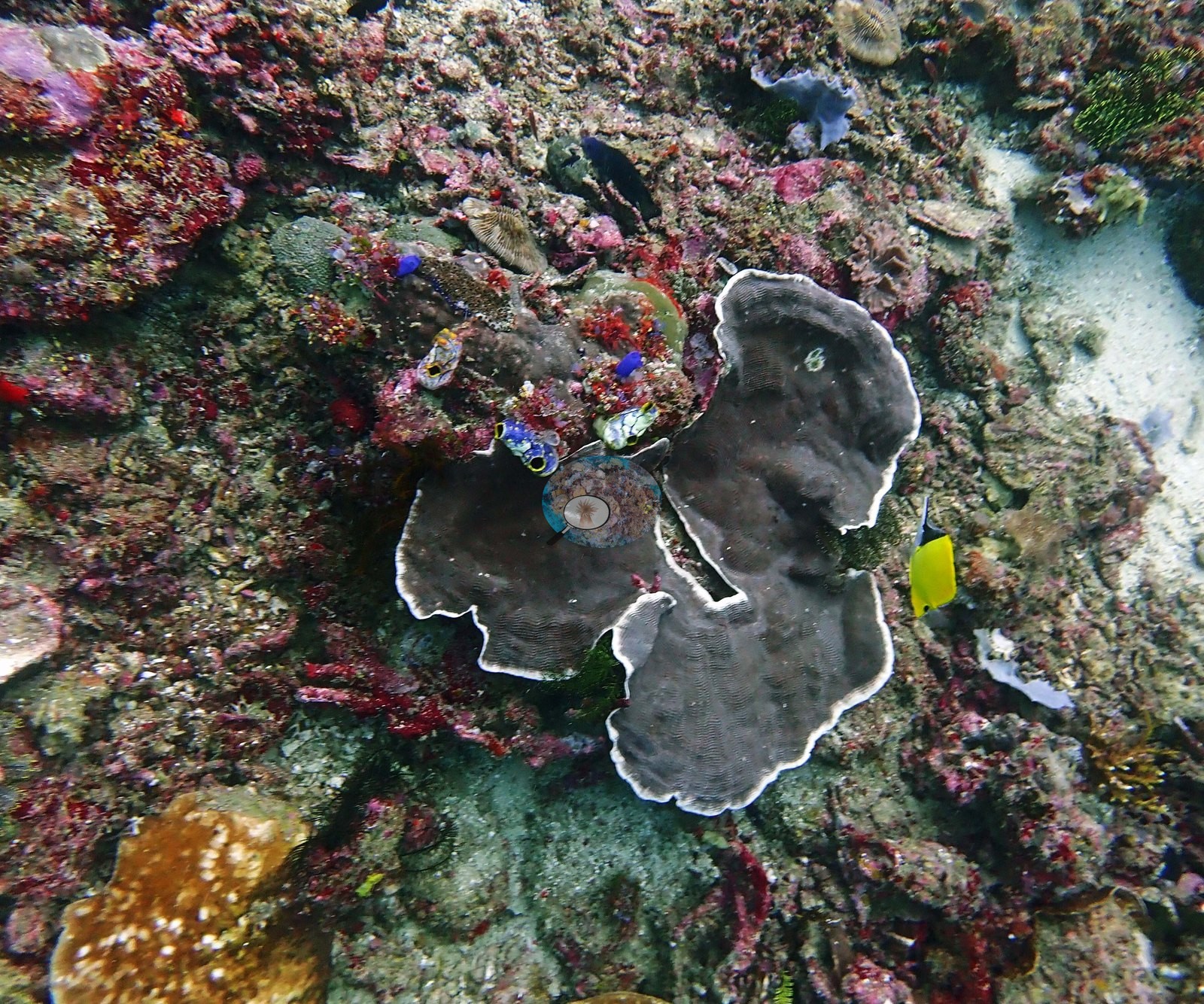
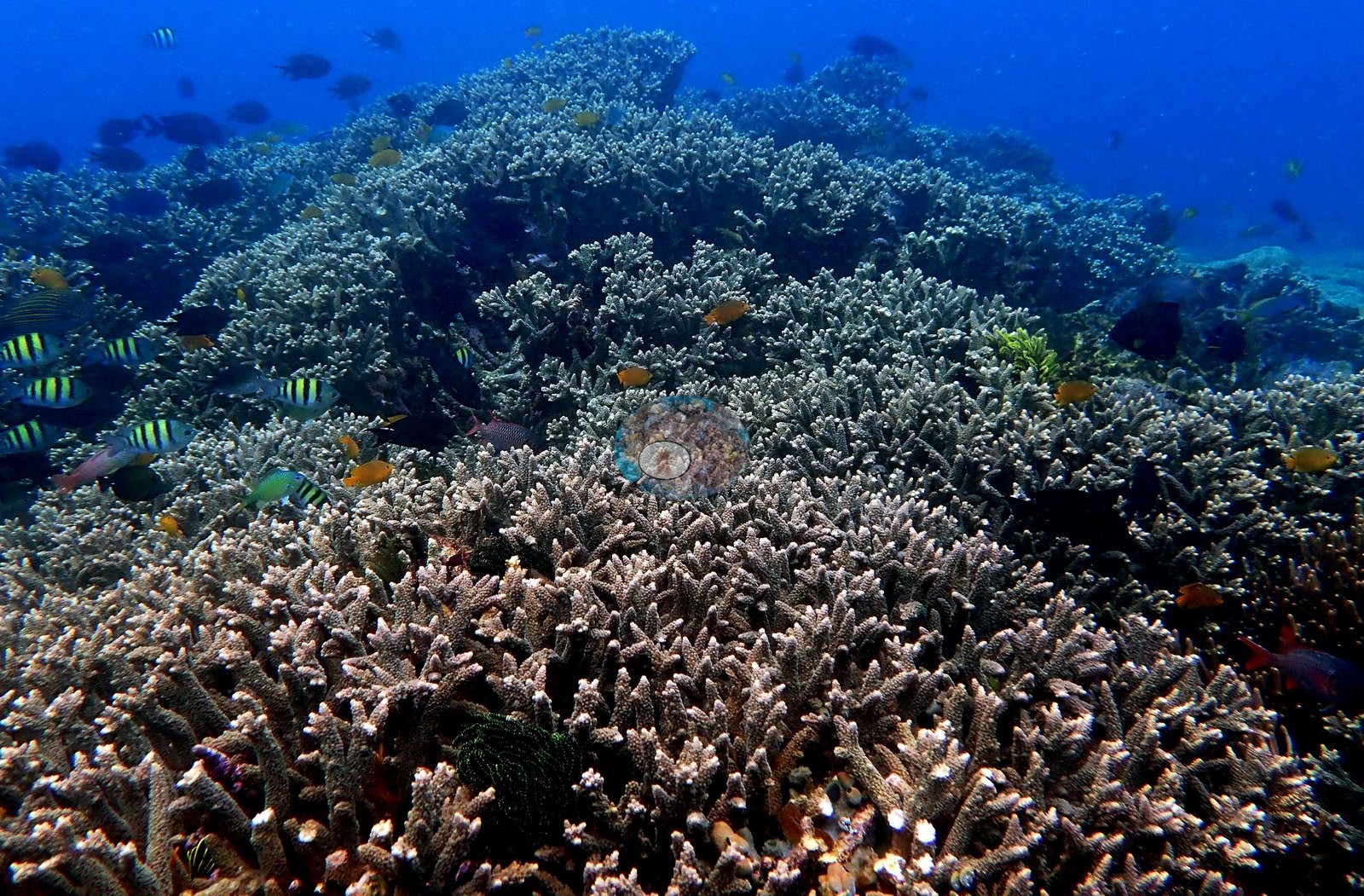
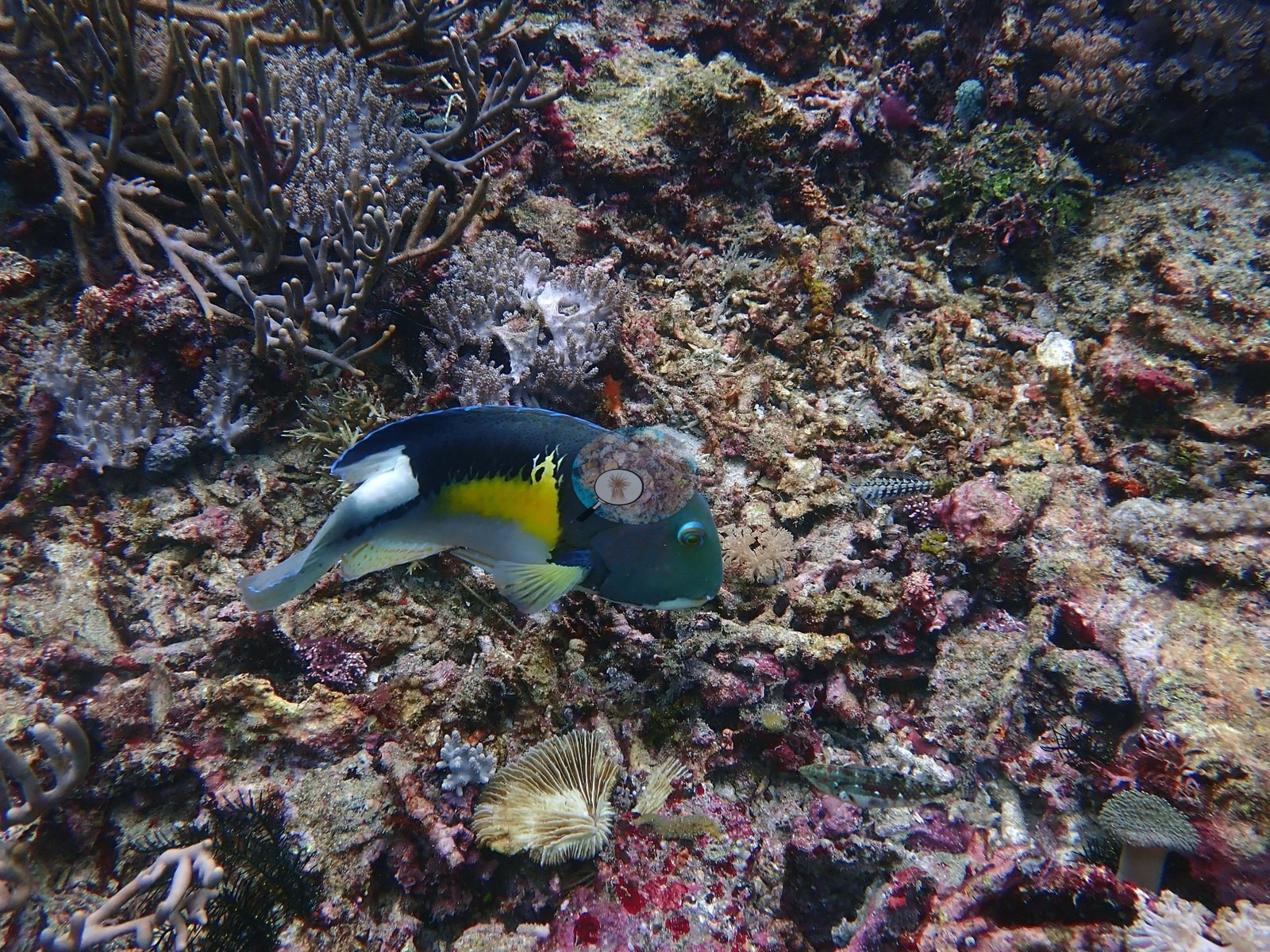
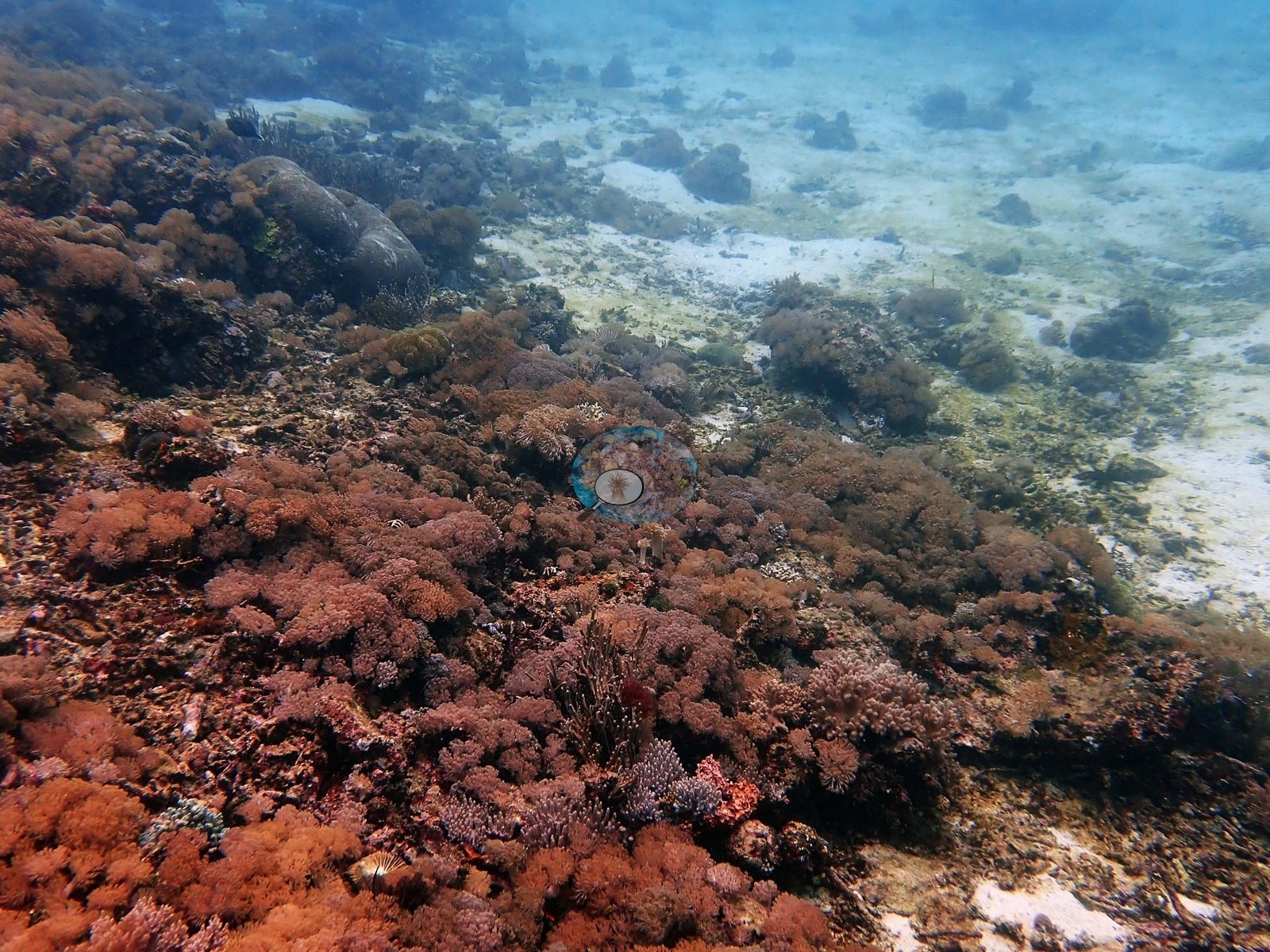
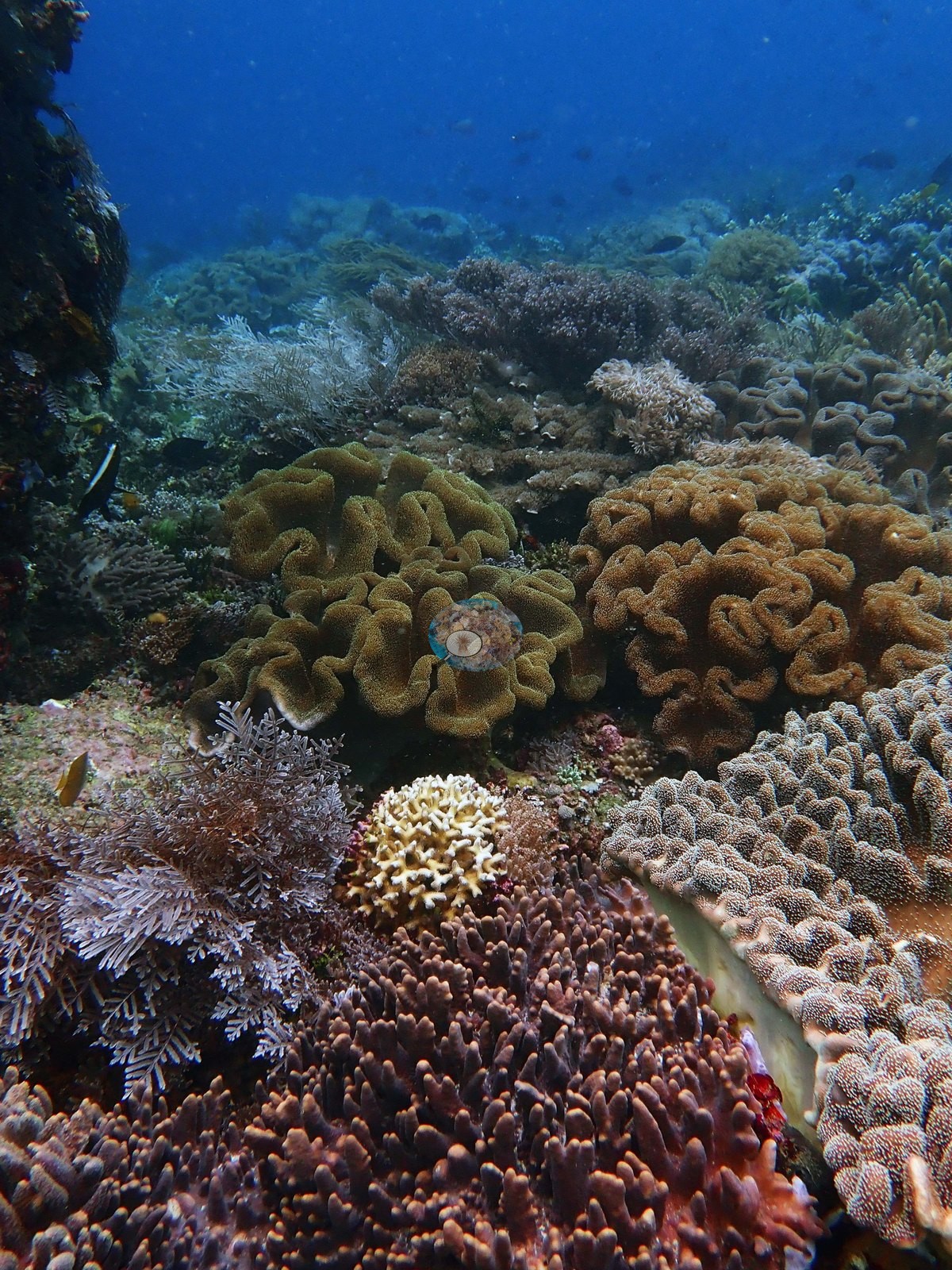
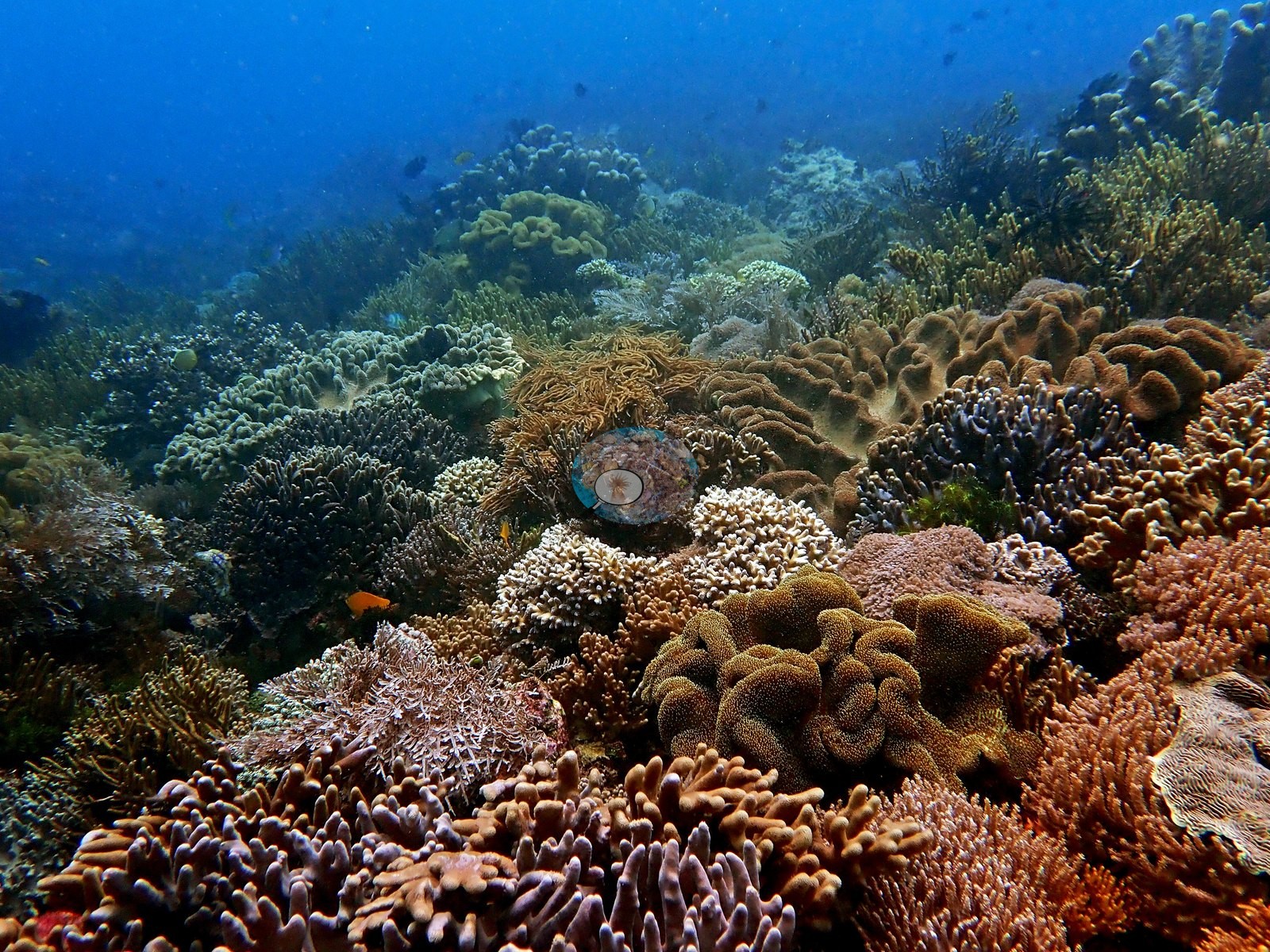
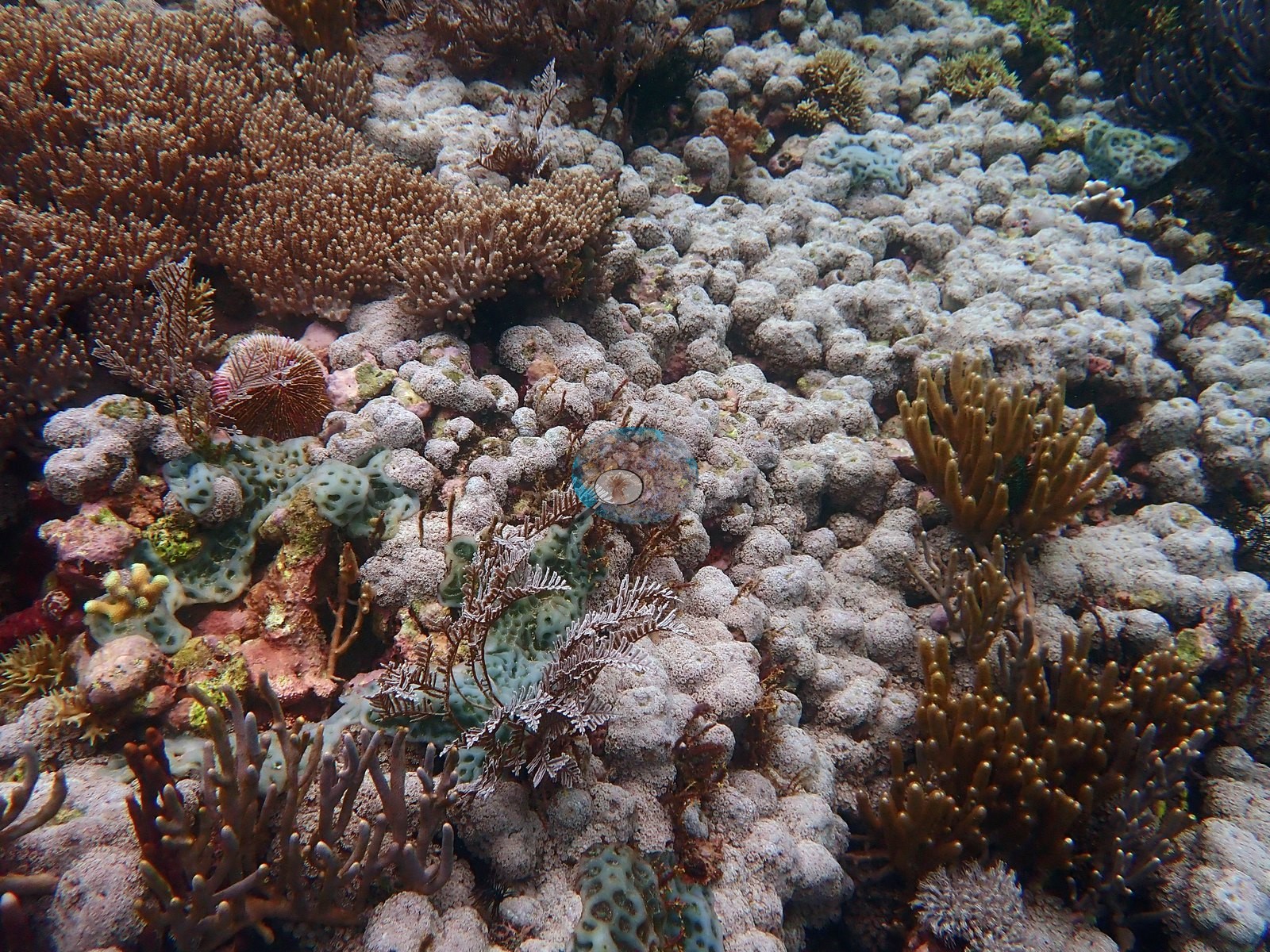
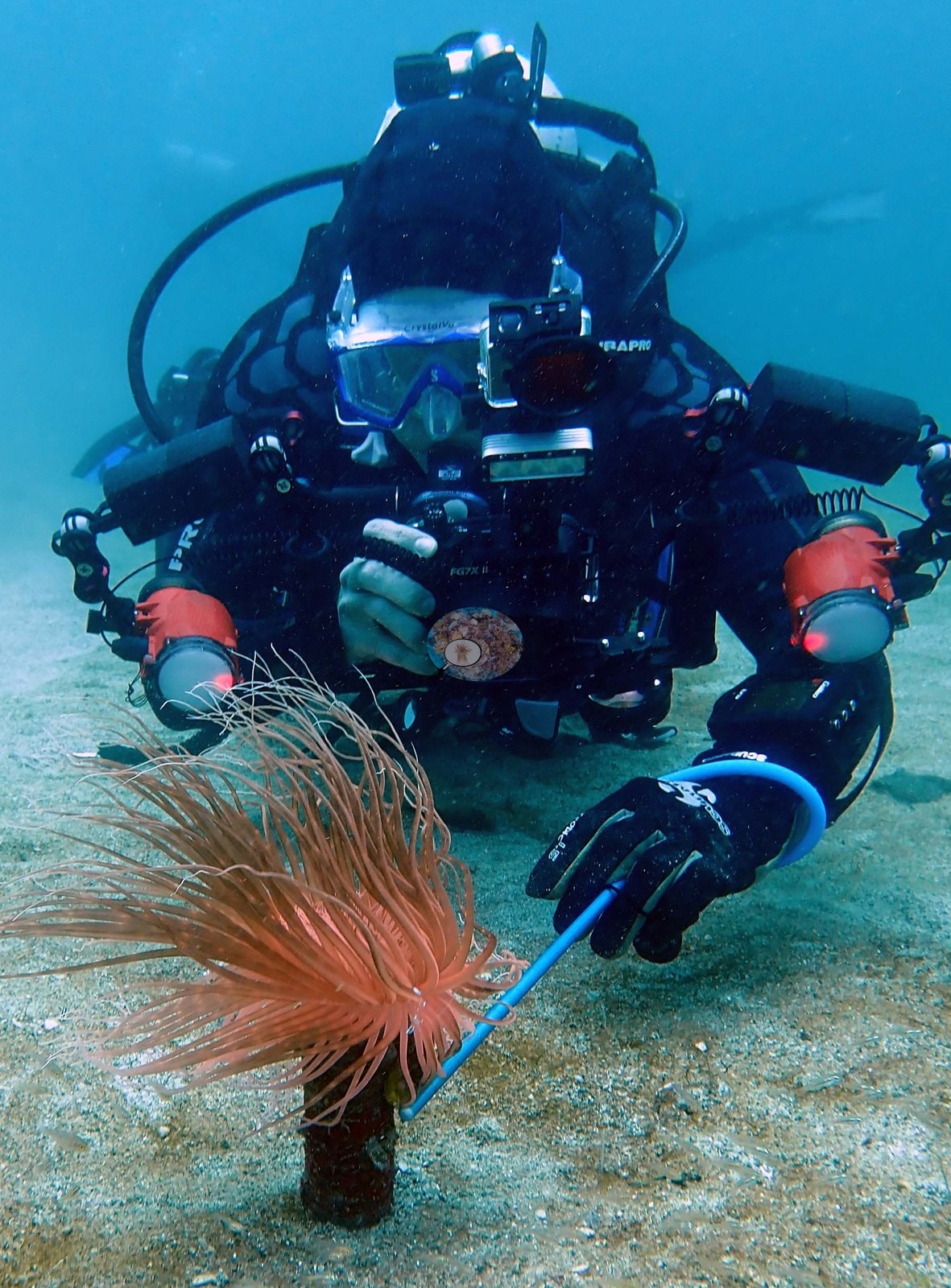
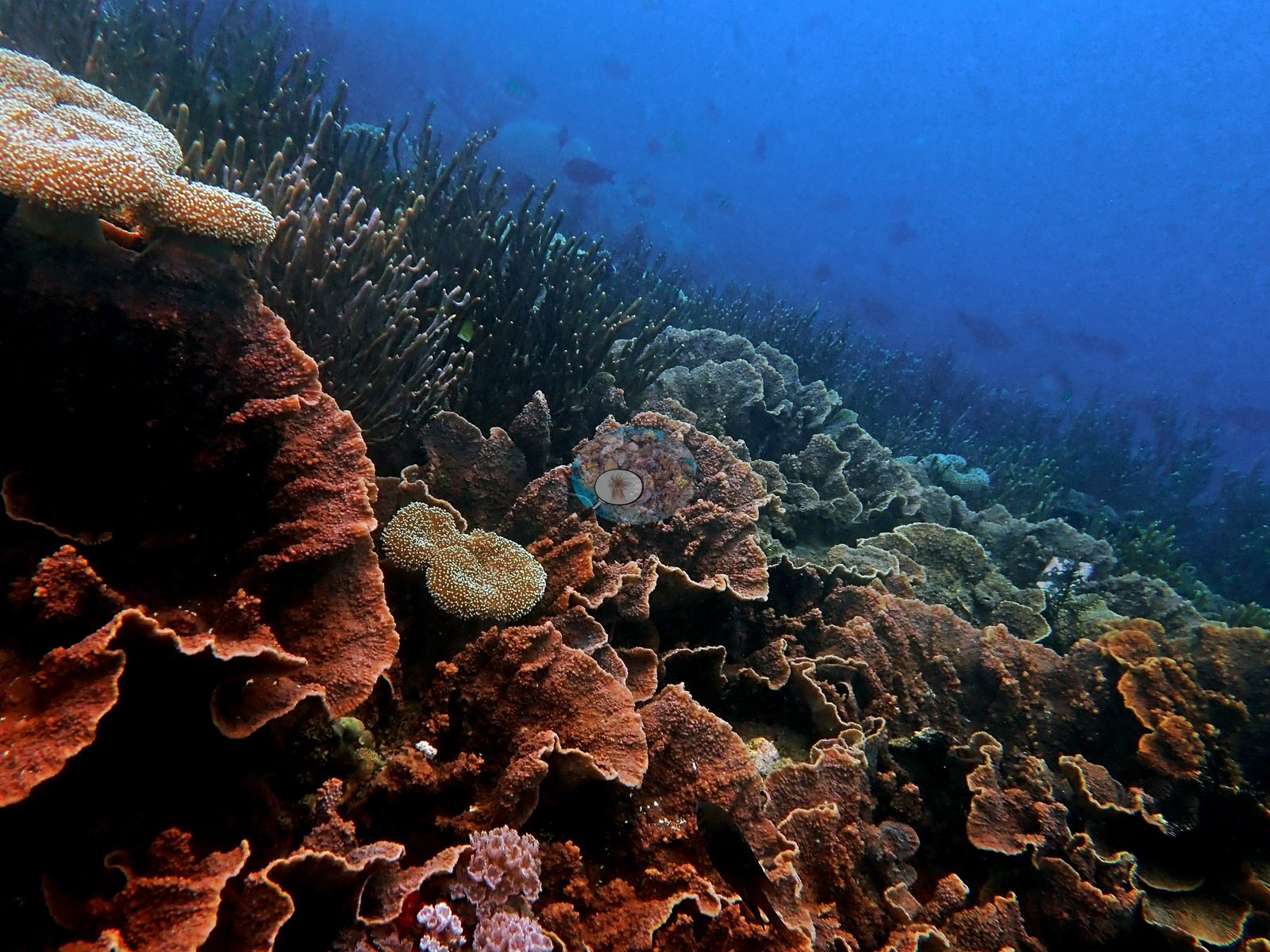
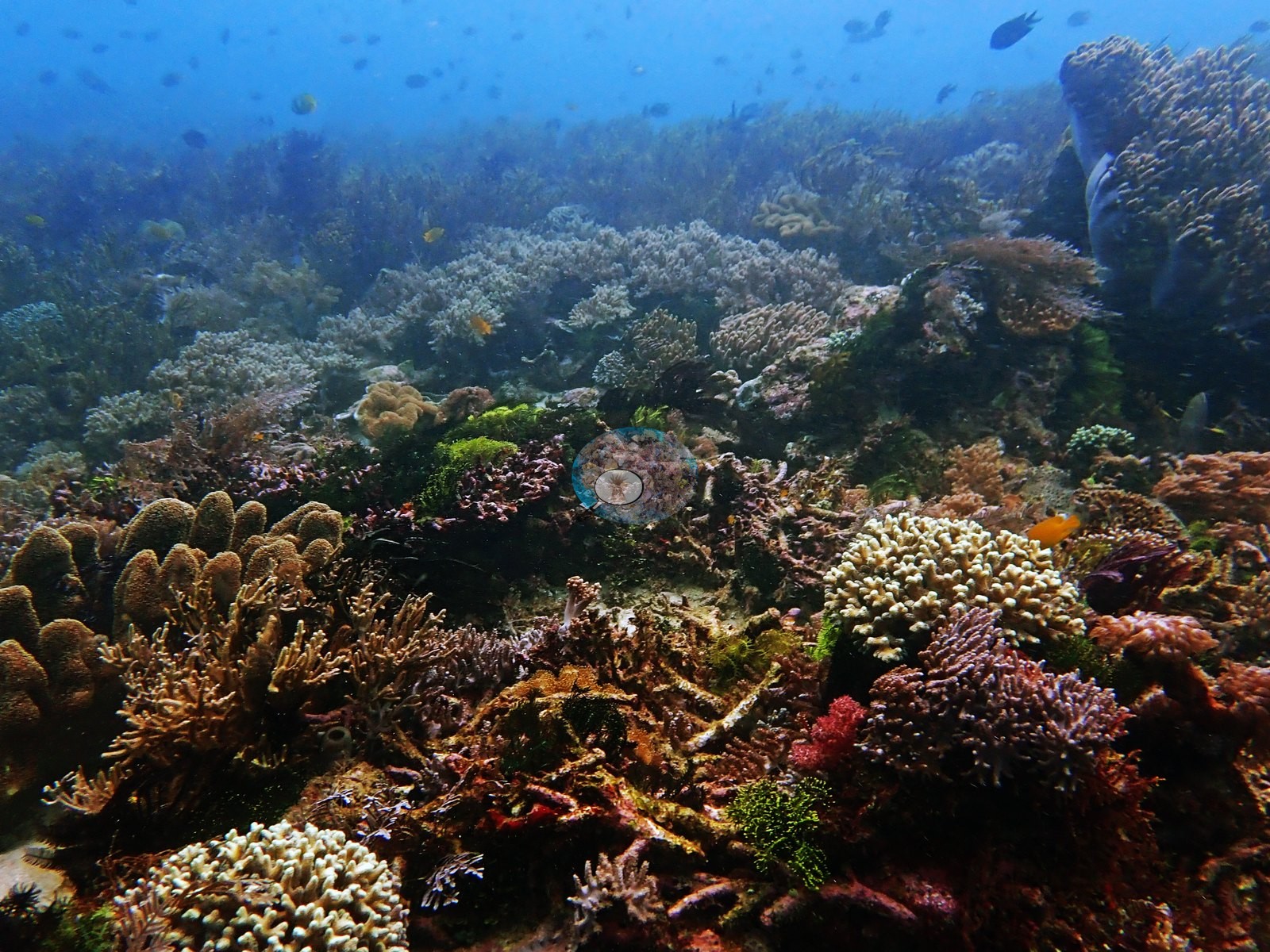
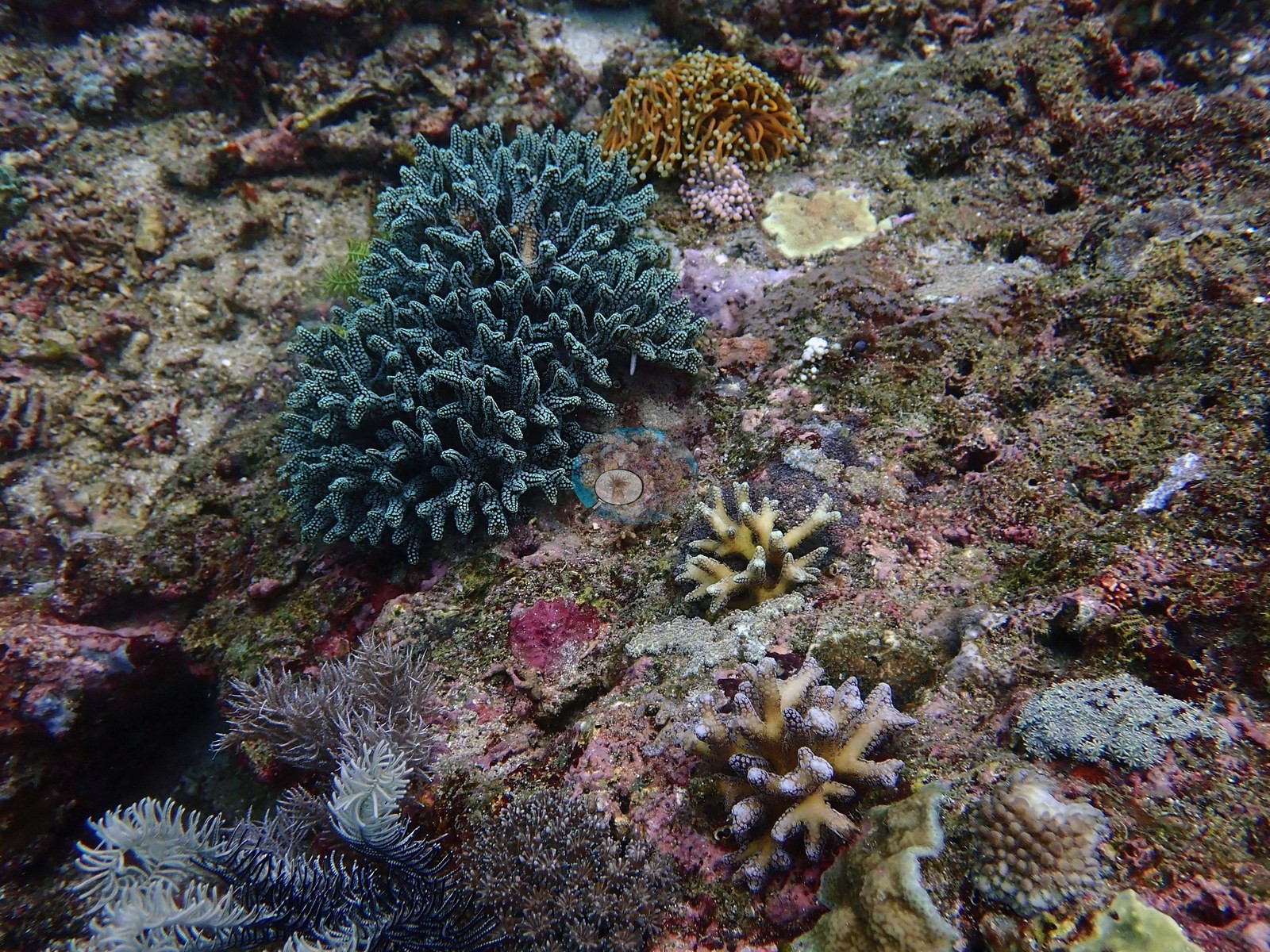
Seriatopora caliendrum and Stylophora pistillata among most common corals at site (e.g., Image 1, Image 3).
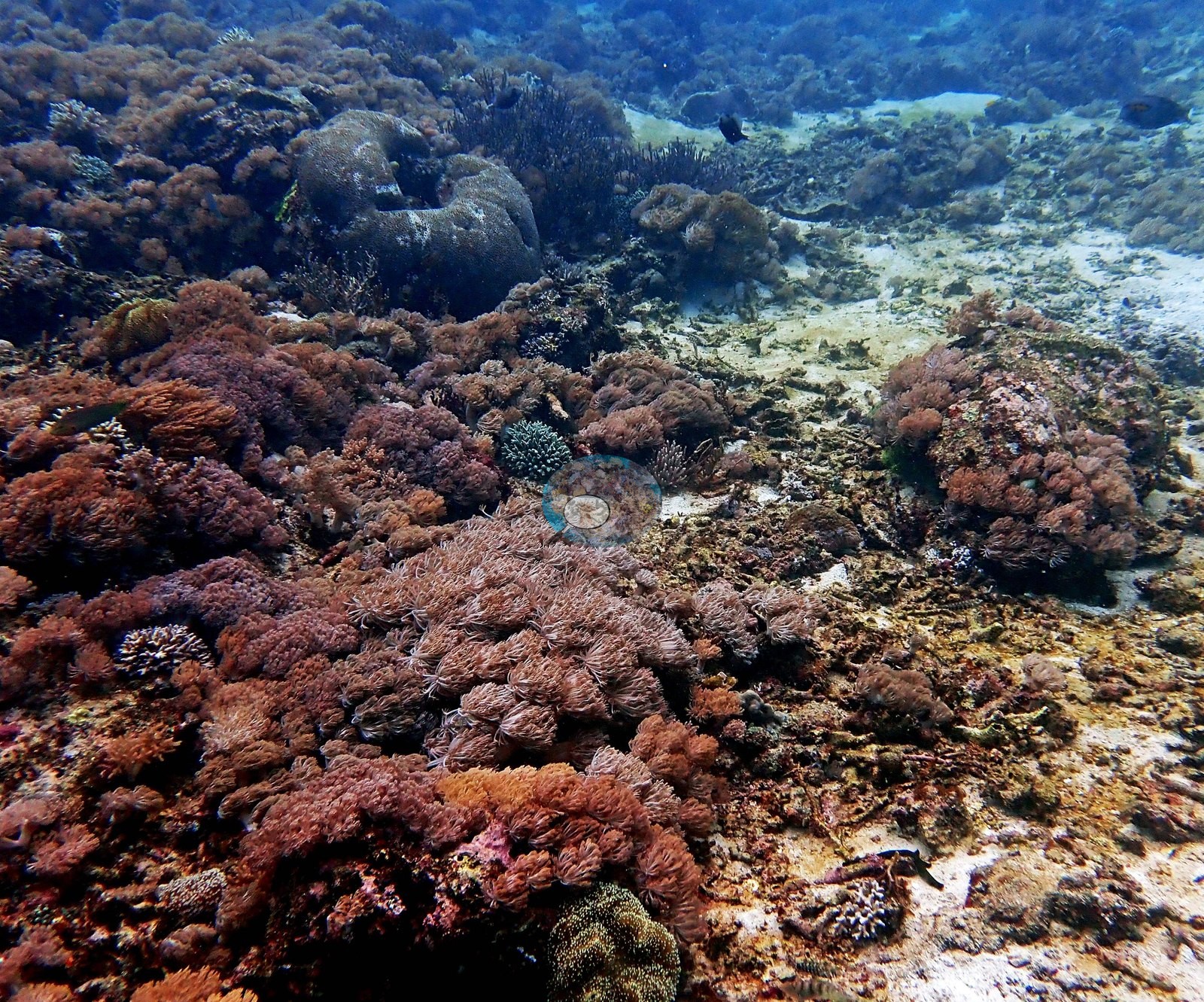
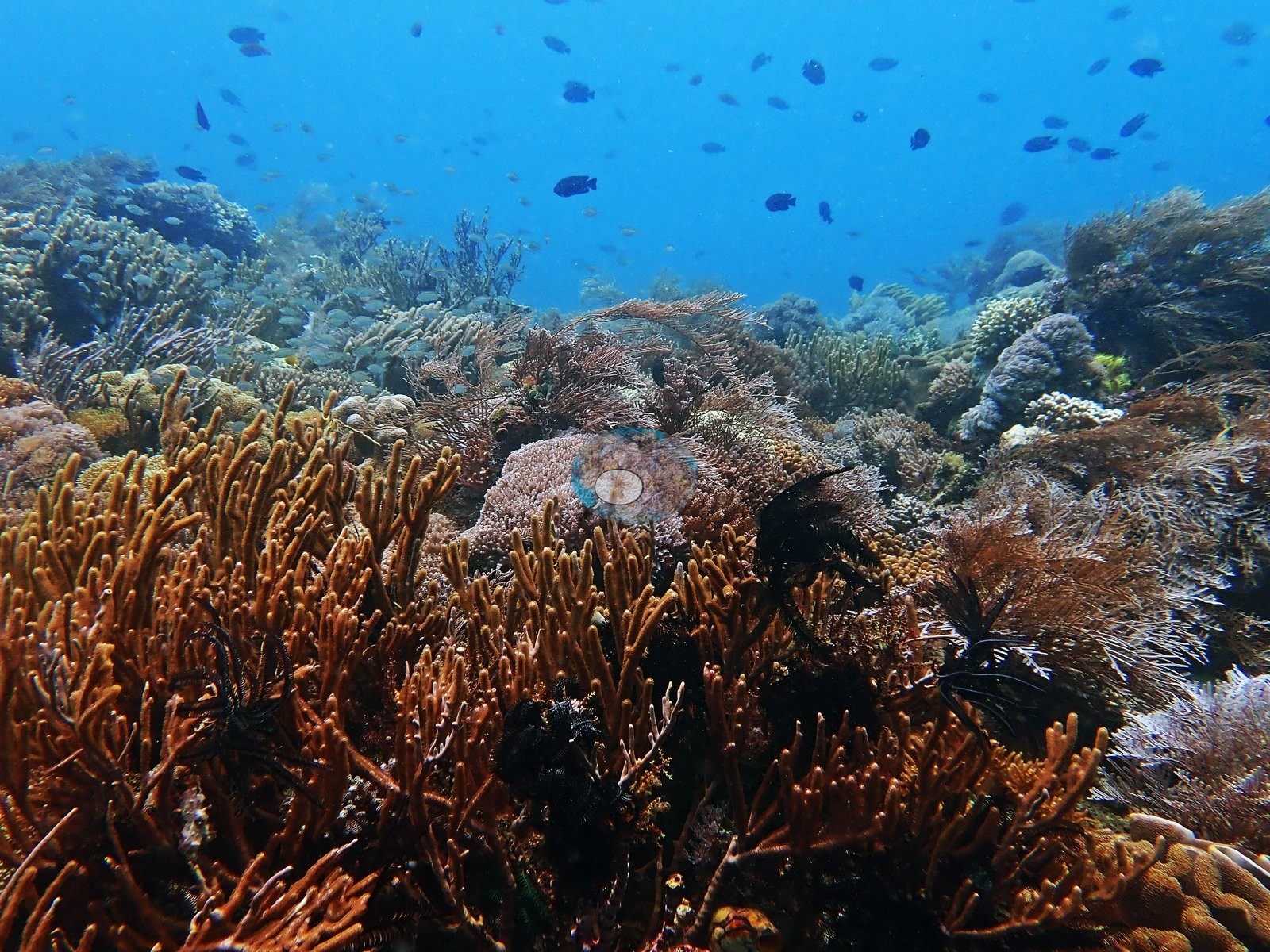
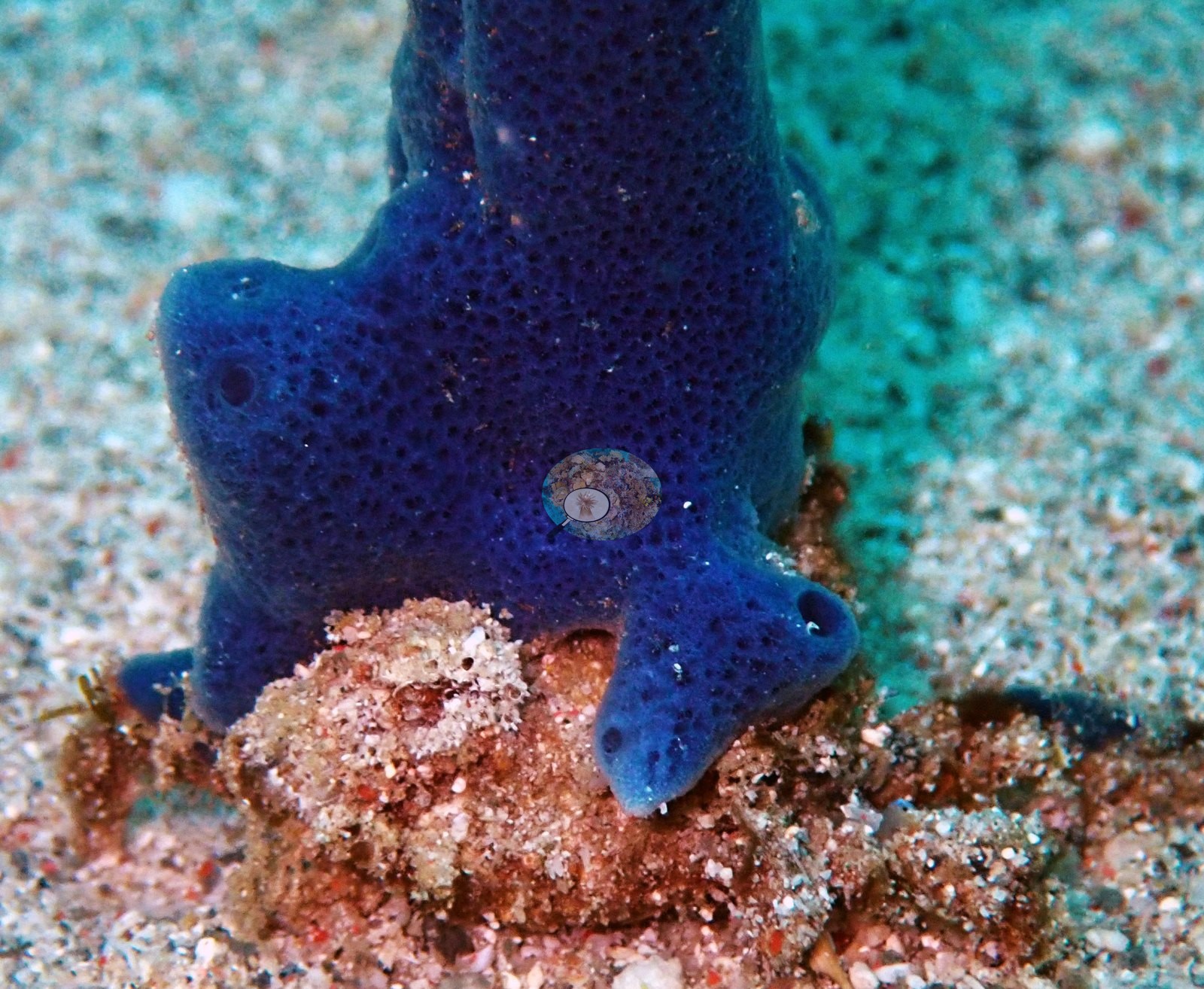
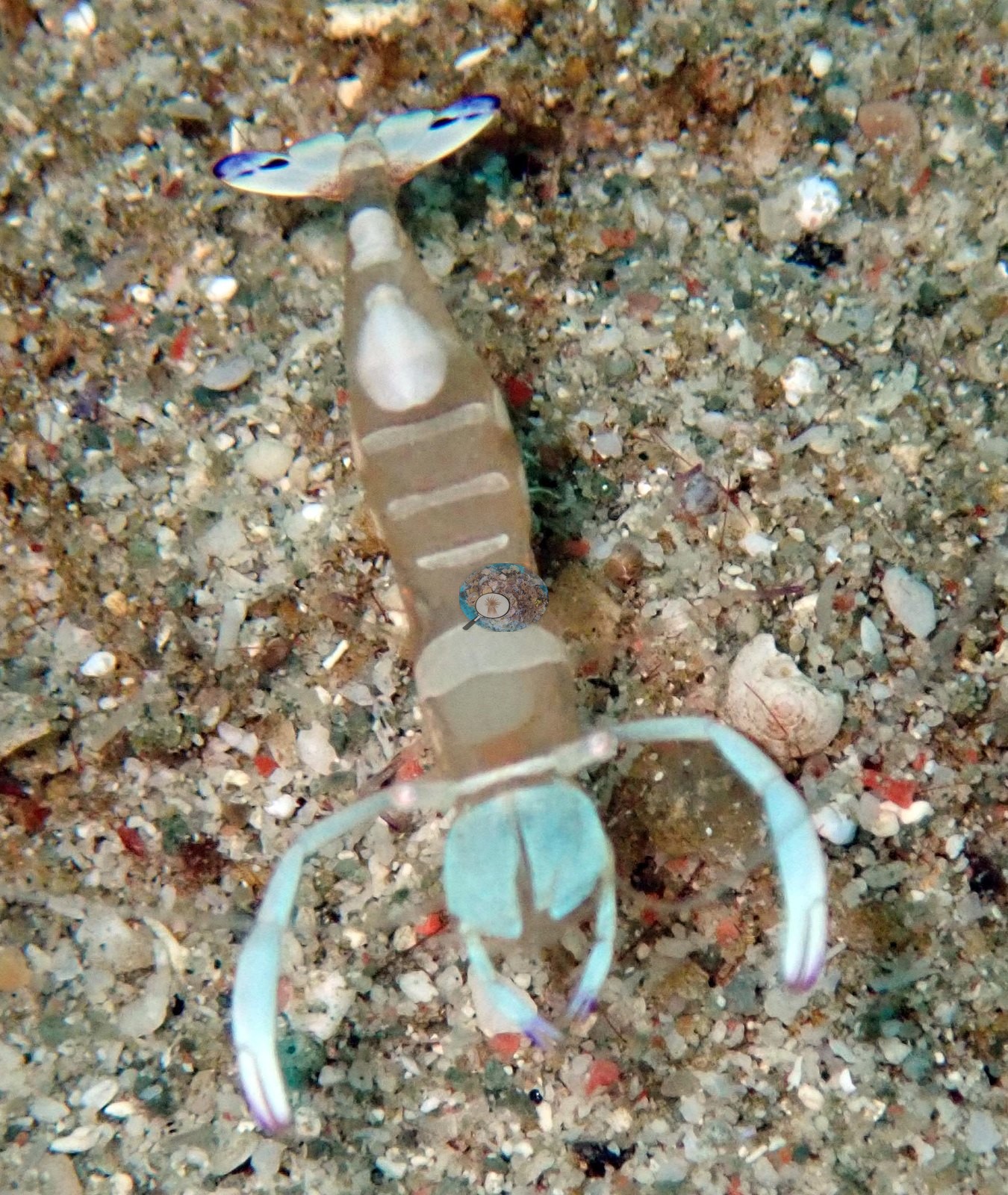
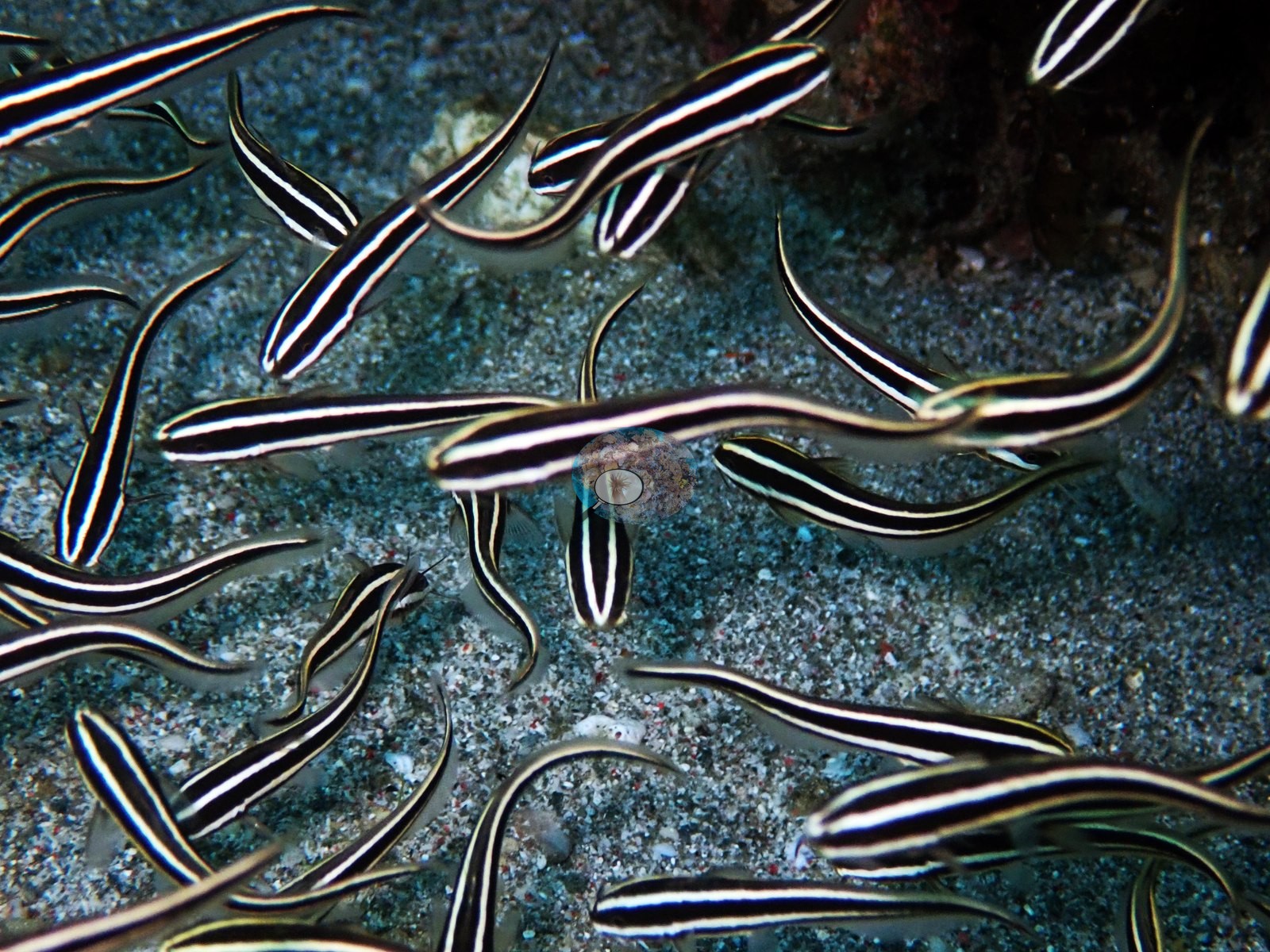
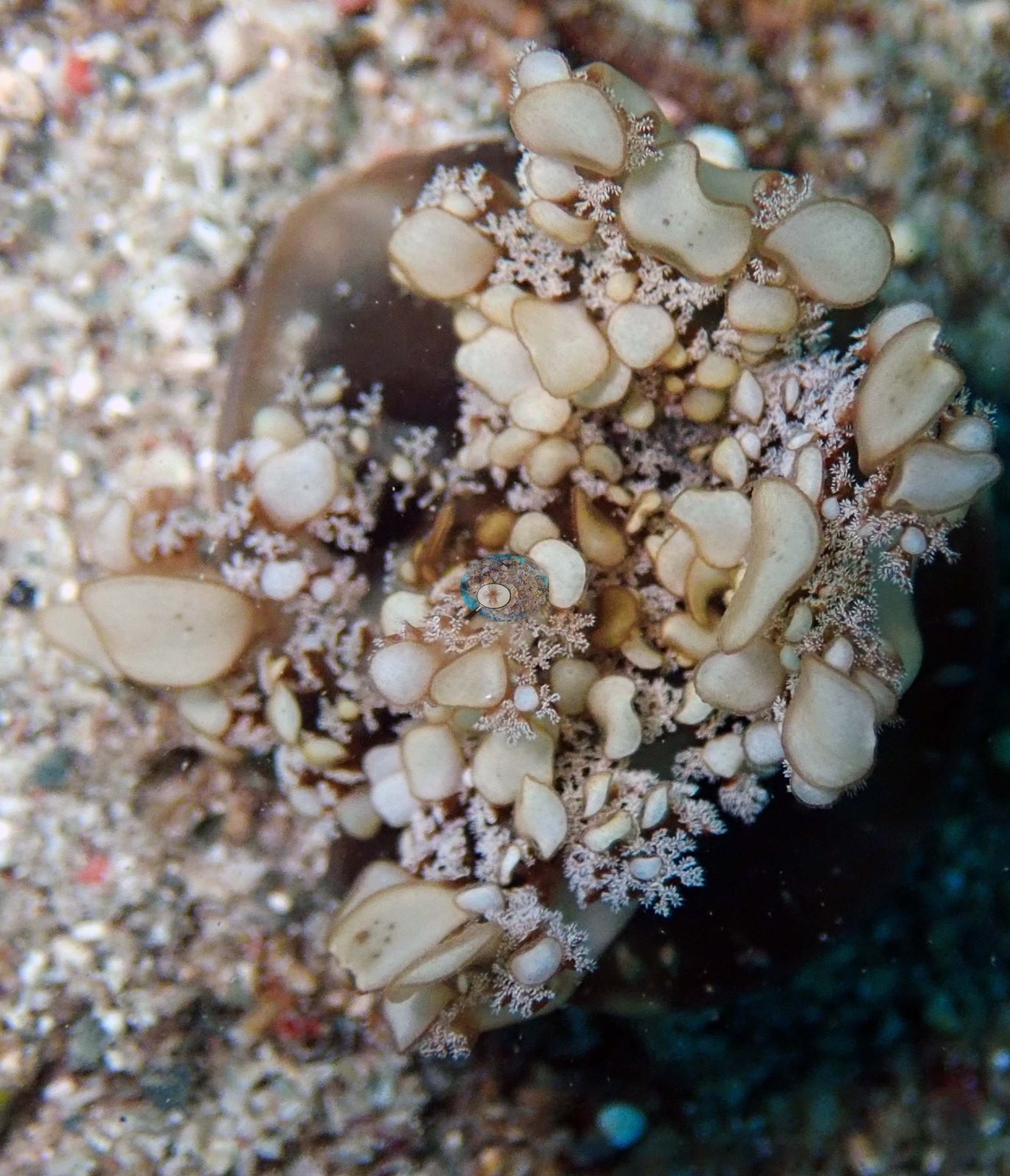
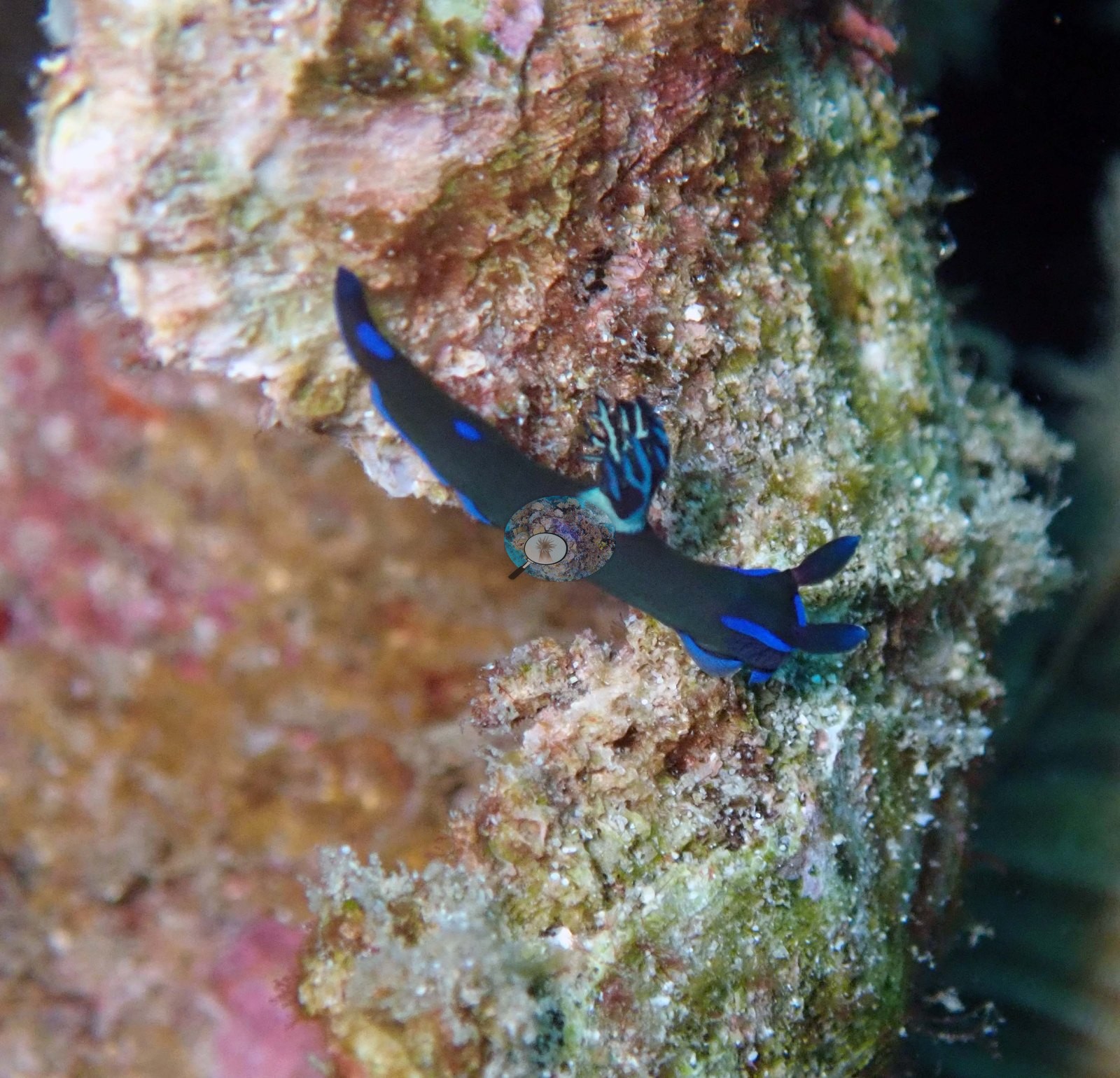
Eventually started drifting and encountered acres upon acres of soft corals interspersed with seriatoporids and acroporids (e.g., Image 4).
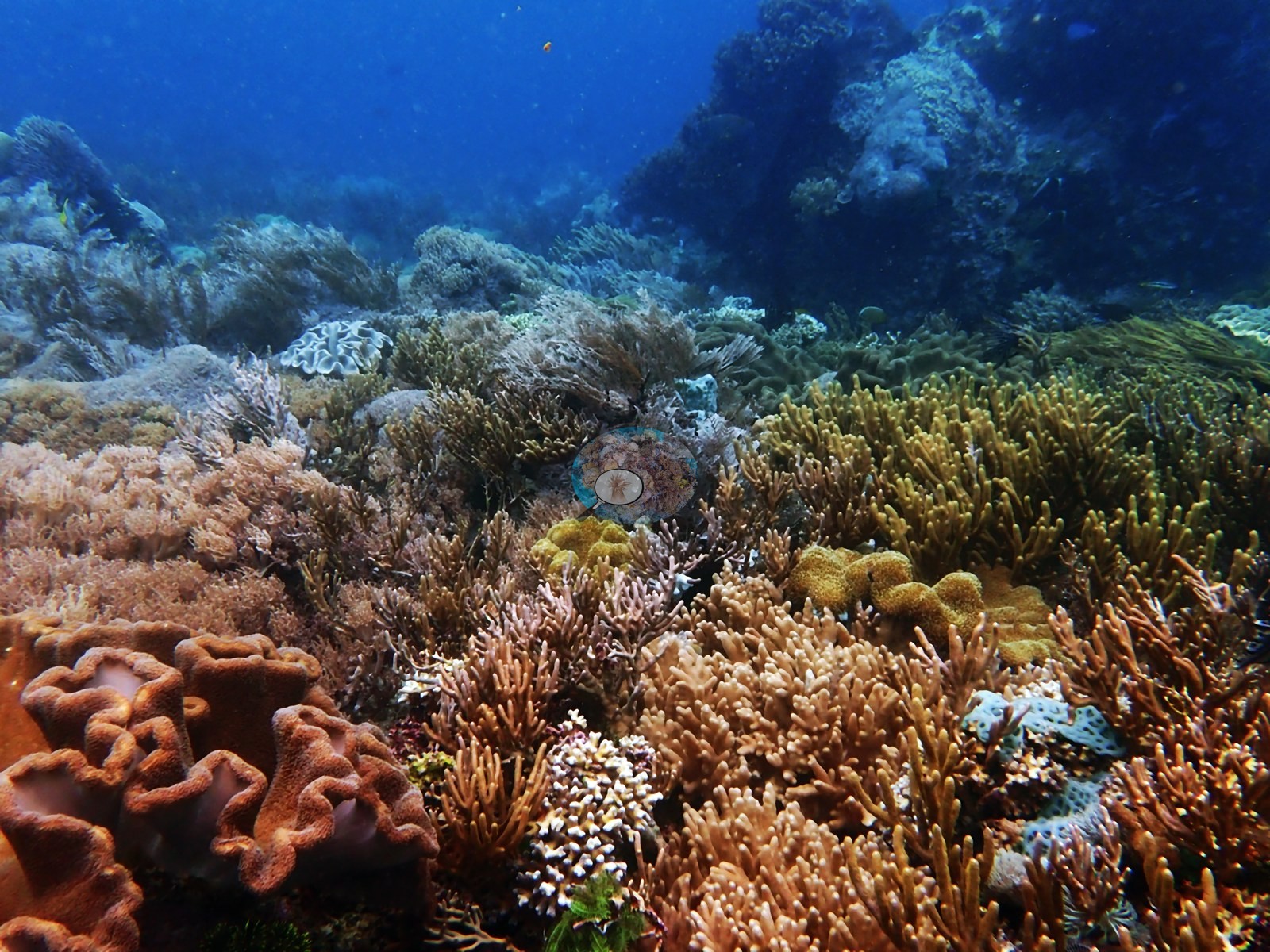
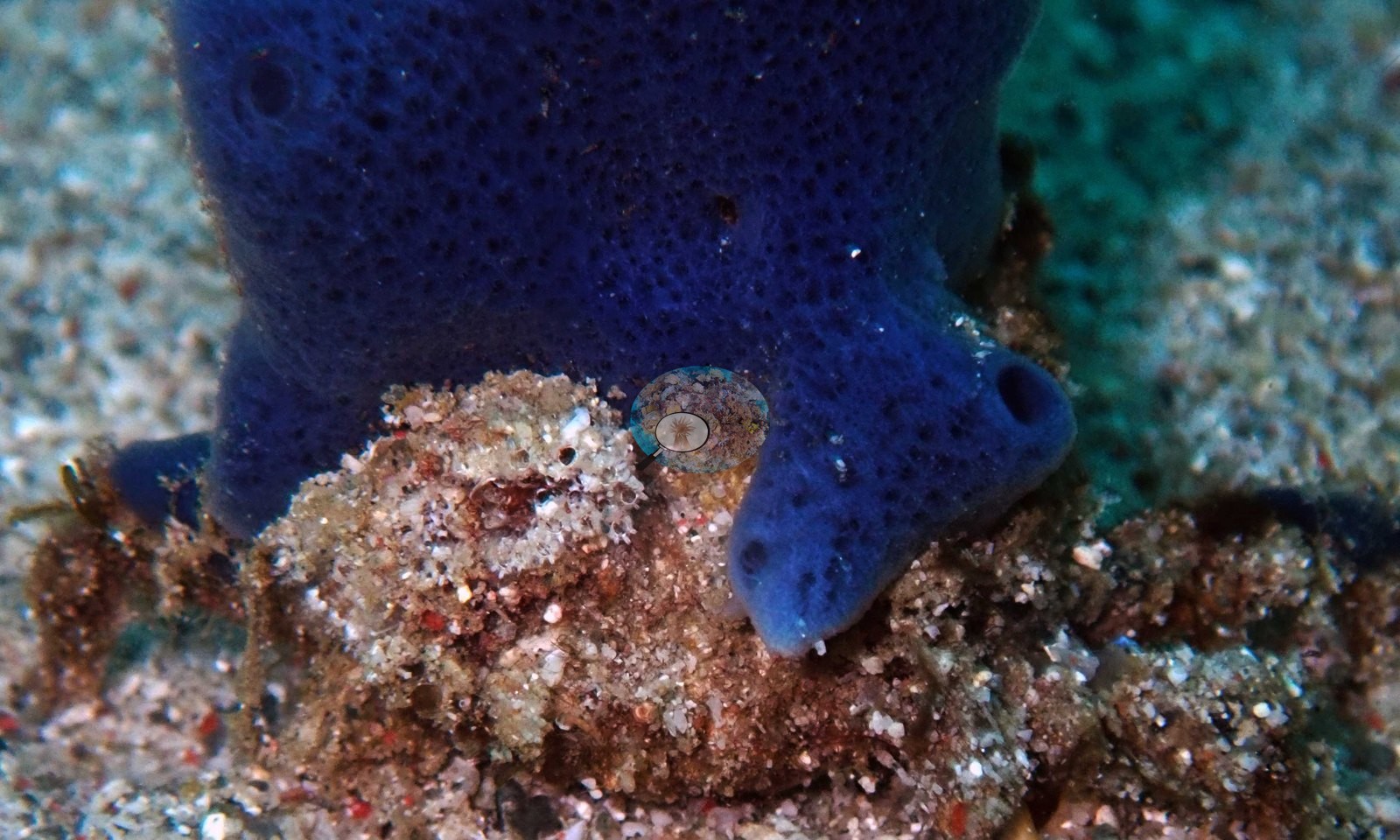
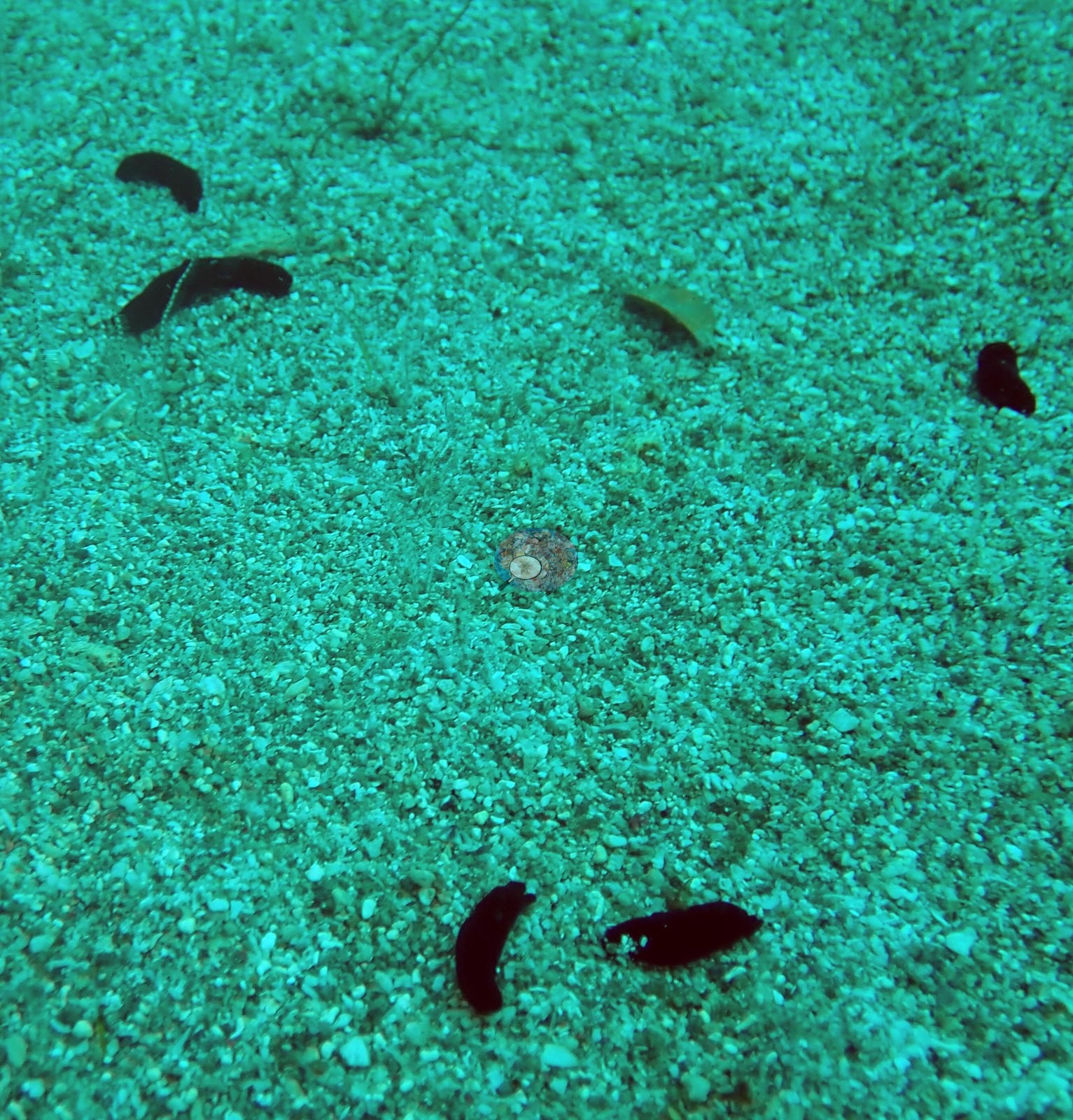
Finally reached large chunks of hard coral again. Soft coral was prevalent in abundance at all depths. Tubastrea, Pocillopora acuta, Isopora, beautiful, mixed hard+soft coral community at 5-6 m. Some small poritids and large Acropora colonies at 3-4 m. Reached a pier at whose base was a beautiful hard+soft coral garden going down past 10 m. Virtually no corals, just a sandy slope with all manner of cool critters. In 2-4 m, there were some corals, including an impressive Porites bommie and some Acropora. Galaxea, flounder, crab wearing a sponge that was too big for it.
Coral cover
Coral cover: 25% — a blind Claude computer-vision point count of 71 of Anderson's edited photographs (20 points per photo; water, fish, and obstructions excluded). Other computer-vision methods are listed in the method table. The deep wall was very complex with nice, hard coral cover (20-40%, maybe more in areas). Anderson is still comparing computer-vision models, and these figures will be updated as the methods improve.
Stressors
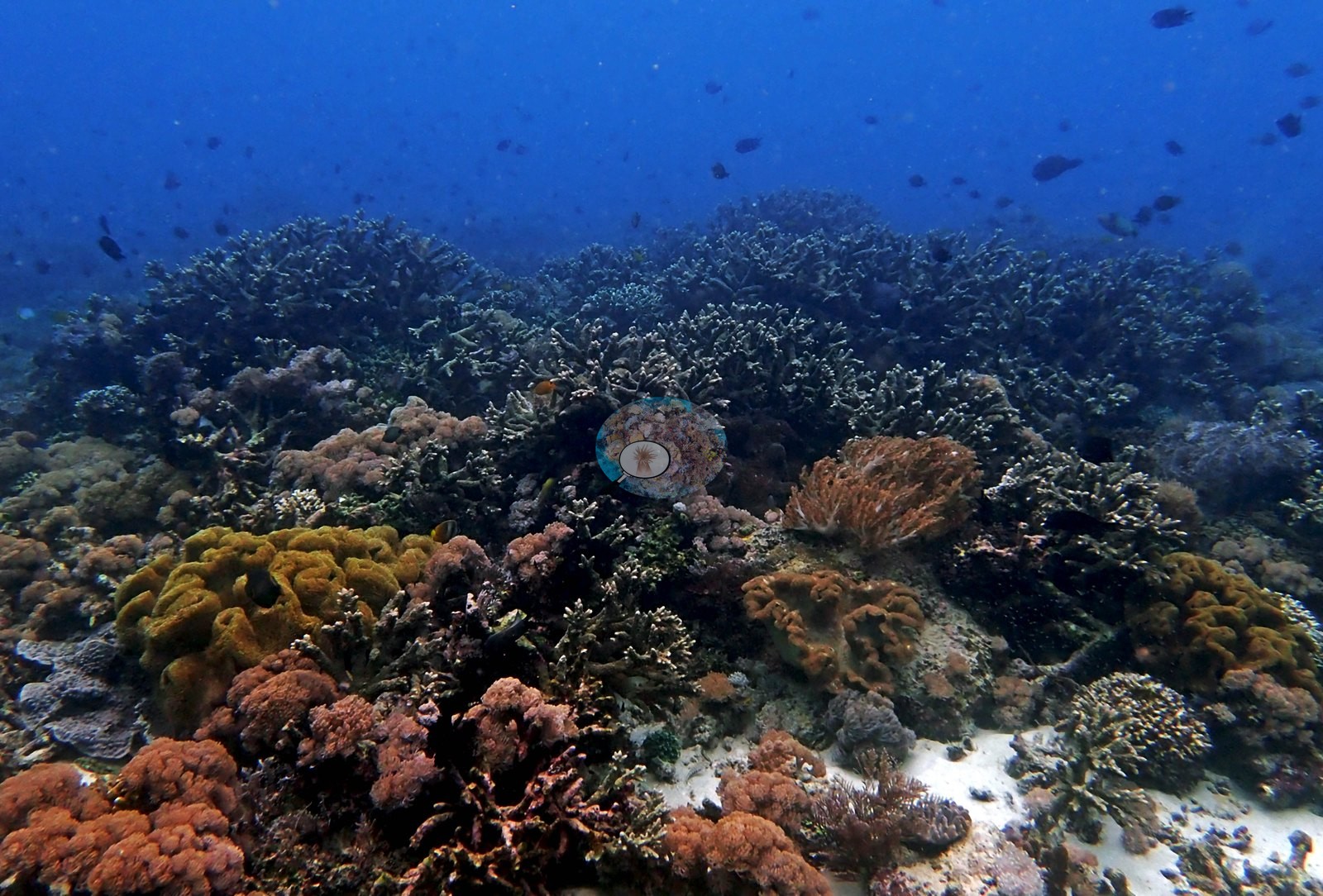
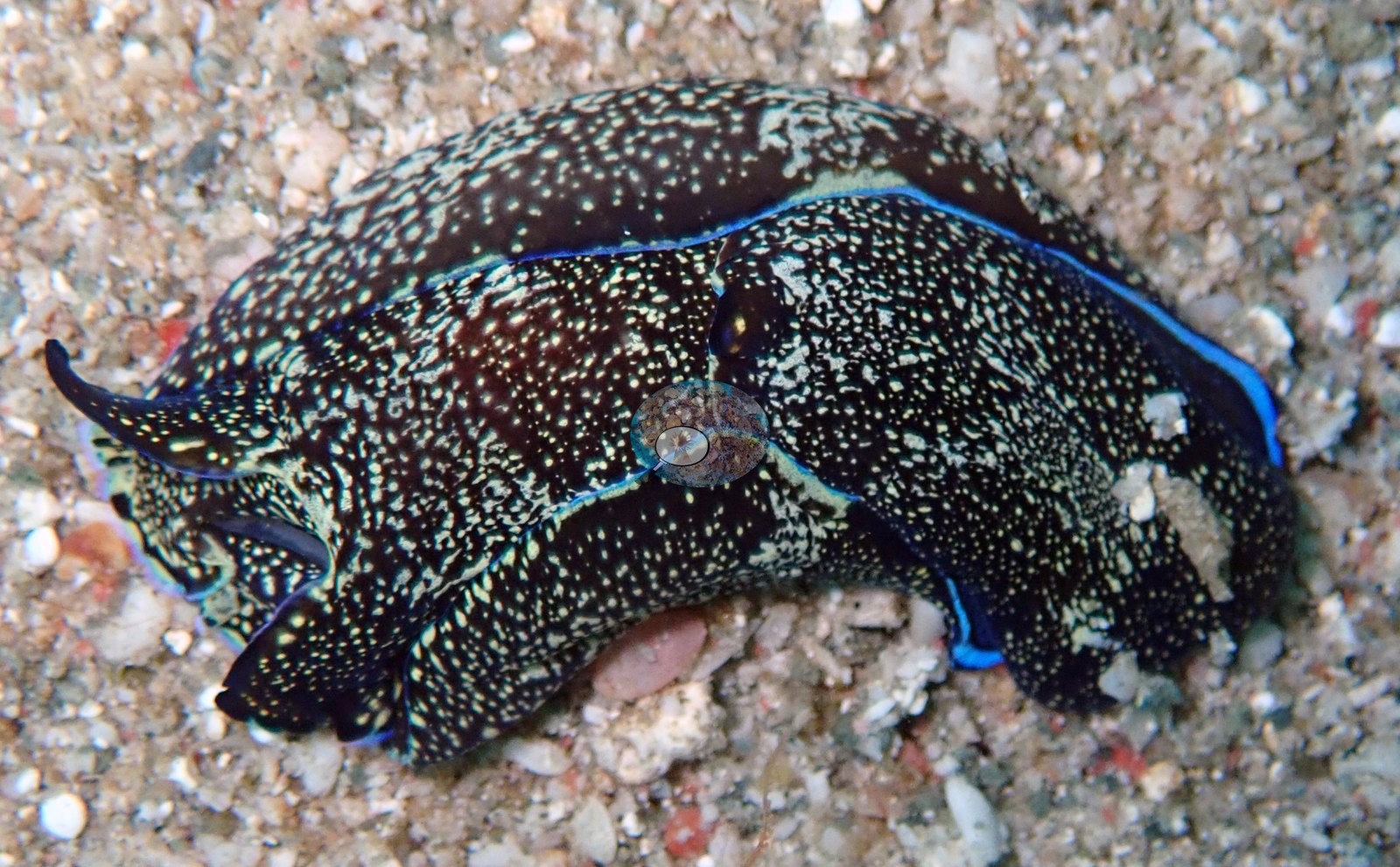
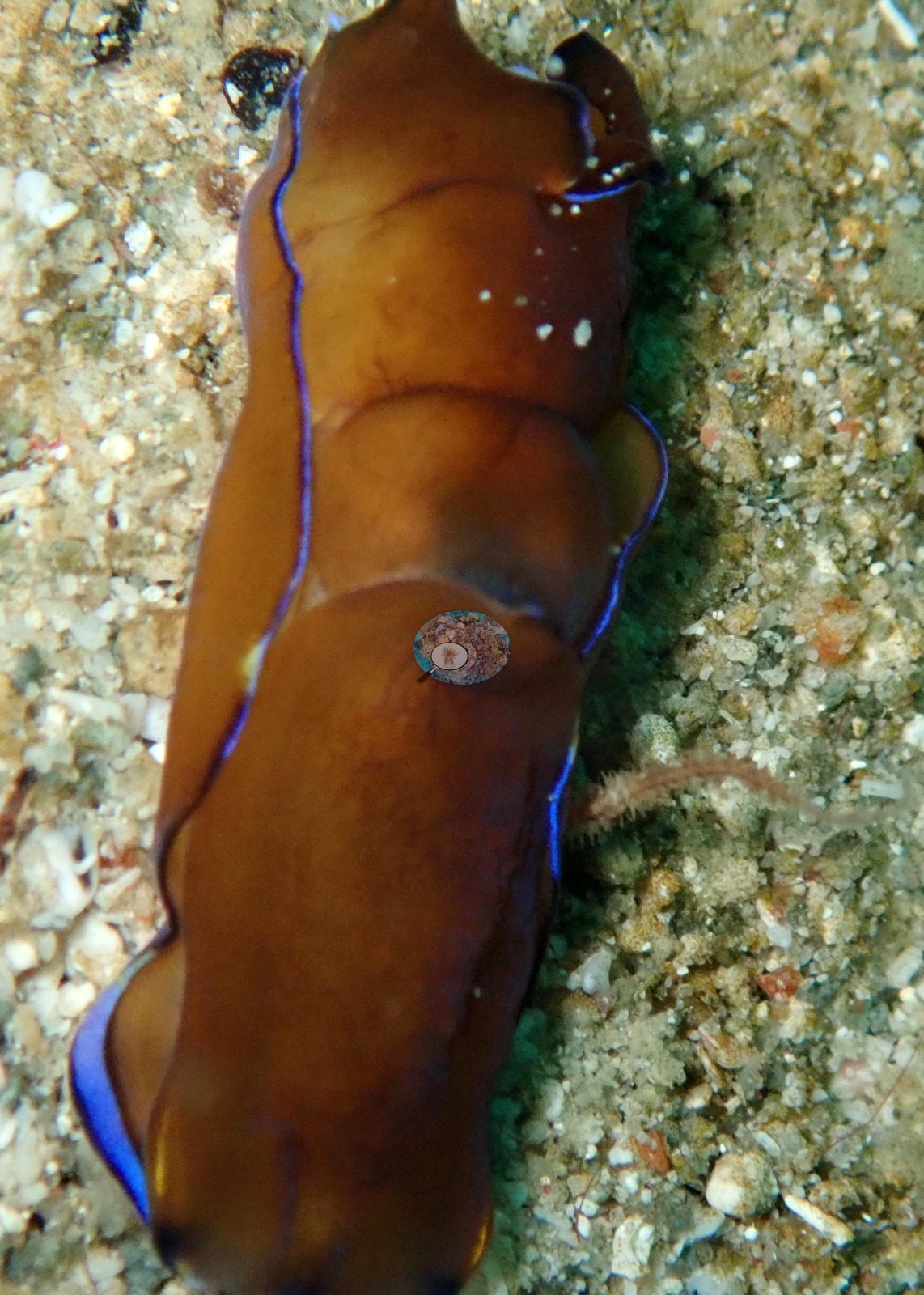
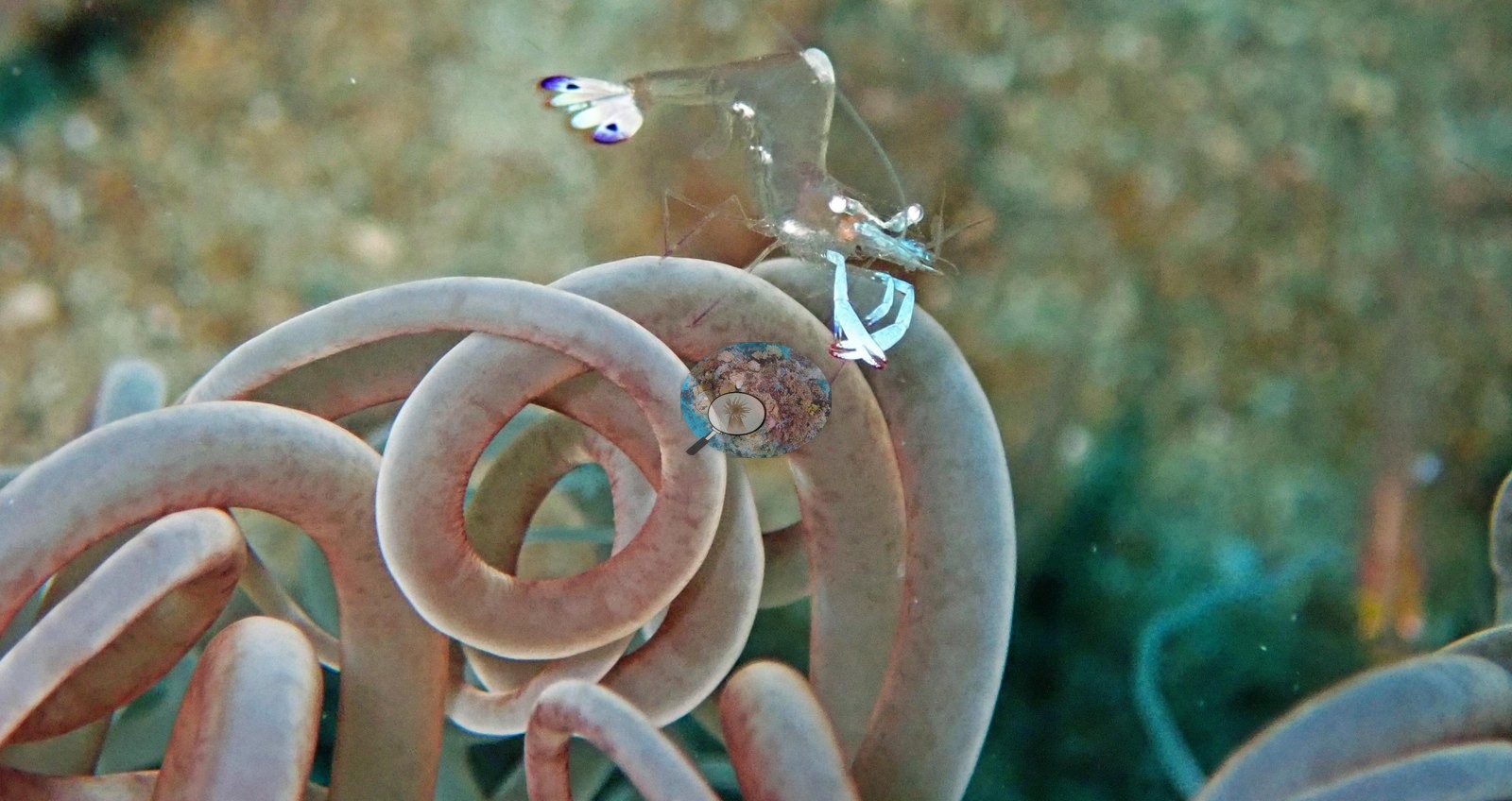
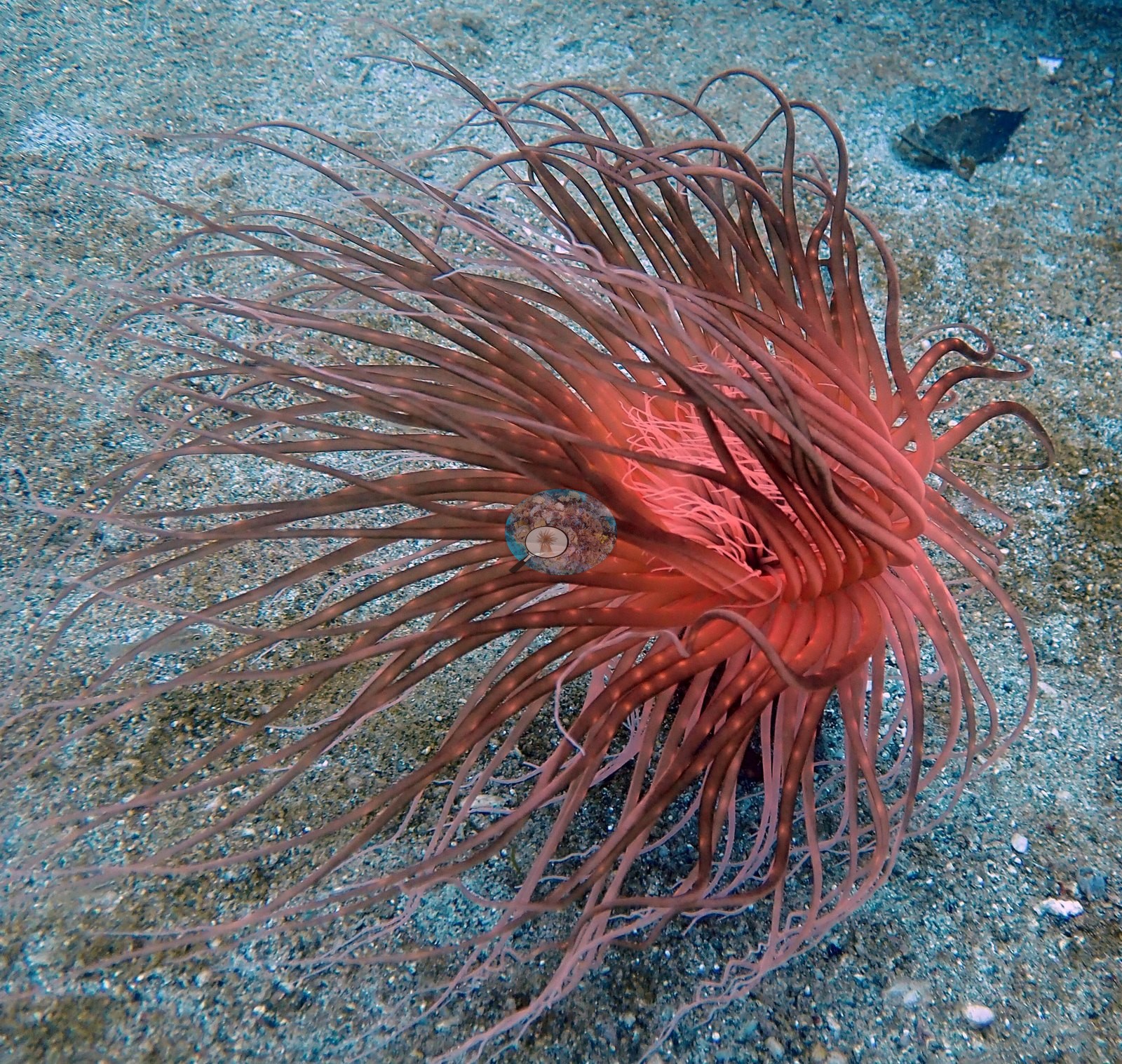
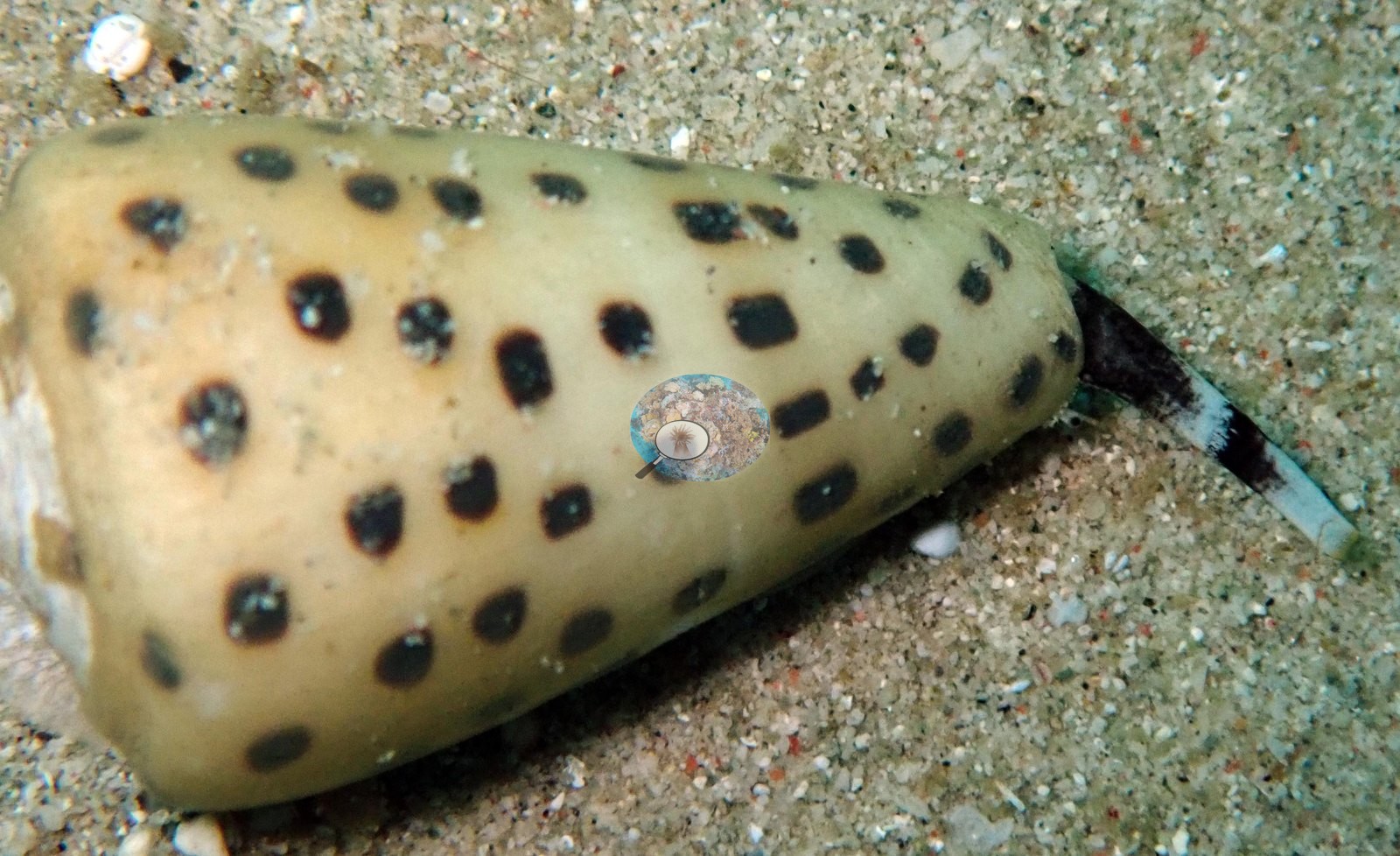
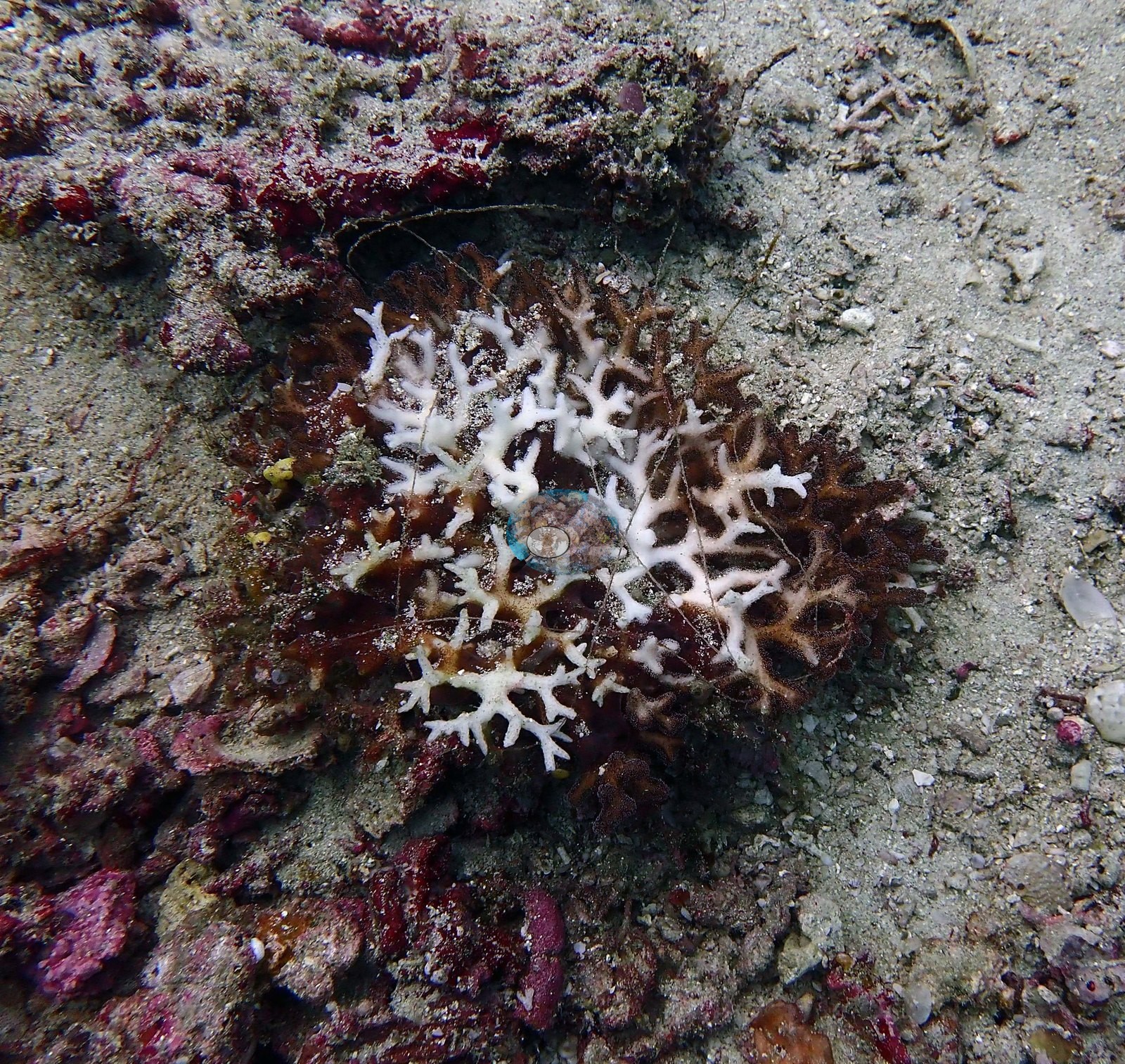
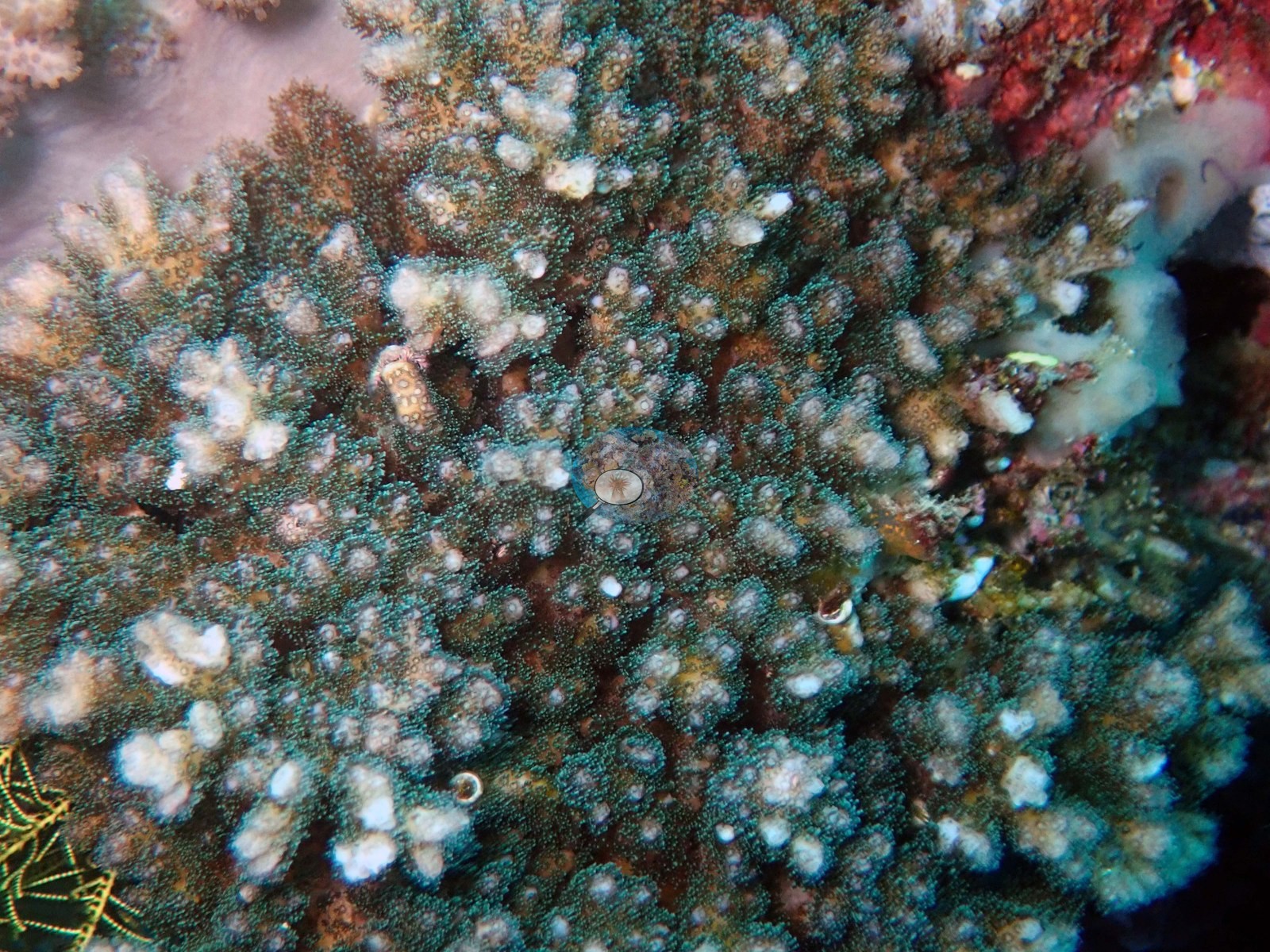
Most were fluorescent green or normal yellow/orange (not as many were bleached, as at the previous site) (e.g., Image 2).
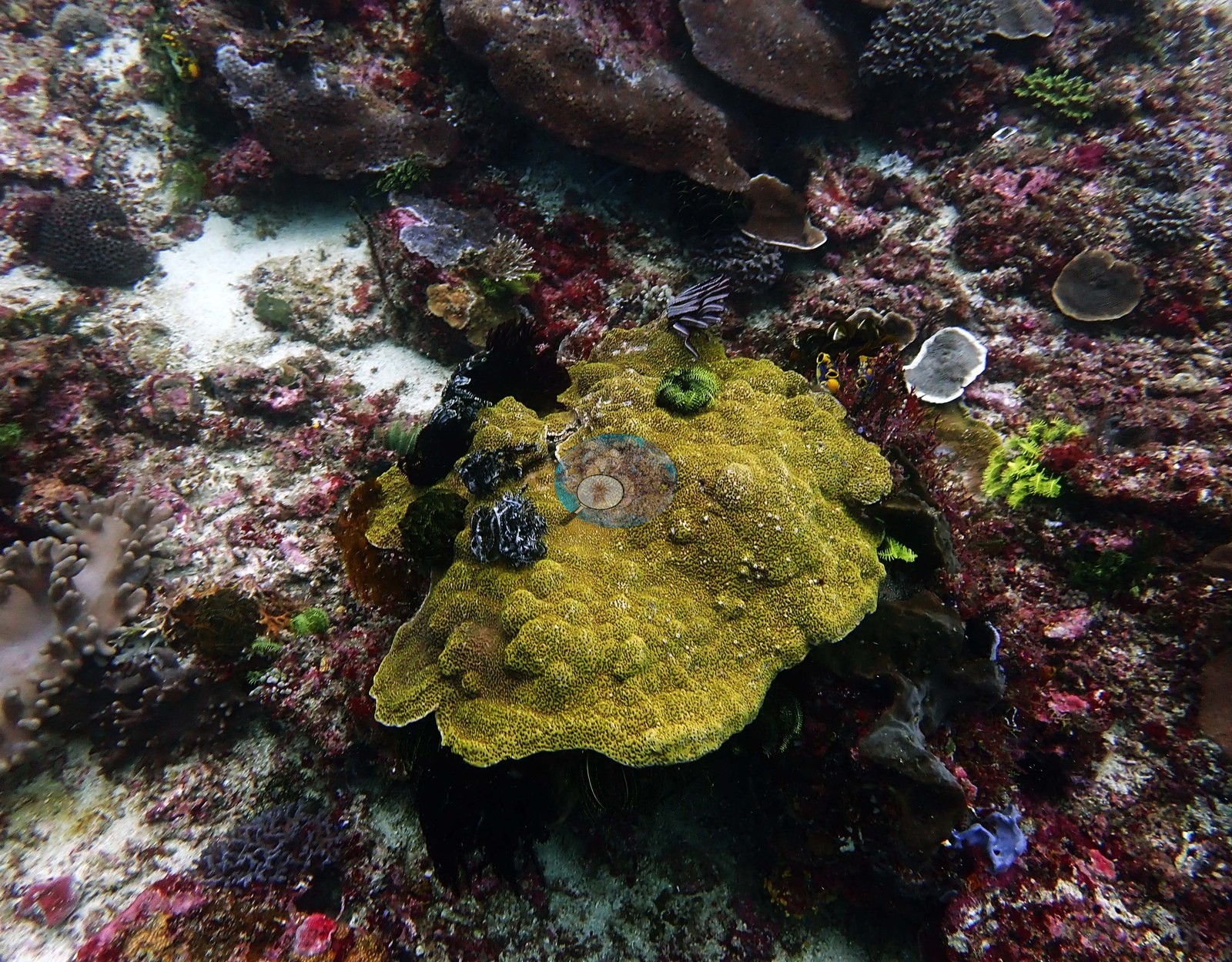
The few Seriatopora caliendrum seen were sickly looking.
Fish and other fauna
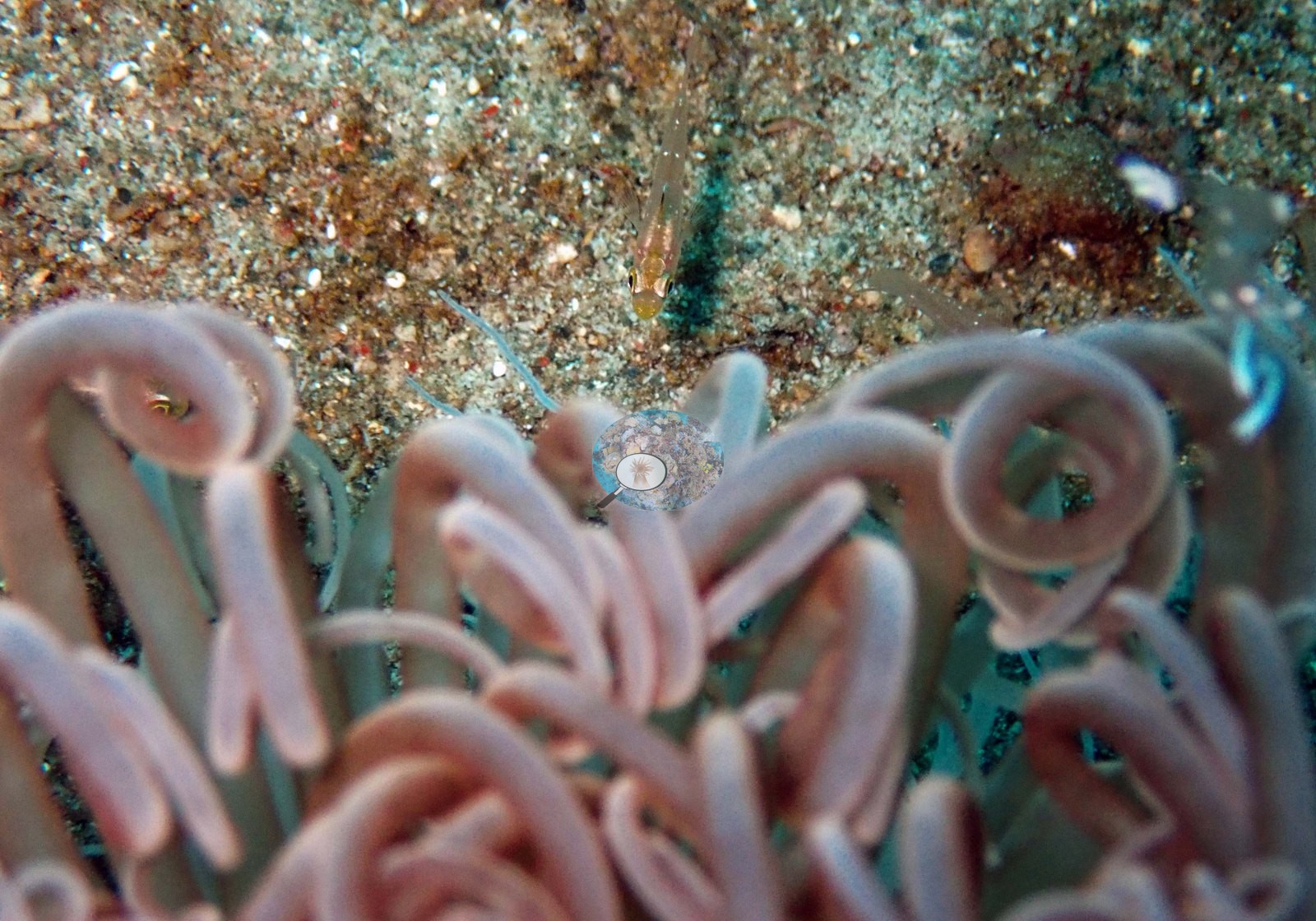
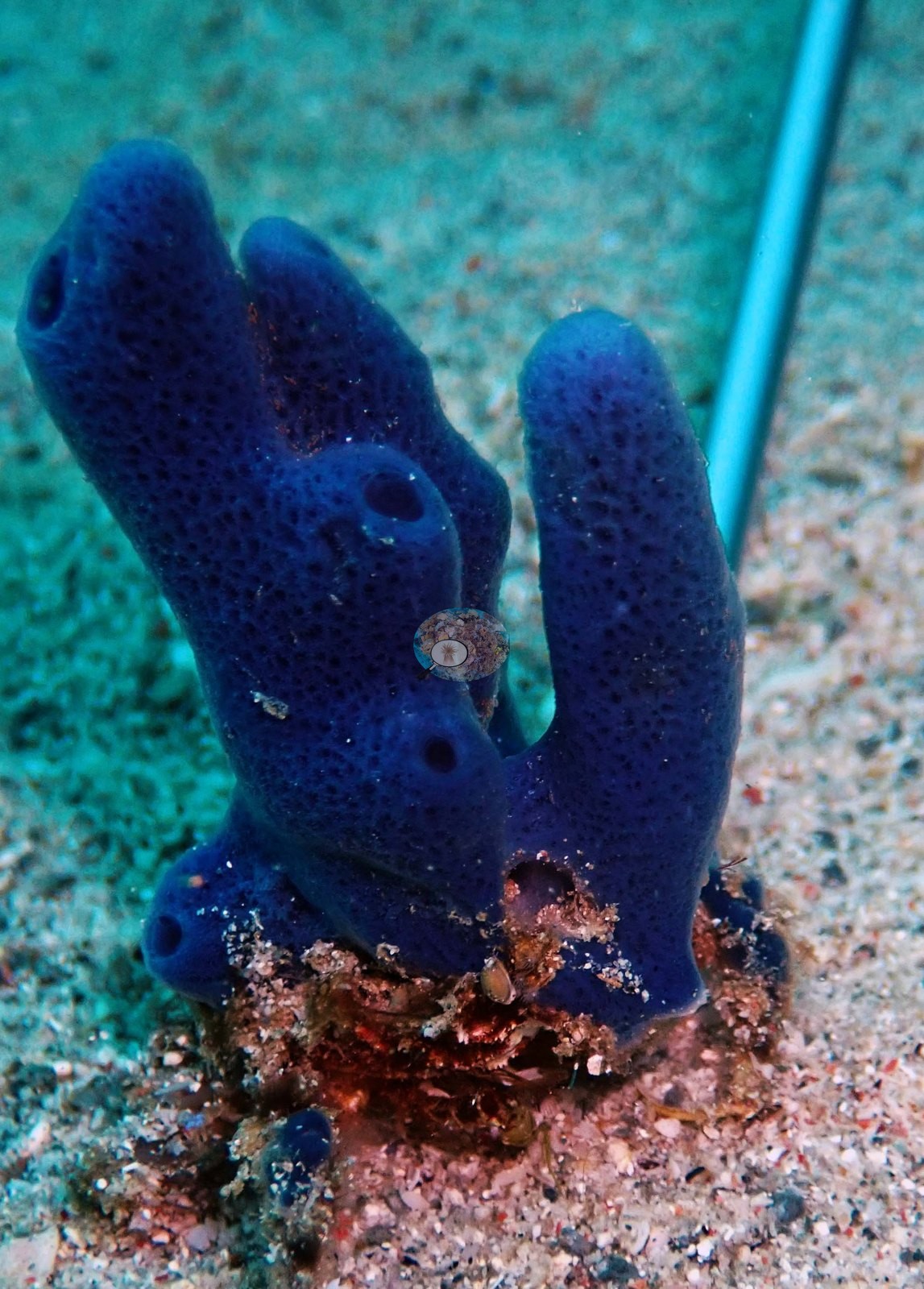
High density and diversity of small reef fish, though only a few large snapper were seen. Cool white crab living in soft coral (totally camouflaged). Sergeant majors by the thousands (e.g., Image 5).
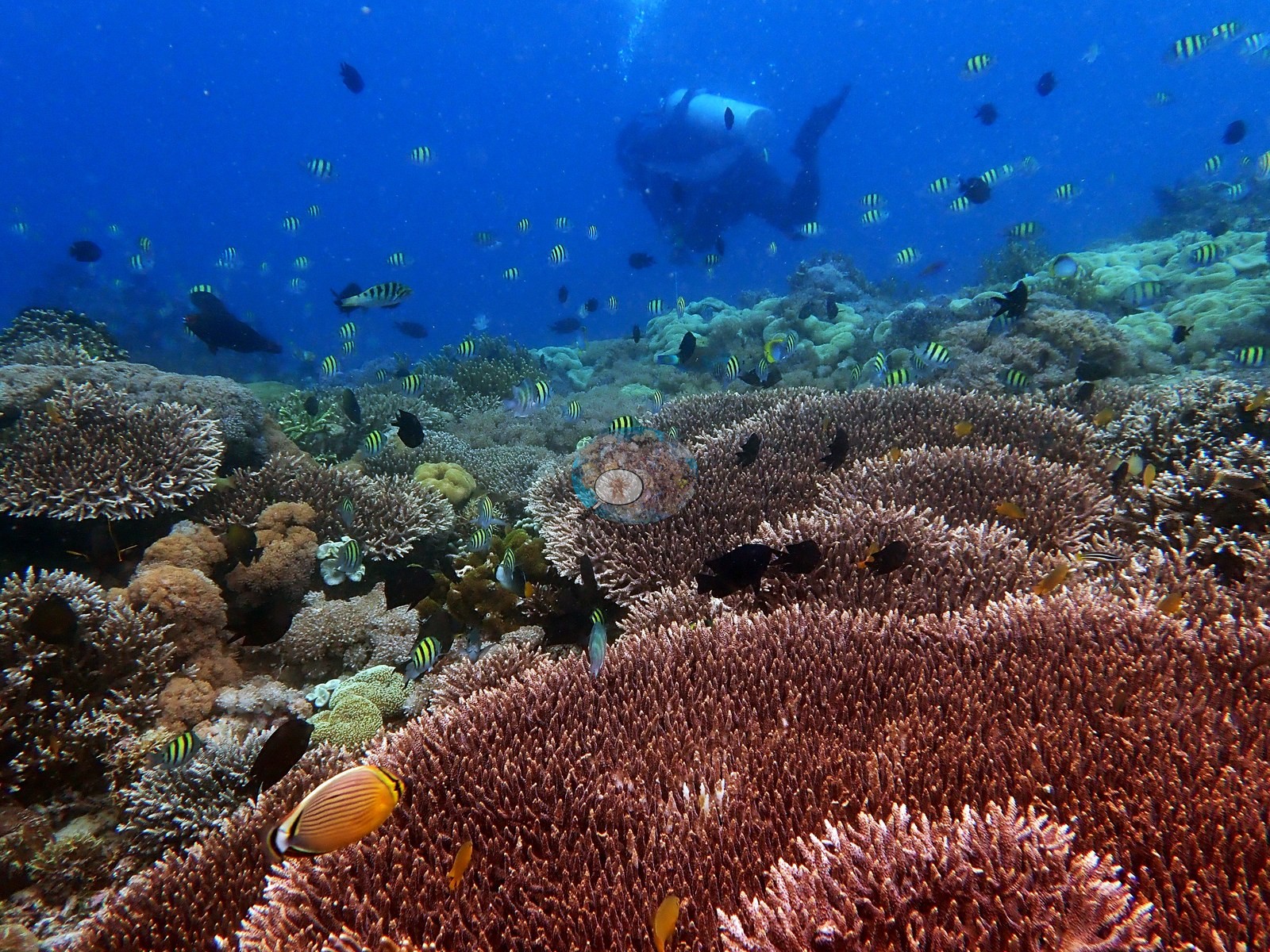
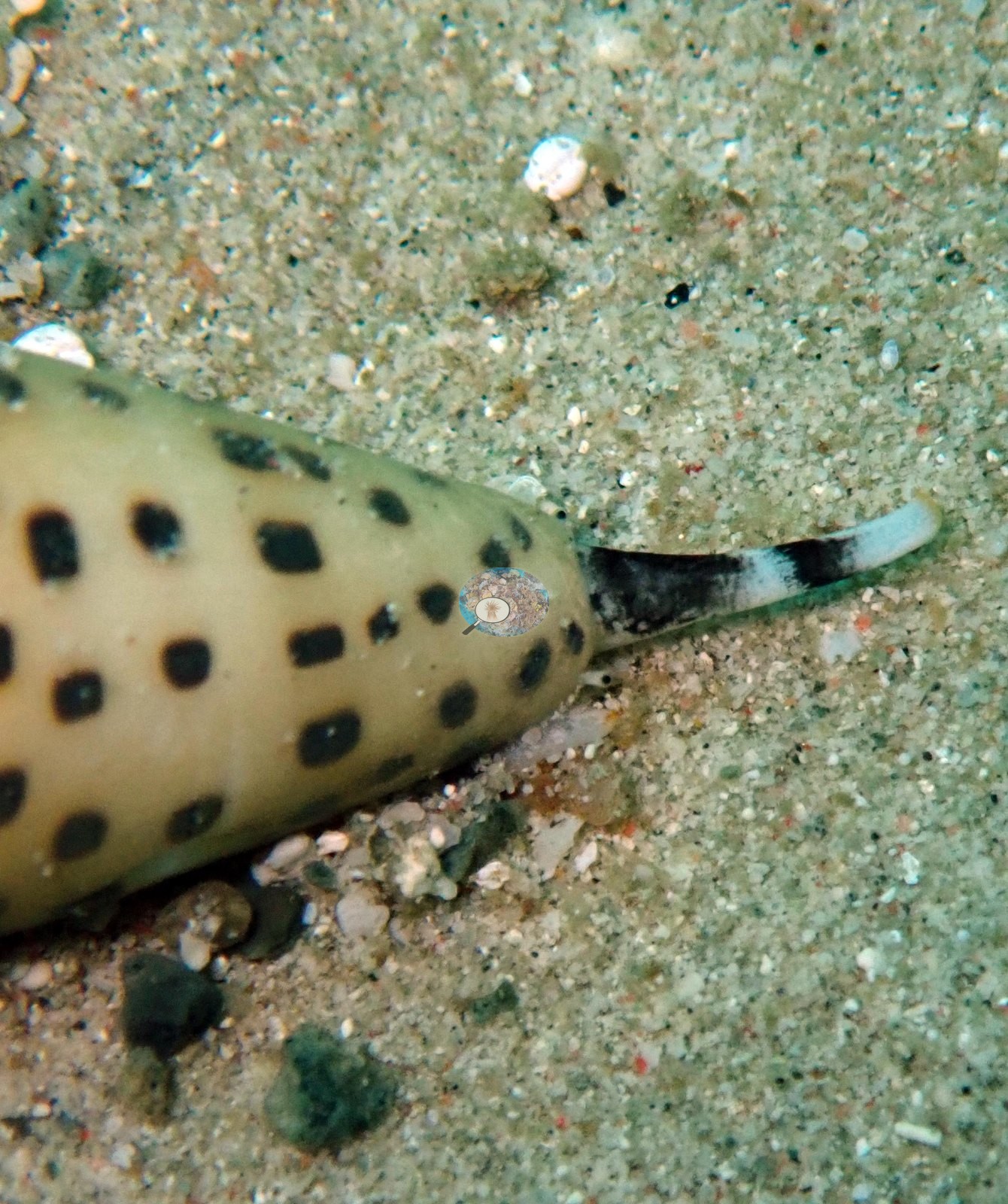
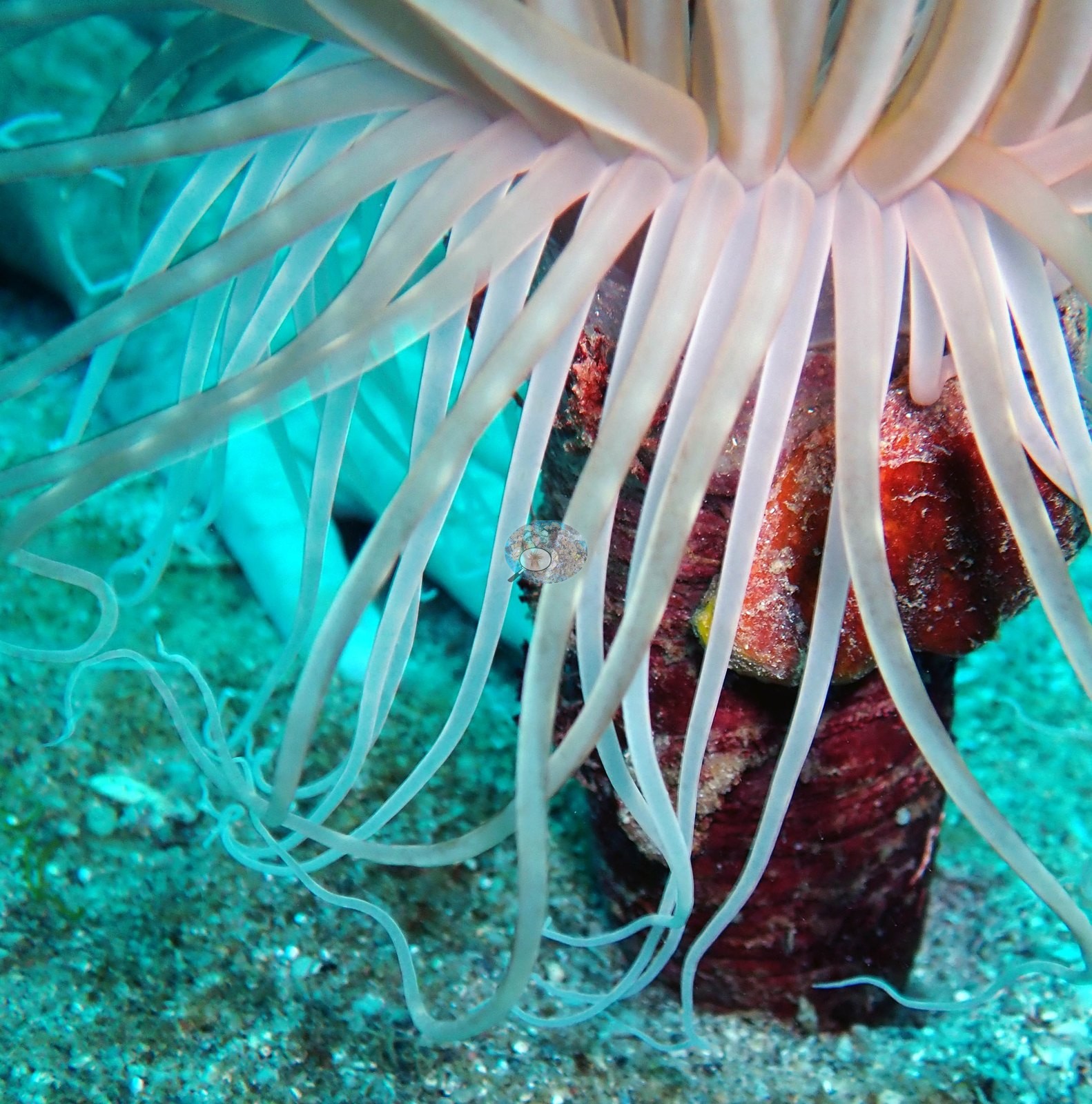
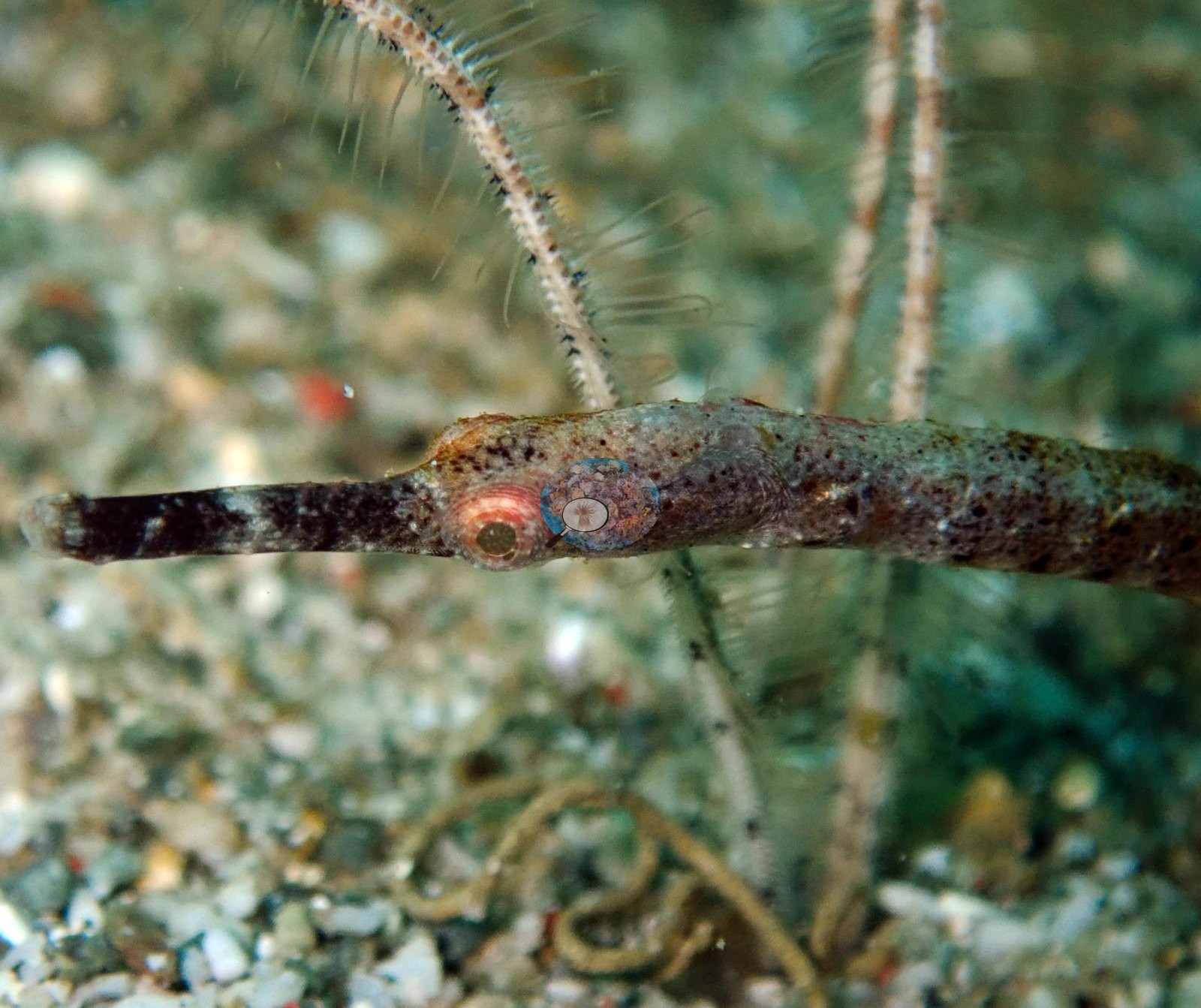
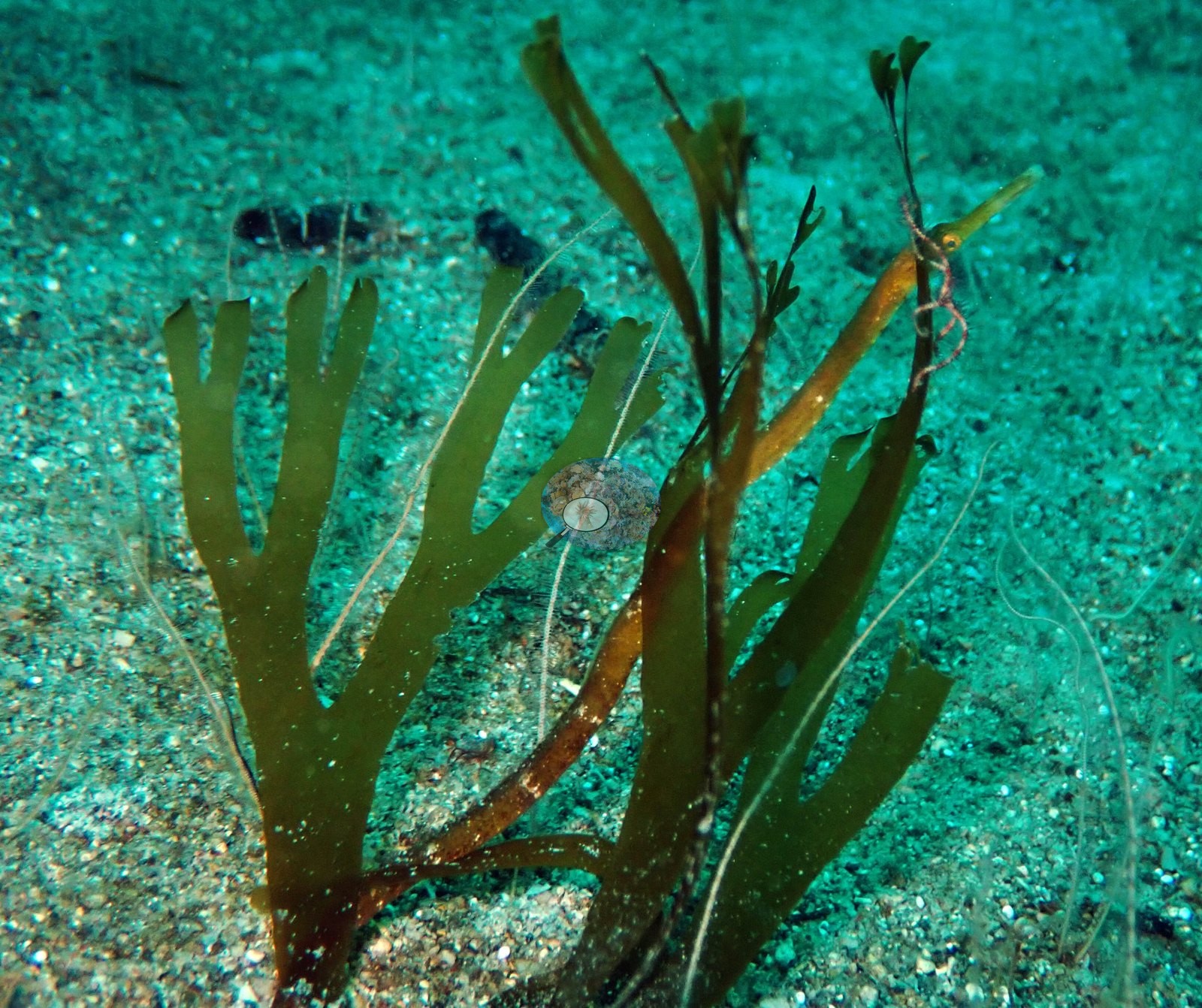
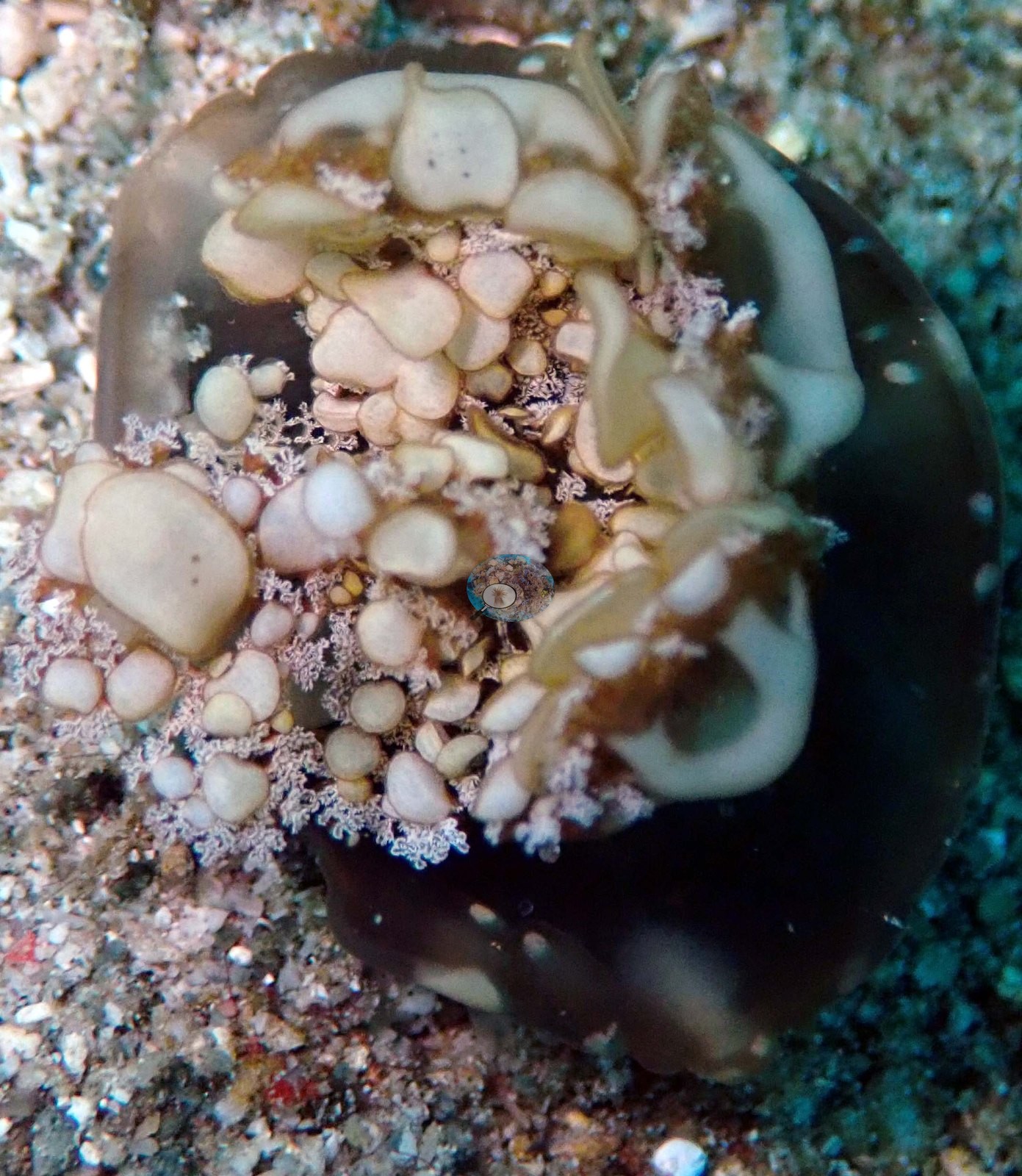
Saw plenty of upside-down jellyfish, one of which was bouncing down the slope. Saw two beautiful pipefish, one of which was disguised as algae. First remora of trip. Dogtooth tuna. Enormous jellyfish, two species of cuttlefish (one large and one small), and two species of squid (including lone large [30 cm] squid of the trip). Eels (2-3 species), tiny pipefish, large snail, huge crab.
Comparisons with other data
No prior survey data from this site. If you would like to share yours, please email us.
Dive record
2019-1-24 dive 2: Pink Beach (#21). 11:29-12:31 (62 min). Max. depth=25.6 m. Temp.=25.0ºC. 30% oxygen. 2019-1-24 dive 3: Pink Beach-critter section (#22). 15:08-16:09 (61 min). Max. depth=20.1 m. Temp.=25.6ºC. 2019-1-24 dive 4: Pink Beach night dive (#23). 18:57-19:52 (55 min). Max. depth=16.2 m. Temp.=26.1ºC. 30%oxygen.
CV model comparison
More info
As of September 2026 no computer-vision method estimates coral cover accurately on new images, so treat this as indicative rather than a measurement; it is revised as the methods improve.More info
DINOv3 and CoralSCOP were run on the same photos and are listed for comparison. Coralscapes v2 and v1 were also run but are not shown: Anderson does not consider Coralscapes reliable for these photos. No diver transect exists for this trip, so agreement between the rows is not accuracy, and as of September 2026 no computer-vision method estimates coral cover accurately on new images; treat every row as indicative.| Method | Hard-coral cover (%) |
|---|---|
| In-house DINOv3 | 30.0 |
| CoralSCOP edited | 37.3 |
| Claude (edited photos) | 24.8 |
Dive history
| Date | Time in | Max depth (m) | Bottom time (min) |
|---|---|---|---|
| 2019-01-24 | 11:29 | 25.6 | 62 |
| 2019-01-24 | 15:08 | 20.1 | 61 |
| 2019-01-24 | 18:57 | 16.2 | 55 |
Data & links
All images from Coral Reef Diagnostics. Data are from Coral Reef Diagnostics.
© Coral Reef Diagnostics.