
Dilmunia Rock (Bahrain)
More info
Bahrain (NOAA CRW virtual station) · Arabian (Persian) Gulf ecoregion mean=9.8°C-heating weeksDilmunia Rock is a shallow, sheltered site less than 2 km off Bahrain, with a rocky ledge near 5 m dropping to sand, known locally for its fish life and Bahrain's characteristic nudibranchs. Its corals live in one of the hottest reef environments on Earth, where repeated severe bleaching has hit Gulf reefs over the past three decades.
صخرة دلمونية موقع ضحل على بعد أقل من 2 كم من البحرين في الخليج العربي (26.285 N، 50.635 E). وخلافاً لمعظم مواقع هذه المجموعة، يحمل تاريخاً مسجلاً فعلياً: غاص فيه أندرسون في 23 سبتمبر 2023.
ترجمة هذا الملخص بالذكاء الاصطناعي؛ النص الإنجليزي هو المعتمد. Translated from the site’s shorter map summary.
One other CRD dive site within 5 km shown in orange — click a marker to open its page.
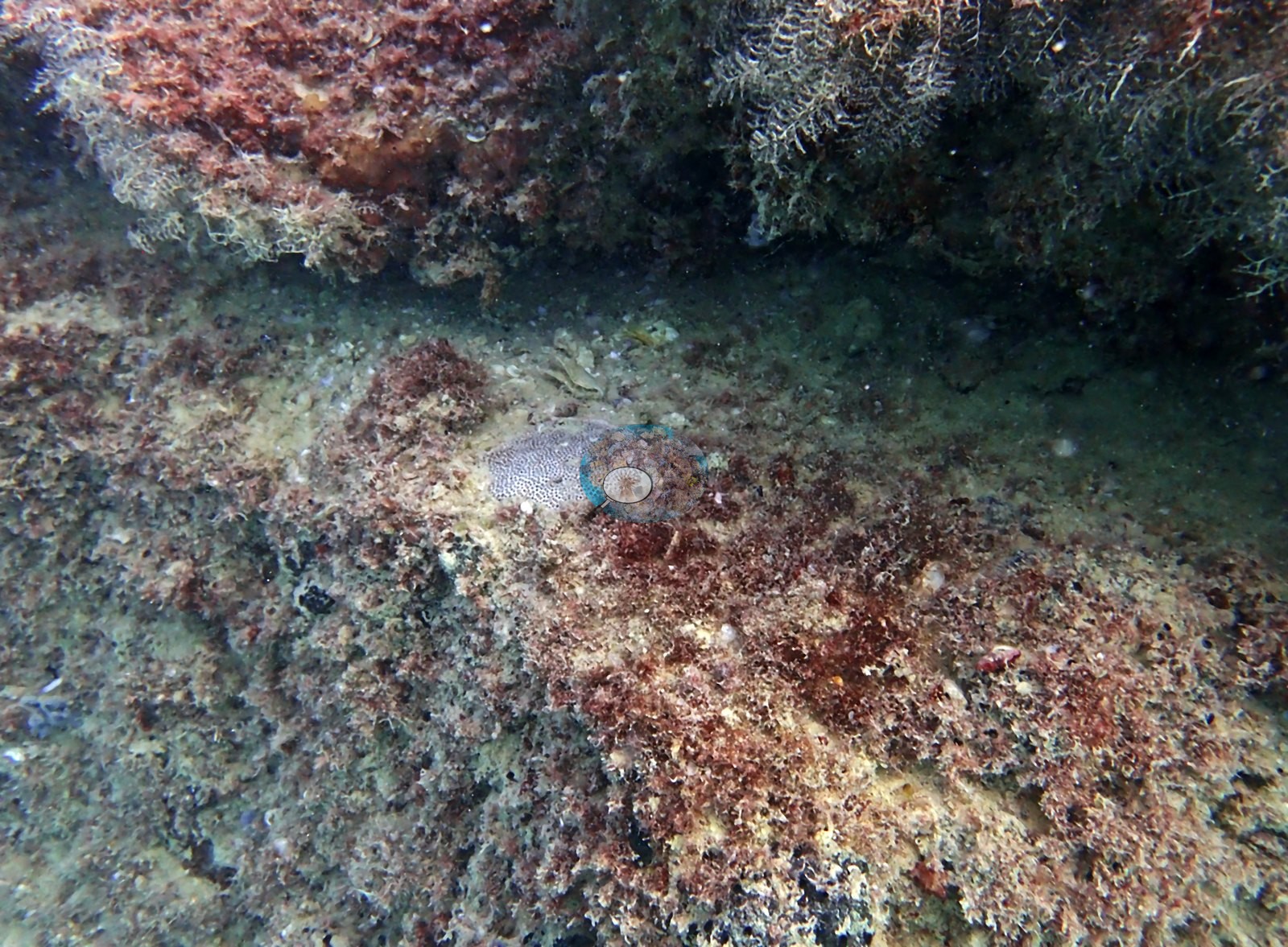
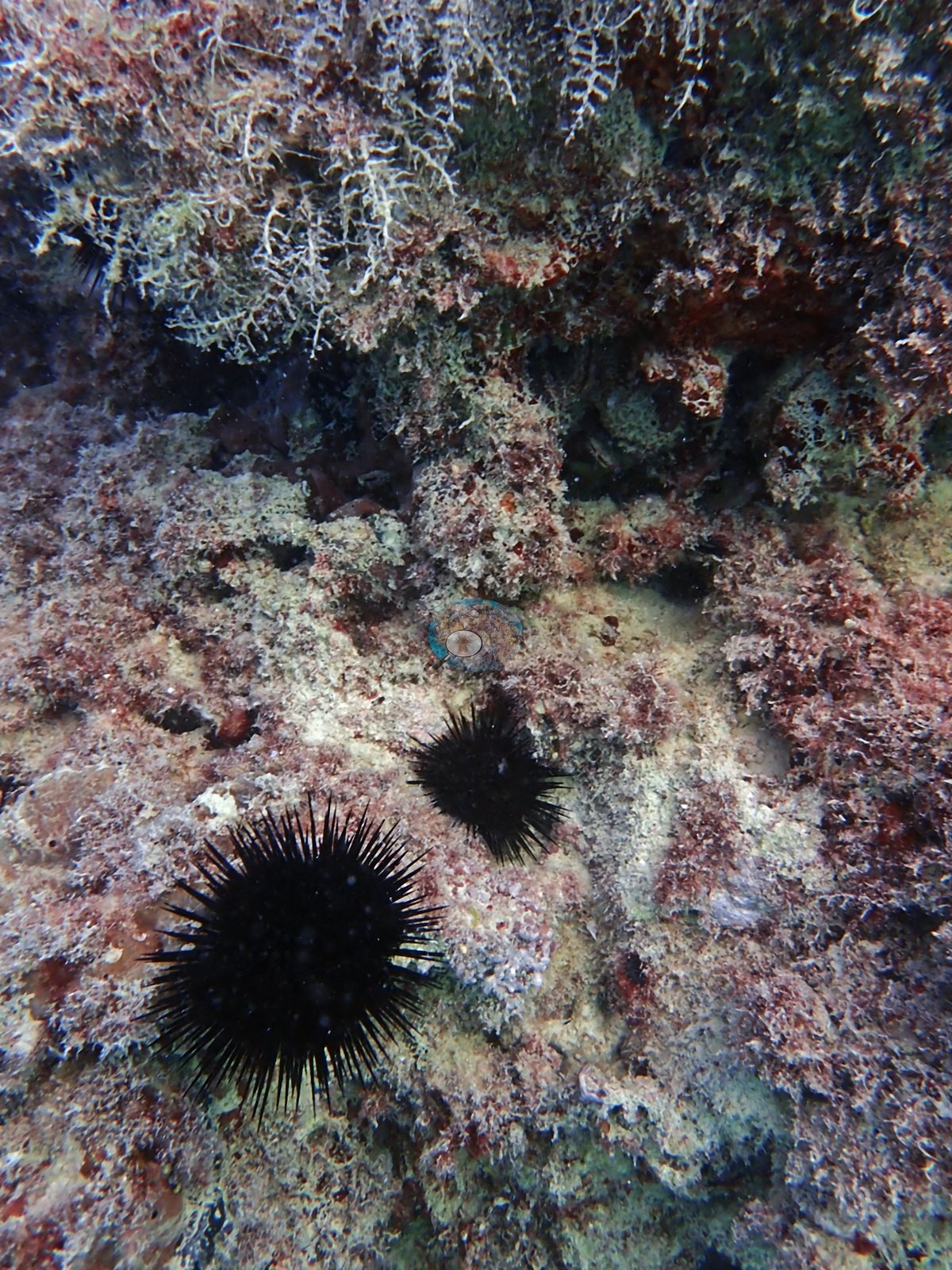
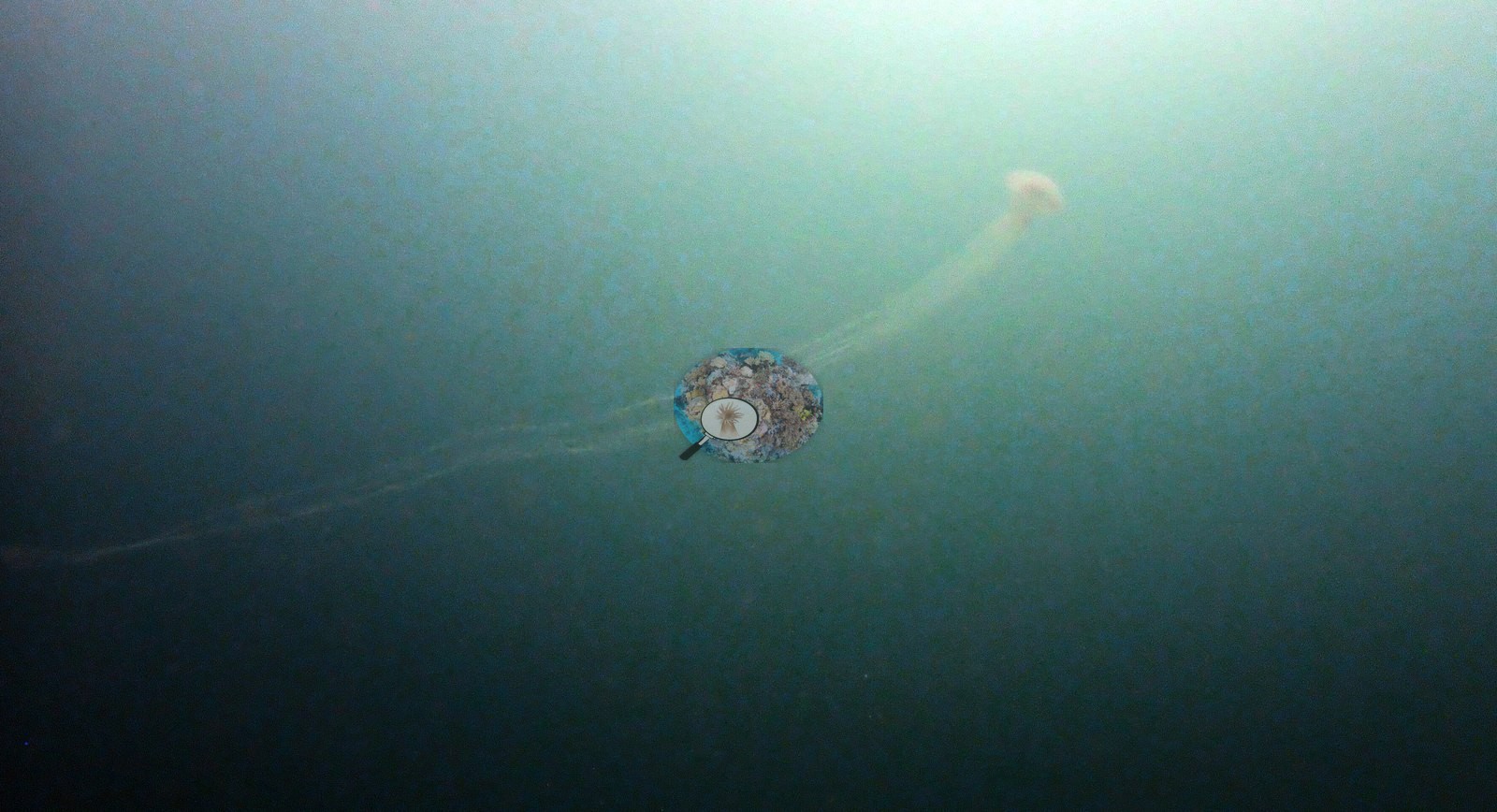
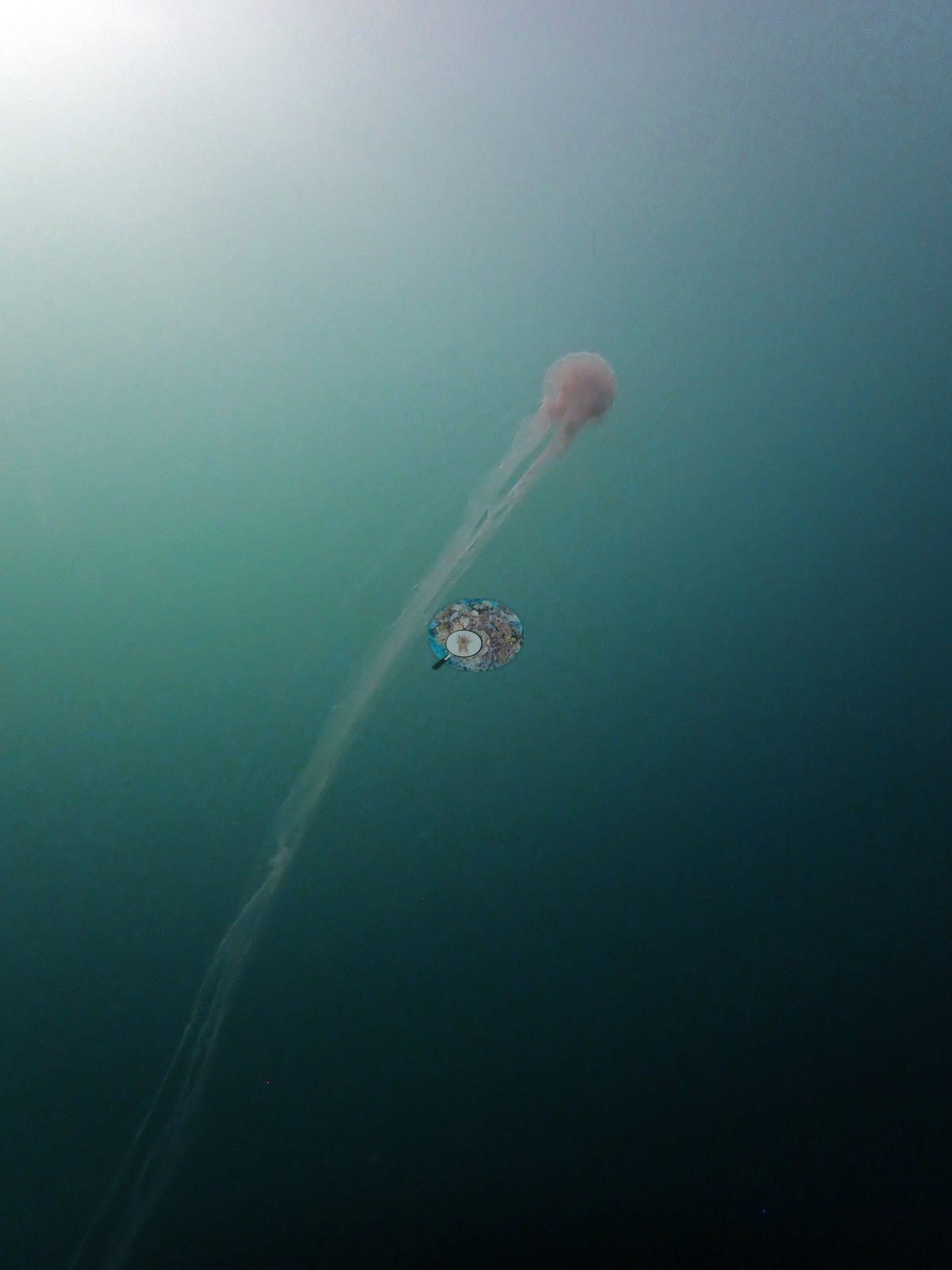
9 of these 21 photographs are shown beside the text that discusses them under "Site description" below.
Site description
Setting
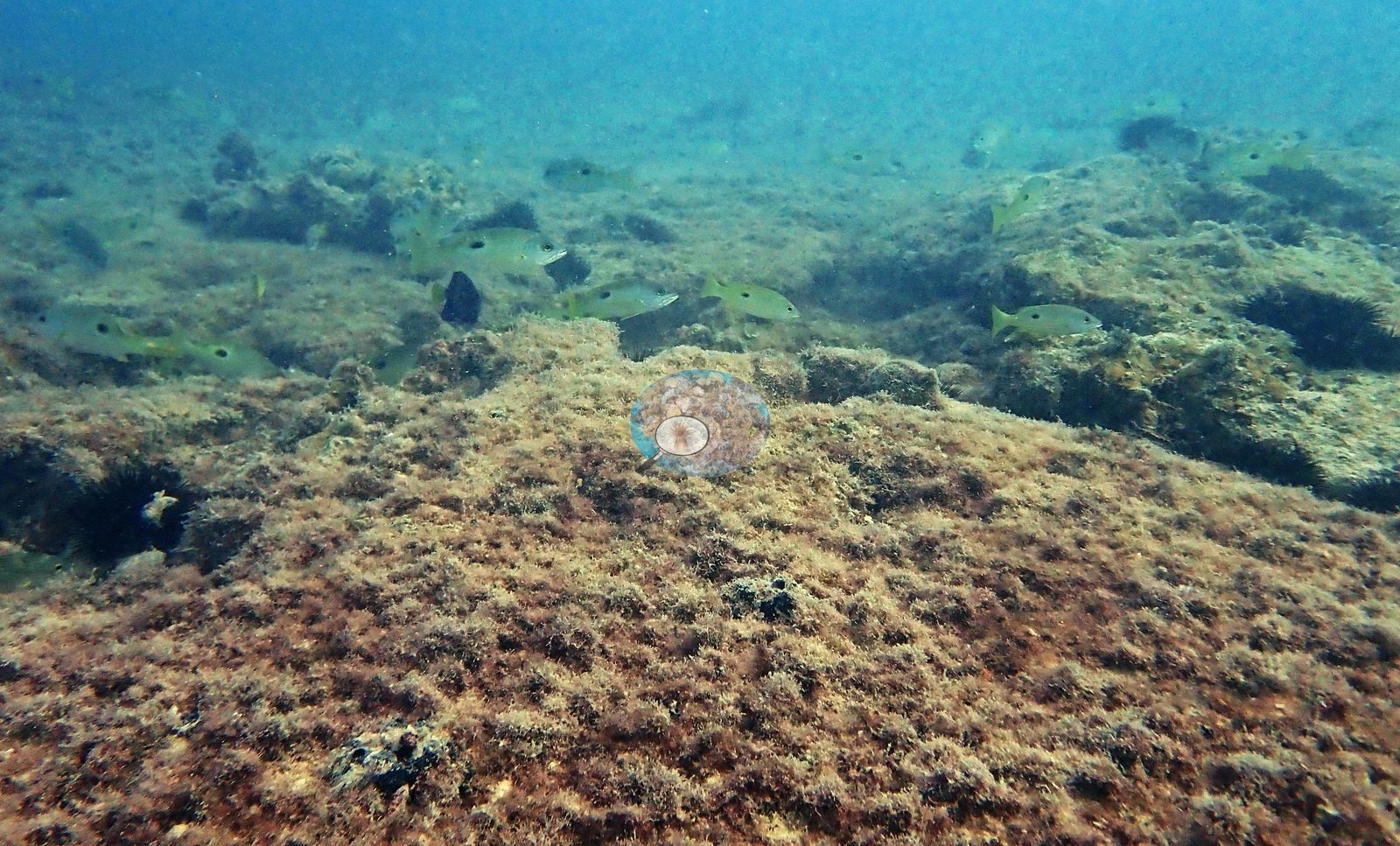
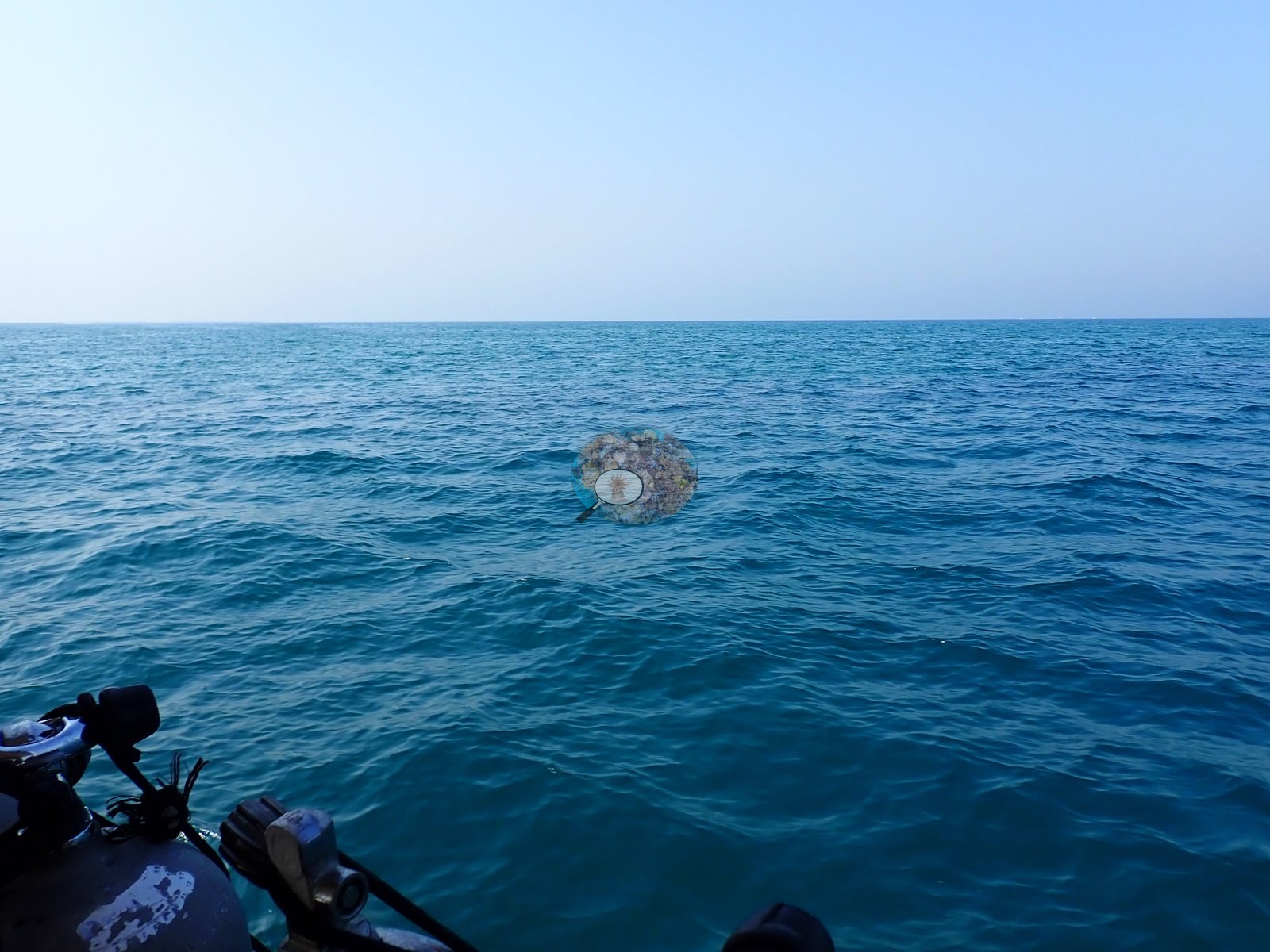
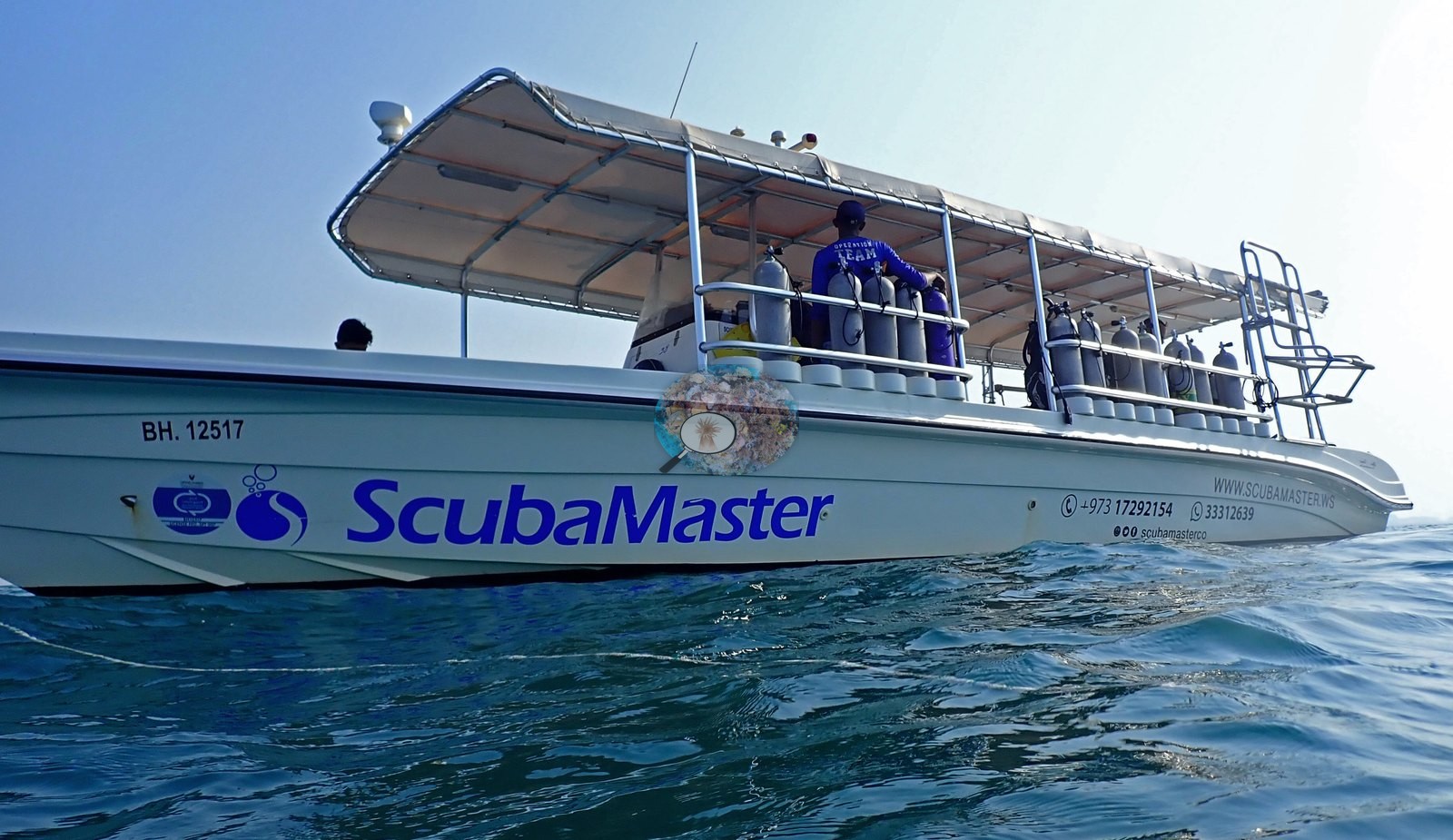
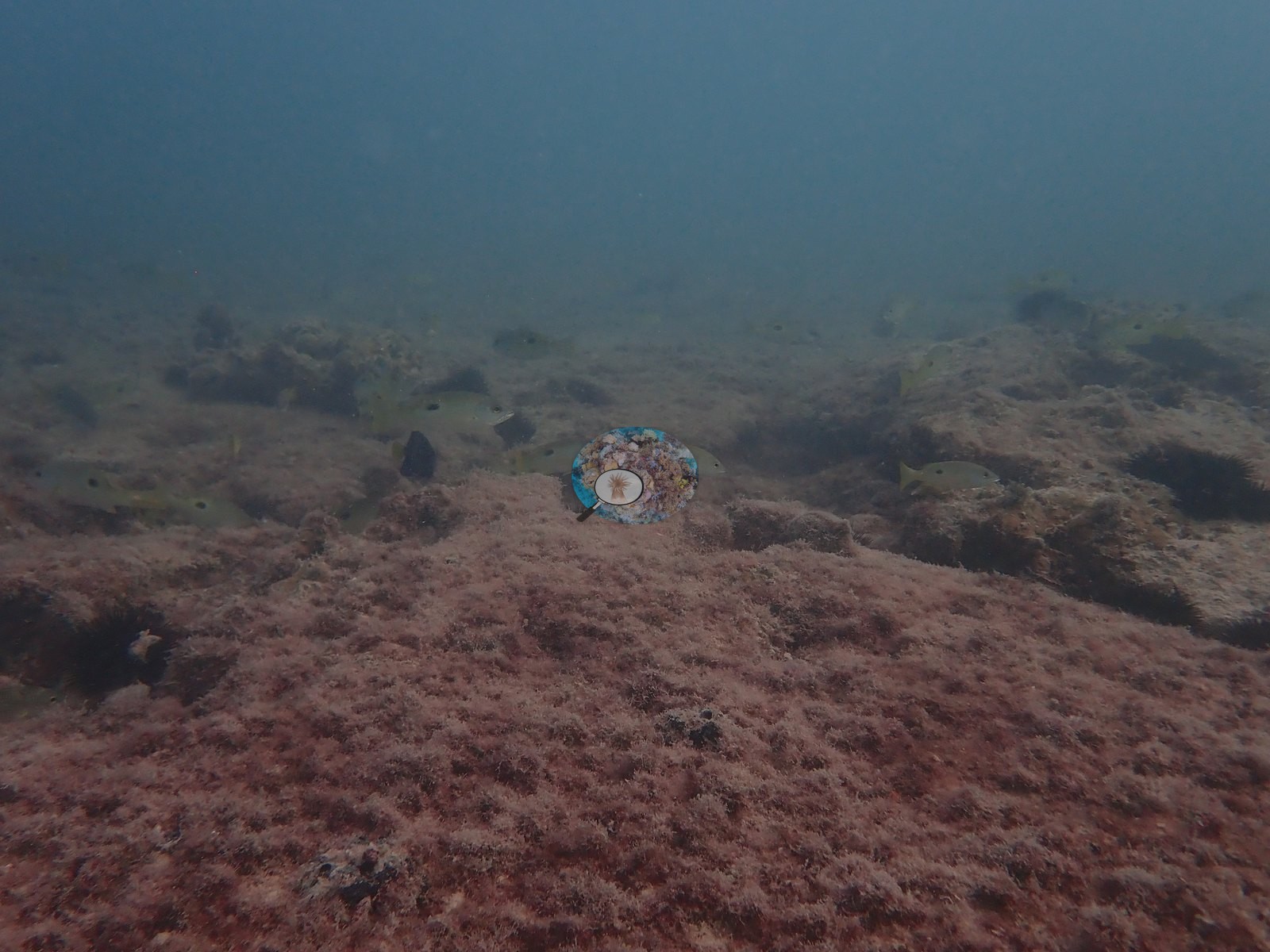
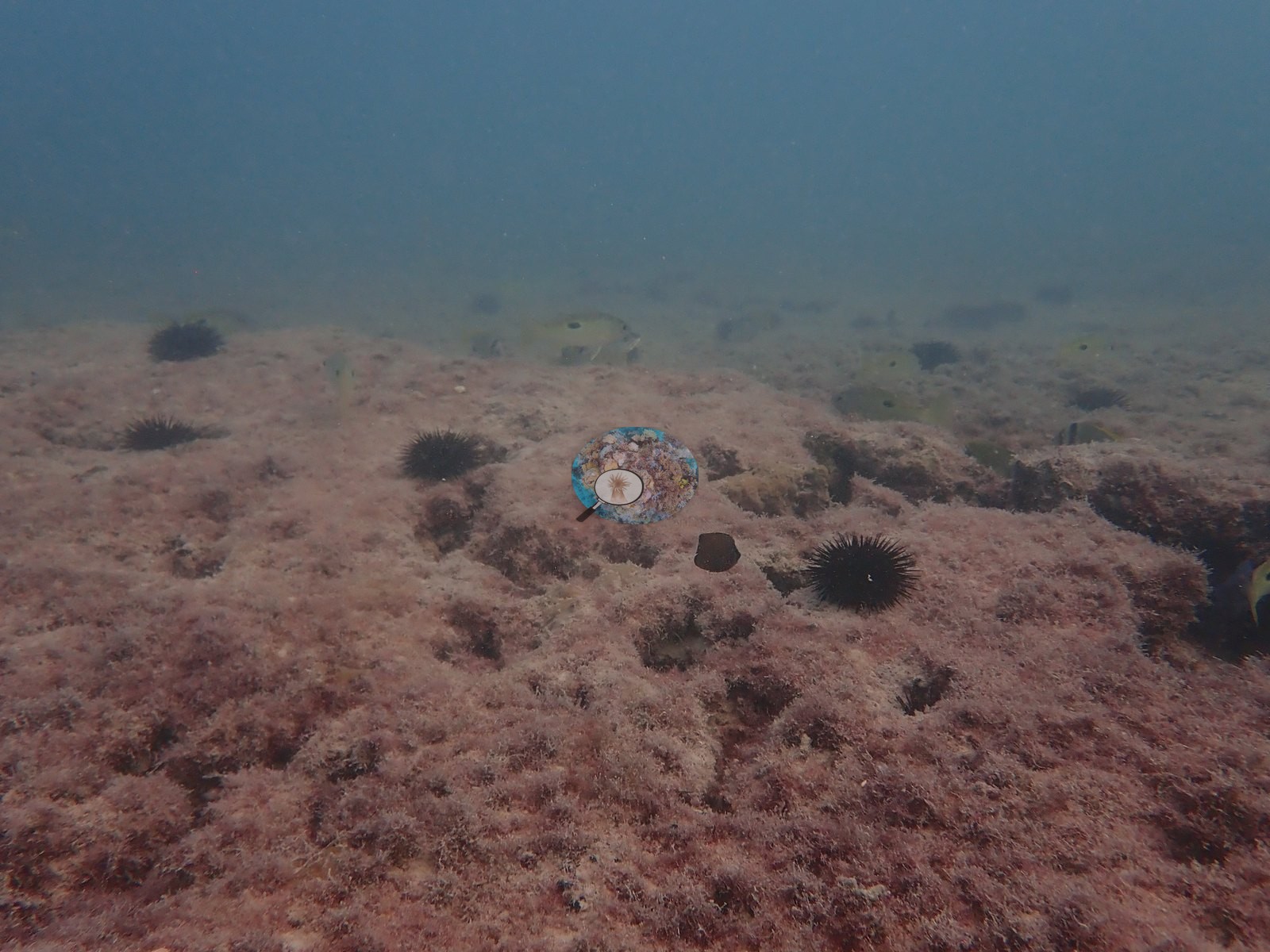
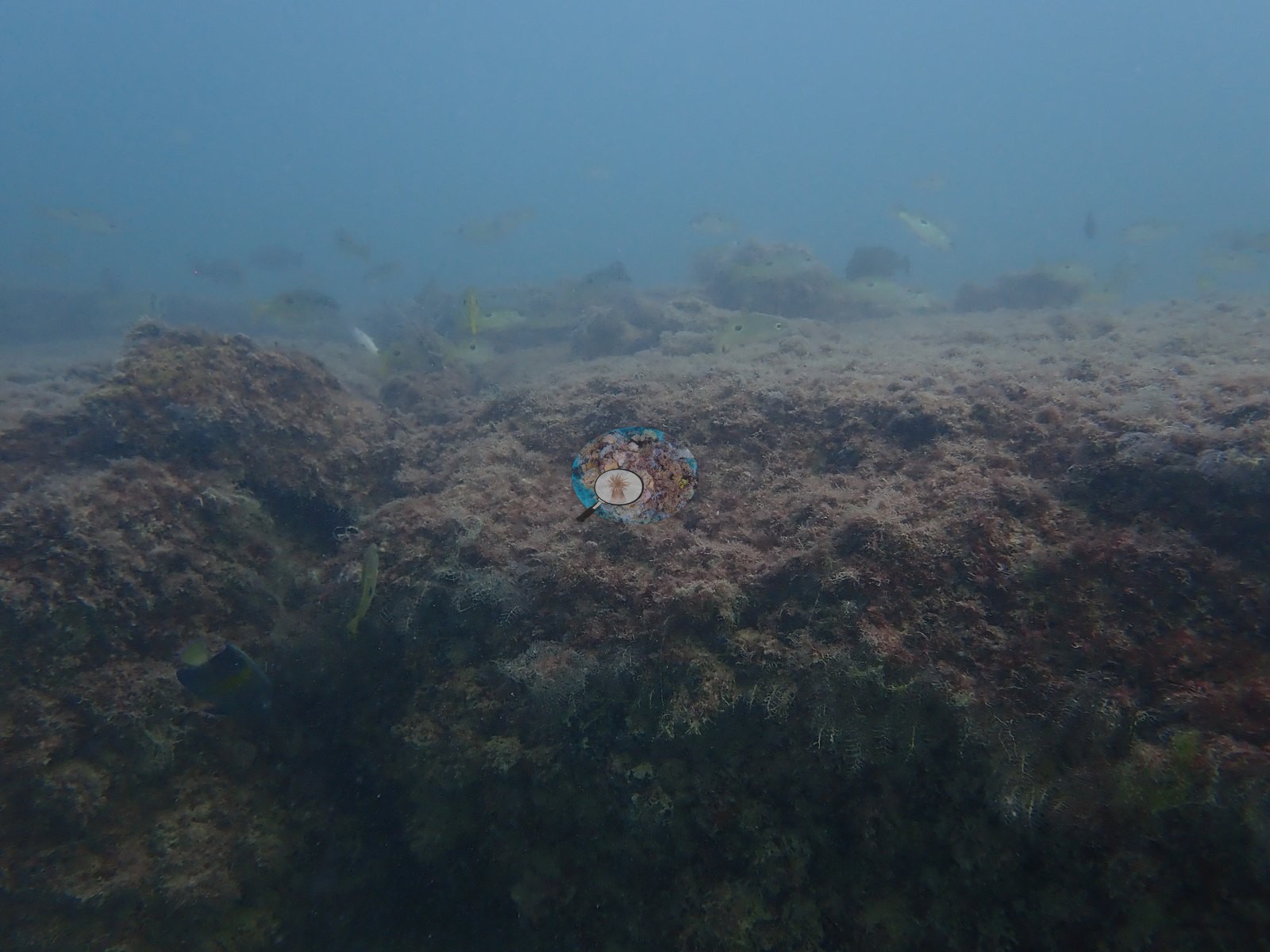
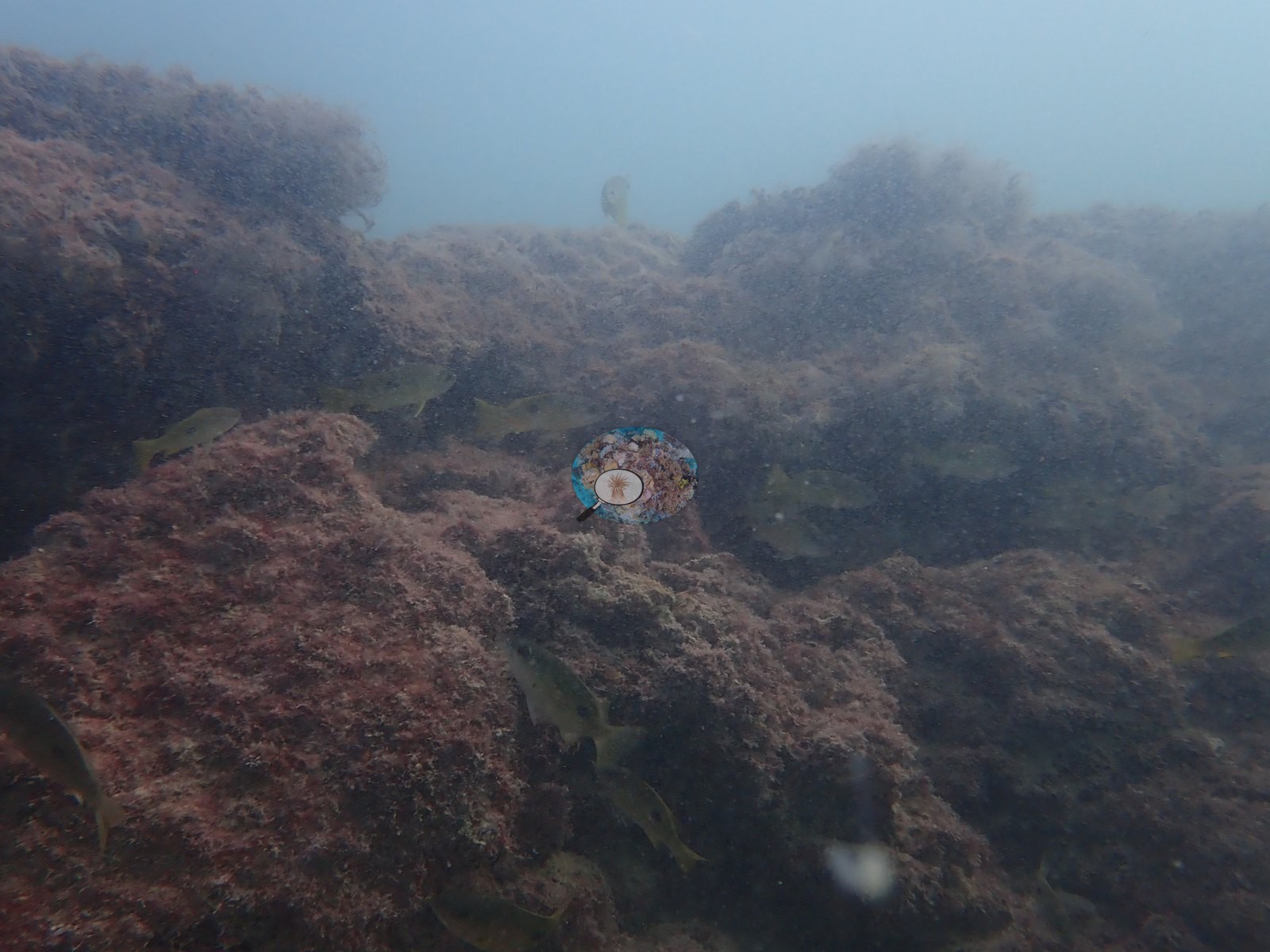
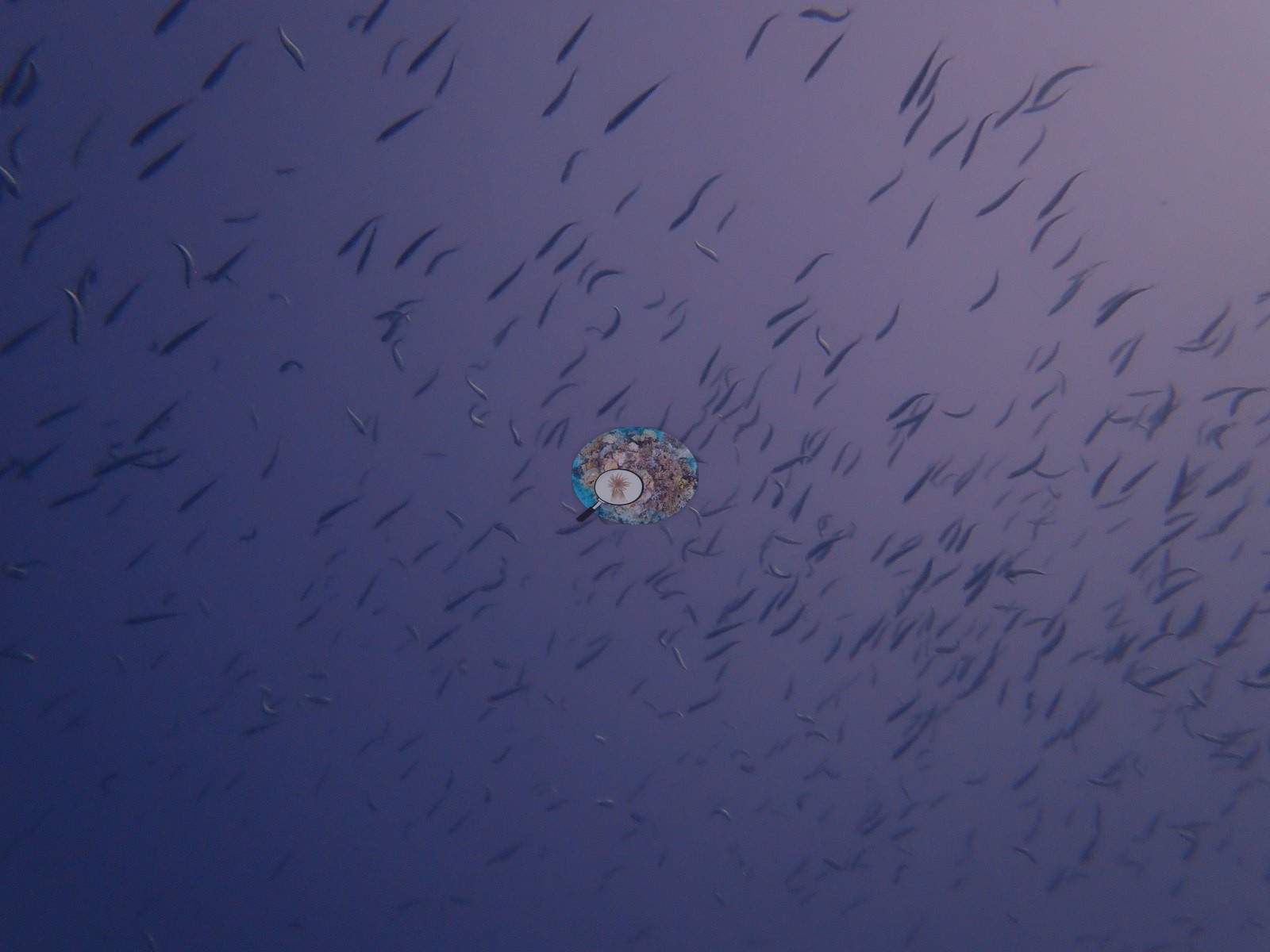
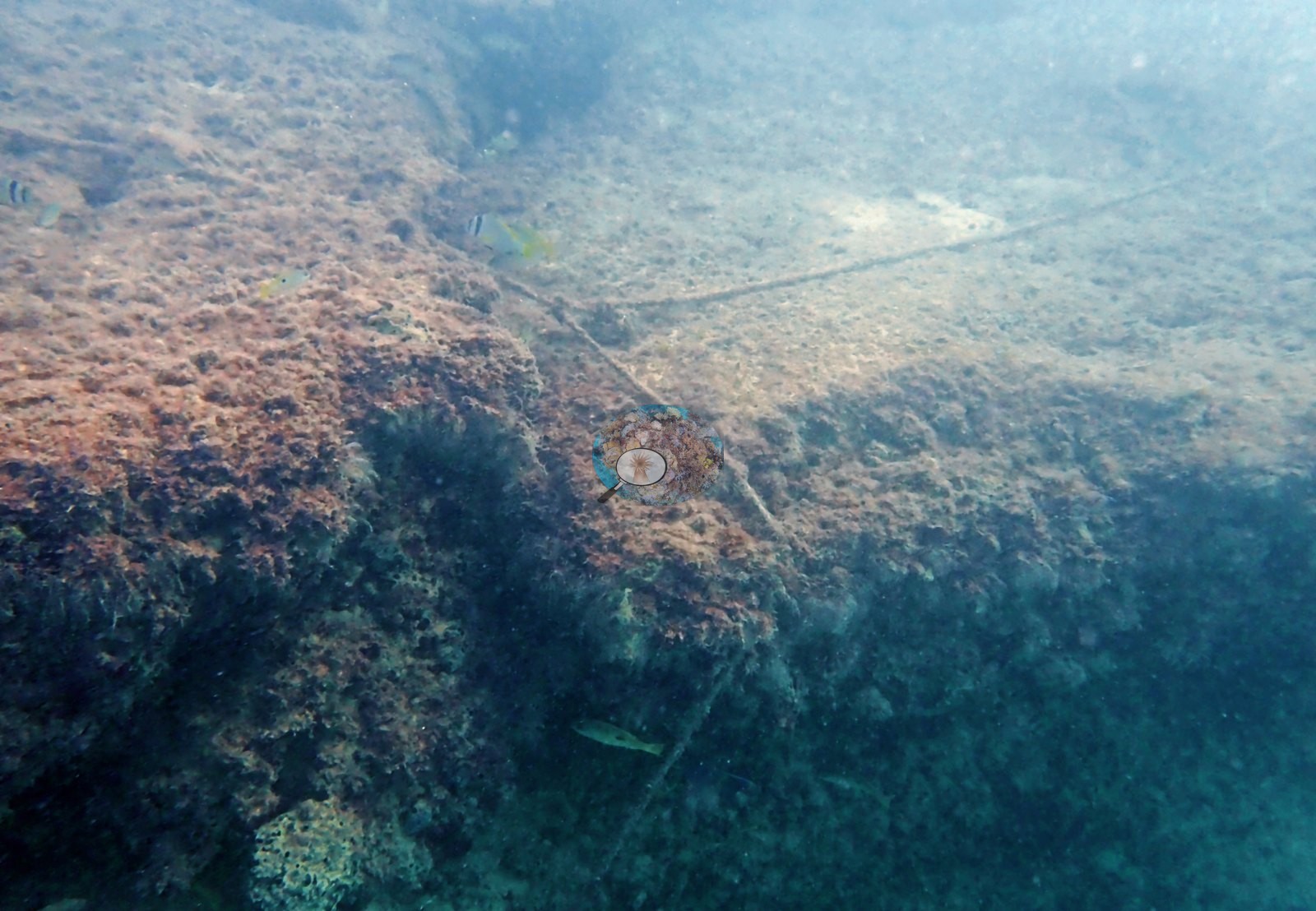
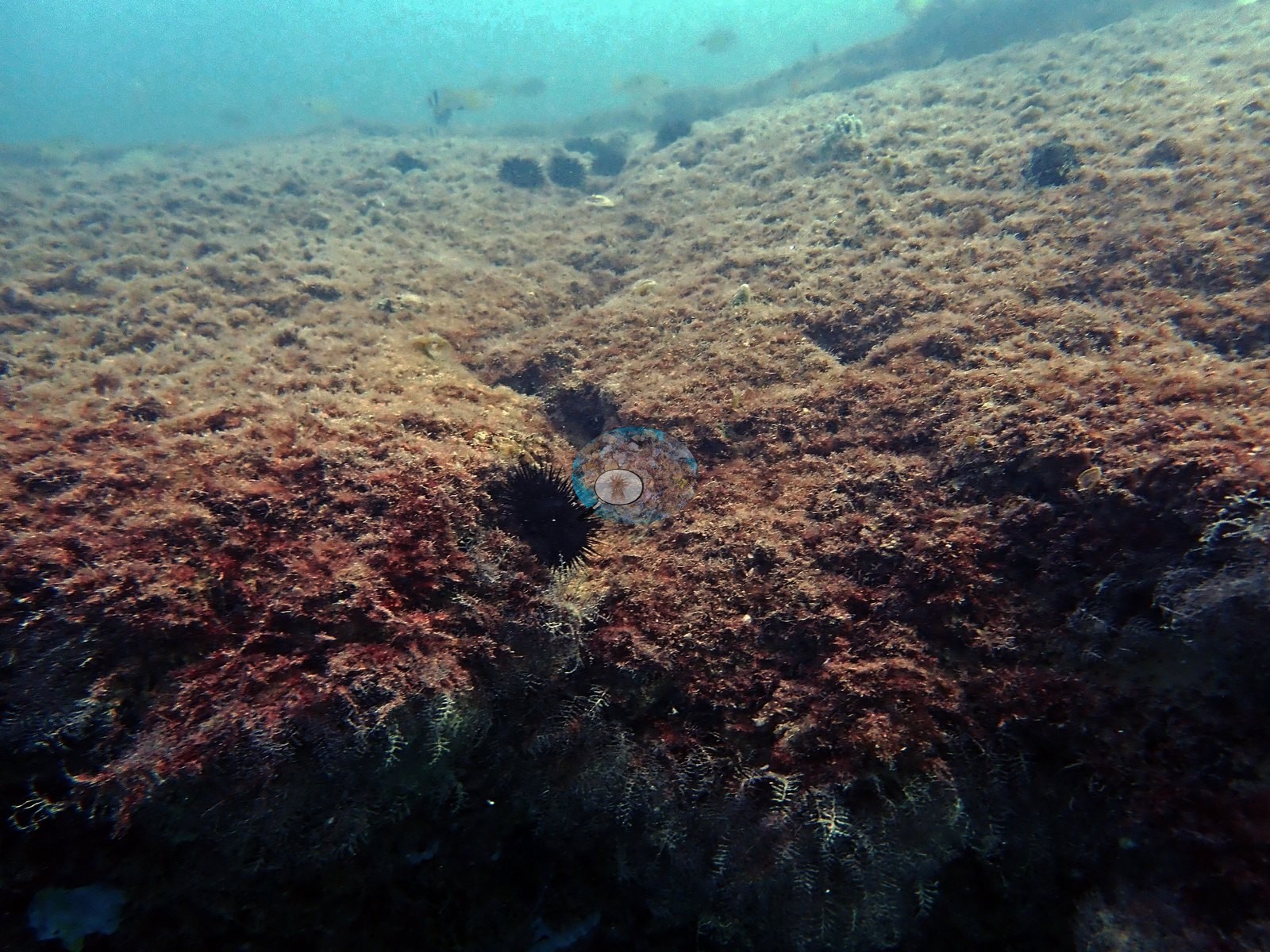
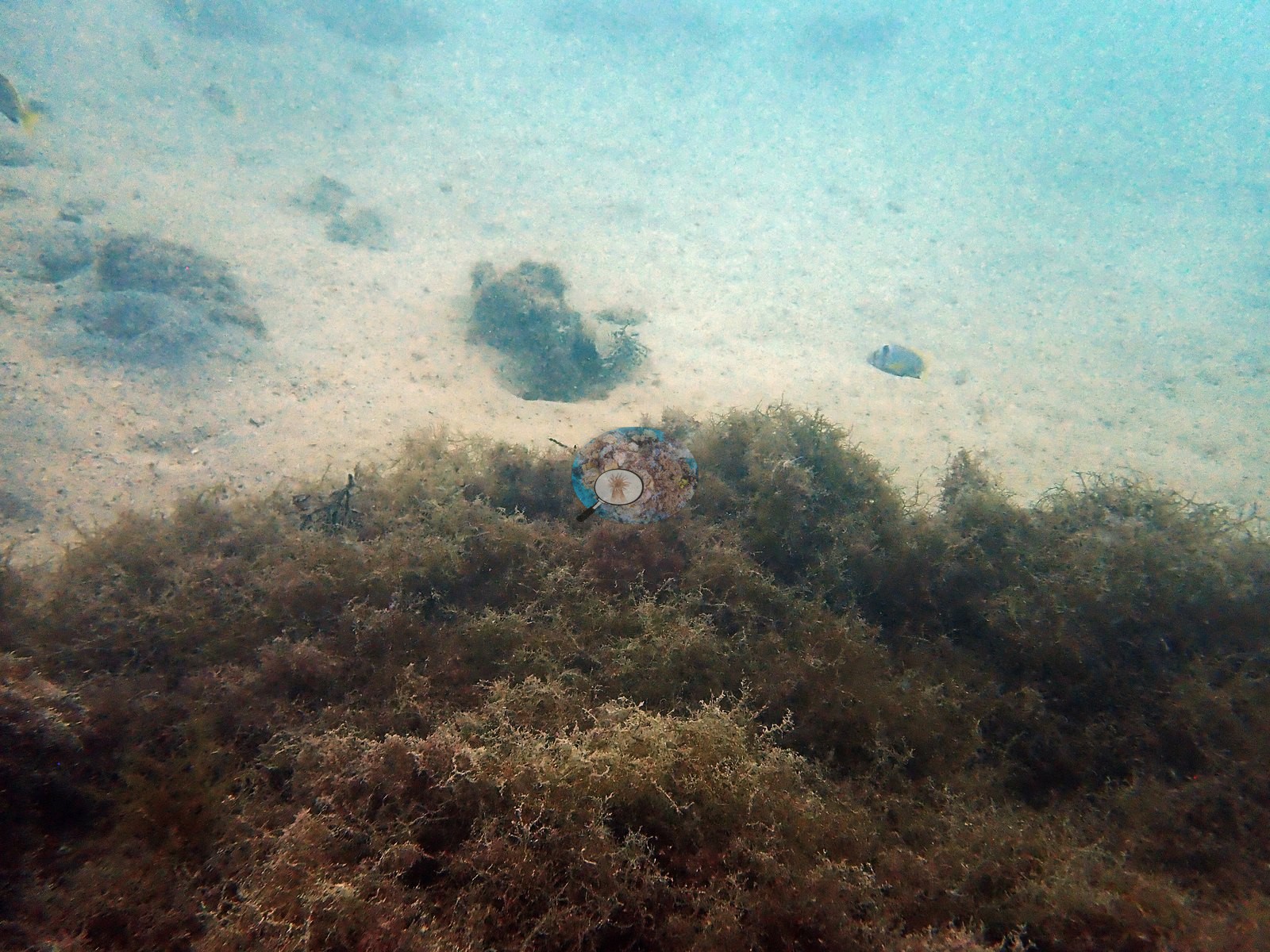
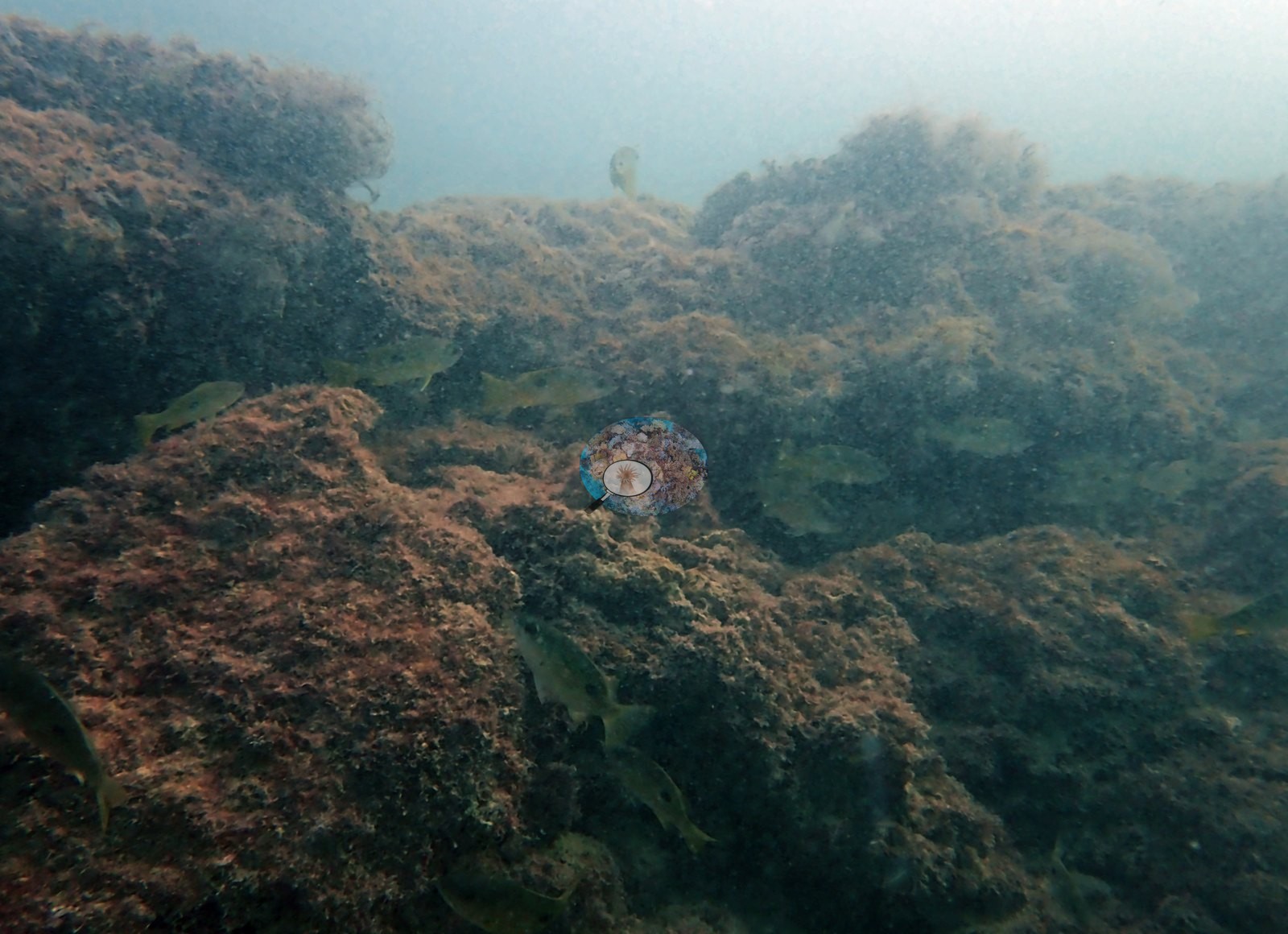
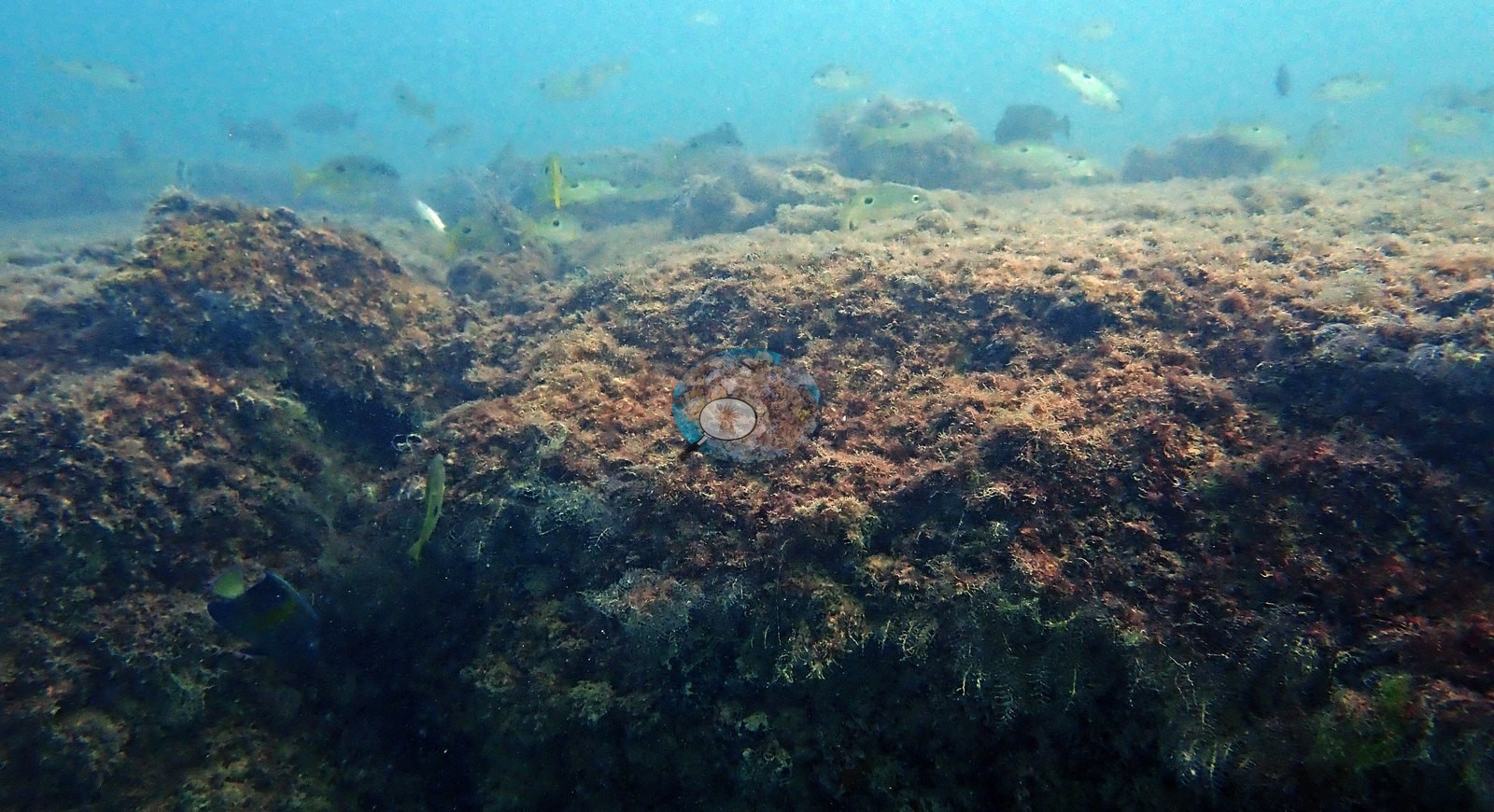
Dilmunia Rock is a shallow site less than 2 km off Bahrain in the Arabian Gulf (26.285 N, 50.635 E). Published site descriptions - not observations of Anderson's - place it between roughly 5 and 10 m, with a rocky ledge near 5 m giving way to a sand bottom below (e.g., Image 4, Image 6, Image 10, Image 11, Image 12).
Coral cover
No coral-cover figure has been extracted, and there is no personal or nearby independent survey data for the site at all. A cover figure will be added only if transect data or a computer vision pass on Anderson's own photographs becomes available.
Stressors
As regional context rather than an account of this reef: Arabian Gulf corals live in one of the most thermally extreme reef environments on Earth, routinely exceeding summer temperatures lethal to conspecifics elsewhere, and Gulf reefs have suffered repeated severe bleaching and mortality over the past three decades. The satellite-derived five-year mean annual maximum heat stress for the grid cell is 9.9 degree heating weeks. No crown-of-thorns starfish (COTS) or other corallivores evident.
Comparisons with other data
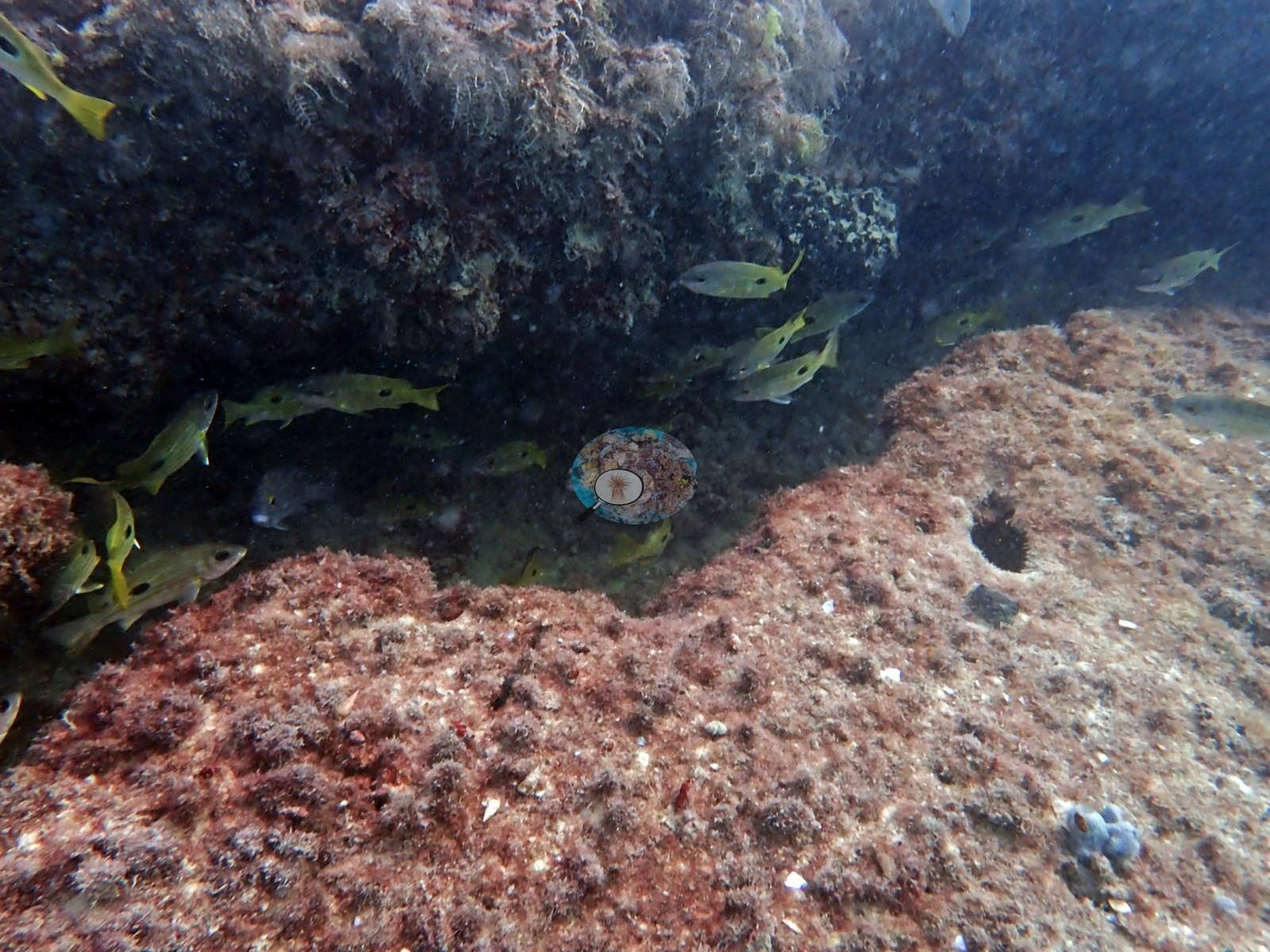
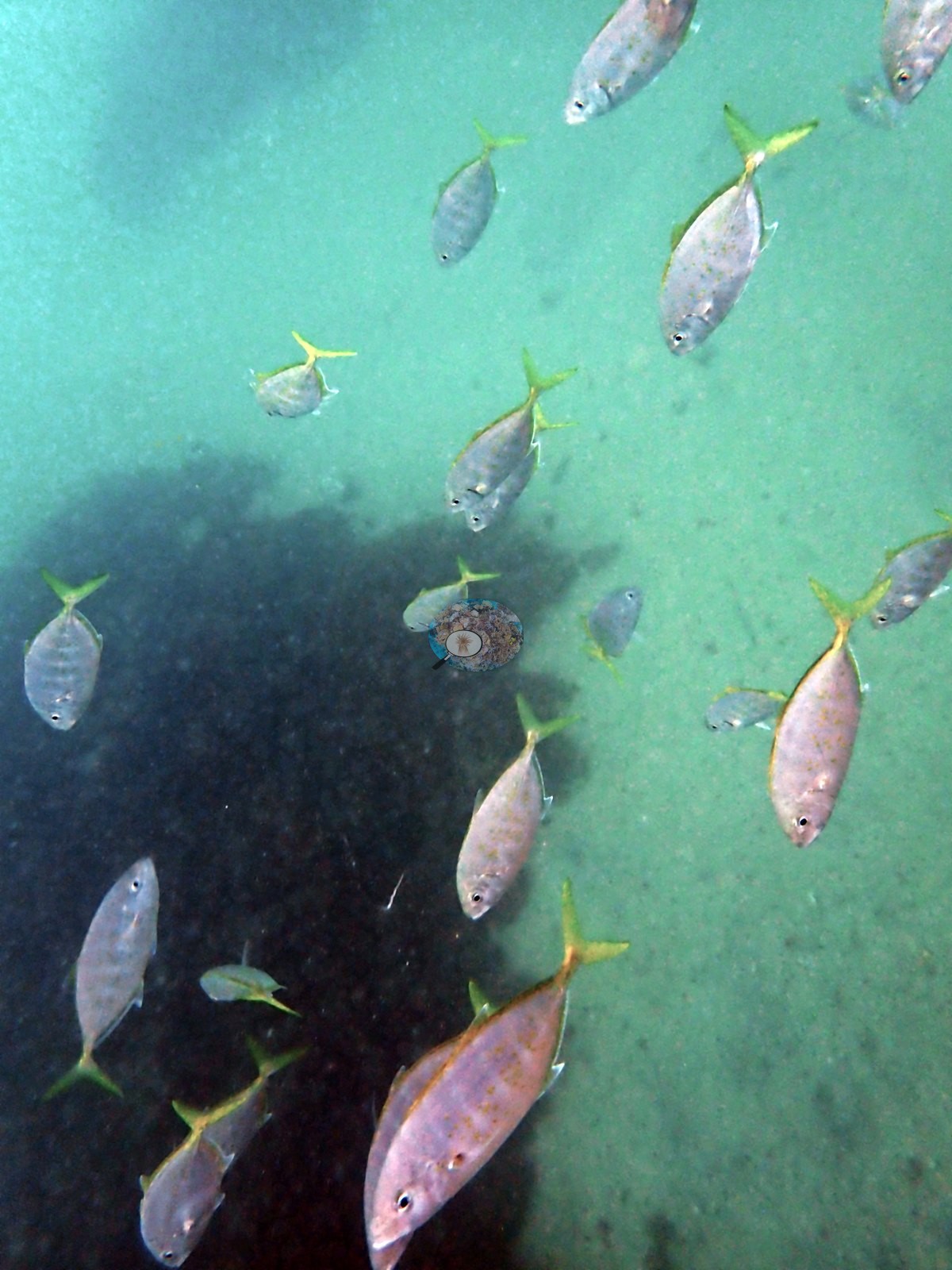
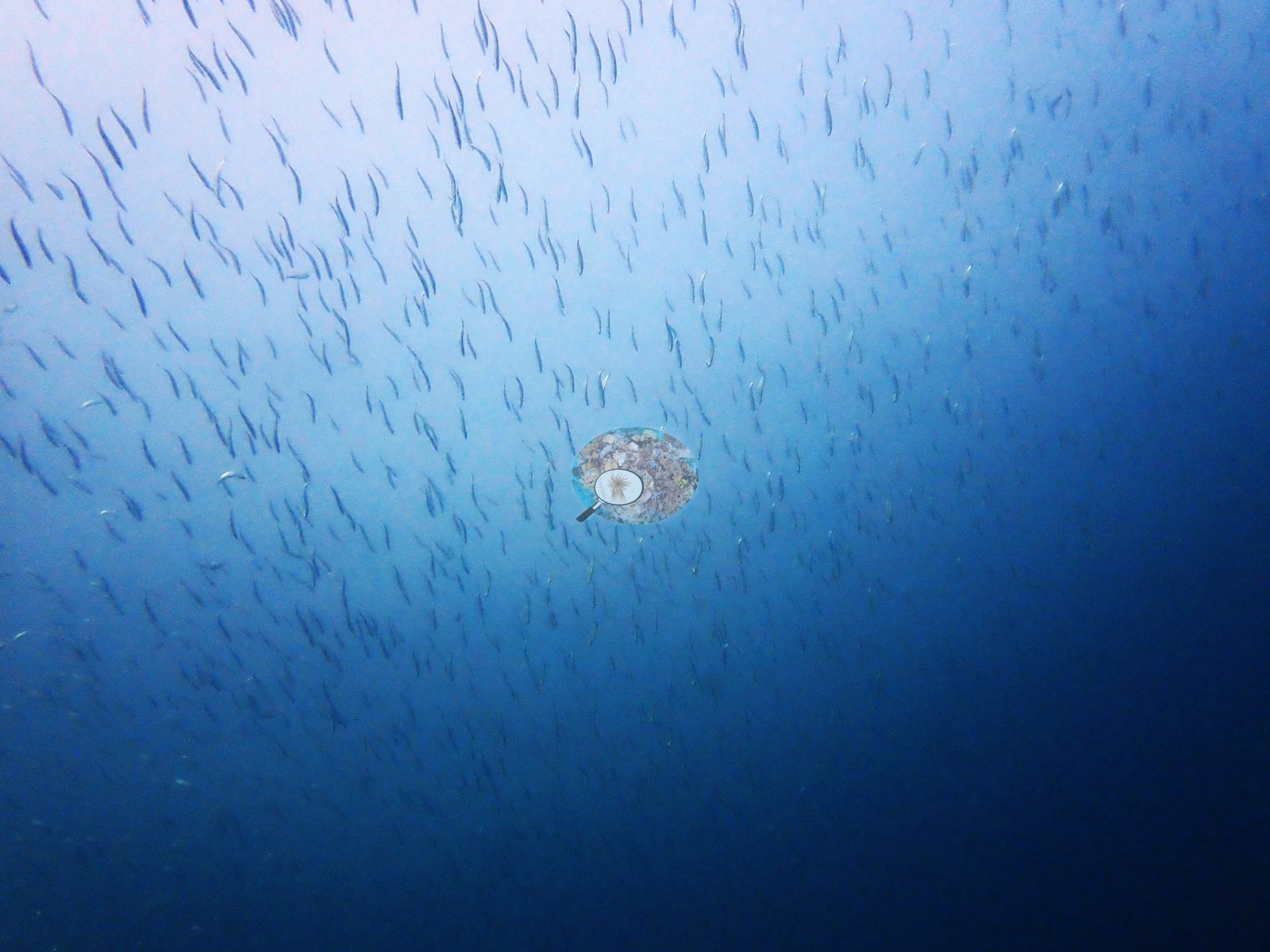
Also on record for this site: It's known locally for its fish life and for Bahrain's characteristic nudibranchs, and its shallow, sheltered profile makes it suitable for both beginner and experienced divers (e.g., Image 5, Image 9, Image 13, Image 14).
Dive record
Unlike most pins in this set it carries a real logged date: Anderson dived it on 23 September 2023.
Other notes
Sixteen photographs from that dive are published here.
Coral cover: method notes
Data & links
All images from Coral Reef Diagnostics. Data are from Coral Reef Diagnostics.
© Coral Reef Diagnostics.